ED After Prostate Surgery: Recovery and Penile Rehabilitation
Waking up from prostate surgery with no erections is one of the most unsettling moments in a man’s recovery — and one of the most normal. The majority of men experience significant erectile dysfunction after radical prostatectomy, yet many go on to recover meaningful erectile function. Understanding the prostate surgery ed recovery process — what is happening in your body, how long it takes, and which treatments actually help — replaces fear with a plan.
Why prostate surgery causes erectile dysfunction
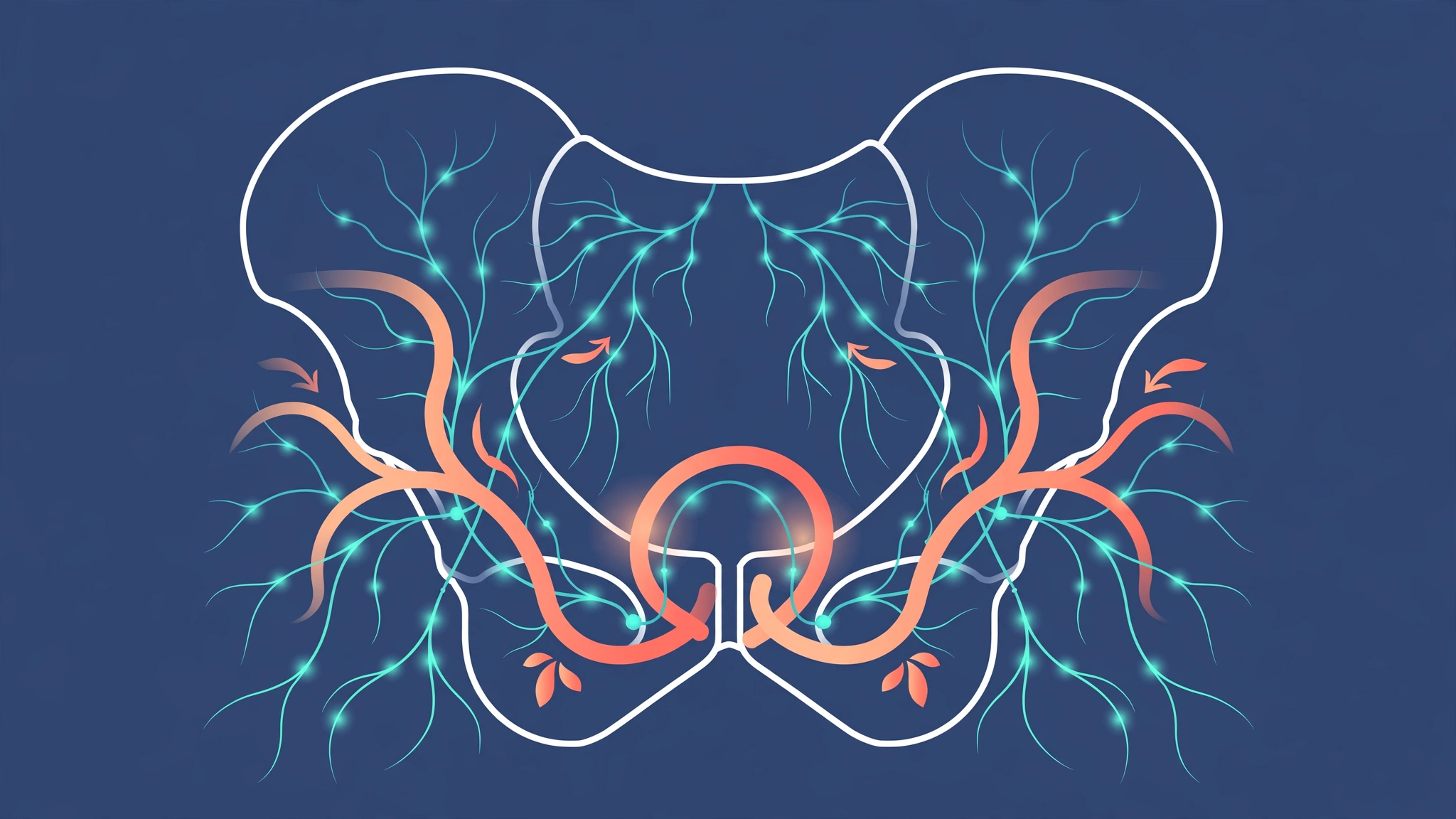
To understand recovery, it helps to know what surgery disrupts. Two delicate nerve bundles — the cavernous nerves — run along each side of the prostate, carrying the signals that trigger blood flow into the penis. Because the prostate sits so close to these nerves, even a carefully performed radical prostatectomy can stretch, bruise, or disrupt them, even when the cancer never touched them.
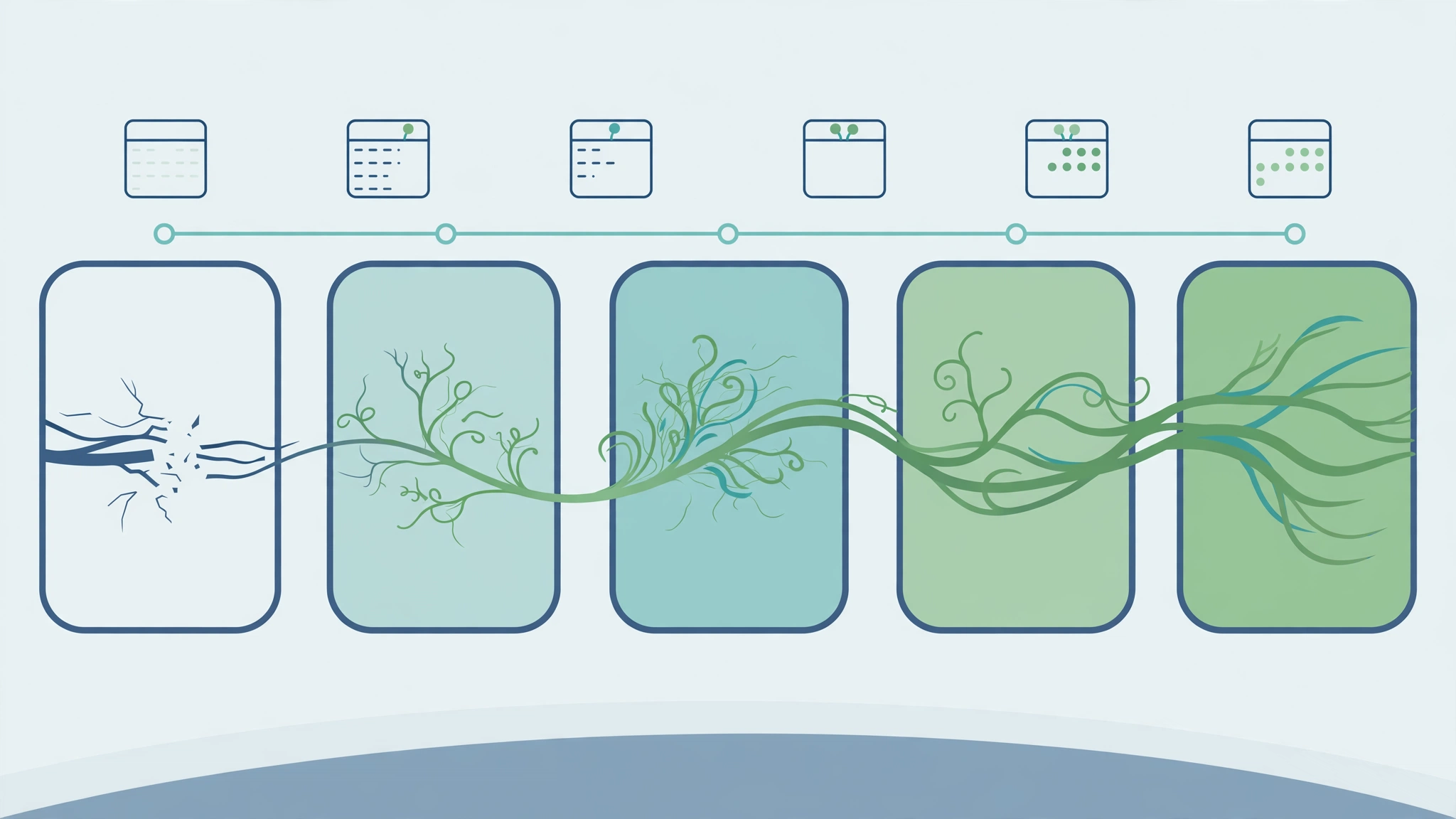
When nerves are stretched or bruised rather than cut, the condition is called neuropraxia: the nerves are stunned but alive. Nerves regenerate very slowly — roughly a millimeter a day — which is why the prostate surgery ed recovery timeline is measured in months and years, not weeks. If one or both bundles had to be removed because the cancer was too close, natural recovery becomes unlikely and the plan shifts to assisted options.
A nerve-sparing prostatectomy is designed to preserve these nerve bundles wherever it is oncologically safe. Men who undergo bilateral nerve-sparing surgery generally have the best prognosis for recovering erections, but nerve-sparing is not a guarantee: even preserved nerves need a long healing period, and temporary loss of function afterward is the rule rather than the exception.
Prostate surgery ed recovery timeline: what to expect month by month
Every man’s recovery differs, but patient studies describe a consistent pattern:
| Timeframe | What usually happens |
|---|---|
| 0–3 months | Little to no erections. This is expected and normal, even after nerve-sparing surgery. Focus is on healing from the operation itself and urinary continence. |
| 3–6 months | Early signs of nerve healing may appear: partial erections, morning firmness, or brief erections with stimulation. Response to oral medications often begins to improve. |
| 6–12 months | The window of most active improvement. Many men begin achieving erections firm enough for intercourse, often with the help of medication or devices. |
| 12–24 months | Continued, slower gains. By about two years, most men who will recover satisfactory function have reached their new baseline. |
| 24–36 months | A smaller number of men continue to see incremental improvement into the third year. After this point, spontaneous improvement becomes unlikely, and longer-term solutions are discussed. |
Key factors that predict where you land on this timeline include your age, the quality of your erections before surgery, whether the operation was nerve-sparing, and general health factors such as diabetes, blood pressure, smoking, and weight. Younger men with strong pre-surgery function and bilateral nerve-sparing have the highest recovery rates — roughly 40–50% return to pre-treatment erectile function within a year, with more improving over the second.
Start before surgery: the prehabilitation advantage
Here is something most recovery guides skip: you can begin improving your odds before the operation. Prehabilitation — preparing the pelvic floor before prostate surgery — is increasingly recommended by urologists, yet it rarely appears in the top-ranking articles on this topic.
The pelvic floor muscles support erectile function by regulating blood flow into and out of the penis. Learning proper Kegel technique before surgery has two advantages: you train muscles that will support both continence and erectile function during recovery, and you learn correct activation while everything still works normally. A single session with a pelvic floor physiotherapist before surgery can teach you the right technique and establish a daily routine.
General fitness matters too. Cardiovascular health predicts erectile recovery: men who enter surgery as non-smokers, with controlled blood sugar and blood pressure and a healthy weight, recover better. If your surgery is scheduled weeks away, that window is an opportunity — quitting smoking, starting daily walks, and getting diabetes or blood pressure under control are among the highest-impact steps for your prostate surgery ed recovery before it even begins.
What penile rehabilitation actually involves
Penile rehabilitation is a structured, proactive plan to preserve erectile tissue health while the nerves heal. Without regular erections, the penile tissue gets less oxygenated blood, loses elasticity, and can develop scarring — changes that make later recovery harder even after the nerves have healed. Think of it as physical therapy for erectile function. Most urologists start rehabilitation once the catheter is removed, typically 4–6 weeks after surgery, and continue it for 12–24 months.
During prostate surgery ed recovery, treatments are usually introduced as a ladder, starting with the least invasive options. Your doctor will tailor the plan to your nerve-sparing status, other health conditions, and preferences:
- Oral PDE5 inhibitors (sildenafil, tadalafil, vardenafil). These medications increase blood flow to the penis. Some doctors prescribe them on-demand; others recommend low-dose daily use during recovery to keep tissue oxygenated. They work best when at least some nerve function remains, and they may seem ineffective early on — that does not mean they will never work.
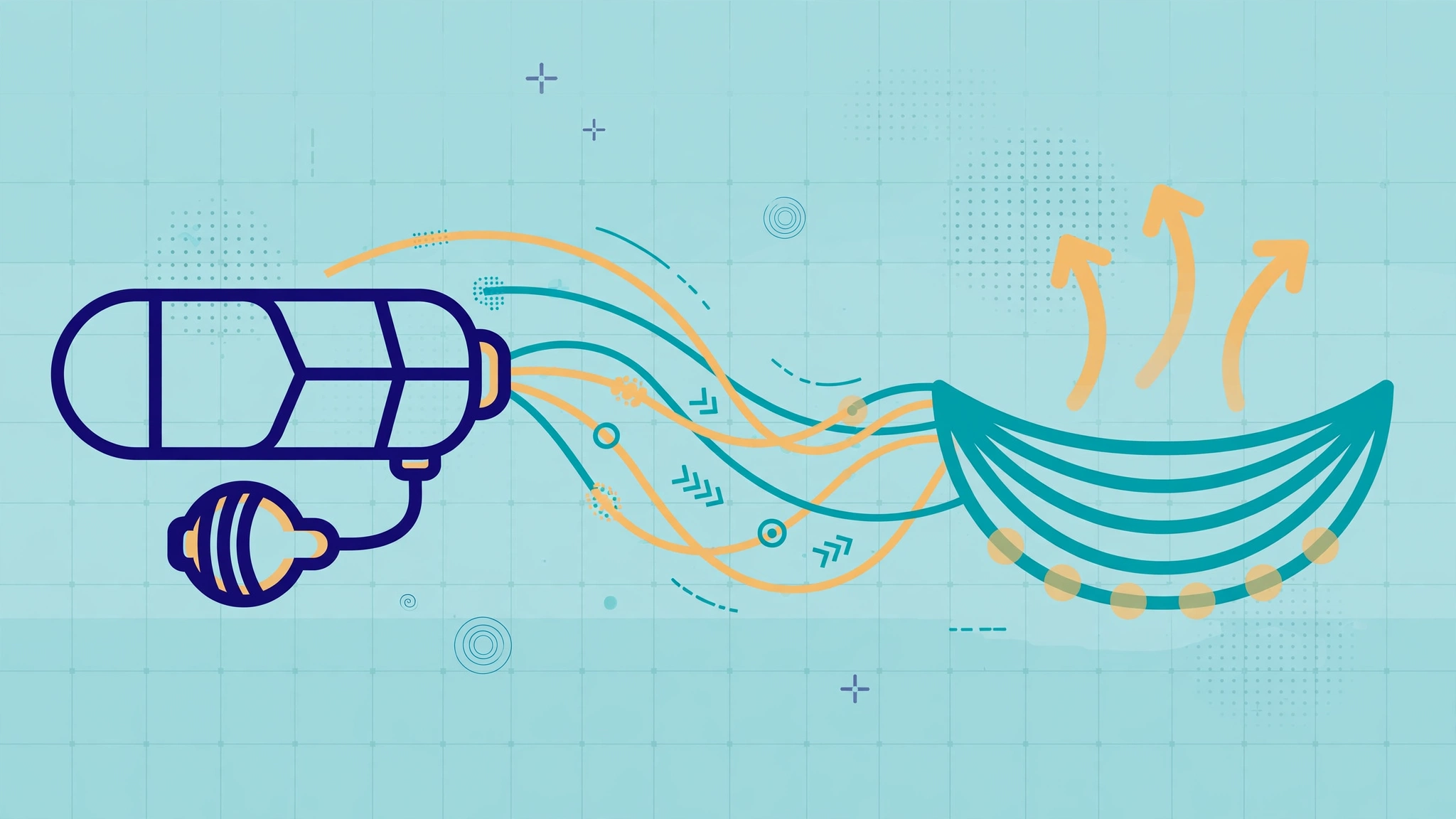
- Vacuum erection devices (VED). A cylinder placed over the penis uses suction to draw blood into the erectile tissue. VEDs serve double duty: with a constriction ring they can produce an erection suitable for intercourse, and without the ring they work as a rehabilitation exercise that helps preserve penile length.
- Penile injection therapy (e.g., alprostadil). Medication injected directly into the penis produces an erection independent of nerve function, with success rates around 85%. Injections require training and are usually started under urology supervision, but for many men they become a reliable bridge while nerves heal.
- Urethral suppositories. A small medicated pellet inserted into the urethra stimulates blood flow. It is less invasive than injections but generally less effective — a middle option for some men.
- Penile implants. If erections have not returned after 18–24 months and other treatments have failed, a surgically implanted prosthesis provides a permanent, on-demand solution. Modern inflatable implants are fully concealed and report satisfaction rates of 85–95% for both patients and partners.
The single biggest mistake men make during prostate surgery ed recovery is doing nothing and hoping function returns on its own. Early, consistent rehabilitation gives the best evidence for preserving long-term outcomes.
Pelvic floor exercises and lifestyle changes that speed recovery
Rehabilitation is not only about devices and medications. The habits that protect your blood vessels protect your recovery, because erectile function after prostate surgery is as much a blood-flow issue as a nerve issue.
- Daily pelvic floor (Kegel) exercises. Tighten the muscles you would use to stop urine flow, hold 5–10 seconds, relax fully, and repeat in sets of 10, three times a day. Keep breathing normally and avoid tightening the abdomen or buttocks.
- Aerobic exercise. Walking, cycling, or swimming improves circulation and supports nerve healing. Build toward 150 minutes of moderate activity per week once your surgeon clears you.
- Blood sugar and blood pressure control. Diabetes and hypertension damage small blood vessels and worsen recovery odds. See our guide on how diabetes affects erectile function for a deeper explanation of the vascular connection.
- Quit smoking and limit alcohol. Smoking constricts blood vessels and slows nerve healing; heavy alcohol use depresses both desire and erectile response.
- Sleep and stress management. Chronic stress and poor sleep raise cortisol and adrenaline, both of which work against erections — and performance anxiety is itself a common contributor to lingering difficulty.
Penile shortening and curvature: the changes nobody warns you about
Most articles on post-prostatectomy ED focus entirely on firmness and skip two physical changes that distress many men: penile shortening and curvature. Because these are rarely discussed before surgery, men often discover them alone and assume something has gone wrong.
Some length loss is common after prostatectomy — on average around 1–2 centimeters — and it tends to be greatest in the first year. It happens partly because the urethra is reattached after the prostate is removed, and partly because the absence of regular erections lets the tissue contract. Regular vacuum device use during rehabilitation helps preserve length, which is one of the strongest practical arguments for starting rehab early.
A smaller number of men develop a new bend during recovery, thought to be related to tissue scarring in the absence of erections. If you notice progressive curvature, new pain, or a distinct lump, bring it to your urologist promptly — early evaluation gives the most options. Both changes are active areas of urological research, including ongoing work into post-prostatectomy recovery studies at Mayo Clinic.
Intimacy, orgasms and partners during recovery
Prostate surgery ed recovery happens to a couple, not just to a man — and the sexual changes go beyond erections. The prostate and seminal vesicles produce most of the fluid in semen, so after radical prostatectomy orgasms are dry: the sensation usually remains intact, but no fluid is produced. Some men report orgasms feel different. Fertility through intercourse is no longer possible, which is why sperm banking is discussed with younger men before surgery.
This period asks a lot of partners. Desire, spontaneity, and confidence often take a hit on both sides, and performance anxiety can quietly stall recovery. Couples who do best tend to do a few things deliberately:
- Redefine intimacy temporarily. With penetration off the table for a while, many couples rediscover touch, massage, and closeness without a goal. Our guide to intimacy after surgery for couples covers practical ways to stay connected during the healing months.
- Talk about it directly. Partners often hide their own grief or frustration to protect the man, which creates distance. Naming the loss — of spontaneity, of the old routine — gives both people permission to adapt together.
- Keep rehabilitation a shared project. Partners who understand the rehab plan are more patient with its awkwardness and more likely to keep intimacy playful rather than clinical.
- Watch for depression. Low mood is common after prostate cancer surgery and directly suppresses libido and erectile function. Persistent hopelessness or withdrawal is a medical issue worth raising with your doctor.
Clinicians who specialize in sexual health after cancer consistently emphasize one point, echoed by Mayo Clinic’s guidance on erectile dysfunction and prostate cancer: the sooner you talk to your care team about sexual side effects, the better your chances of improving them.
When to talk to your doctor about your prostate surgery ed recovery
Recovery should be monitored, not endured passively. Contact your urology team during your prostate surgery ed recovery if:
- You were never offered a penile rehabilitation plan — ask for one explicitly.
- Medications are not working after several months of consistent use.
- You notice progressive penile curvature, new pain, or a palpable lump.
- You experience penile pain during rehabilitation exercises or device use.
- You feel depressed, hopeless, or have withdrawn from your partner and daily life.
- You have chest pain, unusual fatigue, or shortness of breath — ED can overlap with cardiovascular disease, and new cardiac symptoms always deserve prompt evaluation.
Bring a simple log to follow-up appointments: when you take medication, whether you used the vacuum device, and any erections or firmness you notice. That record helps your doctor adjust doses and decide when it is time to move up the treatment ladder.
FAQs
How long does erectile dysfunction last after prostate surgery?
It varies, but most men follow a pattern: severe ED for the first months, gradual improvement between 6 and 18 months, and slower gains up to about 24 months, with some improving into the third year. About 40–50% of nerve-sparing patients return to pre-treatment function within a year. Age, baseline function, and overall health strongly influence the outcome.
Will I ever get natural erections again after prostatectomy?
Many men do, especially after bilateral nerve-sparing surgery combined with early penile rehabilitation. “Natural” recovery usually means erections firm enough for intercourse, often still assisted by medication. If both nerve bundles were removed, spontaneous erections are unlikely, but injections, vacuum devices, and implants can still restore a satisfying sex life.
What is the best treatment for ED after prostate surgery?
There is no single best treatment — urologists use a ladder approach. Most men start with oral PDE5 inhibitors and pelvic floor exercises, add a vacuum erection device, then move to injections if needed, with penile implants reserved for cases where other options fail after 18–24 months. Starting rehabilitation early, once the catheter is removed, improves long-term outcomes.
When can I start ED treatment after prostate surgery?
Pelvic floor exercises can begin before surgery and resume as soon as your surgeon allows. Oral medications and vacuum device use typically start once the catheter is removed, usually 4–6 weeks after surgery, under your urologist’s guidance. Starting early is important because the goal is to keep penile tissue healthy while nerves heal slowly.
Can I still have orgasms after prostate surgery?
Yes, in most cases. Orgasm and erection are controlled by different mechanisms, so the ability to climax usually survives prostatectomy. Orgasms will be dry — no semen is produced — and may feel somewhat different. Fertility through intercourse is no longer possible, so men who want biological children should discuss sperm banking before surgery.
Does nerve-sparing surgery guarantee my erections will return?
No. Nerve-sparing significantly improves the odds of recovery, but it does not guarantee it. Even perfectly preserved nerves are typically bruised during surgery and need 12–24 months to heal, and temporary ED afterward is the norm. Recovery also depends on age, pre-surgery erectile function, and conditions like diabetes and heart disease. A realistic plan combines nerve-sparing with committed rehabilitation.
Recovery after prostate surgery is a marathon, not a sprint. Early penile rehabilitation, attention to cardiovascular health, honest communication with your partner, and regular follow-up with your urologist are the pillars of a strong prostate surgery ed recovery. Almost every man can regain satisfying sexual function in some form; the most important step is refusing to suffer in silence. If something in your recovery concerns you, talk to your doctor sooner rather than later.
Medical disclaimer: This article is for educational purposes only and does not constitute medical advice. It is not a substitute for professional diagnosis or treatment. Erectile dysfunction treatments involve prescription medications and medical devices that must be prescribed and supervised by a qualified healthcare professional. If you are recovering from prostate surgery, discuss all treatment decisions with your urologist or doctor.