Balanitis: Causes, Symptoms, and Treatment
Balanitis is one of the most common — and most misunderstood — conditions in men’s health. It causes redness, swelling, and soreness of the head of the penis (the glans), and it can be uncomfortable or even painful. This complete guide to balanitis causes treatment and symptoms explains what triggers the inflammation, how doctors diagnose it, what actually clears it up, and — just as important — why it sometimes keeps coming back.
The good news: balanitis is usually not serious, and most cases respond well once the underlying cause is identified. The frustration most men run into is that treatment fails when the cause is guessed rather than diagnosed. An antifungal cream will not help irritation caused by soap, and better washing will not fix an undiagnosed case of diabetes. That is why this article is organized by cause — so you can understand what your doctor is looking for and why. That is why effective balanitis causes treatment always begins with a proper diagnosis.
What Is Balanitis?
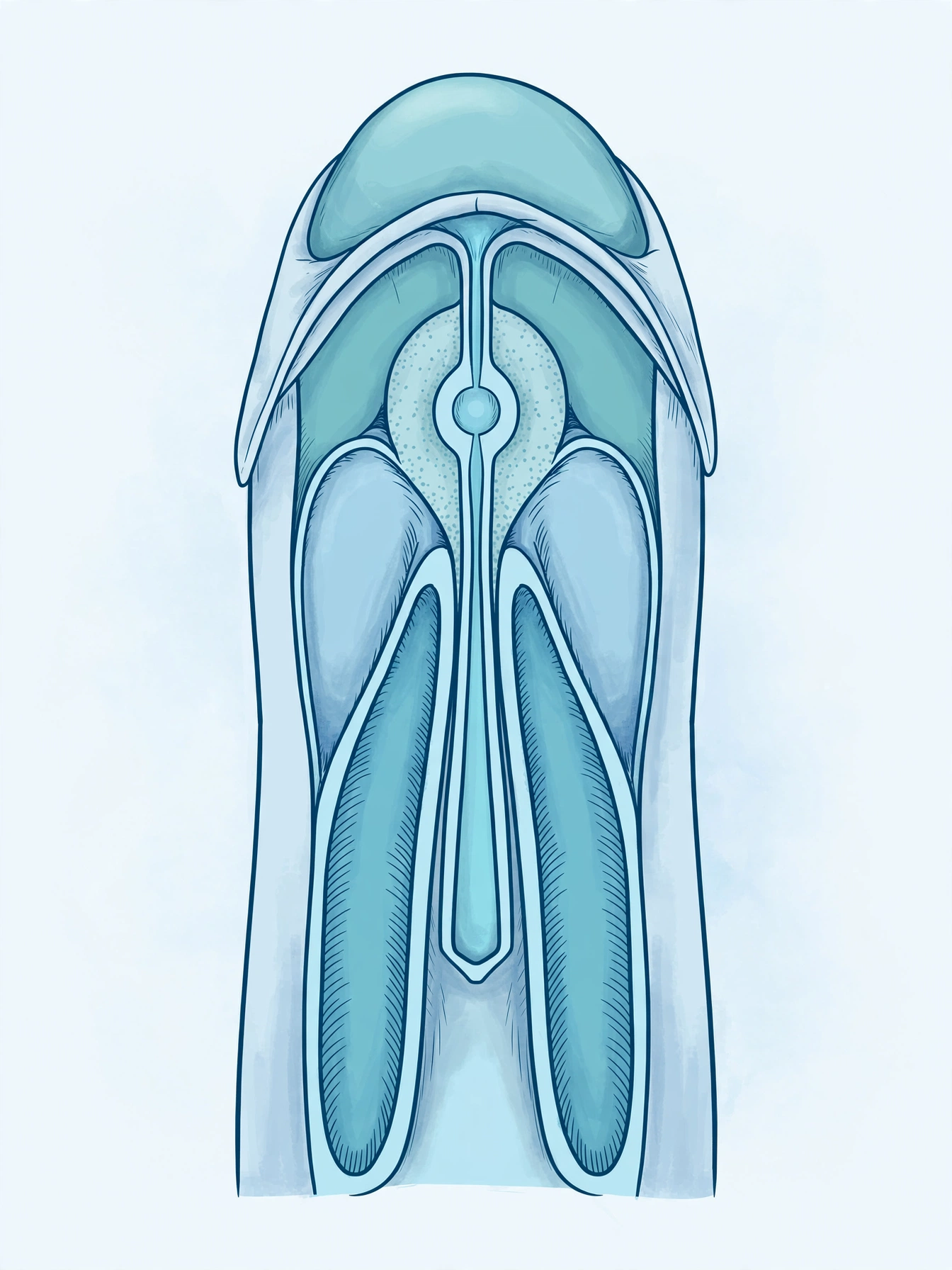
Balanitis is inflammation of the glans, the rounded head of the penis. When the inflammation also involves the foreskin, doctors call it balanoposthitis. The terms are often used interchangeably in practice. It is a common condition, estimated to affect somewhere between 3 and 11 percent of males at some point in their lives, and it occurs most often in people who are uncircumcised, because the warm, moist space beneath the foreskin can trap irritants and encourage the growth of microorganisms.
Balanitis is not a sexually transmitted infection (STI) in itself, although an STI can sometimes be the underlying cause. It can affect boys as well as adult men. In most cases it is a surface-level skin problem rather than a deep infection, which is why creams and hygiene changes resolve the majority of episodes. That simplicity is why most balanitis causes treatment is a short course of cream or simple hygiene changes.
Symptoms of Balanitis
The classic signs of balanitis develop on or around the head of the penis and may include:
- Redness, swelling, and soreness of the glans (redness may be less obvious on darker skin tones)
- Itching or a burning sensation
- Pain or stinging when urinating
- A thick, sometimes lumpy discharge from beneath the foreskin
- An unpleasant or unusual smell
- Bleeding or small sores around the foreskin
- Tight, shiny skin on the glans
- Difficulty pulling the foreskin back, or the foreskin sticking
Symptoms range from mild irritation that comes and goes to painful swelling that makes urination difficult. Severity alone does not tell you the cause — a mild-looking case can be a recurring yeast problem, while dramatic swelling can be simple irritation. That is one more reason a proper diagnosis matters. Use the balanitis causes treatment pairings below to understand what your doctor will look for.
What Causes Balanitis?
There is no single cause of balanitis. The inflammation is a reaction, and the reaction can be triggered by infection, irritation, skin disease, or a systemic condition, and each category needs a different balanitis causes treatment approach. The main categories are:
Infections
Candida (yeast) infection is the leading infectious cause. The same fungus behind oral and vaginal thrush, Candida albicans, thrives in warm, moist environments — exactly the conditions under the foreskin, especially when blood sugar is elevated. Unprotected sex with a partner who has a yeast infection can also introduce it. If yeast problems are a recurring theme in your household, our guide to recurrent yeast infections and their causes explains the broader pattern.
Bacterial infection is another common trigger. Bacteria multiply quickly in trapped moisture, sweat, and dead skin cells under the foreskin, particularly when hygiene is poor or the foreskin is tight.
Sexually transmitted infections — including herpes simplex virus, chlamydia, syphilis, and gonorrhoea — can present as balanitis, which is why doctors routinely consider STI testing when the picture is unclear.
Irritants and contact reactions
Everyday products can inflame the sensitive skin of the glans: scented soaps, shower gels, bubble baths, perfumed wipes, latex condoms, spermicides, lubricants, and even laundry detergent residue on underwear. Both extremes of washing cause trouble — infrequent washing lets debris accumulate, while over-frequent washing with harsh alkaline soap strips the skin’s natural protection and makes inflammation worse.
Skin conditions
Eczema, psoriasis, and lichen planus can all affect the glans and foreskin, producing balanitis-type inflammation without any infection at all. These cases need different treatment (usually anti-inflammatory rather than antimicrobial), which is another reason the cause must be identified. Psoriasis in intimate areas has its own challenges — see our article on psoriasis and your sex life for practical guidance.
Systemic and anatomical factors
Diabetes is one of the most important underlying causes, and the most commonly missed. High blood sugar means sugar in the urine, and sugar residue under the foreskin feeds yeast aggressively. Recurrent balanitis is sometimes the very first sign of undiagnosed diabetes — more on this below.
Phimosis (a foreskin too tight to retract) traps moisture and debris and makes cleaning difficult, creating a cycle of irritation and infection. Obesity, urinary catheters, and anything that keeps the area damp for long periods raise the risk as well.
Types of Balanitis
Doctors recognize several distinct patterns, each with its own behavior:
- Zoon’s balanitis: a chronic, usually painless inflammation of the glans and inner foreskin, most often seen in middle-aged and older uncircumcised men. It tends to persist rather than flare and clear.
- Circinate balanitis: small, painless, ring-shaped lesions on the glans, often associated with reactive arthritis. The penile lesions are usually the least of the patient’s worries — the joint symptoms dominate.
- Pseudoepitheliomatous keratotic and micaceous balanitis: a rare form producing scaly, wart-like growths on the glans. Because it can resemble early penile cancer, it always needs specialist assessment and often a biopsy.
- Lichen sclerosus (balanitis xerotica obliterans): a chronic inflammatory skin condition causing whitish, thickened, scarred patches on the glans and foreskin. Unlike simple balanitis, it can cause progressive scarring that tightens the foreskin and narrows the urinary opening. It needs long-term management with potent topical steroids under specialist supervision, not a short course of antifungal cream.
The practical takeaway: if your “balanitis” produces white scarred patches, keeps scarring the foreskin tighter, or simply never fully clears, ask your doctor specifically about lichen sclerosus. It is the type most often mismanaged as ordinary balanitis.
Balanitis Causes, Treatment, and Diagnosis: A Cause-Based Guide
Effective treatment starts with an accurate diagnosis. At an appointment, the doctor will examine the area and ask about hygiene habits, products you use, sexual history, and conditions such as diabetes. Tests may include a swab of the glans to identify infection, a urine or blood test to check blood sugar, and — rarely, when the diagnosis is uncertain or lesions look unusual — a small skin biopsy. According to NHS guidance on balanitis, most cases are diagnosed by examination alone, with tests reserved for severe, unclear, or recurring cases.
Treatment is then matched to the cause:
- Candidal (yeast) balanitis: topical antifungal cream is the usual first step; persistent or severe cases may need oral antifungal medication, and sometimes a combination of both. Partners with vaginal thrush should be treated too, or reinfection is likely.
- Bacterial balanitis: topical or oral antibiotics, depending on severity, alongside improved hygiene.
- Irritant or allergic balanitis: the priority is removing the trigger — switching to water-only washing or a soap-free emollient, changing condom type, dropping scented products — with a mild topical steroid to calm the inflammation while the skin recovers.
- Skin-condition balanitis (eczema, psoriasis, lichen planus): anti-inflammatory treatment aimed at the underlying skin disease, coordinated with a dermatologist when needed.
- Lichen sclerosus: potent topical steroids for sustained periods under specialist follow-up, with monitoring for scarring and urinary narrowing.
- STI-related balanitis: treatment of the underlying STI, plus partner testing and treatment.
When balanitis keeps returning despite correct treatment, or when a tight foreskin makes hygiene impossible, doctors may discuss circumcision — not as a first resort, but as a reliable preventive measure for genuinely recurrent disease. It is a personal decision with lasting implications; our article on how circumcision affects sexual function walks through the evidence to help inform that conversation with your doctor.
What to expect: straightforward infectious or irritant balanitis usually starts improving within a few days of correct treatment and resolves within one to two weeks. If there is no clear improvement after a week of the prescribed treatment, go back — it usually means the cause was misidentified, not that you need a stronger cream of the same type.
The Diabetes Connection: When Recurrent Balanitis Is a Warning Sign
Here is the pattern doctors watch for: a man develops balanitis, treats it, and it returns — again and again, sometimes within weeks. Each episode looks like a yeast infection because it usually is one. But the reason the yeast keeps winning is that elevated blood sugar is constantly restocking its food supply. Sugar in the urine leaves a sugary residue under the foreskin, and Candida multiplies far faster in that environment. That is why diabetes-related balanitis causes treatment must include blood-sugar control, not just antifungal cream.
Recurrent balanitis is, in fact, one of the recognized presenting symptoms of undiagnosed type 2 diabetes in men. If you have had three or more episodes in a year, ask your doctor for a blood sugar check (typically an HbA1c test, sometimes a urine glucose test). Until blood sugar is brought under control, antifungal creams tend to produce only temporary relief — the recurrence risk stays very high. Once diabetes is managed, the cycle usually breaks.
Men with known diabetes should treat balanitis as a signal to review their glucose control, not just a skin problem. Keeping the area clean and dry matters doubly when blood sugar runs high. Diabetes affects intimate health in several ways — see our guide on diabetes and erectile dysfunction for the wider picture.
Balanitis in Children: What Parents Should Know
Balanitis also occurs in boys, and the rules are different from adult care. Key points parents should know:
- A non-retractable foreskin is normal in young boys. The foreskin is naturally attached to the glans at birth, and full retractability develops gradually — roughly half of boys by age 10 and nearly all by the late teens. A tight foreskin in a young child is not a disease and needs no intervention.
- Never forcibly retract a child’s foreskin to clean underneath. Forced retraction causes micro-tears and inflammation — it can cause the very balanitis you are trying to prevent, and in rare cases the retracted foreskin can get stuck behind the glans (paraphimosis), which is an emergency.
- Wash gently with warm water only — no soap, bubble bath, or baby wipes on the area. Change nappies frequently in infants, since trapped urine and stool irritate the skin.
- Mild redness of the foreskin tip is common and often settles with simple avoidance of irritants. More extensive swelling, discharge, or pain when urinating deserves a doctor’s visit.
- Warm salt-water soaks can soothe swelling and discomfort in children; a doctor may suggest a mild barrier or hydrocortisone cream if needed.
- White, scarred tightening of the foreskin in a boy over age three may indicate lichen sclerosus (BXO) and should be assessed by a specialist, as it can require circumcision.
When to See a Doctor
Book an appointment promptly if you notice any of the following — do not try to ride these out:
- Difficulty or inability to urinate, or a foreskin stuck behind the glans
- Fever alongside genital symptoms
- Symptoms that worsen after a few days of treatment, or do not improve within about a week
- Balanitis that keeps returning (three or more episodes in a year)
- White, thickened, or scarred patches on the glans or foreskin
- Sores, lumps, or wart-like growths that do not heal
- Bleeding that does not stop, or severe pain
One longer-term note: research has associated chronic, persistent balanitis with a higher risk of penile cancer. The absolute risk remains low, but it is a genuine reason not to ignore inflammation that never fully resolves. Any persistent lesion deserves medical assessment.
Preventing Balanitis: A Daily Routine That Works
When it comes to balanitis causes treatment, prevention is mostly about consistent, gentle habits rather than aggressive cleaning:
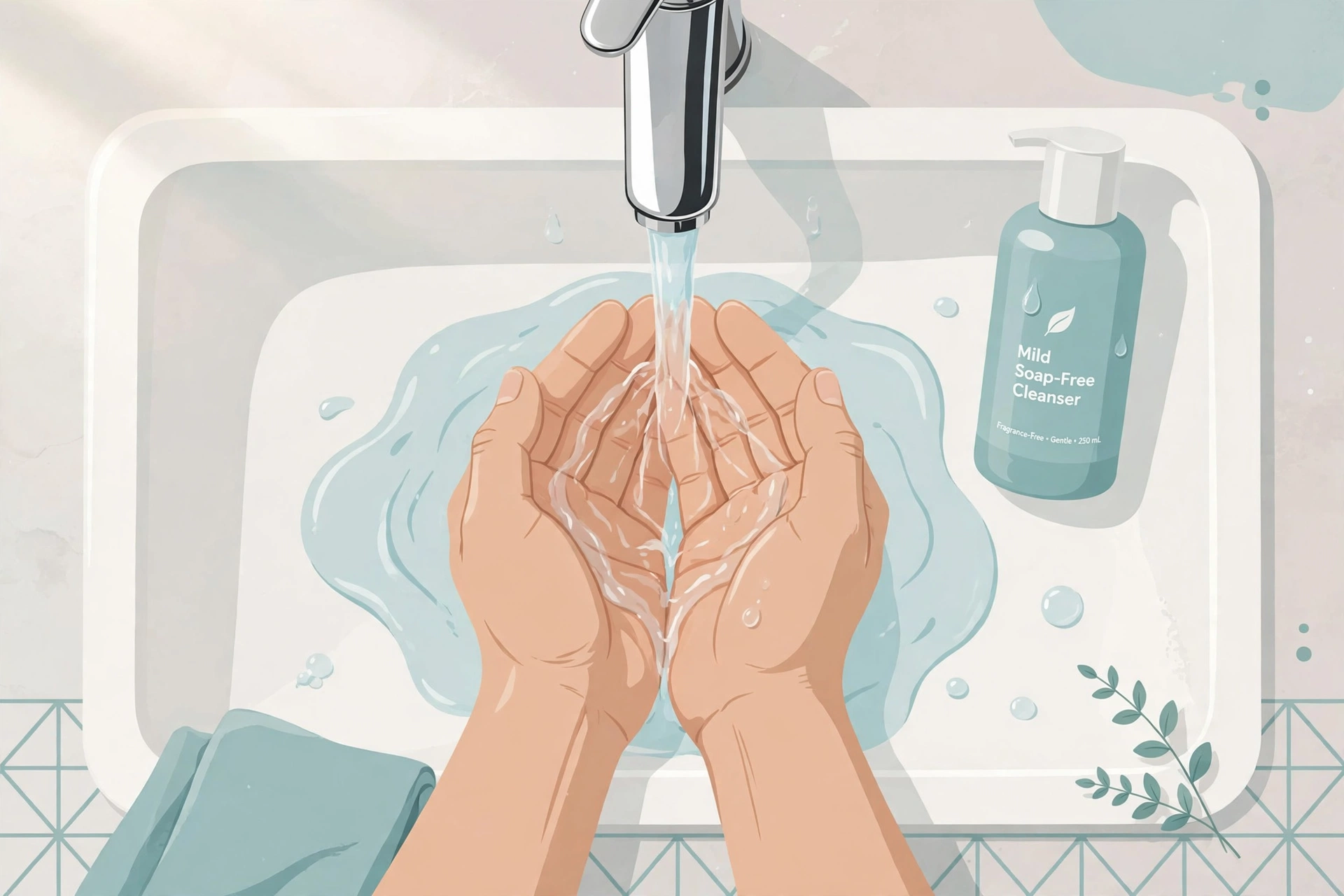
- Wash daily with warm water. Gently retract the foreskin, rinse the glans and inner foreskin, and — critically — dry the area completely before replacing the foreskin. Moisture left behind is the main enemy.
- Skip the soap on the glans, or use only a soap-free emollient cleanser, rinsed off fully. Harsh soaps and over-washing damage the skin barrier.
- Dry under the foreskin after urinating when practical, and wash after sexual activity.
- Choose sensitive-skin condoms if latex or lubricated condoms seem to trigger irritation, and avoid spermicides and scented products if you react to them.
- Wash your hands before touching the area.
- Manage blood sugar if you have diabetes, and get screened if balanitis recurs.
- Wear breathable underwear and change out of damp clothing promptly.
Frequently Asked Questions
Is balanitis a sexually transmitted infection? Can I pass it to my partner?
Balanitis itself is not an STI and cannot be transmitted as a condition. However, the underlying cause sometimes can be — for example, if an STI or a yeast infection is driving the inflammation, a partner may need testing or treatment too. Using condoms until the cause is clarified is sensible.
How long does balanitis take to clear up?
With the correct treatment for the actual cause, most cases start improving within a few days and resolve within one to two weeks. Irritant cases often settle quickly once the trigger is removed. If nothing has improved after about a week of prescribed treatment, return to your doctor — the cause was probably misidentified.
Why does my balanitis keep coming back?
The most common reasons for recurrence are: the wrong cause was treated (e.g., antifungal cream for soap irritation), the trigger is still present (the same soap, condom, or untreated partner), an underlying skin condition such as lichen sclerosus was missed, or undiagnosed diabetes is feeding repeated yeast infections. Recurrence is a reason for investigation, not just another round of the same cream.
Should I be tested for diabetes if I keep getting balanitis?
Yes — recurrent balanitis, especially yeast-type episodes, is a recognized reason to check blood sugar. Ask your doctor about an HbA1c or urine glucose test. Many men discover previously unknown diabetes this way, and controlling it usually breaks the cycle.
Does balanitis mean I need to be circumcised?
Not usually. Circumcision is considered only when balanitis recurs repeatedly despite correct treatment, or when a tight foreskin (phimosis) makes hygiene impossible. Most single or occasional episodes resolve without any surgery.
Can I treat balanitis at home?
Gentle hygiene measures — warm-water washing, thorough drying, avoiding irritants — are safe home steps and sometimes enough for mild irritation. But you should still see a doctor for a first episode, since home treatment cannot identify the cause, and using the wrong cream (for example, a steroid on an infection) can make things worse.
Can balanitis lead to cancer?
Balanitis does not turn into cancer, but long-standing chronic inflammation has been linked in research to a higher risk of penile cancer, and rare forms like PKMB can mimic early cancer. The message is simple: get persistent or unusual lesions checked rather than worrying about them silently.
This article is for educational purposes only and is not medical advice. Balanitis has many possible causes, and only a qualified healthcare professional who examines you can diagnose your specific condition and recommend appropriate treatment. If you have symptoms, see your doctor or a sexual health clinic promptly.