Genital Warts: Causes, Treatment, and Prevention
Finding an unfamiliar bump in the genital area can be frightening. Your mind races: what is it, how did it get there, and is it serious? If the bump turns out to be a genital wart, the good news is that this is one of the most common and manageable sexually transmitted conditions in the world, and this genital warts treatment prevention guide covers what causes genital warts, what symptoms look like, which treatments work, and how you can protect yourself and your partner.
What Causes Genital Warts?
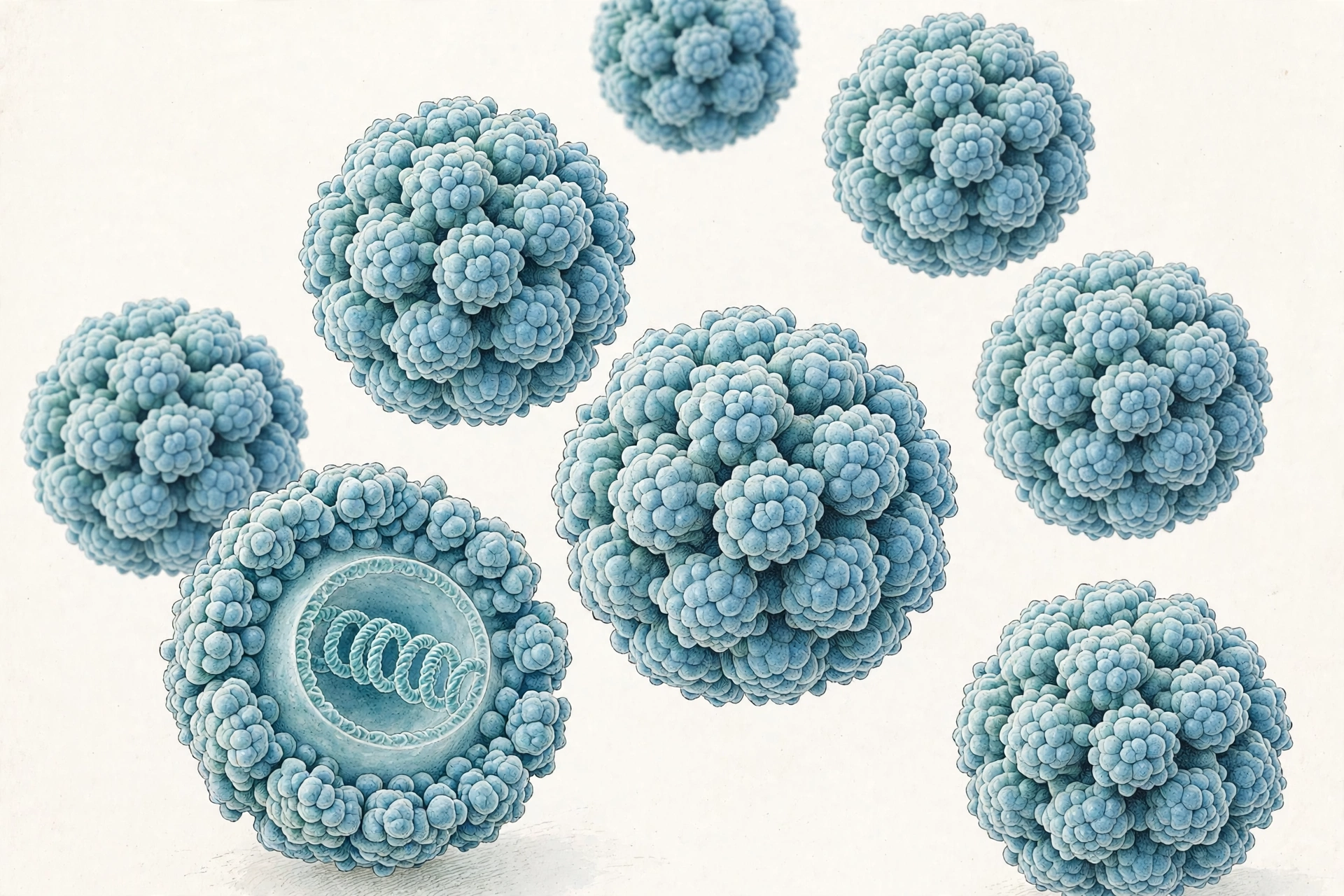
Genital warts are caused by certain strains of the human papillomavirus (HPV). HPV is the most common sexually transmitted infection worldwide — the CDC estimates that nearly all sexually active people will contract some form of HPV at some point in their lives. There are more than 200 known types of HPV, but only a small handful cause genital warts, most commonly types 6 and 11. Understanding how the virus spreads is the foundation of genital warts treatment prevention.
It helps to understand an important distinction: low-risk vs. high-risk HPV. The types that cause genital warts (types 6 and 11) are classified as low-risk because they do not cause cancer. The high-risk types — most notably types 16 and 18 — can lead to cervical, anal, and other cancers but rarely cause visible warts. So while a genital wart diagnosis is distressing, the warts themselves are not precancerous and do not turn into cancer.
HPV spreads through direct skin-to-skin contact, most often during vaginal, anal, or oral sex. It is not carried in semen or vaginal fluids the way some infections are — contact between skin surfaces is what matters. That also means a person can pass on HPV even when they have no visible warts, and someone can develop warts months or even years after exposure. In many people, the immune system clears the virus quietly without any warts ever appearing.
Signs and Symptoms of Genital Warts
Genital warts vary considerably in appearance. They may present as:
- Small, flesh-colored, pink, or brownish bumps in the genital or anal area
- A cluster of bumps with a rough, cauliflower-like surface
- Flat or slightly raised lesions that are barely noticeable
- A single wart or multiple warts grouped together
In women, warts can develop on the vulva, inside or around the vagina, on the cervix, around the anus, or in the groin area. In men, they most often appear on the penis, scrotum, groin, or around the anus. Rarely, warts can develop in the mouth or throat after oral contact with infected skin. Many people have no symptoms at all beyond the bumps themselves, but some experience itching, burning, mild discomfort, or light bleeding during sexual activity.
The incubation period — the time between exposure and visible warts — is typically a few weeks to several months, but it can be much longer. This is why tracing “where it came from” is often impossible and usually unhelpful. Recognizing the signs early is an important part of genital warts treatment prevention, because smaller warts respond to treatment faster.
Genital Warts vs. Other Bumps: When to See a Doctor
Not every bump in the genital area is a wart. Several harmless conditions look similar at first glance:
- Molluscum contagiosum: small, smooth, pearl-like bumps with a dimple in the center
- Fordyce spots: tiny pale spots on the shaft of the penis or labia — completely normal oil glands
- Skin tags: soft, flesh-colored flaps of skin
- Ingrown hairs or folliculitis: red, tender bumps after shaving or hair removal
Because these can be difficult to tell apart without training, a clinician’s diagnosis matters. Most genital warts are diagnosed by visual examination alone. If the diagnosis is uncertain, a doctor may apply a mild vinegar (acetic acid) solution that turns HPV-infected tissue white, take a biopsy of an unusual-looking lesion, or — for women — recommend a Pap test or HPV DNA test to check for high-risk HPV types that need separate follow-up.
See a doctor promptly if you notice any new growth or bump in the genital or anal area, persistent itching or bleeding, a change in your urine stream, or if a sexual partner has been diagnosed with genital warts or HPV. Getting an accurate diagnosis is the first step of any genital warts treatment prevention plan.
Treatment Options for Genital Warts
Here is the key fact about genital warts treatment: there is no cure for the HPV virus itself, but the warts can be removed or cleared effectively, and in many people they resolve on their own as the immune system gets the upper hand. Treatment shortens the outbreak, relieves discomfort, and may reduce the period during which warts are most easily transmitted. Your clinician will recommend an approach based on the size, number, and location of the warts. Sticking to the plan your clinician sets out is central to successful genital warts treatment prevention.
At-Home Prescription Treatments
For smaller or less extensive warts, a doctor may prescribe a treatment you apply yourself over several weeks:
- Imiquimod cream: an immune-response modifier you apply a few nights per week; it helps your own immune system attack the infected cells
- Podophyllotoxin (podofilox) solution or gel: a plant-derived agent that destroys wart tissue, applied in cycles over several weeks
- Sinecatechins ointment: a green-tea-derived treatment used several times daily for up to four months
These medications require patience — visible improvement typically takes weeks, not days — and mild local irritation is common and expected.
Clinic-Based Treatments
Larger warts, widespread clusters, or warts that do not respond to home treatment are usually treated in the clinic:
- Cryotherapy: freezing the warts with liquid nitrogen, causing a blister to form under the lesion so it lifts off; often repeated over several sessions
- Trichloroacetic acid (TCA): a chemical cauterization applied directly to warts by the clinician
- Electrocautery: removing warts with an electric current under local anesthetic
- Surgical excision: cutting away warts under local anesthesia, typically reserved for large or stubborn lesions
- Laser therapy: focused light to destroy wart tissue, useful for difficult-to-reach or extensive warts
A clinician may combine methods, and most people need more than one session. Expect mild soreness or irritation for a few days afterward — this is normal.
What NOT to Do
Do not use over-the-counter wart removers designed for hands or feet (salicylic acid products) on genital skin — the genital area is far more sensitive, and these products can cause painful burns and scarring. Home remedies such as apple cider vinegar, tea tree oil, or garlic lack reliable evidence and can damage delicate tissue. Shaving over warts can spread them to nearby skin. If in doubt, see a clinician rather than experimenting at home — unproven remedies have no place in a sound genital warts treatment prevention approach.
Why Warts Can Come Back: Recurrence and Immune Clearance
One of the most frustrating facts about genital warts is that they can return after treatment. Studies suggest roughly 20–30% of people experience recurrence within months of clearing their warts. This happens because treatment removes the visible warts but the HPV virus can remain in the surrounding skin in a latent state.
Over time, a healthy immune system usually wins: most HPV infections — including the wart-causing types — are cleared by the body within one to two years. Factors that weaken immunity can make clearance harder, including smoking, chronic stress, HIV, and immunosuppressive medications (such as those taken after organ transplant). Quitting smoking is one of the most impactful steps a person can take, as smoking is linked both to persistent HPV infection and to higher rates of recurrence. Major medical authorities, including Mayo Clinic, emphasize that while there is no cure for the virus itself, all major treatment guidelines focus on removing visible warts and monitoring for recurrence.
If warts keep returning, talk to your doctor about trying a different treatment approach rather than repeating one that is not working. Recurrence does not mean the condition is untreatable — it is a known part of how HPV behaves. Consistent follow-up care is a simple but important part of long-term genital warts treatment prevention.
Genital Warts Treatment Prevention Essentials
A consistent genital warts treatment prevention plan centers on reducing HPV exposure and supporting your immune system:
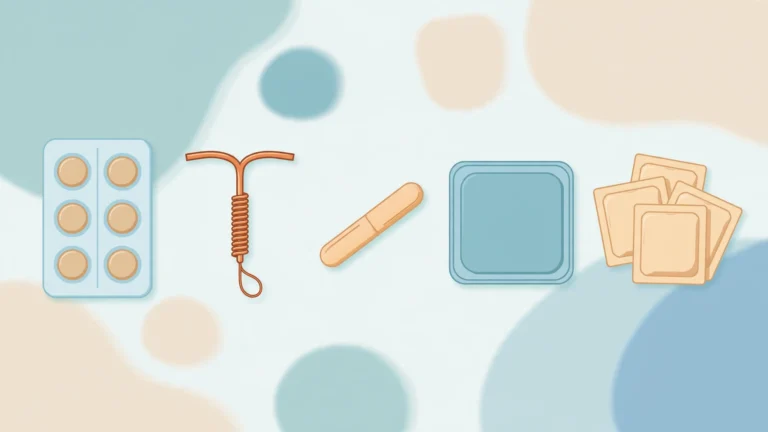
- Get the HPV vaccine. The Gardasil 9 vaccine protects against the two main wart-causing HPV types (6 and 11) plus the seven high-risk cancer-causing types. It is most effective before sexual activity begins (routinely given at ages 11–12), but catch-up vaccination is recommended through age 26 and can be given up to age 45 based on a doctor’s advice. For the full breakdown of who benefits, see our HPV vaccine guide. Note that the vaccine prevents new infections — it does not treat existing warts or clear an existing infection.
- Use condoms consistently. Condoms lower HPV transmission, but because HPV spreads through skin-to-skin contact, they cannot fully prevent it — infection can occur on uncovered areas.
- Limit the number of sexual partners and consider STI testing with new partners.
- Keep your immune system strong with sleep, balanced nutrition, regular exercise, and not smoking.
- Do not have sex while warts are being treated until they have fully cleared, to reduce transmission to your partner.
For broader prevention context, dental dams reduce risk during oral sex — learn more in our article on oral sex and STI risks.
Living With the Diagnosis: Stigma, Partners, and Intimacy
A genital warts diagnosis can trigger shame, anxiety, and fear of judgment — but it is worth remembering how common HPV is. Most sexually active adults encounter HPV, and a diagnosis says nothing about anyone’s character or hygiene. What matters is handling it responsibly. Open, judgment-free communication is one of the most underrated parts of genital warts treatment prevention within a relationship.
Tell your partner(s). Current and recent partners should know so they can watch for symptoms and get checked themselves. Choose a calm, private moment, state the facts plainly, and share what you are doing about it. Our guide on how to talk to your partner about STI testing offers a step-by-step approach to these conversations.
Pause sexual activity during treatment. Avoid vaginal, anal, and oral sex until the warts have cleared and your clinician says it is safe — skin contact with warts is the main route of transmission. After treatment, consistent condom use and open communication remain good habits.
If anxiety or low mood around the diagnosis persists, consider speaking with a counselor or therapist. The emotional side of an STI diagnosis is real, and support helps.

Frequently Asked Questions
Can genital warts be cured permanently?
The warts themselves can be removed or can resolve, but there is no medication that eradicates HPV from the body. The good news is that the immune system clears most HPV infections on its own within one to two years, and many people never have another outbreak after treatment.
Do genital warts turn into cancer?
No. Genital warts are caused by low-risk HPV types (usually 6 and 11), which do not cause cancer. However, a person can carry both wart-causing and high-risk HPV types, which is why clinicians may still recommend Pap tests or HPV screening as part of routine care.
How long do genital warts last without treatment?
It varies widely. Some warts clear on their own within months as the immune system responds; others persist, grow, or multiply. Treatment usually resolves outbreaks faster and reduces the chance of passing them to a partner, so most clinicians recommend treating rather than waiting.
Can I spread HPV if I have no visible warts?
Yes. HPV can be transmitted through skin-to-skin contact even when no warts are visible, and even after warts have been successfully treated, since the virus may remain in the surrounding skin. Consistent condom use and vaccination remain the cornerstones of genital warts treatment prevention even when no warts are visible.
Should my partner be treated too?
Partners should be examined by a clinician, but treatment is only given for visible warts — there is no treatment for HPV infection without symptoms. Both partners should follow the same prevention steps going forward.
Does the HPV vaccine help if I already have genital warts?
The vaccine does not treat existing warts or clear a current infection, but vaccination is still worthwhile: it protects against the HPV types you have not yet encountered, including the high-risk cancer-causing strains. Talk to your doctor about whether vaccination is right for you.
Can genital warts affect pregnancy?
Generally, genital warts do not harm the baby, but they can grow or bleed during pregnancy due to hormonal changes. Tell your doctor if you are pregnant or planning to be, because some wart treatments are not safe in pregnancy. Transmission to the baby during vaginal delivery is very rare.
The Bottom Line
Genital warts are a common, treatable consequence of a very common virus. A combination of prompt medical care, the right genital warts treatment prevention plan for your situation, vaccination, and honest communication with partners keeps the condition manageable — and keeps it in perspective. If you notice anything unusual, do not self-treat: see a clinician, get a proper diagnosis, and follow a plan that fits you.
This article is for educational purposes only and is not medical advice. If you have symptoms or concerns about genital warts or HPV, please consult a qualified healthcare professional for diagnosis and treatment.