Recurrent Yeast Infections: Why They Return and How to Stop Them
A single yeast infection is miserable enough. When it keeps coming back, it stops feeling like a minor nuisance and starts feeling like a pattern you cannot escape. If you are searching for the real recurrent yeast infections causes, the honest answer is that there is rarely one cause — usually a combination of triggers keeps tipping the same balance toward yeast overgrowth. Understanding that combination is what finally lets you and your doctor break the cycle.
Vaginal yeast infections, known medically as vulvovaginal candidiasis, are among the most common reasons women visit a gynecologist — around three in four experience at least one episode. A much smaller group, roughly 5 to 8 percent, develops the recurrent form: four or more confirmed episodes within twelve months. Below is the full picture of recurrent yeast infections causes, what a proper workup involves, and what doctors recommend.
What Counts as “Recurrent”?
Doctors use a specific definition: recurrent vulvovaginal candidiasis means four or more yeast infection episodes in one year, confirmed by examination or lab testing. Related is persistent infection, in which symptoms never fully clear between episodes — usually a sign the first treatment never finished the job. Many women who believe they have ten infections a year actually have one incompletely treated infection plus several misdiagnosed episodes, which is why proper testing is the foundation of everything.
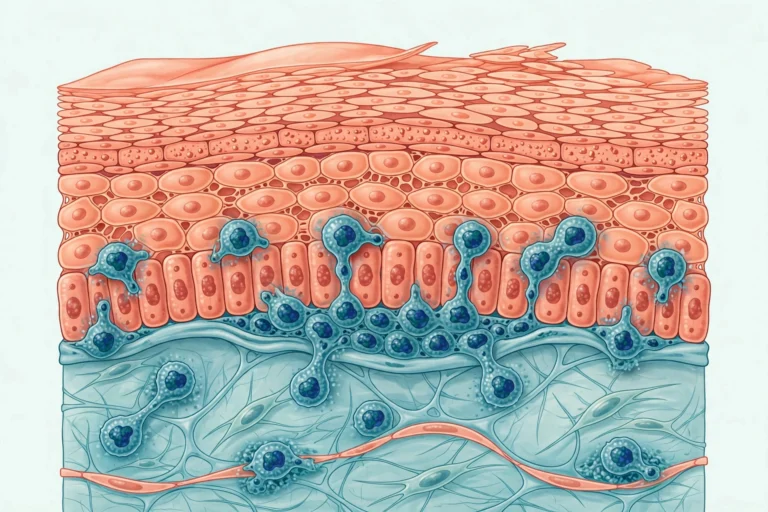
The organism behind most cases is Candida albicans, a yeast that lives harmlessly in the vagina, mouth, and digestive tract of most people. A growing share of recurrent cases involves non-albicans species such as Candida glabrata and Candida tropicalis, which often respond poorly to standard antifungals — a key reason some infections “never respond to treatment.” Pinpointing which recurrent yeast infections causes apply to you starts with identifying the exact species involved.
Recurrent Yeast Infections Causes: The Full List
When clinicians hunt for recurrent yeast infections causes, they work through a checklist of factors known to disturb the vaginal ecosystem. Any one can trigger an episode; two or three together usually create the recurring pattern. Most women find their recurrent yeast infections causes fall into two or three of these categories at once.
Antibiotics and wiped-out protective flora
The most common reversible trigger is antibiotic use. Antibiotics kill the protective Lactobacillus bacteria that keep vaginal pH low, but not yeast — leaving a vacant ecosystem Candida rapidly colonizes. Risk climbs with longer and repeated courses. If infections reliably start within days of finishing an antibiotic, discuss preventive strategies with your prescriber before the next course. That is why antibiotics rank among the most frequently confirmed recurrent yeast infections causes.
High blood sugar and diabetes
Elevated blood sugar raises glucose in vaginal secretions, giving yeast a richer food supply, and helps Candida adhere more strongly to vaginal cells. Women with poorly controlled diabetes get more frequent, more stubborn infections — and occasionally recurrent infections lead to a first diabetes diagnosis. Guidelines suggest checking blood sugar in patients with unexplained recurrences. For that reason, elevated blood sugar is one of the metabolic recurrent yeast infections causes doctors screen for first.
Hormonal triggers: estrogen, contraception, and pregnancy
Estrogen directly feeds the problem: higher estrogen increases the glycogen stored in vaginal cells — Candida’s preferred fuel — while shifting the local environment toward fungal growth. That explains familiar patterns: infections flaring in the week before a period, during pregnancy, or after starting combined oral contraceptives or hormone therapy. Estrogen-driven recurrent yeast infections causes tend to follow a cyclical pattern, which makes them easier to recognize once you know what to track.
A weakened immune system
Anything that suppresses immune defenses can let Candida overgrow: long-term corticosteroid use, chemotherapy, organ transplantation, poorly controlled HIV, and autoimmune conditions with immune dysregulation. When recurrent infections appear alongside frequent unrelated infections or unexplained fatigue, doctors consider a broader immune evaluation. Immune-related recurrent yeast infections causes are less common, but they deserve attention when infections coincide with other health changes.
Drug-resistant and non-albicans Candida strains
Not every recurrence is a new infection — sometimes the original strain was never fully eliminated because it tolerates the standard antifungal. Candida glabrata in particular shows high rates of reduced susceptibility to common azoles and often needs a different approach. When infections keep returning despite correct treatment, a fungal culture identifying the exact species is one of the highest-value steps in the workup. Resistant strains are increasingly recognized recurrent yeast infections causes in women whose episodes persist despite correct treatment.
Incomplete treatment or self-misdiagnosis
Over-the-counter antifungals work for straightforward first-time infections — but only when the full course is completed and the diagnosis is correct. Studies of women who self-diagnose have repeatedly found that a large share actually have bacterial vaginosis, contact dermatitis, or another condition. Treating a non-yeast problem with antifungals guarantees a “recurrence,” because the real problem was never addressed. In studies, misdiagnosis tops the list of apparent recurrent yeast infections causes that turn out not to involve yeast at all.
Sexual activity and partner transmission
Yeast infections are not classified as sexually transmitted infections, but sexual activity can participate in the recurrence cycle. Semen is alkaline and temporarily raises vaginal pH, friction can cause micro-irritation, and Candida can pass between partners. Couples who notice infections following intercourse should discuss the partner angle with their doctor. Because of this, partner-related recurrent yeast infections causes are often overlooked, so couples should discuss episode timing with their doctor.
The Hormonal Connection: Why Infections Follow Your Cycle
Among all recurrent yeast infections causes, the hormonal pattern is the one most often missed in routine care — because it requires tracking symptoms against the menstrual cycle. Here is what the evidence shows and what to watch for.
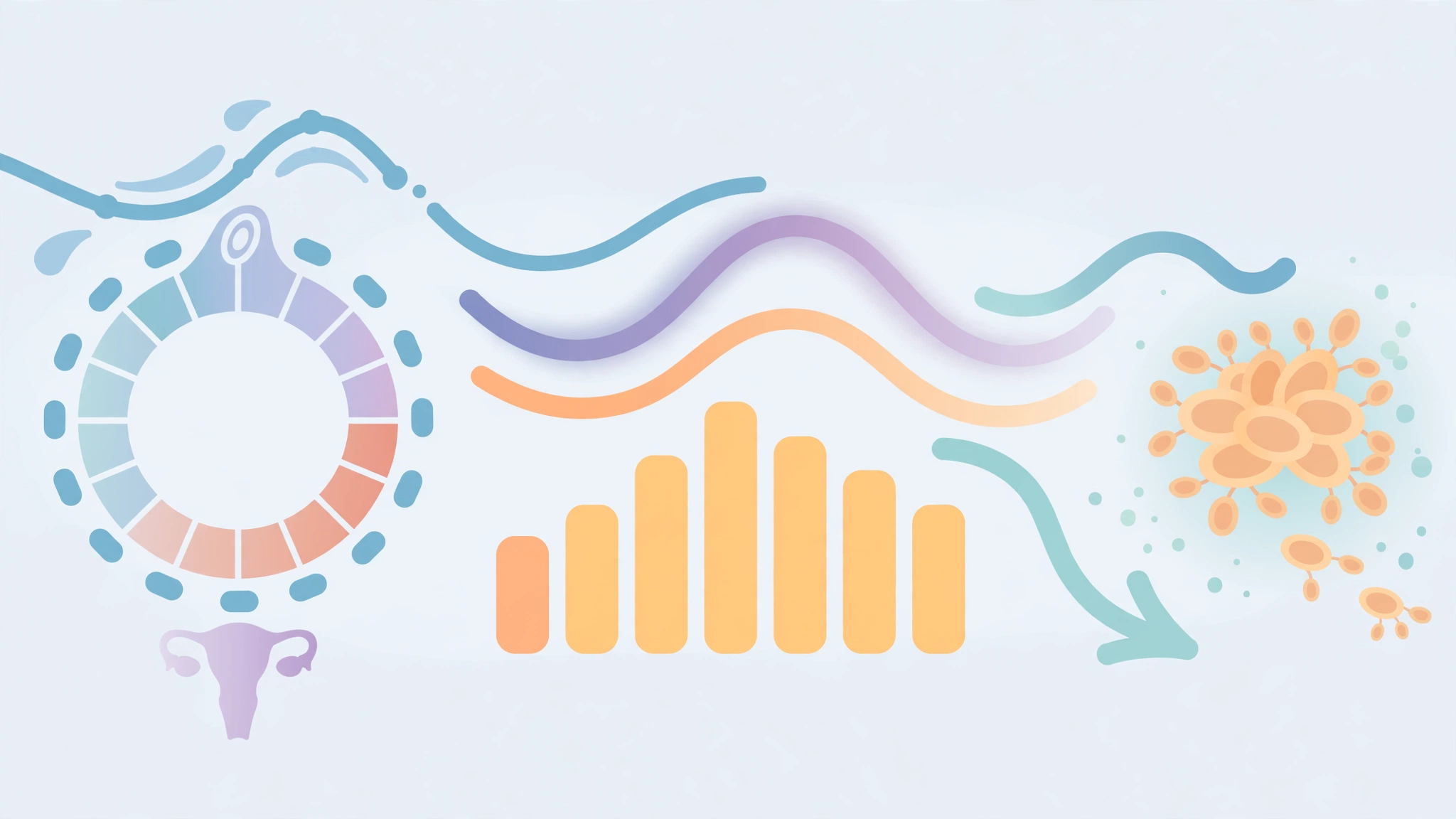
Estrogen peaks in the days before menstruation, and so does glycogen availability for Candida. That is why itching and discharge arrive like clockwork in the premenstrual week for so many women. Menstrual blood itself is alkaline, so peak estrogen followed by alkaline blood is a one-two punch: first the fuel, then the pH shift that weakens bacterial defenses. Charting episodes across three or four cycles often reveals the pattern — and bringing that chart to the appointment changes the treatment plan, because cycle-timed preventive strategies exist.
Polycystic ovary syndrome (PCOS) deserves special attention. The hormonal profile of PCOS — elevated androgens, irregular cycles, and frequently coexisting insulin resistance — creates a persistently disrupted vaginal environment, with studies reporting significantly higher rates of recurrent candidiasis in women with PCOS. If infections arrive alongside irregular periods, acne, or excess hair growth, get a hormonal evaluation. PCOS-related hormonal disruption is one of the under-recognized recurrent yeast infections causes in younger women.
Perimenopause is the other under-recognized window. Erratic, fluctuating estrogen creates repeated openings for Candida during the transition years, and hormone therapy for menopausal symptoms can itself become a trigger — tell your prescriber if recurrent infections start after HRT rather than quietly stopping either treatment.
The choice of contraception matters too. Combined oral contraceptives and other estrogen-containing methods carry a higher association with recurrence than low-dose or non-hormonal options, and some evidence suggests intrauterine devices can promote Candida colonization. Our related guide on how birth control affects sex drive covers the broader hormonal side of contraceptive choices for couples.
Your Partner and Recurrent Yeast Infections: The Couple’s Angle
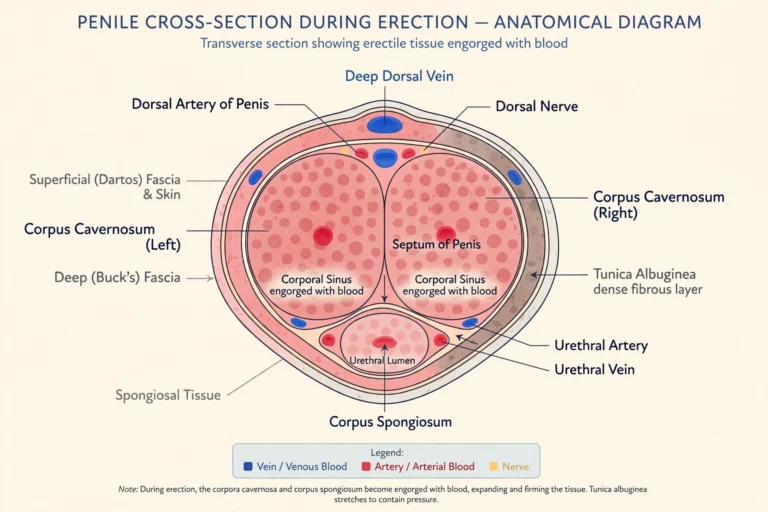
Because this site serves couples as well as clinicians, this section addresses the question partners ask most: is one of us giving it to the other? Candida can colonize a male partner’s genital skin — particularly under the foreskin — without obvious symptoms, creating a silent reservoir. Some men develop balanitis with itching or redness of their own.
Here is what clinical guidance generally says: routine treatment of an asymptomatic male partner is not recommended for a first or occasional infection, because trials have not shown it prevents recurrences. The calculus changes when the pattern is clearly recurrent and episodes cluster after intercourse, or when the partner has symptoms. In those situations, many gynecologists evaluate and treat the partner — a shared reservoir cannot be cleared by treating only one side of it. Both partners should complete prescribed treatment simultaneously and avoid intercourse during active symptoms.
This couple’s perspective is a notable gap in most coverage of recurrent yeast infections causes, which addresses the woman in isolation. In practice, recurrence is often a household problem wearing an individual disguise — and treating only half of the known recurrent yeast infections causes rarely ends the cycle.
What a Proper Workup Looks Like
The third gap in typical online advice is the diagnostic process itself. Most articles say “see your doctor” and stop. Here is what a thorough evaluation involves, so you know what to expect and what to ask for. A structured workup for recurrent yeast infections causes saves months of trial and error.
Step one is confirming that yeast is really the problem. A clinician samples vaginal discharge for a potassium hydroxide (KOH) wet mount — yeast is visible under the microscope within minutes. For recurrent cases, guidelines go further: a fungal culture with species identification, which takes a few days but reveals exactly which Candida species is growing and which antifungals it responds to. This single test decides between “another round of the standard drug” and a targeted plan that works against resistant strains.
Step two is screening for underlying drivers. Expect questions about antibiotic history, contraception, sexual activity, and symptom timing relative to your cycle. Blood work commonly includes glucose or HbA1c to check for diabetes and sometimes ferritin, since iron deficiency has been linked to recurrent candidiasis. The Mayo Clinic’s overview of yeast infection causes is a reliable reference on these risk factors.
Step three is ruling out lookalikes. Several conditions mimic yeast symptoms closely enough to fool self-diagnosis repeatedly:
| Condition | How it differs from a yeast infection | Why it matters |
| Bacterial vaginosis (BV) | Thin grayish discharge with fishy odor; little itching | Antifungals do nothing for BV; it needs different treatment |
| Trichomoniasis | Frothy yellow-green discharge, often with odor | An STI requiring prescription treatment of both partners |
| Contact or irritant dermatitis | Itching and redness without abnormal discharge | Caused by soaps, wipes, or detergents; antifungals cannot fix it |
| Lichen sclerosus | Chronic itching with pale, thinned vulvar skin | A skin condition needing steroid treatment and monitoring |
| Cytolytic vaginosis | Cyclical itching with white discharge, like yeast | An overgrowth of Lactobacillus — the opposite problem |
If your “yeast infections” never show yeast on microscopy or culture, one of these lookalikes is the likely explanation — and each has its own treatment. For readers dealing with other vulvovaginal symptoms, our complete guide to Bartholin cyst symptoms and treatment covers another commonly confused condition.

What Doctors Recommend: Treatment That Actually Breaks the Cycle
Recurrent infections need a different strategy than one-off infections — and this is where medical supervision becomes non-negotiable. Guidelines describe a two-phase approach. First, an induction phase uses a longer course of antifungal therapy than a single infection would, to be certain the current episode is fully cleared. Immediately afterward comes a maintenance phase: a preventive antifungal schedule continued for about six months to suppress regrowth while triggers are addressed. This two-phase strategy is the standard medical answer to recurrent yeast infections causes.
When standard azole antifungals fail or a non-albicans species is identified, doctors have alternatives. Boric acid vaginal capsules, prepared by a compounding pharmacy, are an established option for resistant cases, particularly Candida glabrata. Newer prescription antifungals developed specifically for recurrent disease have also entered practice in recent years. Which option fits depends on the species, pregnancy plans, and medical history — a decision for the exam room.
Equally important is what happens alongside the medication: identifying and modifying the triggers above. A maintenance regimen suppresses yeast, but lasting freedom usually requires also fixing the driver — switching contraception, tightening blood-sugar control, or addressing the partner reservoir. The antifungal wins the battle; removing the cause wins the war.
Daily Habits That Lower Your Risk
Medication handles the infection; habits handle the environment. None of these replace medical treatment, but each removes one of the recurrent yeast infections causes that keeps the cycle going:
- Wear breathable fabrics. Cotton underwear and loose clothing reduce the warm, moist conditions yeast prefers.
- Keep the genital area clean and dry with mild, unscented soap on the outer area only. Never douche — it destroys protective bacterial flora.
- Avoid irritants. Scented soaps, bubble baths, and perfumed wipes can inflame vulvar skin and mimic symptoms.
- Manage blood sugar. If you have diabetes or prediabetes, keeping glucose in target range is one of the most effective recurrence preventers.
- Complete every course. Stopping antifungal treatment because symptoms faded is how partially treated infections become “recurrent” ones.
- Consider probiotics as a complement. Some research suggests specific Lactobacillus strains help restore vaginal flora; discuss options with your doctor.
FAQs
Why do I get a yeast infection right before my period every month?
The premenstrual week combines peak estrogen — which increases the glycogen that Candida feeds on — with hormonal shifts that weaken bacterial defenses, followed by alkaline menstrual blood. This makes the late cycle the highest-risk window. If your episodes follow this pattern, tell your doctor: cycle-timed preventive strategies exist, and tracking three cycles of timing is genuinely useful diagnostic information.
Can my partner give me a yeast infection, or pass it back and forth?
Yeast infections are not classified as STIs, but Candida can be exchanged between partners during sex, and an untreated colonization on a partner’s genital skin can reseed infections. If episodes cluster after intercourse or your partner has itching or redness, both of you should be evaluated — treating only one partner is a classic reason the cycle continues.
Are recurrent yeast infections a sign of diabetes?
They can be. Poorly controlled blood sugar is one of the established recurrent yeast infections causes, and guidelines recommend glucose screening when recurrences are unexplained — occasionally, recurrent infections lead to a first diabetes diagnosis. Most women with recurrent infections do not have diabetes, though, so it is one item on the checklist rather than the default explanation.
Why don’t antifungals work for me anymore?
The most common reasons are a non-albicans Candida species with reduced drug susceptibility (especially Candida glabrata), an incompletely treated original infection, or a misdiagnosis — what you are treating may not be yeast at all. A fungal culture with species identification answers the first question definitively and is the single most useful next step when standard treatment keeps failing.
Can recurrent yeast infections be cured permanently?
Many women achieve long-term freedom from recurrences, but doctors usually speak of control rather than permanent cure, since Candida is a normal resident of the body. The realistic goal is identifying your personal triggers from the known recurrent yeast infections causes, completing a proper induction-plus-maintenance treatment plan, and removing the drivers — after which most women stay symptom-free for years.
Is a yeast infection a sexually transmitted disease?
No. Yeast infections are not classified as STDs because Candida already lives in the body and infections arise from overgrowth, not a new pathogen acquired through sex. That said, sexual activity can trigger episodes through pH changes, friction, and partner exchange of yeast — which is why barrier methods and post-intercourse hygiene are reasonable preventive steps for couples with recurrences.
The bottom line on recurrent yeast infections causes: recurrence is rarely bad luck — usually a detectable combination of triggers, each with a corresponding fix. The women who break the cycle get a confirmed diagnosis, identify their personal triggers, and complete a doctor-supervised plan instead of repeating the same over-the-counter round. Bring a timeline of your episodes to your doctor — it is the most useful thing you can carry into the appointment.
Medical disclaimer: This article is for educational purposes only and is not medical advice. Yeast infection symptoms overlap with other conditions requiring different treatment. Consult a qualified healthcare professional — your gynecologist or primary care doctor — for diagnosis and a treatment plan tailored to you.