Mpox and Sexual Transmission: What Couples Should Know
When the global mpox outbreak began in 2022, coverage described it as spreading mainly through sexual contact — leaving many couples confused about what mpox transmission actually means for them. Is it an STI? Can condoms prevent it? When is intimacy safe again? The answers matter, because the details — how long the virus is contagious, how it spreads during intimacy, when to resume closeness — are what couples most need to get right.
This guide brings together the latest guidance from the CDC and WHO, plus newer research findings that most general articles have not yet covered. The approach is clinical and practical: what the virus is, how it moves between partners, how to protect each other, and how to talk about it without shame — plus a step-by-step plan if one partner may have been exposed.
What Is Mpox? A Quick Clinical Primer
Mpox is caused by the monkeypox virus, a relative of the smallpox virus. Documented for decades in parts of Central and West Africa, it reached new populations in the multi-country outbreak that began in 2022. It typically causes flu-like symptoms followed by a distinctive rash lasting two to four weeks. Most people recover fully with supportive care, but severe disease can occur in newborns, pregnant people, and those with weakened immune systems such as advanced HIV disease. This primer sets the stage for understanding mpox transmission risks and prevention.
How Mpox Transmission Actually Works
Understanding mpox transmission starts with understanding that the virus spreads through close, prolonged contact — and sexual activity brings nearly every such contact together at once. According to the CDC, both clades spread through close or intimate contact with a person who has mpox, including direct skin-to-skin contact with rash or scabs, contact with saliva and bodily fluids, and contact with lesions around the anus, rectum, or vagina.
During intimacy, mpox transmission can occur through:
- Skin-to-skin contact with mpox rash or scabs — the most efficient route. Lesions can appear on the face, hands, genitals, or anal area.
- Contact with bodily fluids — including saliva exchanged during kissing, and genital or rectal secretions during oral, vaginal, or anal sex.
- Respiratory contact at very close range — prolonged face-to-face contact can generate infectious respiratory particles, though spread across a room is not considered a real risk.
- Contaminated objects — bedding, towels, clothing, and sex toys used by an infected person can carry viable virus.
A critical fact couples often miss: a person can spread mpox from the time symptoms start until every lesion has healed completely — all scabs gone, fresh skin formed, internal lesions (mouth, throat, eyes, vagina, anus) healed, usually within two to four weeks. Some people may also be contagious up to four days before symptoms appear — which is why symptom screening alone cannot fully protect a partner.
Is Mpox Considered an STI? The Important Distinction
Technically, mpox is not classified as a sexually transmitted infection — and the distinction shapes how you protect yourselves. Classic STIs spread mainly through genital secretions; mpox spreads through any prolonged close contact, which is why children, household members, and healthcare workers have also been infected non-sexually.
The practical consequence, as infectious disease physicians emphasize about mpox transmission: condoms alone will not prevent mpox transmission. A condom covers only part of the body; the virus can pass through skin-to-skin contact elsewhere, through kissing, or through lesions a partner cannot see — the rash can hide in the mouth, throat, vagina, or anal area. Condoms still reduce exposure and protect against HIV and other STIs, so they remain part of safer sex — but they are not a complete defense against mpox.
Because mpox lesions can closely resemble herpes or syphilis sores, anyone evaluated for mpox should also be tested for STIs. If you notice genital sores, do not self-diagnose — see how doctors tell similar conditions apart in our guide on chlamydia vs gonorrhea symptoms, and get a professional evaluation promptly.

Symptoms Couples Should Watch For
The earliest signs of mpox often do not look like a rash. Common symptoms include: recognizing these early warning signs helps couples respond quickly to possible mpox transmission exposure.
- Fever, headache, and muscle aches — flu-like symptoms appearing 5–21 days after exposure.
- Swollen lymph nodes — a distinguishing feature that helps clinicians tell mpox apart from chickenpox or herpes.
- A distinctive rash — firm, deep-seated lesions that progress through stages (flat, raised, blistered, scabbed), often starting on the face, hands, or genitals. Genital and anal lesions are common in sexual transmission.
If either partner develops unexplained genital sores, fever, or swollen lymph nodes after a new sexual contact, both partners should seek testing. Do not wait — early diagnosis protects both of you and limits onward spread.
Vaccination: The Strongest Protection
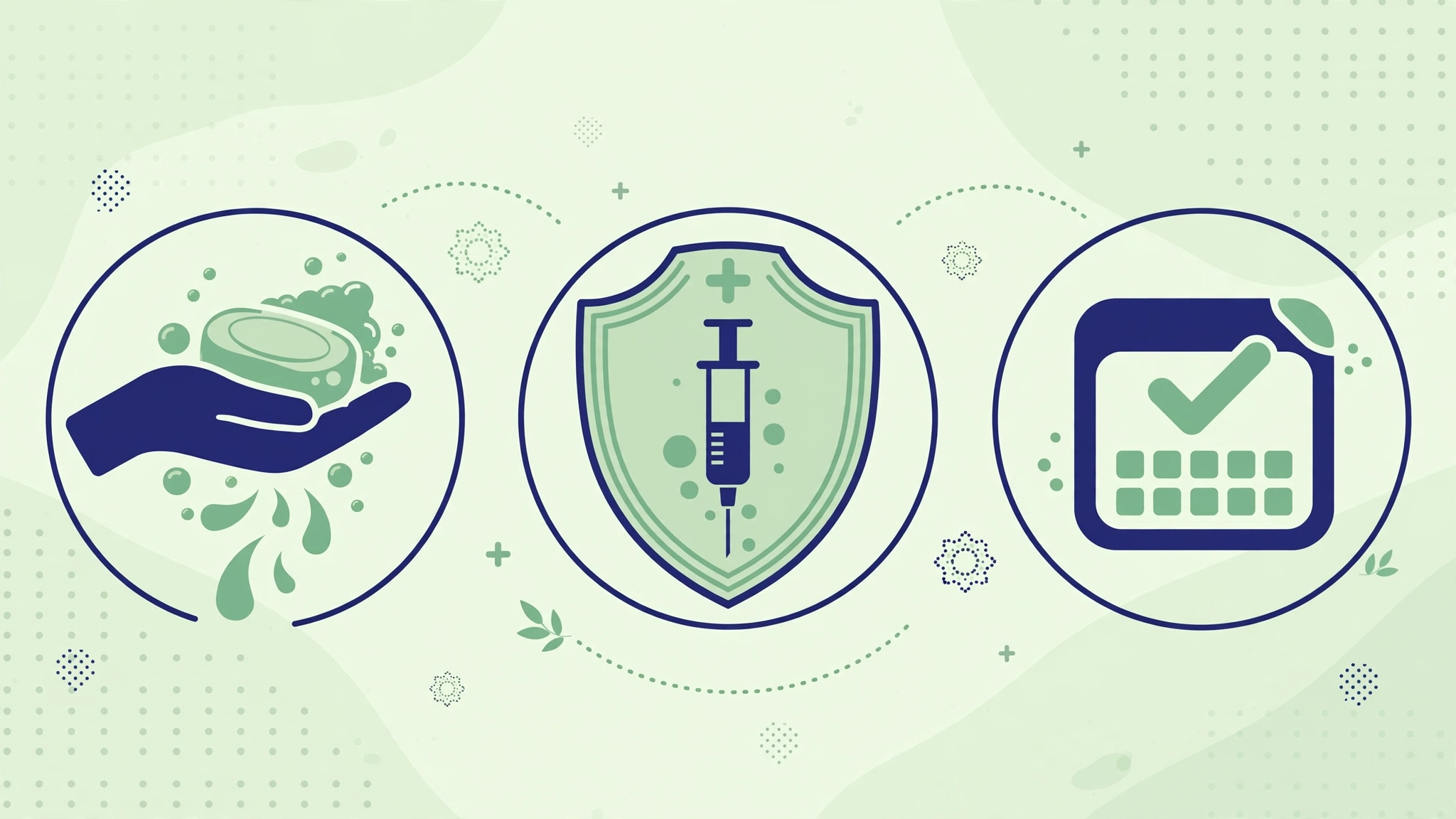
The JYNNEOS vaccine (also called Imvanex or Imvamune) is approved for mpox prevention and is the most effective protection available for people at risk. For couples worried about mpox transmission, it is the single strongest layer of defense against mpox transmission. Key facts for couples:
- Two doses, 28 days apart — full protection develops about two weeks after the second dose.
- Post-exposure protection — vaccination within 4 days of exposure may prevent infection; within 14 days it may reduce severity.
- Who should get it — people with multiple or new sexual partners, sex workers, or anyone whose partner was recently exposed. Ask your local health department about eligibility and availability.
- Protection is not instant — continue other precautions until you are fully vaccinated.
Practical Prevention Steps for Couples
Beyond vaccination, these measures reduce mpox transmission risk during intimacy:
- Check for symptoms together — agree that either partner pauses intimacy and seeks care if rash, sores, fever, or swollen glands appear. Make this a normal part of your relationship, not an accusation.
- Limit new or anonymous partners during outbreaks — fewer partners means fewer exposure opportunities. Public health agencies specifically recommend this during active transmission periods.
- Keep condoms part of the routine — they do not fully block mpox, but they reduce overall sexual exposure and protect against HIV and other STIs.
- Wash hands and clean shared objects — bedding, towels, and sex toys should be washed with hot water and detergent; avoid sharing unwashed linens with someone symptomatic.
- Avoid intimacy entirely if either partner is infected — until every lesion has fully healed. Isolation during the contagious period is the single most effective step.
What To Do If One Partner May Have Been Exposed
If one partner has had close contact with someone who has mpox, or develops suspicious symptoms: acting fast limits mpox transmission within the relationship.
- Pause physical intimacy immediately — no sex, kissing, or prolonged skin contact until cleared.
- Seek vaccination within 4 days if possible — contact your healthcare provider or health department about post-exposure prophylaxis.
- Monitor for symptoms for 21 days — check temperature and skin daily, including the mouth, genitals, and anal area.
- Notify recent partners — anonymous notification services exist in many regions; your health department can help. Honesty here protects everyone.
- Resume intimacy only when cleared — after all lesions healed and a clinician confirms it is safe.
Talking About Mpox Without Shame
Mpox carries stigma because its recent spread involved sexual networks — but the virus itself has no moral dimension. Couples who discuss mpox transmission risk openly fare better: agree on vaccination plans, symptom check-ins, and what you will do if one of you is exposed. Framing these conversations as mutual care rather than suspicion keeps trust intact. If a partner tests positive, focus on care and recovery first; the question of “where did it come from” can wait until after healing.
Frequently Asked Questions
Is mpox an STI?
No — mpox is not officially classified as an STI. It spreads through close, prolonged physical contact, which often happens during sex, but it can also spread through non-sexual skin contact, shared bedding, and respiratory droplets at close range. Keeping this distinction in mind helps couples assess mpox transmission risk without confusing it with classic STIs.
Can condoms prevent mpox?
Not completely. Condoms reduce exposure during sex but cannot block mpox transmission through skin-to-skin contact with lesions elsewhere on the body, kissing, or contact with contaminated bedding. Use them alongside vaccination and symptom awareness.
How long is someone with mpox contagious?
From symptom onset until every lesion has healed completely — scabs fallen off and fresh skin formed, including internal lesions. This usually takes two to four weeks. Some people may be contagious up to four days before symptoms appear.
Should both partners get vaccinated?
If either partner is at elevated risk (new or multiple partners, known exposure), both getting vaccinated is the safest approach. Discuss eligibility with your healthcare provider or local health department.
Can you get mpox twice?
Reinfection appears rare but has been documented. Prior infection or vaccination substantially reduces risk, but continuing precautions during outbreaks remains sensible. Staying up to date on mpox transmission guidance keeps precautions proportionate.
Couples who stay informed about mpox transmission — its symptoms, prevention options, and when to seek care — protect each other best while keeping intimacy and trust intact.
Medical Disclaimer
This article is for informational purposes only and does not constitute medical advice. Mpox guidance evolves as new research emerges. If you or your partner develop symptoms or have had a known exposure, consult a qualified healthcare professional or your local health department promptly. Do not delay seeking care based on information in this article.