Circumcision and Sexual Function: What Research Actually Shows
Weighing circumcision pros and cons? Few questions in men’s health generate as much heat — and as little light — as the effect of circumcision on a man’s sex life. You have probably seen two kinds of claims online: that circumcision ruins sensitivity, or that it changes nothing at all. The honest answer from the research on circumcision sexual function effects is more nuanced than either slogan — and this decision deserves evidence, not ideology. This guide walks through the largest studies ever conducted, explains where the disagreement comes from, and lays out what doctors recommend. If you came here specifically for circumcision sexual function effects, the short version is this: the highest-quality research finds no overall harm — and the details below explain why.
Circumcision Pros and Cons: What the Largest Studies Say
The single most comprehensive answer comes from a systematic review by researchers at the University of Sydney and the University of Washington, published in the Journal of Sexual Medicine: 36 studies covering 40,473 men, each graded by methodological quality (a follow-up extended the pool to 94 studies and 50,000+ men). The finding of the high-quality studies was uniform: no overall adverse effect on sensitivity, arousal, erectile function, premature ejaculation, orgasm, sexual satisfaction, or pain during penetration.
Crucially, not all studies agreed — and the pattern of disagreement is revealing. Impairment in one or more parameters appeared in 10 of the 13 studies the reviewers rated as low quality, which had documented flaws in design, case selection, statistical analysis, or interpretation. In other words, the weaker the study, the more likely it was to report harm. That pattern is a classic signal in medical research, and it explains why the internet debate looks so divided while the scientific reading of circumcision sexual function effects is not.
The strongest evidence comes from randomized controlled trials — the gold standard — conducted in Uganda and Kenya as part of HIV-prevention programs.
- In the Uganda trial (4,456 men), there was no difference in sexual satisfaction or clinically significant sexual function between the two groups at 6, 12, or 24 months.
- In the Kenya trial, 64% of men reported an increase in penile sensitivity after circumcision, and 55% reported greater ease in reaching orgasm — with no rise in premature ejaculation.
- In Zambia’s Spear and Shield project, men reported 42% better sexual pleasure after voluntary medical male circumcision, and their female partners reported pleasure that was 63% better.
When men circumcised as adults are asked directly, the overwhelming majority report satisfaction — in the Kenya trial, 99.9% said they were satisfied with their circumcision at the two-year mark.
Does Circumcision Reduce Penile Sensitivity?
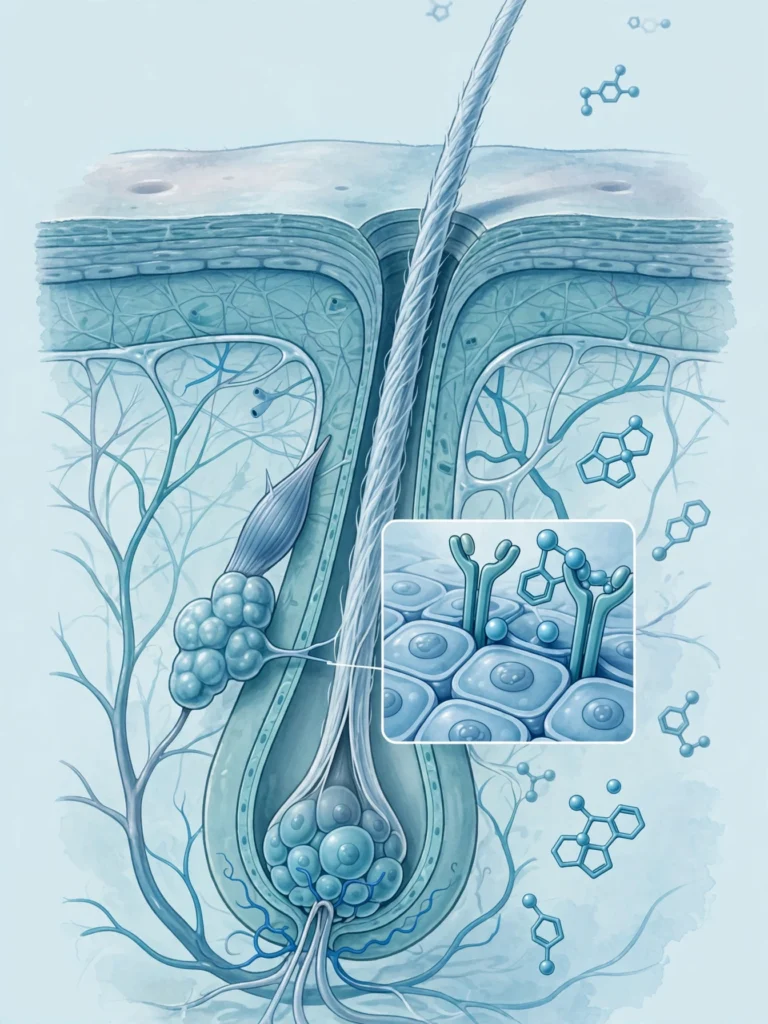
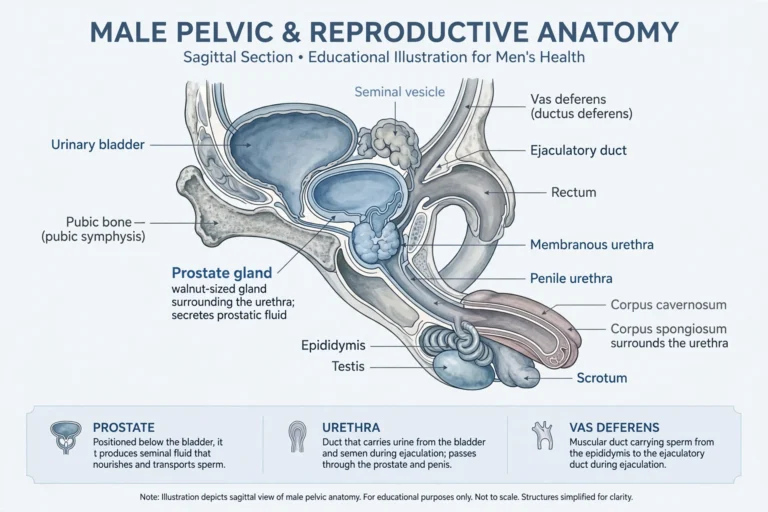
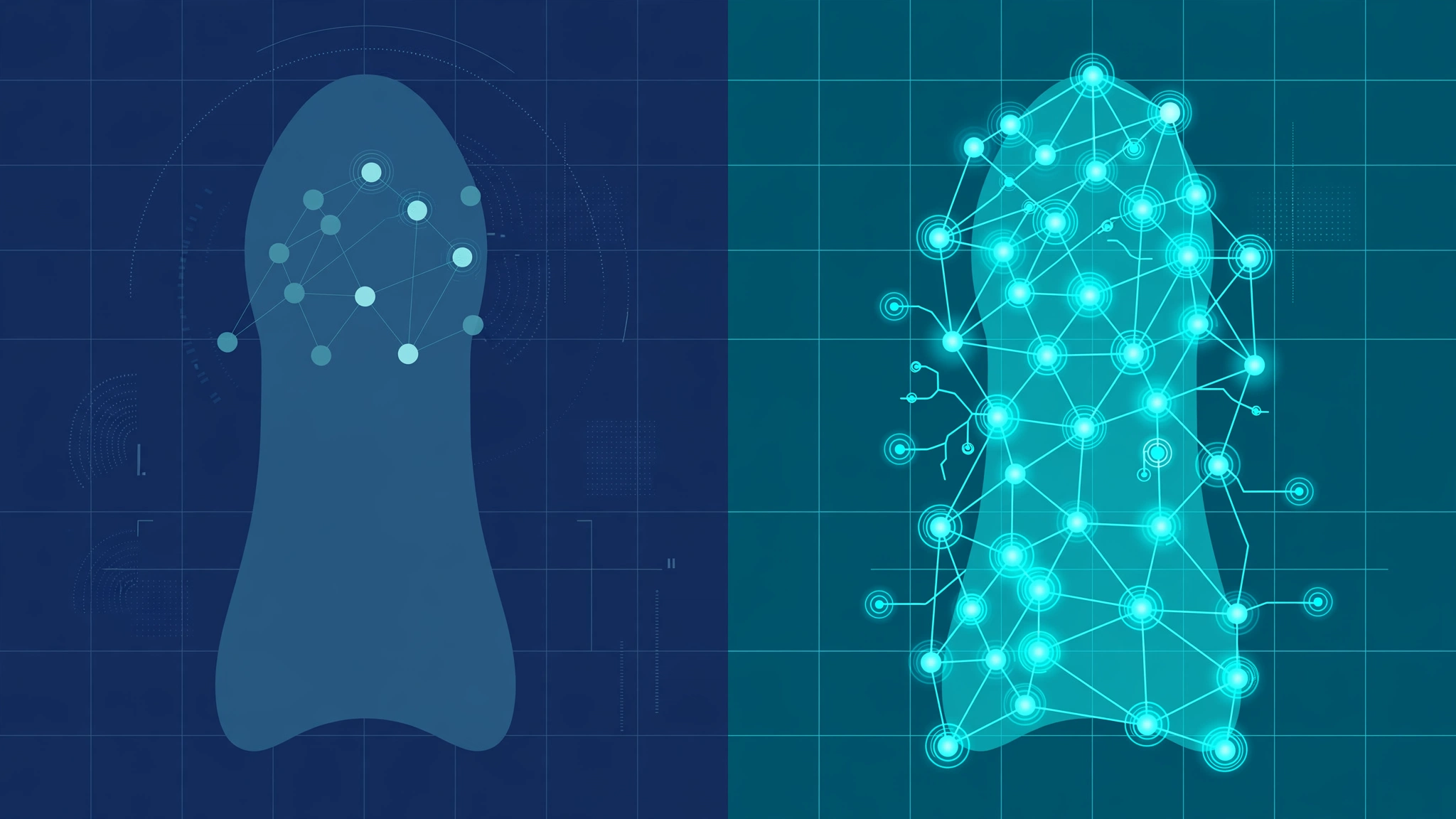
The sensitivity question is where the controversy concentrates, so it deserves a fair hearing. The foreskin does contain touch-sensitive nerve endings — nobody disputes that. What physiology research shows, however, is that the most erotically sensitive areas are the glans (head) and the underside of the shaft near the glans, not the foreskin. That anatomical finding is central to any honest discussion of circumcision sexual function effects.
Direct neurological testing supports this. A U.S. study using quantitative somatosensory tests — measuring nerve-fiber function across the sensitivity spectrum — found no difference in glans sensitivity between 43 uncircumcised and 36 neonatally circumcised men, even after controlling for age, diabetes, hypertension, and erectile function status. Masters and Johnson’s original clinical testing back in 1966 detected no difference either.
Where do the claims of reduced sensitivity come from? The most-cited is a Belgian study (Bronselaer et al., 2013) of 1,369 men recruited via train-station leaflets: uncircumcised men rated glans sensitivity about 0.2 to 0.4 points higher on a 5-point scale — a statistically significant but genuinely small difference in self-ratings, not the dramatic loss sometimes described online.
There is also a real biological adjustment adult-circumcised men should expect. Before circumcision, the glans is a protected surface; afterward it is exposed, and over weeks to months the outer skin can thicken slightly. Some men experience this as a subtle change in how sensation feels, which usually stabilizes. Knowing this adjustment is normal prevents unnecessary worry about long-term circumcision sexual function effects.
Erectile Function After Circumcision
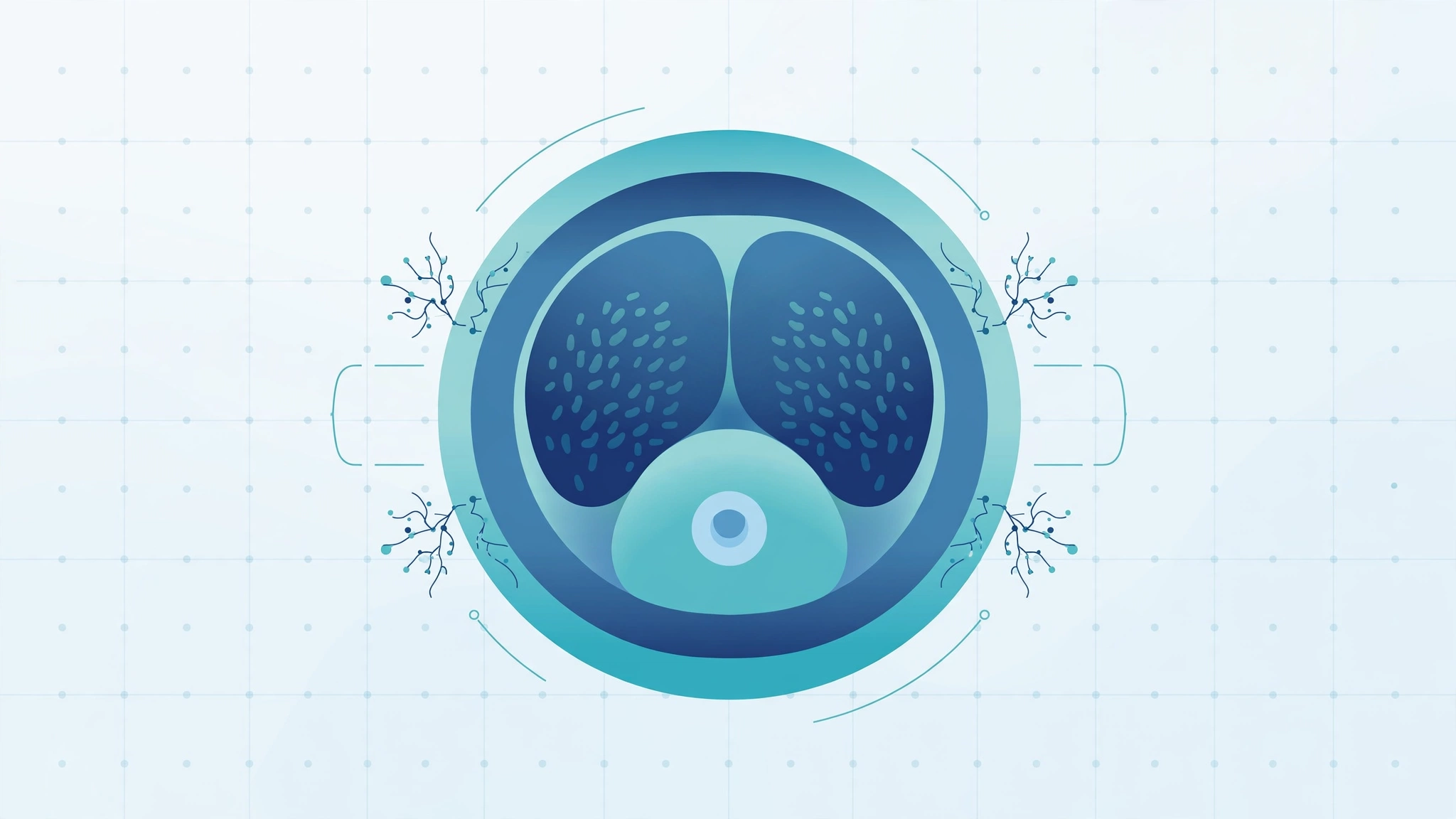
The mechanics of an erection provide the clearest reassurance of all. Achieving and maintaining an erection depends on blood vessels, deeper nerve fibers, and vascular smooth muscle — all sitting far below the superficial tissue removed during circumcision. The procedure does not touch them, which is why none of the randomized trials found any increase in erectile dysfunction. It is one of the clearest findings in the research on circumcision sexual function effects.
A London study of 150 men circumcised for benign disease measured erectile function scores with a validated questionnaire before and after the procedure: the scores were identical. In the same study, 74% reported no change in libido, and 61% said they were pleased with their circumcision.
In practice, if you are a circumcised man experiencing erectile difficulties, your doctor will evaluate you the same as any man — looking at cardiovascular health, medications, hormones, sleep, stress, and relationship factors. Circumcision itself is not considered a cause of erectile dysfunction by urological guidelines. If you notice a persistent change in erections after an adult circumcision, see your urologist rather than assuming the procedure is to blame. For background on distinguishing medical from psychological contributors, our guide on masturbation and erectile dysfunction breaks down the evaluation steps in plain language.
Ejaculation Timing, Orgasm, and the “Last Longer” Claim
One of the most persistent claims is that circumcision helps men last longer. The stopwatch studies — the only kind measuring ejaculation time objectively — tell a precise story. In a landmark study of 500 couples, intravaginal ejaculatory latency was 6.7 minutes in circumcised men versus 6.0 minutes in uncircumcised men — not statistically significant. A repeat study with a blinded timer found 10.3 versus 8.8 minutes — again, no significant difference. Circumcision status does not determine how long intercourse lasts — a key data point in any discussion of circumcision sexual function effects.
Still, some men perceive an improvement. A Turkish study of men circumcised for non-medical reasons found an increase in ejaculatory latency that the men experienced as an advantage. And in the Kenya trial, 55% of men reported greater ease in reaching orgasm. These perception findings likely reflect a mix of mild skin adaptation, removal of prior discomfort, and the confidence that follows a chosen procedure.
On orgasm itself, one anatomical fact is worth knowing: orgasm is primarily a brain event, driven by neuronal activity in the hypothalamus rather than any single patch of skin. A 2023 erogenous-sensation mapping study of 402 men across 10 U.S. medical centers found no significant differences in pleasure ratings or orgasm quality between circumcised and uncircumcised men across twelve mapped penile zones.
What Partners Report: The Forgotten Half of the Evidence
Most articles on circumcision pros and cons focus exclusively on the man and ignore the person sharing the bed with him — a genuine gap worth closing. The partner data that exists deserves an honest presentation, including where it disagrees.
On the positive side, a systematic review of 29 studies across cultures (Morris et al., Sexual Medicine, 2019) found that in the overwhelming majority, women preferred circumcised partners, citing better appearance, hygiene, reduced infection risk, and enhanced enjoyment. The Zambia trial found female partners reporting substantially better sexual pleasure after their partner’s circumcision. And where circumcision resolved a painful condition like phimosis, partners were more likely to initiate sex afterward. These are genuine, positive circumcision sexual function effects for couples — visible when the procedure fixed a real problem.
On the other hand, a Danish study (Frisch et al., 2011) reported that circumcision was associated with orgasm difficulties and a sense of incomplete sexual needs fulfilment in female partners. Critics note its observational design and possible confounding. The responsible reading is that partner experience varies by couple — and that a man whose circumcision resolved painful intercourse will have a very different partner dynamic than anyone else’s.
The practical takeaway belongs to couples, not studies: if either partner notices dryness or friction discomfort, a water-based lubricant and unhurried foreplay resolve the issue in the vast majority of cases. Partner satisfaction is shaped far more by communication and comfort than by the presence or absence of a foreskin — a theme we explore in our article on mismatched libidos in marriage.

When Circumcision Actually Improves Sexual Function
Here is the angle almost no article covers: for men who need circumcision medically, the procedure often improves their sex lives — because of what it fixes. Tight foreskin (phimosis), recurrent inflammation (balanitis), or a short frenulum can make intercourse painful or anxiety-provoking. In that context, circumcision removes the obstacle. In other words, positive circumcision sexual function effects are most evident where pain was present before.
- In the London study, 69% of men reported less pain during intercourse after being circumcised for benign disease.
- In a U.S. study of 123 adult-circumcised men, 62% were satisfied with the procedure, 50% reported specific benefits, and both men and partners preferred the post-procedure appearance.
- Many patients treated for phimosis report that their sex life improved simply because they no longer feared pain — which had been suppressing their confidence all along.
If you are considering circumcision because sex currently hurts, talk to your urologist about whether the foreskin is the cause. The relevant comparison is not “circumcised versus uncircumcised” but “circumcised versus living with the painful condition.”
Does the Age of Circumcision Matter?
A second underexplored angle in the circumcision pros and cons debate: does being circumcised as a newborn differ from being circumcised as an adult? The research suggests the difference is less about the body and more about psychology and adjustment.
A Turkish study found no relationship between the age of childhood circumcision and adult sexual function — whether performed at ages 0–2, 3–5, or 6–12, function scores were the same. Men circumcised in infancy never experience a “before and after” — there is no baseline to compare against.
Adult circumcision is a different psychological experience. A Sydney study found that men circumcised later in life for medical reasons were more likely to report sexual problems — but researchers attributed this to their history of penile pain, which had become ingrained, rather than to the surgery itself. The lesson: if you were already having painful sex before the procedure, give yourself a genuine adjustment period after healing before judging the outcome. That distinction helps explain why self-reports of circumcision sexual function effects vary so much after adult procedures.
Why the Research Seems So Contradictory
If the best studies agree, why is there still a loud debate? Three methodological reasons explain most of the noise surrounding circumcision sexual function effects — and understanding them makes you a smarter reader of any health claim:
- Study quality matters more than study count. Randomized trials and well-designed cohort studies consistently show no harm; the studies reporting harm are overwhelmingly low-quality — self-selected surveys, recall-based questionnaires, or convenience samples.
- Recruitment bias is powerful. People who feel harmed by a procedure are far more motivated to join a survey about it. Those experiences are real, but they cannot be generalized to all circumcised men.
- Expectation shapes perception. Sexual function is exquisitely sensitive to belief, anxiety, and mood — which is why randomized, controlled data matters most.
Keeping these three biases in mind turns confusing headlines about circumcision pros and cons into a coherent picture: better methods, steadier results.
Protecting Sexual Comfort: What Doctors Recommend
Whether you are circumcised or considering it, the practical guidance is refreshingly ordinary — and it is the part most research-focused articles skip entirely:
- Allow full healing after adult circumcision. Doctors typically advise abstaining from sexual activity for about four to six weeks, until the wound is fully closed and your surgeon clears you.
- Expect an adjustment period, not an instant verdict. Sensation may feel subtly different in the first months as the glans skin adapts. Judge the outcome after healing and adaptation, not at week three.
- Use lubrication during the transition. The foreskin provides a natural gliding mechanism; afterward, a water-based lubricant compensates comfortably.
- Talk to your doctor if something is genuinely wrong. Persistent pain, numbness, new erectile difficulties, or wound problems after surgery are all reasons to see your urologist promptly.
For authoritative overviews of the procedure itself, the Mayo Clinic’s guide to circumcision and the NHS guidance describe the risks, benefits, and recovery expectations in clinical terms. Both are solid starting points alongside this overview of circumcision sexual function effects.
FAQs
Does circumcision reduce sexual sensitivity?
The highest-quality studies — randomized trials and quantitative nerve testing — find no meaningful reduction in sensitivity or pleasure from circumcision. One Belgian survey found a small self-reported difference, but the best-designed research consistently shows no adverse effect on circumcision sexual function effects like sensitivity.
Will circumcision cause erectile dysfunction?
No. The blood vessels and deeper nerves responsible for erections are untouched by circumcision. Randomized trials found no increase in erectile dysfunction, and one study measured identical function scores before and after the procedure. If erection problems develop, they should be evaluated like any man’s ED. That reassuring consistency is a hallmark of circumcision sexual function effects research.
Does circumcision make you last longer during sex?
Stopwatch studies show no significant difference in ejaculation time between circumcised and uncircumcised men — roughly 6 to 7 minutes on average in both groups. Some men perceive an improvement, likely from mild skin adaptation and increased confidence. If premature ejaculation is your concern, discuss proven treatments with your doctor.
How long after an adult circumcision can I have sex?
Doctors generally advise waiting four to six weeks, until the wound has fully healed and your surgeon gives clearance. Resuming too early risks infection and reopening the incision. When you resume, use plenty of water-based lubricant and expect a short adjustment period.
Will my partner notice a difference after my circumcision?
Partner experiences vary. Systematic reviews find that a majority of women report preferring circumcised partners, and trials found female partners reporting better pleasure and comfort — especially when the procedure resolved painful phimosis. Honest communication and attention to comfort, including lubrication, matter most.
Why do some studies say circumcision reduces pleasure while others say it doesn’t?
The disagreement tracks study quality. High-quality randomized trials uniformly find no adverse effect, while findings of harm cluster in low-quality studies with self-selected participants or statistical flaws. When researchers graded 36 studies by rigor, the “no harm” conclusion on circumcision sexual function effects came from every well-designed study.
If this article helped you understand the evidence on circumcision sexual function effects, consider sharing it with a partner or discussing it with your doctor — decisions about circumcision are personal, and they are best made with both data and professional guidance. For related reading, see our guide on masturbation and erectile dysfunction and our couples’ article on mismatched libidos in marriage.
Medical disclaimer: This article is for educational purposes only and is not a substitute for professional medical advice, diagnosis, or treatment. Always consult a qualified healthcare professional — such as your doctor or a urologist — with questions about circumcision, sexual function, or any medical condition. Never disregard professional medical advice or delay seeking it because of something you have read here.