Premature Ejaculation: Causes and Proven Treatments
Premature ejaculation treatment is one of the most requested topics in men’s sexual health — and for good reason. Premature ejaculation (PE) is the most common sexual complaint among men, affecting an estimated 20 to 30 percent of men at some point in their lives, according to the Mayo Clinic. Yet most men never bring it up with a doctor, often out of embarrassment or the mistaken belief that nothing can be done.
The clinical reality is encouraging: PE is highly treatable, and doctors have a well-established toolkit of behavioral techniques, medications, and counseling approaches that work — especially when combined. This guide explains what causes PE, what premature ejaculation treatment doctors recommend, and how to know when it is time to seek help.
What Is Premature Ejaculation?
Premature ejaculation is ejaculation that happens sooner than a man or his partner would like, consistently, with minimal sexual stimulation, and that causes distress. The International Society for Sexual Medicine (ISSM) defines lifelong PE as ejaculation that always or nearly always occurs within about one minute of vaginal penetration, from the first sexual experiences onward, with an inability to delay ejaculation and resulting personal distress.
Crucially, the diagnosis is not based on a stopwatch alone. Research puts the average time to ejaculation during penetrative sex at around five and a half minutes. But a man who lasts three minutes and feels no distress does not have a medical problem, while a man who lasts four minutes but feels unable to control timing and avoids intimacy may well meet the clinical criteria. Control and distress — not a fixed number of minutes — are what define the condition.
And nearly every sexually active man has ejaculated sooner than intended at some point; PE becomes a clinical concern only when it happens consistently and causes bother.
Lifelong vs. Acquired PE: Why the Distinction Changes Treatment
One of the most important things your doctor will determine is which type of PE you have, because lifelong and acquired PE are managed differently. The ISSM recognizes four subtypes, and mapping your pattern to the right one shapes the entire treatment plan:
| Subtype | Pattern | Typical clinical approach |
|---|---|---|
| Lifelong (primary) PE | Present since the first sexual experiences | Behavioral techniques plus medication; long-term management plan |
| Acquired (secondary) PE | Develops after a period of normal function | Investigate and treat the underlying cause first |
| Natural variable PE | Occasional early ejaculation | Reassurance and education; treatment usually unnecessary |
| Subjective PE | Feels too quick but timing is normal | Counseling; addressing performance anxiety |
Acquired PE is frequently a symptom of something else — prostatitis, hyperthyroidism, erectile dysfunction, or major stress — and treating that underlying condition often improves or resolves the PE.
Lifelong PE, by contrast, appears to have stronger biological roots, such as genetic differences in serotonin receptors or heightened penile sensitivity, and tends to respond best to a planned combination of behavioral training and medication.
Common Causes of Premature Ejaculation
Physical and medical causes
- Neurochemical factors: Lower serotonin activity is strongly associated with lifelong PE, which is why medications that raise serotonin levels can delay ejaculation.
- Heightened sensitivity: Increased penile sensitivity can shorten the time to ejaculation in some men.
- Prostate and urinary conditions: Chronic prostatitis and urethral inflammation are recognized contributors to acquired PE.
- Hormonal conditions: Thyroid disorders (especially hyperthyroidism) can affect ejaculatory control.
- Erectile dysfunction: Anxiety about losing an erection creates a “hurry before it disappears” urgency that leads to rushing and rapid ejaculation. Treating the erection problem first often resolves the PE.
- Medications and substances: Some prescription drugs list ejaculation changes among their effects, and heavy alcohol use is a well-documented contributor to sexual dysfunction.
Psychological and relationship causes
- Performance anxiety: The most common psychological driver. Anxiety speeds ejaculation, which increases anxiety next time — a self-reinforcing cycle.
- Relationship stress: Tension, poor communication, or discomfort with a partner can manifest as loss of control.
- Depression and chronic stress: Mood disorders disrupt the same neurochemical pathways involved in sexual response.
- Early conditioning: Men who learned to rush through early sexual experiences — for example, hurrying through masturbation as a teenager to avoid being discovered — can carry that trained pattern into adult partnered sex.
Most clinicians emphasize that physical and psychological causes almost always overlap. Even when a clear biological factor is present, performance anxiety usually develops alongside it — which is why effective premature ejaculation treatment typically addresses both.
What Happens at the Doctor’s Visit
Knowing what to expect removes much of the dread. Diagnosis is usually straightforward and begins with a conversation: your doctor will ask about your sexual history, how often early ejaculation occurs, when it started, whether it happens with every partner and during masturbation, and how much it bothers you and your partner. A physical exam may follow, and if erectile difficulties are also present, blood tests to check hormone levels may be ordered.
Your doctor may invite your partner to the appointment — with your consent — because premature ejaculation treatment works better when both partners understand the plan. Referral to a urologist or a sexual-health specialist is common and nothing to be alarmed about. To make the visit productive, note in advance when the problem started, your current medications, other health conditions, and the questions you want answered.
Proven Premature Ejaculation Treatment Options
For premature ejaculation treatment, doctors generally start with the least invasive approaches and add layers as needed. Research and clinical guidelines — including guidance from the American Urological Association and the ISSM — converge on the same finding: behavioral treatment plus medication is more effective than either approach alone.
Behavioral techniques
- The stop-start technique: Stimulation continues until the man feels nearly ready to ejaculate, then stops until the urge passes, then resumes. This trains recognition of the “point of no return” and gradually extends control.
- The pause-squeeze technique: At the near-ejaculation point, the man or his partner applies firm pressure to the head of the penis for several seconds until the urge subsides. With practice, delaying ejaculation can become habitual.
- Sensate focus exercises: A structured program, usually guided by a sex therapist, in which couples temporarily set aside intercourse and focus on non-demand touching to reduce performance pressure.
Doctors also commonly suggest masturbating one to two hours before partnered sex, which can make the subsequent encounter last longer. Consistency is key: premature ejaculation treatment works best when these exercises are practiced regularly over several weeks.
Pelvic floor exercises (Kegels)
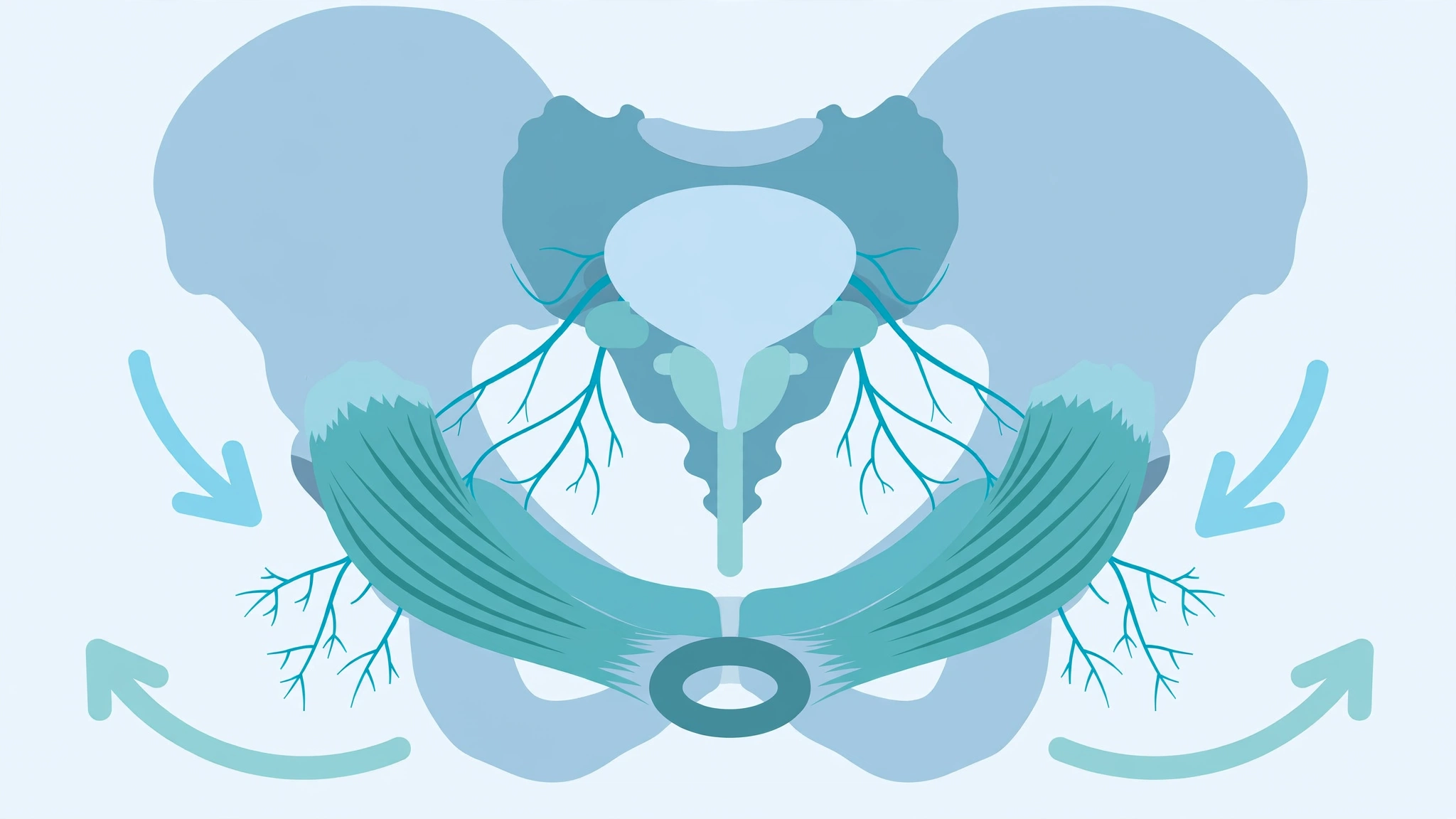
Weak pelvic floor muscles can make it harder to delay ejaculation. The Mayo Clinic recommends identifying the muscles by stopping urination midstream (only to locate them), then tightening those muscles, holding for three seconds, and relaxing for three seconds. Aim for at least three sets of ten repetitions daily, breathing freely throughout. Stronger pelvic floor muscles are a simple, drug-free form of premature ejaculation treatment that improves voluntary control over the ejaculatory reflex.
Condoms and desensitizing products
Thicker condoms reduce penile sensitivity and can meaningfully delay ejaculation. “Climax control” condoms containing mild numbing agents such as benzocaine or lidocaine are available without a prescription. Doctors generally view them as a useful first step in premature ejaculation treatment rather than a complete solution.
Medications doctors may prescribe
No medication is currently FDA-approved specifically for PE, but several classes are used off-label with solid evidence. All require a prescription and a doctor’s supervision.
- Topical numbing agents: Creams, gels, or sprays containing lidocaine, prilocaine, or benzocaine are applied 10 to 15 minutes before sex to reduce sensation. They work from the first use; using a condom or washing off excess before penetration helps limit transfer to a partner.
- SSRIs: Selective serotonin reuptake inhibitors are the most studied oral option — delayed orgasm is a known effect of these antidepressants, and doctors use that effect therapeutically for premature ejaculation treatment. They are typically taken daily and take one to two weeks to reach full effect. Dapoxetine, designed specifically for on-demand use, is approved for PE in many countries outside the United States.
- Tramadol: This pain medication has an ejaculation-delaying effect and is sometimes prescribed when SSRIs have not worked. It cannot be combined with an SSRI and can be habit-forming, so doctors reserve it for carefully selected cases.
- PDE5 inhibitors: Medications used for erectile dysfunction (such as sildenafil and tadalafil) may help PE, particularly when erectile dysfunction coexists. Evidence suggests they work best in combination with an SSRI rather than alone for premature ejaculation treatment.
Counseling and therapy
Talking with a mental-health provider — individually, as a couple, or with a certified sex therapist — helps reduce performance anxiety and improve communication. Counseling is most likely to help when combined with medical premature ejaculation treatment. Given that only a small fraction of men with PE ever seek professional help, simply making the appointment is itself a significant step.
How Long Premature Ejaculation Treatment Takes
Every premature ejaculation treatment works on a different timeline, and setting realistic expectations is part of good care. Topical numbing agents work from the very first use. Daily SSRIs typically begin working within one to two weeks, with full effect at two to three weeks.
Behavioral techniques require the most patience — most men notice meaningful improvement within four to twelve weeks of consistent practice, and studies of behavioral premature ejaculation treatment report success rates of 60 to 90 percent, though booster sessions may be needed if the problem returns.
Honest framing matters: there is no permanent one-time “cure.” The clinical goal is reliable control — the consistent ability to delay ejaculation to a point that satisfies both partners. Most men achieve this, but premature ejaculation treatment usually requires ongoing use of the chosen strategy. Follow-up visits let your doctor adjust the plan if the first approach falls short.

Lifestyle Factors That Help or Hurt
While lifestyle changes alone rarely resolve PE, they meaningfully support any premature ejaculation treatment plan:
- Reduce heavy alcohol use: Alcohol misuse is one of the most common contributors to sexual dysfunction.
- Manage stress and sleep: Chronic stress and poor sleep elevate anxiety and disrupt hormonal balance. Regular exercise improves mood, circulation, and body confidence.
- Review your medications: If PE began after starting a new prescription, tell your doctor — the timing may be more than coincidence.
- Communicate openly: Hiding the problem increases anxiety; discussing it calmly with a partner reduces the pressure that fuels the cycle.
When PE Is a Sign of Something Else
Sometimes early ejaculation is the symptom that brings a man to the doctor, and the real diagnosis is something else. Before starting premature ejaculation treatment, doctors specifically look for erectile dysfunction (treating the erection issue first often resolves the PE), prostatitis or urinary infection (new-onset PE with pelvic discomfort or painful urination warrants evaluation), and thyroid disorders (hyperthyroidism is a recognized cause of acquired PE).
The practical takeaway: if PE appeared suddenly after years of normal function, treat it as a prompt for a general health check. For related reading on how other sexual-health concerns connect to overall wellbeing, see our guide on low libido and the common causes worth ruling out first.
Talking to Your Partner About It
Clinicians consistently stress that PE is a couple’s issue, not a solo defect. Partners often misinterpret early ejaculation as a lack of attraction, while the man misreads disappointment as rejection — a misunderstanding that silence deepens.
Doctors recommend a simple, blame-free approach: describe what is happening, name the distress it causes, and frame premature ejaculation treatment as a shared project. Involving a partner in behavioral techniques turns premature ejaculation treatment into teamwork and reliably improves outcomes.
FAQs
How long should sex last to be considered normal?
Research puts the average time to ejaculation during penetrative sex at roughly five and a half minutes, with wide healthy variation. Clinically, premature ejaculation is defined by lack of control and resulting distress — not by a fixed number of minutes — so a man lasting several minutes can still meet the criteria if he consistently cannot delay ejaculation and it bothers him or his partner.
Is premature ejaculation psychological or physical?
It is almost always both. Even when a clear biological factor exists — such as serotonin-receptor differences in lifelong PE or prostatitis in acquired PE — performance anxiety typically develops alongside it and worsens the pattern. This is why doctors usually recommend addressing both sides: medical or behavioral premature ejaculation treatment for the physical component and counseling or stress management for the psychological component.
Can premature ejaculation be permanently cured?
There is no one-time permanent cure, but the condition is highly manageable. Most men achieve reliable control with behavioral techniques, medication, or — most effectively — a combination of both. The goal doctors set is consistent, satisfactory control rather than a fixed time target. Some men maintain gains from behavioral training without ongoing treatment, while others continue a maintenance strategy long term.
Will treatment affect my partner?
Topical numbing creams and sprays can transfer to a partner and reduce their sensation, which is why doctors advise using a condom or washing off excess product before penetration. Oral premature ejaculation treatment acts on the man’s own neurochemistry and does not directly affect a partner. Behavioral techniques and counseling actively involve the partner and generally improve the couple’s experience overall.
How quickly does premature ejaculation treatment work?
It depends on the method. Topical numbing agents work from the first use. Daily SSRIs typically take one to two weeks to show benefit, with full effect at two to three weeks. Behavioral techniques such as stop-start and the squeeze method usually require four to twelve weeks of consistent practice. Most men notice meaningful improvement within the first month of a well-matched treatment plan.
When should I see a doctor about premature ejaculation?
See a doctor if early ejaculation happens consistently, causes you or your partner distress, or leads you to avoid intimacy. Seek care sooner if PE appeared suddenly, if you have urinary symptoms, if it began after starting a new medication, or if it is accompanied by anxiety or depression. Urologists and sexual-health specialists treat this routinely — embarrassment should not delay care.
If premature ejaculation is affecting your confidence or your relationship, the most effective step is also the simplest: talk to your doctor.
Bring your partner if you are comfortable doing so, ask about the full range of premature ejaculation treatment options — behavioral, medical, and combined — and give the chosen premature ejaculation treatment plan time to work. For a broader look at how sexual concerns connect to overall health, explore our guide on low libido and the causes worth ruling out first.
Medical disclaimer: This article is for educational purposes only and is not medical advice. Premature ejaculation treatment decisions should be made with a qualified healthcare professional who can evaluate your individual situation. Do not start, stop, or change any medication based on this article. If you are experiencing symptoms, please consult your doctor, a urologist, or another qualified healthcare provider.