Loss of Libido After Menopause: Why It Happens and 7 Ways to Get Your Desire Back
Loss of Libido After Menopause: Why It Happens and 7 Ways to Get Your Desire Back
When your sex drive quietly fades sometime around menopause, it can feel confusing — and even a little frightening. One day you feel like yourself, and the next, desire seems to have packed its bags without telling you. If you are dealing with a loss of libido after menopause, you are far from alone: research suggests that between a third and half of women in midlife notice a meaningful drop in sexual desire. It is one of the most common, and least talked about, changes of this life stage.
Here is the reassuring part: this change is extremely common, well understood by doctors, and in most cases highly treatable. Desire after menopause does not have to disappear for good. This guide explains why libido drops during menopause, the solutions that genuinely work — from simple comfort fixes to medical options — and how to reconnect with your partner along the way.
Why Loss of Libido After Menopause Happens
There is rarely a single culprit. A loss of libido after menopause usually comes from several changes stacking up at once.
Falling estrogen — and testosterone
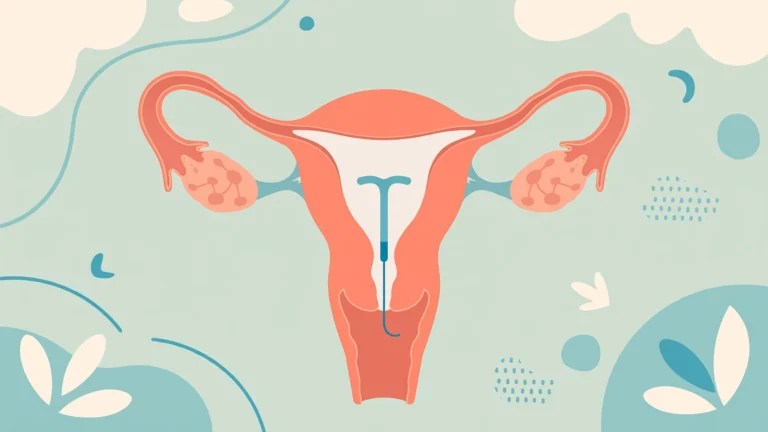
Estrogen does far more than regulate periods. It keeps vaginal tissue supple, supports blood flow to the genitals, and plays a role in mood and desire. When estrogen drops during menopause, many women notice arousal takes longer and feels weaker.
Less well known: women also produce testosterone, and it falls too. Testosterone is closely tied to sexual desire in women, and its decline is one of the key hormonal drivers of low libido after menopause. This is why the change can feel so sudden — it is chemistry, not a character flaw.
Vaginal dryness and pain
Declining estrogen thins and dries vaginal tissue, a condition doctors call genitourinary syndrome of menopause. Sex that once felt good can start to feel uncomfortable or even painful. And here is the simple logic the brain follows: if something hurts, desire for it fades. Many women do not realize their low libido is actually their body avoiding anticipated pain.
Hot flashes, night sweats, and broken sleep
It is hard to feel sexy when you are exhausted. Night sweats that wake you three times a night, hot flashes during the day, and the general fatigue of the menopause transition drain the energy that desire needs. Poor sleep alone is one of the biggest libido killers at any age.
Mood changes, stress, and body image
Menopause can bring anxiety, low mood, and irritability — none of which are known aphrodisiacs. On top of that, weight shifts, skin changes, and a changing body can dent confidence. Feeling less attractive, even if your partner finds you as desirable as ever, quietly erodes sexual interest.
Medications that quietly kill desire
Some of the most commonly prescribed drugs dampen libido as a side effect. The biggest offenders are SSRI antidepressants, certain blood pressure medications, and some antihistamines. If your desire dropped shortly after starting a new medication, that timing is worth discussing with your doctor — alternatives often exist.
Is a Lower Libido After Menopause Normal?
Yes — a dip in desire during and after menopause is completely normal, and it does not mean anything is wrong with you or your relationship. Hormones shift, bodies change, and life gets complicated. Many women find their desire simply expresses itself differently: less spontaneous, more responsive to the right mood and context.
That said, "normal" does not mean "untreatable." If the change bothers you, affects your relationship, or came on suddenly, it deserves attention. A satisfying sex life after menopause is absolutely achievable — plenty of women in their 60s, 70s, and beyond enjoy active, fulfilling sex lives. The goal is not to turn back the clock but to work with your body as it is now.
7 Ways to Rebuild Desire After Menopause
1. Fix comfort first: dryness and pain
This is the single highest-impact step, because pain silently kills desire. Over-the-counter vaginal moisturizers (used regularly, not just during sex) and water- or silicone-based lubricants (used during sex) make an enormous difference. If dryness is persistent, ask your doctor about low-dose vaginal estrogen — creams, rings, or tablets that act locally with minimal absorption into the rest of the body. When sex stops hurting, desire often starts returning on its own.
Many women find our guide to vaginal dryness causes and treatment helpful for understanding the full range of options.
2. Ask your doctor about hormone options
Systemic hormone therapy (estrogen, with progesterone if you still have a uterus) can ease hot flashes, improve sleep and mood, and indirectly support libido. For persistent low desire specifically, some doctors prescribe low-dose testosterone off-label — clinical evidence shows it can meaningfully improve sexual desire in postmenopausal women. This is a personal medical decision with real pros and cons, so it deserves a thorough conversation with a menopause-informed doctor, not a quick prescription.
3. Review your medications
Bring a full list of your prescriptions to your next appointment and ask directly: "Could any of these be affecting my sex drive?" Doctors can often switch an SSRI to a more libido-friendly antidepressant (such as bupropion), adjust blood pressure medications, or change timing and doses. Never stop or change a medication on your own — but do raise the question.
4. Reclaim your sleep
Since exhaustion and desire cannot coexist, treating sleep disruption is treating libido. Keep the bedroom cool, address night sweats (hormone therapy helps many women here too), limit alcohol in the evening, and keep a consistent sleep schedule. If you snore heavily or gasp awake, ask about sleep apnea — it is underdiagnosed in midlife women and wrecks both energy and hormones.
5. Move your body regularly
Exercise improves blood flow everywhere (including the genitals), lifts mood, improves sleep, and rebuilds body confidence — four libido boosters in one habit. You do not need marathons: brisk walking, swimming, yoga, or strength training a few times a week all count. Pelvic floor exercises (Kegels) are worth adding too, since stronger pelvic muscles support arousal and orgasm.
6. Reconnect with your partner
Desire thrives on emotional closeness. Long marriages can drift into roommate mode, and menopause is a good moment to consciously rebuild intimacy — not just sexual intimacy. Talk honestly about what is changing in your body; most partners respond with relief and understanding rather than disappointment. Try scheduling relaxed, pressure-free time together: a date night, a massage, cuddling without any expectation of sex. Removing the pressure to "perform" often lets desire resurface naturally. Our guide on how menopause affects sex drive has more on navigating these conversations.
7. Consider therapy or mind-body techniques
If anxiety, low mood, past negative experiences, or relationship tension are part of the picture, a sex therapist or counselor can help enormously. Cognitive behavioral therapy and mindfulness-based approaches have solid evidence for improving sexual desire in midlife women. Sometimes the barrier is not hormonal at all — it is stress, grief, or an unspoken resentment — and talking it through unlocks everything else.
Myths About Menopause and Sex Worth Dropping
- "My sex life is over." False. Research consistently finds that many postmenopausal women remain sexually active and satisfied — desire changes form more often than it disappears.
- "Wanting sex at my age is inappropriate." There is no expiry date on sexuality. This belief alone shuts down more desire than any hormone ever could.
- "If I don't feel spontaneous desire, something is broken." Many women experience responsive desire — it arrives after arousal begins, not before. Waiting to "feel like it" first means missing the window.
- "Lubricant means I've failed." Lubricant is as normal as reading glasses. Bodies change; smart women adapt.
When to Talk to a Doctor
Make an appointment if:
- Your libido dropped suddenly rather than gradually
- Sex is painful despite using lubricants and moisturizers
- Low desire is causing you real distress or straining your relationship
- You have other new symptoms: unusual bleeding, severe mood changes, or pelvic pain
- You suspect a medication is the cause
The Cleveland Clinic notes that female sexual dysfunction — including low desire — is common but often undertreated, and that options range from counseling and pelvic floor therapy to hormonal and non-hormonal treatments. You do not need to suffer in silence; doctors hear this concern every day.
Key Takeaways
- Loss of libido after menopause is extremely common — up to half of midlife women experience it — and it has real, understandable causes.
- The main drivers are falling estrogen and testosterone, vaginal dryness and pain, poor sleep, mood changes, medications, and relationship dynamics.
- Start with comfort: treating dryness and pain is the highest-impact first step.
- Hormone options, medication reviews, exercise, better sleep, and honest partner communication all genuinely help.
- A satisfying sex life after menopause is absolutely possible — desire changes, but it does not have to disappear.
Frequently Asked Questions
Will my libido ever come back after menopause?
For most women, yes — at least partially. Because the causes are usually treatable (dryness, hormones, sleep, medications, stress), addressing them often restores a meaningful level of desire. It may look different from desire in your 30s — more responsive than spontaneous — but many women report a satisfying sex life after treatment.
Does HRT increase libido after menopause?
Hormone therapy often helps indirectly by improving sleep, mood, hot flashes, and vaginal comfort — all of which support desire. For low libido specifically, some doctors add low-dose testosterone, which has the strongest direct evidence for boosting desire in postmenopausal women. Discuss the benefits and risks with a menopause-informed doctor.
Can natural remedies help with libido after menopause?
Lifestyle steps — regular exercise, good sleep, stress management, and pelvic floor exercises — have real evidence behind them. Some women find supplements like maca or ginseng helpful, though scientific evidence is limited. Be cautious with unregulated "libido booster" products and always check with your doctor, since some interact with medications.
How do I talk to my partner about my low libido?
Be honest and blame the biology, not the person: "My body is changing and it's affecting my desire — it's not about my feelings for you." Share what you are learning and invite them into the solution, whether that means trying lubricants together, scheduling intimate time, or simply being patient. Most partners are relieved to understand what is happening.