Why Does Sex Hurt? Causes and When to See a Doctor
When intimacy becomes painful, many people quietly ask themselves: why does sex hurt? According to the American College of Obstetricians and Gynecologists (ACOG), nearly three out of four women experience pain during intercourse at some point in their lives. Men experience painful sex too, though it is discussed far less often. The important thing to know is that persistent pain during sex is not something you simply have to accept.
It almost always has a cause, and in most cases that cause is treatable. This guide explains the most common causes in plain, clinical terms, what doctors usually check first, what you can safely try on your own, and the clear signs that it is time to see a doctor. By the end, you will have a much clearer answer to why does sex hurt and exactly what to do next.
What Doctors Mean by Dyspareunia
The medical term for recurring pain during or after sexual intercourse is dyspareunia, which describes pain that happens repeatedly rather than once. Dyspareunia can feel very different from person to person. Some people describe sharp pain at the point of entry, others describe deep pelvic aching, and others notice burning, cramping, or a throbbing soreness after intercourse. Where you feel the pain, and when it appears, gives doctors important clues. Entry pain usually points to a different set of causes than deep pain, and pain that lingers for hours after sex can suggest yet another set.
If you plan to ask a doctor why does sex hurt, using the word dyspareunia can help you describe your symptoms clearly and find the right specialist faster.
Why Does Sex Hurt? The Most Common Causes Doctors Investigate
Doctors usually divide the causes of painful sex into two broad groups based on where the pain is felt. This is not a formal diagnosis, but it is the framework clinicians use at the first appointment.
Pain at Entry (Superficial Pain)
Insufficient lubrication is the single most common reason people ask why does sex hurt. When natural lubrication is reduced, friction increases and even gentle contact can feel raw or sore. Lubrication can drop for many reasons: not enough arousal or foreplay, hormonal shifts, breastfeeding, stress, or certain medications. A water-based personal lubricant often helps, and it is a safe first step.
Vaginismus is an involuntary tightening or spasm of the muscles around the vaginal opening, sometimes triggered by fear of pain, anxiety, or a previous painful experience. Penetration may feel like hitting a wall, and even a routine pelvic exam or tampon use can be painful. This is a recognized medical condition, not a lack of effort, and doctors treat it with reassurance, pelvic floor therapy, and gradual desensitization techniques.
Infections are another frequent cause. Yeast infections, bacterial vaginosis, urinary tract infections, and sexually transmitted infections such as chlamydia, gonorrhea, and genital herpes can make genital tissues inflamed and hypersensitive. Warning signs include unusual discharge, itching, burning during urination, or sores. Most genital infections are straightforward to diagnose and treat once a doctor runs the right tests. For a detailed clinical overview of these and related conditions, see WebMD’s guide to painful sex in women.
Vulvodynia refers to chronic pain or burning at the vulva with no clear identifiable cause, sometimes limited to one spot at the vaginal opening. Skin conditions such as eczema or lichen sclerosus, and irritation from harsh soaps or fragranced products, can also cause entry pain. In younger people, a thick or rigid hymen can make early penetration experiences painful, though this usually resolves.
Deep Pain During Sex
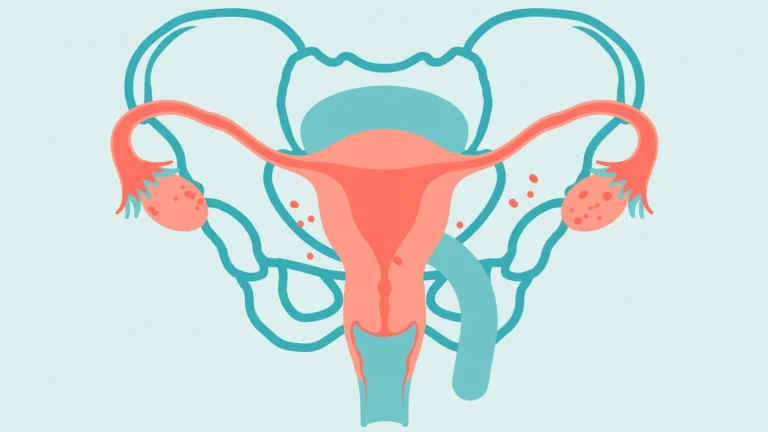
Deep pelvic pain during intercourse, especially with thrusting, often signals an internal cause. Endometriosis is one of the best-known: tissue similar to the uterine lining grows outside the uterus and can cause deep pain, often alongside painful periods. Uterine fibroids, particularly larger ones, and ovarian cysts can create pressure or pain during deep penetration. Pelvic inflammatory disease (PID), an infection of the reproductive organs, can cause deep pain because inflamed tissues hurt under pressure. Scar tissue or adhesions from previous pelvic surgery or a difficult childbirth recovery can also contribute.
Pain After Sex Rather Than During
Some people feel fine during intercourse but notice cramping, aching, or burning afterward, from pelvic floor muscle spasm or an irritated bladder. A urinary tract infection is a common suspect when burning after sex is paired with frequent urination. Orgasm can also trigger brief uterine cramping, which is usually harmless, but cramps that last for hours deserve medical attention. Tracking exactly when pain starts helps answer why does sex hurt in your specific case.
Why Does Sex Hurt Suddenly After Years of Comfort?
A sudden change deserves extra attention. When sex has been comfortable for years and the answer to “why does sex hurt” becomes “it started a few weeks ago,” doctors look for something new: a recent infection, a change in medication, new hormonal contraception, the onset of perimenopause, an undiagnosed medical condition, or heightened pelvic floor tension from stress. New-onset pain is also one of the clearest signals to book a medical evaluation rather than waiting it out.
Painful Sex in Men: Causes Doctors Check
Painful sex in men is under-discussed, but urologists see it regularly. Prostatitis, inflammation of the prostate gland, can cause deep pelvic aching, pain during or after ejaculation, and urinary symptoms. Peyronie’s disease, a buildup of scar tissue under the skin of the penis, can make erections bend or hurt. A tight frenulum, the band of tissue on the underside of the penis, can tear or cause sharp pain, while balanitis, inflammation of the head of the penis, can make contact sore. Urinary tract infections and sexually transmitted infections can also cause pain during or after sex in men. Any recurring pain warrants a urologist’s evaluation. Men who ask why does sex hurt often delay seeking care, but urologists say earlier visits lead to faster relief.
Medications and Hormonal Shifts That Can Make Sex Hurt
Sometimes the cause of painful sex sits in the medicine cabinet: if you started wondering why does sex hurt around the time a new prescription began, raise it with your doctor. Several commonly prescribed drugs can reduce natural lubrication or desire. Antidepressants, particularly SSRIs, are well known for sexual side effects including dryness. Antihistamines, certain blood pressure medications, sedatives, and some hormonal contraceptives can also contribute to dryness or discomfort. Doctors generally advise patients never to stop a prescribed medication because of sexual side effects; instead, raise the concern at an appointment so the prescribing doctor can adjust the plan.
Hormones matter just as much. Estrogen keeps vaginal tissues elastic and well lubricated, so the years around menopause, the months after childbirth, and breastfeeding commonly bring discomfort. Doctors call the menopause-related cluster of changes genitourinary syndrome of menopause, and they have several evidence-based treatments for it, from moisturizers and lubricants to locally acting therapies prescribed by a clinician. When hormones shift, it is normal to wonder why does sex hurt more than it used to — and there are effective treatments, so this is very much worth bringing up at your visit.
Entry Pain, Deep Pain, or Pain After: A Quick Comparison
This simple table shows how doctors often narrow down painful sex based on where and when the pain appears. It is a starting point for conversation with a clinician, not a diagnosis. Use it to narrow down why does sex hurt in your case before your appointment.
What Doctors Recommend: Safe First Steps
For mild, occasional discomfort with no other symptoms — when the question of why does sex hurt has no urgent answer — doctors generally consider the following steps reasonable before or alongside a medical visit.
- Use a water-based lubricant. This is the first recommendation from most clinicians for dryness-related pain. If you use condoms, choose water-based rather than oil-based lubricants, since oils can weaken latex.
- Allow more time for arousal. Rushing is one of the most common contributors to friction pain. Extended foreplay lets the body produce its own lubrication and relax the pelvic muscles.
- Try different positions. If certain angles or depths cause pain, changing positions can relieve pressure on sensitive areas. There is no single correct way, so gentle experimentation is fine.
- Stop when it hurts. Pushing through pain can create a cycle in which the body tenses in anticipation of the next time. Pausing, communicating, and switching to non-penetrative intimacy keeps trust intact.
- Avoid irritants. Fragranced soaps, douches, and harsh body products can inflame genital skin. Plain, gentle cleansing is enough, and doctors advise against douching.
- A tense pelvic floor often needs the opposite of Kegels: slow diaphragmatic breathing and conscious release of the pelvic muscles. A pelvic floor physical therapist can teach this properly.
If self-care steps do not help within a few weeks, or if any red-flag symptoms appear, the next step is a professional evaluation.
Talking to Your Partner About Painful Sex
Painful sex affects couples, not just individuals, and silence tends to make it worse. Clinicians recommend bringing it up outside the bedroom, in a calm moment, using plain language: what you feel, where you feel it, and what you would like to try. A partner who understands that the pain is a medical issue, not a rejection, can usually adapt easily. Couples who keep communicating report far less anxiety around intimacy, which makes it much easier to seek answers together. A calm explanation of why does sex hurt you, in your own words, usually brings partners closer instead of pushing them away.
When to See a Doctor About Painful Sex
Doctors advise booking an appointment if any of the following are true:
- The pain happens repeatedly, not just once or twice.
- The pain is getting worse over time, or is severe.
- There is bleeding after sex, abnormal discharge, genital sores or lesions, or a burning smell to the discharge.
- You notice pelvic pain outside of sex, irregular periods, heavy bleeding, or pain when urinating or having a bowel movement.
- The pain is accompanied by fever, which can signal infection.
- You experience involuntary muscle contractions that make penetration difficult or impossible.
- The pain is affecting your desire, mood, or relationship — this alone is a valid reason to seek help. Our guide on low libido and its common causes explains how pain and desire often interact.
Seek prompt or urgent care for heavy bleeding after sex, severe sudden pelvic pain, signs of infection such as fever with pelvic pain, or any suspicion of a sexually transmitted infection that needs immediate treatment.
What Happens at Your Doctor’s Appointment
Many people avoid asking why does sex hurt because they dread the examination. Knowing what to expect helps. A typical first visit includes a detailed conversation about the pain: where it is, what it feels like, when it started, your menstrual and sexual history, medications, and any past trauma you are willing to share.
Doctors ask these questions because the answers genuinely guide the diagnosis, and anything you disclose is confidential. Most patients leave the visit with a clear answer to why does sex hurt and a step-by-step plan for relief.
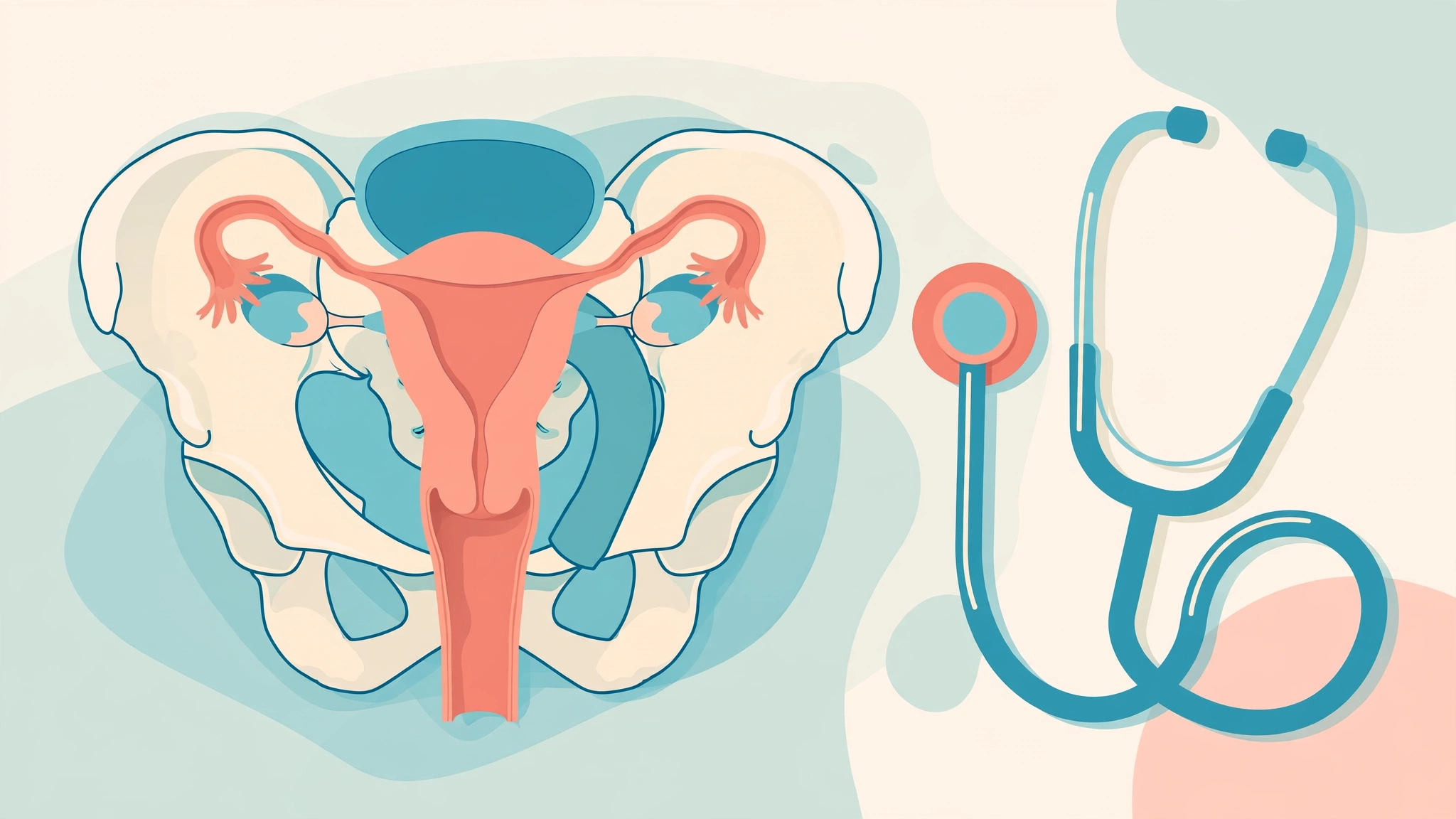
A pelvic exam may follow, and it is usually gentle and brief. The clinician checks the external tissues for irritation or lesions, then performs an internal exam to check for tenderness, masses, or discharge. Depending on findings, they may order STI screening, a urine test, an ultrasound to look at the uterus and ovaries, or blood work. For muscle-related pain, a referral to a pelvic floor physical therapist is common. If emotional factors or past trauma are part of the picture, doctors may suggest a certified sex therapist or counselor. The American Medical Association also notes that issues like muscle spasms, stress, and even bladder conditions can contribute — see what doctors want patients to know about pain during sex. Treatment then follows the cause: antibiotics for infections, targeted therapy for endometriosis or fibroids, pelvic floor rehabilitation for vaginismus and muscle tension, and tailored hormonal care for menopause-related changes.
FAQs
Is it normal for sex to hurt the first time?
Mild discomfort during a first sexual experience is common, often due to nervousness, limited arousal, or stretching of the hymen. However, sex should not be severely painful. If the pain is intense or continues beyond the first few experiences, a doctor should evaluate whether something like vaginismus or an infection is contributing.
Why does sex hurt all of a sudden after years of comfortable sex?
Sudden new pain often has a new cause: a recent infection, a medication change, new hormonal contraception, the onset of perimenopause, pelvic floor tension from stress, or an undiagnosed medical condition. Because the change is new, doctors recommend prompt evaluation.
Can anxiety or stress really cause sex to hurt?
Yes. Anxiety, stress, relationship tension, and past trauma can cause the pelvic floor muscles to tighten involuntarily, which makes penetration painful. This is a physical response, not something imagined. Doctors often recommend a combination of medical evaluation and counseling or pelvic floor therapy to address both the physical and emotional components.
Why does sex hurt after menopause?
Falling estrogen levels thin the vaginal tissues and reduce natural lubrication, a condition doctors call genitourinary syndrome of menopause. The tissue stretches less easily, so intercourse can feel dry, sore, or burning. There are effective, evidence-based treatments, so this is very much worth discussing with a doctor.
Why does sex hurt even though my doctor found nothing wrong?
A normal exam does not mean the pain is not real. Pelvic floor muscle dysfunction, vulvodynia, and nerve sensitivity can all exist without visible findings. If your doctor could not identify a cause, ask for a referral to a pelvic pain specialist, a urogynecologist, or a pelvic floor physical therapist for a more focused evaluation.
When should I see a doctor about painful sex?
See a doctor if pain during sex is recurring, worsening, or accompanied by bleeding, unusual discharge, genital sores, fever, pelvic pain outside of sex, or involuntary muscle spasms. Also seek care if the pain is affecting your desire, mood, or relationship — that alone justifies a visit, and most causes are highly treatable.
If sex has become painful, you do not have to manage it alone. Talk to your doctor about what you are experiencing — painful sex is one of the most common concerns clinicians hear, and effective treatment almost always starts with a simple conversation. To keep learning, explore more guides on heterosexual.pro, including our article on the common causes of low libido.
Medical disclaimer: This article is for educational purposes only and is not medical advice. It does not provide a diagnosis or treatment for any individual condition. If you are experiencing pain during sex or any related symptoms, please consult a qualified healthcare professional for personalized evaluation and care.