Lichen Planus and Genital Health: What to Know
Genital lichen planus is an inflammatory autoimmune condition that affects the moist mucosal surfaces of the vulva, vagina, and penis. It can cause persistent soreness, itching, raw or eroded areas, and — over time — scarring that interferes with urination, sexual activity, and everyday comfort. Because the symptoms overlap with infections, eczema, and other vulvar and penile conditions, genital lichen planus is frequently misdiagnosed or goes unrecognized for months or even years.
This guide explains what genital lichen planus is, who it affects, how it differs from look-alike conditions such as lichen sclerosus, how clinicians diagnose and treat it, and how to manage daily life and intimacy while living with it. It is written for educational purposes — not as a substitute for a clinician’s evaluation — so that you can walk into your appointment informed, ask better questions, and understand your options.
What Is Genital Lichen Planus?
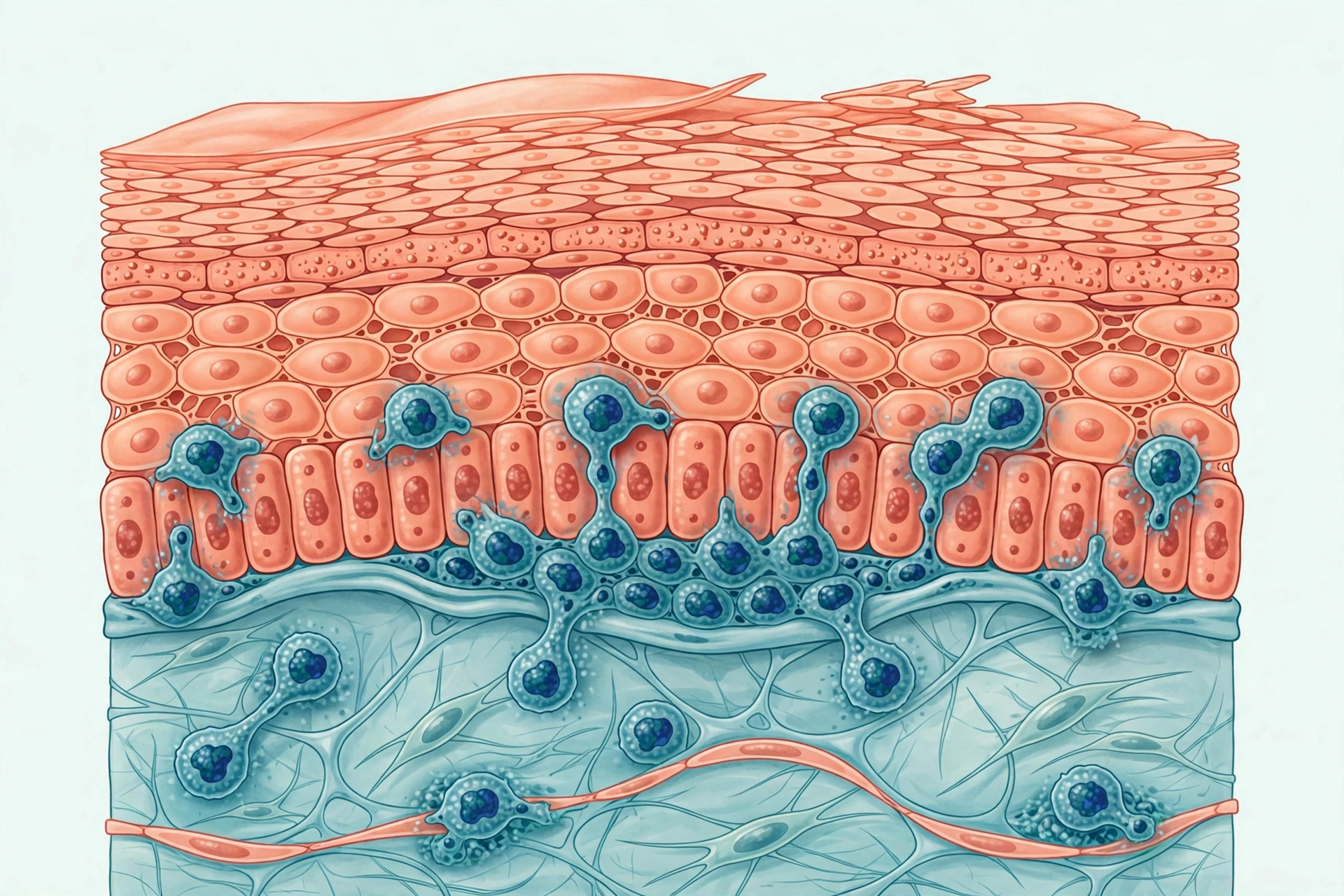
Lichen planus is a chronic inflammatory disease driven by the immune system. Immune cells called T lymphocytes mistakenly attack the cells of the skin or mucous membranes, producing itchy, purplish bumps on the skin or lacy white patches and raw erosions on moist surfaces. When this process involves the genital area — the vulva and vagina in women, the glans penis and surrounding skin in men — it is called genital lichen planus.
The condition is not an infection, it is not caused by poor hygiene, and it cannot be passed to a sexual partner. It is considered an autoimmune-type disorder rather than something contagious, which is an important reassurance for people who first notice symptoms and worry they may have contracted a sexually transmitted infection. Research has found elevated levels of inflammatory signaling proteins (interleukins IL-17 and IL-23) in affected tissue, underscoring that this is an immune-mediated process, not a hygiene problem.
Genital lichen planus most often appears in middle age and later life — typically between the 40s and 70s — and is at least twice as common in women as in men. It is rare in children. It can occur on its own or alongside lichen planus of the mouth, gums, or skin, and in severe cases the mouth and genitals are affected together in named patterns clinicians call the vulvovaginal-gingival syndrome (in women) and the peno-gingival syndrome (in men).
The Two Main Types: Erosive and Non-Erosive
Most patient information focuses on the erosive form, but genital lichen planus has two distinct presentations, and knowing which one applies matters for treatment decisions.
Erosive lichen planus
This is the more severe and better-known form. It produces painful, persistent ulcers and raw, bright-red erosions on the vulva or the head of the penis. Because the surface layer of skin is missing, these areas sting — especially with urination — and may bleed on contact. Erosive lichen planus heals with scarring, which can gradually alter the anatomy: the vaginal opening may narrow, labial tissue can shrink or fuse, and in men the urethral opening can tighten. It is the form most associated with long-term complications, which is why it receives the most clinical attention.
Papular (non-erosive) genital lichen planus
The milder form produces small, shiny, purplish or reddish-brown bumps (papules), sometimes with fine lacy white lines called Wickham striae on their surface. On the penis these papules tend to appear on the glans, shaft, or coronal sulcus and may merge into larger plaques. On the vulva they may be itchy rather than painful. Because this form can resemble psoriasis, contact dermatitis, or genital warts at a glance, it is also commonly misdiagnosed — a tissue biopsy is often what finally clarifies the picture.
Vulvovaginal-gingival and peno-gingival syndromes
These are severe, distinctive patterns in which erosive disease affects the genitals and the gums at the same time. In women, the vulva, vagina, and gums ulcerate together; the corresponding pattern in men involves the glans penis and gums. If you have been told you have erosive oral lichen planus with desquamative gingivitis (peeling, inflamed gums), it is worth asking your clinician whether a genital examination is also warranted, and vice versa. This mouth-genital pairing is under-recognized even in clinical practice.
What Causes Genital Lichen Planus and Who Is Most Affected?
The precise trigger of the immune attack in genital lichen planus is unknown. What is established is that it is not caused by an infection, an allergy, menopause, hysterectomy, contraceptive pills, or hormone therapy — and hormone treatments do not improve it. A few patterns have been observed:
- Autoimmune tendency. Genital lichen planus sometimes clusters with other autoimmune conditions such as autoimmune thyroid disease, alopecia areata, and vitiligo. It may occur alongside thyroid disease and diabetes.
- Medication triggers. A small number of cases appear to be drug-induced and resolve when the responsible medicine is withdrawn, under medical supervision.
- Hepatitis C. The Mayo Clinic notes that lichen planus can be activated by hepatitis C infection, among other triggers — one reason clinicians sometimes screen for it.
- Microbial response. Partial improvement with antifungal or antibiotic therapy in some patients suggests the immune system may overreact to the normal microbes living on genital skin, particularly Candida albicans.
Risk does not follow lifestyle: the condition is not influenced by diet, sexual activity, or cleanliness. There may be a familial tendency, but it is not considered hereditary in any simple sense. Stress does not cause lichen planus, though many patients notice that flares coincide with stressful periods — a pattern familiar to people living with other chronic inflammatory conditions.
Symptoms of Genital Lichen Planus in Women
In women, erosive disease typically involves the labia minora (inner lips) and the introitus (vaginal entrance). The affected mucosa looks bright red and raw, and it can be exquisitely tender. Common experiences include:
- Burning, stinging, or rawness of the vulva — one recognized cause of vulvodynia, the term for persistent vulvar burning discomfort.
- Intense itching, sometimes severe.
- Stinging when passing urine and discomfort with bowel movements.
- Pain during vaginal intercourse, sometimes making intercourse impossible during flares, with bleeding on contact afterward.
- A mucky or foul-smelling vaginal discharge when erosions extend deep into the vagina (desquamative vaginitis), where surface cells peel away.
- Gradual anatomical change if inflammation is uncontrolled: the clitoral hood may flatten, the labia minora can shrink and adhere to neighboring tissue, and scarring can narrow or close over the vaginal opening.
Because these symptoms are frightening and mimic infections, many women endure repeated courses of antifungal or antibiotic treatment before the true diagnosis emerges. If vaginal soreness and discharge keep returning despite treatment for presumed infection, a dermatologic or vulvar evaluation is a sensible next step.
Symptoms of Genital Lichen Planus in Men
In men, erosive genital lichen planus affects the glans (the head of the penis), which becomes red, raw, and tender. The penile shaft and coronal sulcus (the groove beneath the glans) can also be involved. Symptoms may include burning or soreness, itching, and discomfort or bleeding during sexual activity. Over time, scarring can tighten the urethral opening (meatus), leading to urinary symptoms such as a narrowed stream or spraying.
The papular form in men shows up as small whitish, violaceous, or reddish-brown bumps without scaling, sometimes joining into plaques. These can be mistaken for genital warts, psoriasis, or fixed drug eruptions, so biopsy confirmation matters here too. Men should know that this condition affects the mouth-and-gums pattern (peno-gingival syndrome) as well, so concurrent gum soreness or white lacy patches inside the cheeks deserve mention at the appointment.
Lichen Planus vs. Lichen Sclerosus: How to Tell Them Apart
Genital lichen planus is most often confused with lichen sclerosus, another chronic inflammatory vulvar and penile condition. They can even coexist in the same person, and both can scar genital tissue if left untreated — but their appearance, typical course, and management differ. Here is how clinicians distinguish them:
| Feature | Genital Lichen Planus | Lichen Sclerosus |
|---|---|---|
| Classic appearance | Bright red, raw erosions; purple papules with lacy white Wickham striae | Pale, white, crinkled or parchment-like patches; sometimes with bruising or tearing |
| Typical sites | Labia minora, introitus, vagina; glans penis | Vulva in a figure-of-eight pattern, perianal skin; foreskin and glans in men |
| Vaginal involvement | Common in erosive disease (desquamative vaginitis) | Does not affect the vagina itself |
| Mouth involvement | Frequent — lacy patches, erosions, gum disease | Rarely affects the mouth |
| Main complaint | Burning pain and rawness; severe itch possible | Intense itching is the hallmark; pain from tearing |
| Scarring pattern | Narrowing of the vaginal opening; adhesions of the labia | Fusion and burying of the clitoris; narrowing of the opening |
In practice, the distinction often requires a biopsy, because inflamed, eroded tissue can look similar regardless of cause. Other conditions in the differential include plasma cell vulvitis, vulvar intraepithelial neoplasia, atrophic vaginitis, candidiasis, contact dermatitis, and psoriasis — another reason that expert evaluation, rather than self-diagnosis, is essential.
How Genital Lichen Planus Is Diagnosed
Diagnosis usually begins with a careful history and a visual examination of the affected area. Clinicians look for the characteristic pattern — bright red erosions, lacy white borders, or purple papules — and ask about symptoms in the mouth and gums, other skin sites, medications, and associated autoimmune conditions.
A skin biopsy is frequently recommended, both to confirm the diagnosis and to rule out pre-cancerous or cancerous changes. Under the microscope, pathologists look for a “lichenoid tissue reaction” affecting the skin cell layer, though the ulcerating nature of erosive disease can make this harder to see. Direct immunofluorescence staining of the tissue sample can add supportive information. Cultures may be taken at the same visit to check for superimposed infections such as Candida, herpes simplex, or Staphylococcus aureus, which are common in eroded genital tissue and are treated alongside the underlying condition.
Because genital lichen planus sits at the intersection of dermatology, gynecology, and urology, patients often benefit from a clinician with specific experience in vulvar or penile skin disease. Preparing for the visit helps: note when symptoms started, what makes them better or worse, all medications and supplements, and any mouth or gum symptoms. If discussing sexual symptoms feels difficult, our guide on how to talk to your doctor about sex offers practical ways to bring it up clearly and without embarrassment — clinicians genuinely want this information, because it shapes treatment choices.

Treatment Options
Managing genital lichen planus can be challenging because it is chronic and tends to relapse, but there is a well-established ladder of options. Treatment is aimed at calming inflammation, relieving pain and itch, preventing further scarring, and maintaining function — including comfortable urination and sexual activity.
General measures
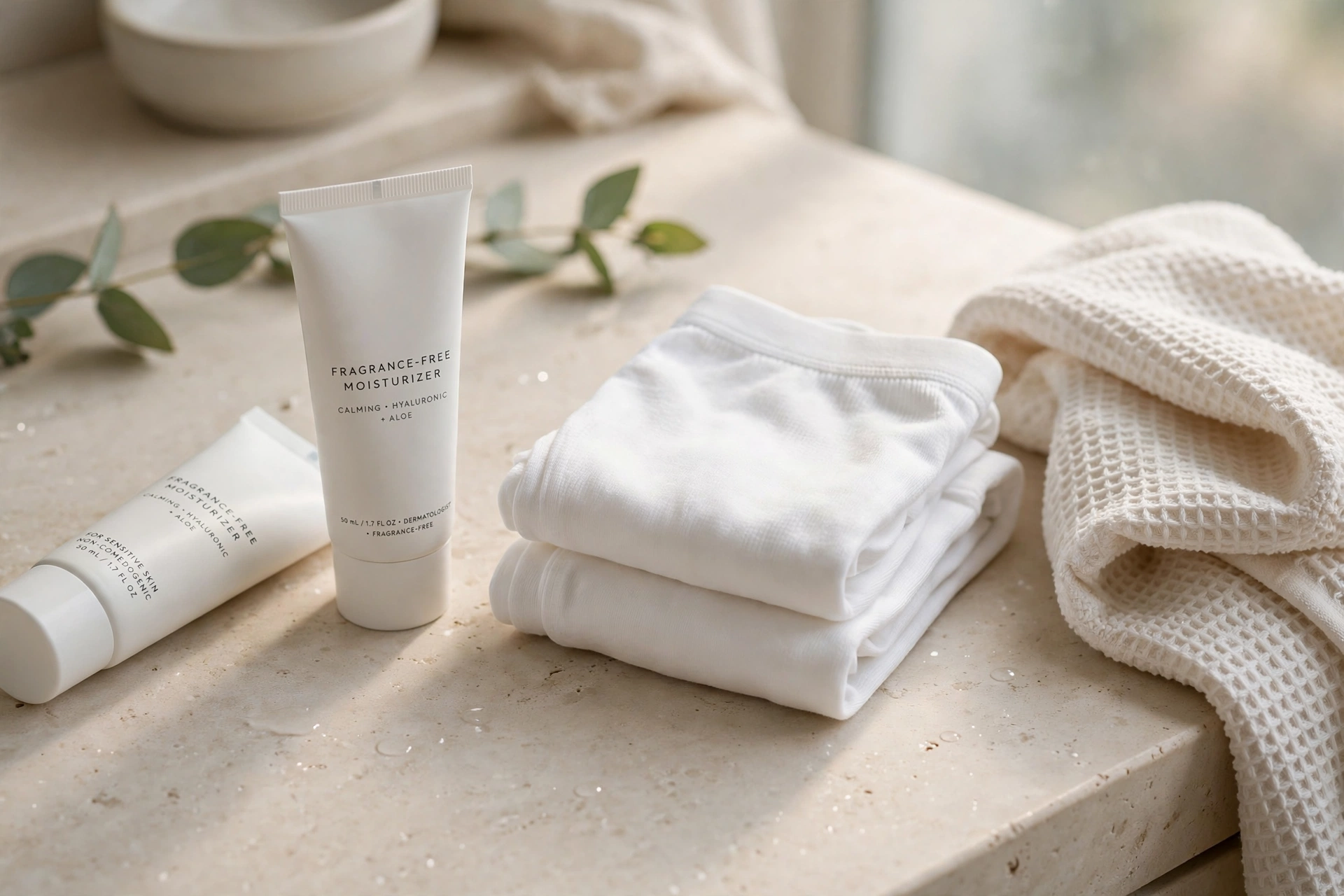
Gentle care of the genital area is the foundation. Clinicians typically advise washing with water alone or a non-soap cleanser, avoiding fragranced products, and applying a plain, non-irritating emollient such as petrolatum. For oral involvement, good dental hygiene, regular check-ups, and avoiding foods that aggravate mouth sores are standard advice.
Topical therapies
Potent topical corticosteroids are the mainstay for most patients, usually applied in defined courses with ongoing maintenance as directed by the clinician. For genital erosions, an ointment base is often preferred because creams can sting on raw tissue; specialized foams exist for use inside the vagina or around the anus. Calcineurin inhibitors such as tacrolimus ointment or pimecrolimus cream are non-steroid alternatives that have proven effective for some patients and are applied once or twice daily for several weeks, with courses repeated as needed.
Systemic medications
When topical treatment is insufficient, clinicians may prescribe short courses of oral corticosteroids, tapered once erosions heal. For stubborn or widespread disease, immunomodulatory drugs such as methotrexate — typically taken once weekly with folic acid support and regular blood monitoring — can be very effective, with improvement often seen within one to three months. Other options used in selected cases include mycophenolate mofetil, hydroxychloroquine, azathioprine, ciclosporin, and certain antibiotics or antifungals when secondary infection is present. Because these medicines affect the immune system, they require medical supervision, monitoring, and individualized decisions — including avoidance in pregnancy for some agents.
Procedures for established scarring
When scarring has already narrowed the vagina or fused tissue, surgical options may be considered to restore function: vaginal dilation, division of adhesions, or reconstructive procedures. These are reserved for selected cases and are planned carefully with a specialist team. Detailed, evidence-based overviews of these interventions are available through references like DermNet NZ’s clinical review of erosive lichen planus.
Living With It: Self-Care and Daily Management
Day-to-day habits cannot cure genital lichen planus, but they meaningfully reduce irritation, support healing between flares, and improve comfort:
- Wash gently. Use lukewarm water or a mild non-soap cleanser; avoid scrubbing, douches, and fragranced wipes or soaps, which aggravate inflamed tissue.
- Moisturize the barrier. A plain emollient such as petrolatum protects raw areas from friction and urine.
- Choose breathable clothing. Smooth cotton underwear, loose-fitting trousers, and avoiding prolonged dampness reduce friction and heat.
- Do not scratch. Scratching damages healing tissue and invites secondary infection; keep nails short and use cool compresses or a cool bath to soothe itch.
- Track your flares. A simple diary of symptoms, menstrual cycle phase, stress levels, new medications, and products used can reveal personal triggers to discuss with your clinician.
- Treat the whole picture. If your mouth or gums are affected, coordinate dental and dermatologic care — managing oral disease often parallels improvement in genital symptoms.
- Stay hydrated and nourished. Painful oral erosions can make eating difficult; soft, non-acidic foods help maintain nutrition during flares.
There are no proven prevention methods for genital lichen planus, but careful, regular follow-up is itself a form of prevention: it catches flares early, limits scarring, and ensures that any concerning change is evaluated promptly.
Genital Lichen Planus, Intimacy, and Emotional Wellbeing
Genital lichen planus affects one of the most private areas of the body, and its impact on intimacy and self-image is real. Pain during intercourse, bleeding afterward, fear of passing something to a partner, and visible changes to genital anatomy can strain relationships and erode confidence. Some people withdraw from physical closeness entirely, and the persistent discomfort can contribute to anxiety, low mood, and social isolation.
A few facts help put intimacy concerns in perspective. The condition is not contagious and cannot be transmitted through sexual contact — reassurance worth sharing explicitly with a partner. During active flares with open erosions, most clinicians advise pausing penetrative sex until healing, both for comfort and to avoid secondary infection; non-penetrative forms of closeness can sustain connection in the meantime. Water-based lubricants and going slowly can help when resuming, but persistent pain deserves its own medical conversation — see our overview of causes of painful sex in women for the broader landscape.
Partners often worry they caused the problem or that the visible changes signal infidelity or infection; honest, factual conversation defuses both. If shame or anxiety around the condition persists, a counselor or therapist — ideally one experienced with chronic illness or sexual health — can help. Support groups for vulvar and penile skin conditions also connect people who understand exactly what daily life with flares feels like.
Long-Term Outlook and Follow-Up Care
Genital lichen planus is typically longstanding, and relapses are common even with good treatment. That said, many people achieve extended periods of control with maintenance therapy and self-care, and early, consistent treatment markedly reduces the scarring that causes the most lasting harm.
One risk deserves frank discussion: in a small minority of cases — roughly 1 to 3 percent — longstanding erosive lichen planus can develop into squamous cell carcinoma of the vulva or penis. The risk is higher in people who smoke, those with suppressed immune systems, and those with high-risk HPV infection. This is why ongoing surveillance matters: any enlarging lump, an ulcer with thickened edges, or a sore that changes character should be evaluated promptly rather than watched. Regular check-ups also allow the clinician to adjust treatment before a flare causes new scarring.
Prognosis varies with severity, immune status, and treatment response. The most reliable predictor of a good outcome is not any single drug but continuity of care — a clinician who knows your history, monitors your skin over time, and individualizes therapy as the condition evolves.
Frequently Asked Questions
Is genital lichen planus a sexually transmitted infection?
No. Genital lichen planus is an autoimmune inflammatory condition, not an infection. It cannot be transmitted to a sexual partner through intercourse or close physical contact. Many people initially fear they have an STI because of the sores and discharge, which is one reason a correct diagnosis brings such relief.
Is genital lichen planus the same as lichen sclerosus?
They are different conditions, though they can look similar and can even occur together. Lichen planus typically causes bright red erosions or purple bumps with lacy white lines and often affects the vagina and mouth; lichen sclerosus causes pale, crinkled white patches and does not affect the vagina. A biopsy usually distinguishes them, and the distinction matters because their long-term management differs.
Can genital lichen planus be cured?
There is currently no cure. Treatment controls inflammation, relieves symptoms, and prevents scarring, and many people achieve long symptom-free stretches with maintenance therapy. Because relapses are common, the condition is best thought of as managed rather than cured — similar to other chronic autoimmune conditions.
Does genital lichen planus cause cancer?
In a small minority of cases — about 1 to 3 percent — longstanding erosive disease can develop into squamous cell carcinoma of the vulva or penis. The risk is higher with smoking, immune suppression, and high-risk HPV infection. This is why regular follow-up and prompt evaluation of any new lump or changing ulcer are standard parts of care, not reasons for panic.
Can I still have sex if I have genital lichen planus?
Many people with well-controlled disease maintain an active sex life. During active flares with open erosions, clinicians generally advise pausing penetrative sex until the tissue heals, to reduce pain and the risk of secondary infection. When resuming, gentle approaches and adequate lubrication help; persistent pain is a signal to revisit the treatment plan rather than to endure it silently.
Does genital lichen planus affect fertility or pregnancy?
The condition itself does not affect fertility. Pregnancy planning mainly matters for treatment choices: some systemic medications used for severe disease must be avoided in pregnancy, so anyone considering pregnancy should review all prescriptions with their clinician in advance. Vaginal scarring from uncontrolled disease can theoretically complicate delivery, which is another reason to keep inflammation well controlled.
When should I see a doctor about genital symptoms?
See a clinician promptly for any persistent genital sore, raw area, itching, burning, discharge, or bleeding that does not resolve within a couple of weeks — and especially for symptoms that keep returning after treatment for presumed infection. Seek urgent evaluation for an enlarging lump, an ulcer with thickened edges, rapidly worsening pain, or signs of infection such as fever or spreading redness.
Medical Disclaimer
This article is for educational purposes only and is not medical advice. Genital lichen planus affects everyone differently, and only a qualified clinician who has examined you can diagnose the condition or recommend treatment. If you notice persistent sores, itching, pain, or changes in genital skin, see a dermatologist, gynecologist, or urologist promptly. Never start, stop, or change prescription medications based on something you read online, and discuss any treatment decisions — including during pregnancy or while planning one — with your own healthcare provider.
With accurate diagnosis, steady follow-up, and a treatment plan tailored to your body, genital lichen planus is a manageable condition. The hardest part for many people is simply getting the right name for what they are experiencing — and that begins with an informed conversation with a clinician.