Endometriosis and Fertility: What Couples Should Know
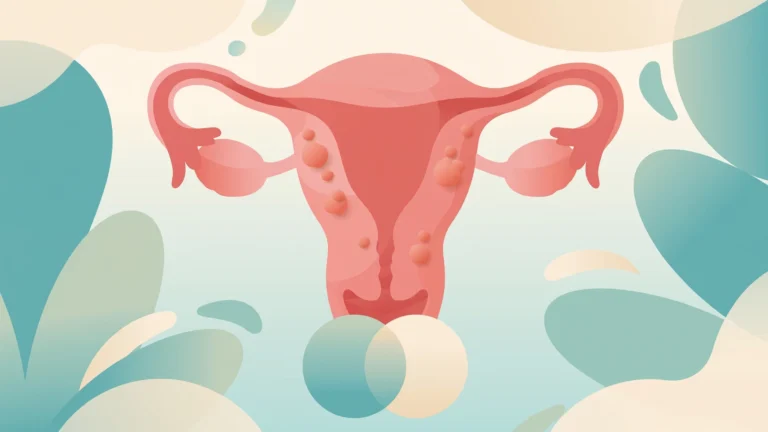
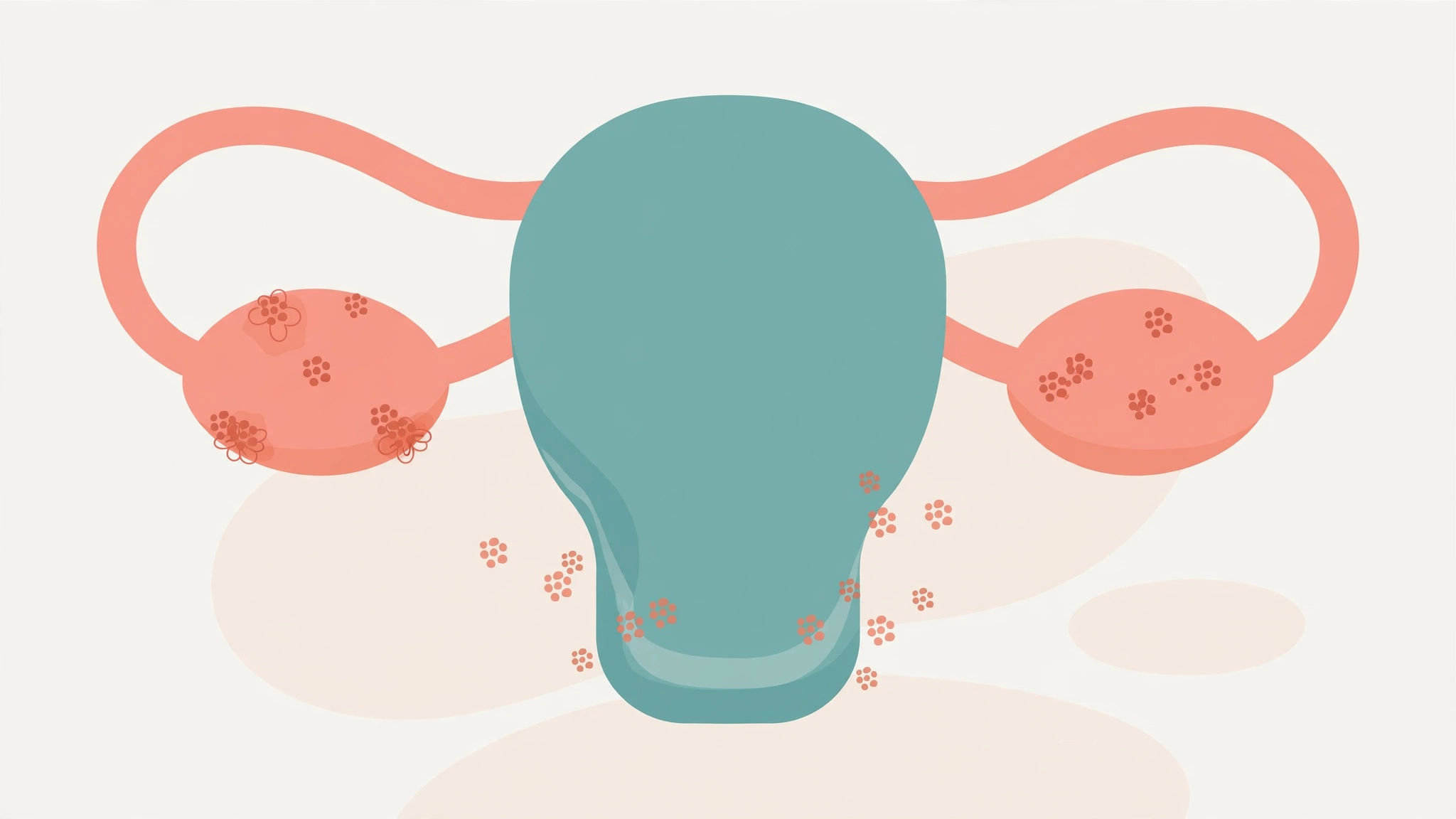
When couples hear that endometriosis and fertility are closely linked, the news can feel overwhelming. Endometriosis is a chronic condition in which tissue similar to the uterine lining grows outside the uterus — on the ovaries, fallopian tubes, or pelvic lining. Because this misplaced tissue responds to the menstrual cycle, it can cause inflammation, pain, and scarring that sometimes interfere with conception. Getting clarity about endometriosis and fertility early is the first step toward a plan that fits your life.
The important context is this: an endometriosis diagnosis changes the odds of pregnancy in a given cycle, but it does not write the ending of your family story. Most people with the condition can become parents, many without any medical help at all. What the diagnosis demands is better information, earlier evaluation, and a plan built around your situation. This guide covers what the best available evidence says about endometriosis and fertility — from diagnosis and staging through surgery, IVF, and the relationship itself. If either partner is feeling overwhelmed, remember that knowledge about endometriosis and fertility is what turns anxiety into action.
How Endometriosis and Fertility Are Connected
Endometriosis affects an estimated 190 million people of reproductive age worldwide — roughly one in ten, according to the World Health Organization. Among people seeking fertility care, endometriosis is found in about one in four. Research suggests the condition interferes with reproduction through several mechanisms at once:
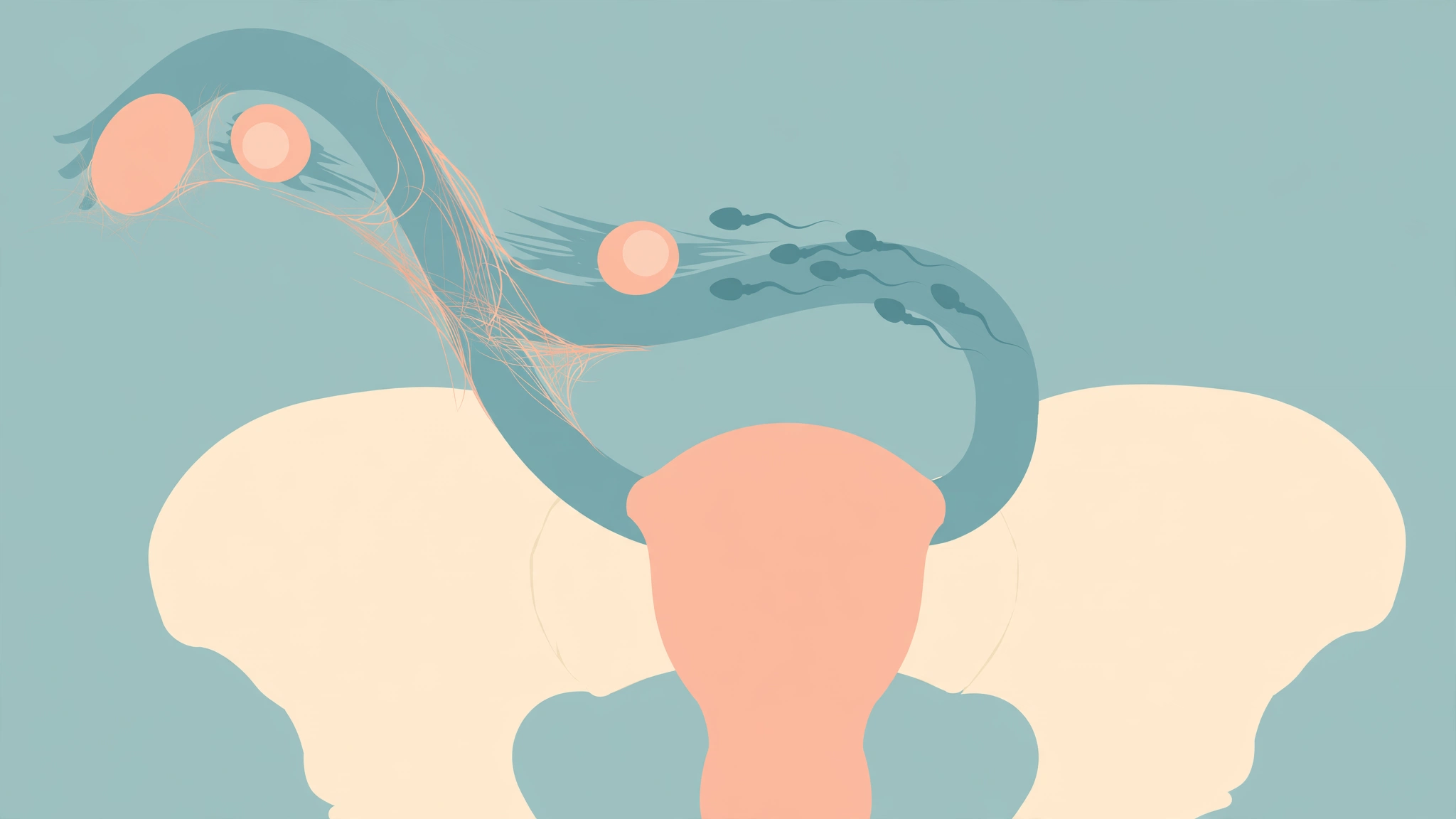
- Mechanical disruption. Scar tissue, called adhesions, can glue the ovary to the pelvic wall or block a fallopian tube. When the tube’s fringed end cannot reach the ovary to catch a released egg, fertilization simply cannot happen naturally.
- Inflammation. The pelvic fluid in endometriosis carries higher levels of inflammatory molecules. Studies suggest this environment can impair sperm movement, egg quality, and early embryo development — even with normal anatomy.
- Reduced ovarian reserve. Endometriomas — cysts of endometriosis inside the ovary — can crowd out healthy ovarian tissue, and surgery to remove them can reduce the remaining egg supply further.
- Implantation changes. Some research points to subtle changes in the uterine lining’s receptivity to an embryo, including altered gene expression and progesterone resistance — the least settled of the four mechanisms.
What matters for couples is that these mechanisms overlap differently in each person. Two people with the same diagnosis can have very different fertility journeys — which is why personalized evaluation matters more than any single statistic.
Can You Still Get Pregnant With Endometriosis?
Yes. Mainstream sources such as the Cleveland Clinic estimate that 30 to 50 percent of people with endometriosis experience some difficulty conceiving — which means half or more do not. Patient organizations report roughly 60 to 70 percent conceive without medical help.
A useful measure is monthly fecundity: the chance of pregnancy in any single cycle. In couples without fertility problems, that chance is commonly estimated at 15 to 20 percent per month. In untreated endometriosis, reproductive medicine societies have long cited roughly 2 to 10 percent per month, with lower figures for more advanced disease. The takeaway is that conception may take more cycles — and that is the strongest argument for seeking evaluation sooner when endometriosis and fertility are the concern, rather than waiting the full year standard guidance suggests for couples without a diagnosis.
How Doctors Stage Endometriosis — and What the Stage Really Means
The most widely used staging system, from the American Society for Reproductive Medicine (ASRM), scores what a surgeon sees during laparoscopy into four stages — I (minimal) through IV (severe). Two facts about this system surprise most couples.
First, stage correlates poorly with pain: stage I can bring disabling cramps while stage IV can be nearly pain-free. Second, stage correlates only loosely with fertility. Higher stages do carry lower natural conception rates on average — mostly from more adhesions and cysts — but minimal disease can also lower monthly odds through inflammation, and some people with stage IV disease conceive naturally.
Because of these gaps, doctors developed the Endometriosis Fertility Index (EFI) to predict pregnancy chances without IVF after surgery. It combines surgical findings with age, duration of trying, prior pregnancies, and the functional state of the tubes and ovaries — and predicts non-IVF pregnancy better than stage alone. If you have had a laparoscopy, ask your surgeon for both numbers. Keep both numbers on hand whenever endometriosis and fertility options are discussed, so recommendations stay personal rather than generic.
Age, Ovarian Reserve, and Timing
Age remains the single most important fertility factor. Egg number and quality decline through the thirties, steepening after about 35 and again after 40. Endometriosis adds a second pressure on that curve: the disease and its treatment can shrink the “egg bank,” known as ovarian reserve. This double hit is why specialists treat endometriosis and fertility planning as a single timeline rather than two separate problems.
Endometriomas replace healthy ovarian tissue, and surgery to remove them — especially when repeated or on both ovaries — can remove more. Studies consistently show lower anti-Müllerian hormone (AMH), a blood marker of remaining egg supply, after endometrioma surgery. A 32-year-old with two prior ovarian operations may have the reserve profile of someone older.
The practical message is straightforward: if you want children and are ready, the diagnosis is not a reason to delay. If you are not ready — or ovarian surgery is planned — ask about ovarian reserve testing and whether egg freezing should be discussed before the operation.
Diagnosing Endometriosis When You’re Trying to Conceive
Diagnosis typically begins with a detailed history and pelvic examination, followed by imaging. High-quality pelvic ultrasound can identify endometriomas and deep infiltrating disease, though standard imaging cannot detect superficial lesions. MRI is sometimes used to map deep disease. Laparoscopy with biopsy remains the gold standard for definitive diagnosis and staging.
One frustration couples should know about: the average time from first symptoms to diagnosis is around 7.5 years in the UK. If painful periods disrupt your life, or you have pain during intercourse or bowel movements around menstruation, raise endometriosis explicitly with your doctor rather than assuming it is normal. A doctor who takes endometriosis and fertility seriously will not dismiss painful periods as normal.
Equally important: the workup covers both partners. Roughly a third of infertility cases involve a male factor, and finding one early can change the entire plan — so a standard evaluation covers ovulation, tubal imaging, ovarian reserve, and a basic semen analysis. Mayo Clinic’s Q&A on endometriosis and fertility offers a helpful overview of how clinicians approach this.
Treatment Options: Surgery, Medicines, and Assisted Reproduction
Two different goals matter here: treating pain and improving fertility. Symptom relief does not always help conception, so every option should be weighed against your family-planning timeline. The sections below compare each option through the lens of endometriosis and fertility, not pain relief alone.
Laparoscopic surgery
Excision surgery removes visible lesions and scar tissue to restore pelvic anatomy. Randomized evidence supports a modest improvement in natural pregnancy rates for minimal-to-mild disease; in moderate-to-severe disease, surgery mainly relieves pain, with fertility benefits supported by observational data.
One nuance: removing endometriomas before IVF does not clearly improve IVF outcomes and can lower ovarian reserve, so doctors usually operate only for pain, large cysts, or diagnostic uncertainty — always prioritizing healthy tissue protection.
Hormonal medicines
Combined contraceptives, progestins, and GnRH-targeting drugs are effective pain treatments — but they suppress ovulation while you take them and do not improve natural fertility. The key distinction: these drugs treat the disease’s pain, not its infertility.
Ovulation induction and IUI
For younger patients with mild disease, open tubes, and no other fertility factors, ovulation induction combined with intrauterine insemination (IUI) may improve per-cycle odds before IVF is considered.
IVF
In vitro fertilization bypasses the pelvis altogether — eggs are retrieved, fertilized in the laboratory, and embryos transferred to the uterus. IVF achieves live-birth rates in endometriosis that are broadly comparable to other causes of infertility once age and egg number are accounted for, though some cohorts show lower egg yields, especially after endometrioma surgery. For advanced disease, blocked tubes, or limited time, doctors often recommend couples facing endometriosis and fertility challenges move directly to IVF rather than delaying for surgery.
Fertility Preservation: A Conversation Worth Having Early
Egg freezing is the step couples most often wish they had discussed sooner. If an endometrioma needs surgical removal and you are not ready to try for pregnancy, retrieving and freezing eggs beforehand protects against the reserve loss surgery can cause. Evidence that freezing improves eventual live birth is still limited, but the biology is straightforward: bank eggs before a reserve-reducing procedure.
Raise it when endometriomas are found on imaging, when ovarian surgery is planned, or when you are postponing pregnancy with a known diagnosis. A specialist can assess AMH and antral follicle count to make the conversation concrete. Even one retrieval cycle can widen future endometriosis and fertility choices considerably.
Adenomyosis: The Overlooked Overlap
Adenomyosis — where endometrial-like tissue grows into the muscular wall of the uterus — frequently coexists with endometriosis and is easy to miss. It thickens the uterine wall, causes heavy painful periods, and creates inflammation that can interfere with embryo implantation.
Because symptoms overlap, couples who have had endometriosis treated but still struggle to conceive should ask whether adenomyosis has been checked, typically with specialized ultrasound or MRI. Doctors may recommend medication to shrink the adenomyotic tissue before conception attempts; checking this overlap separates a thorough evaluation from a rushed one.
The Couple’s Perspective: Intimacy, Communication, and Support
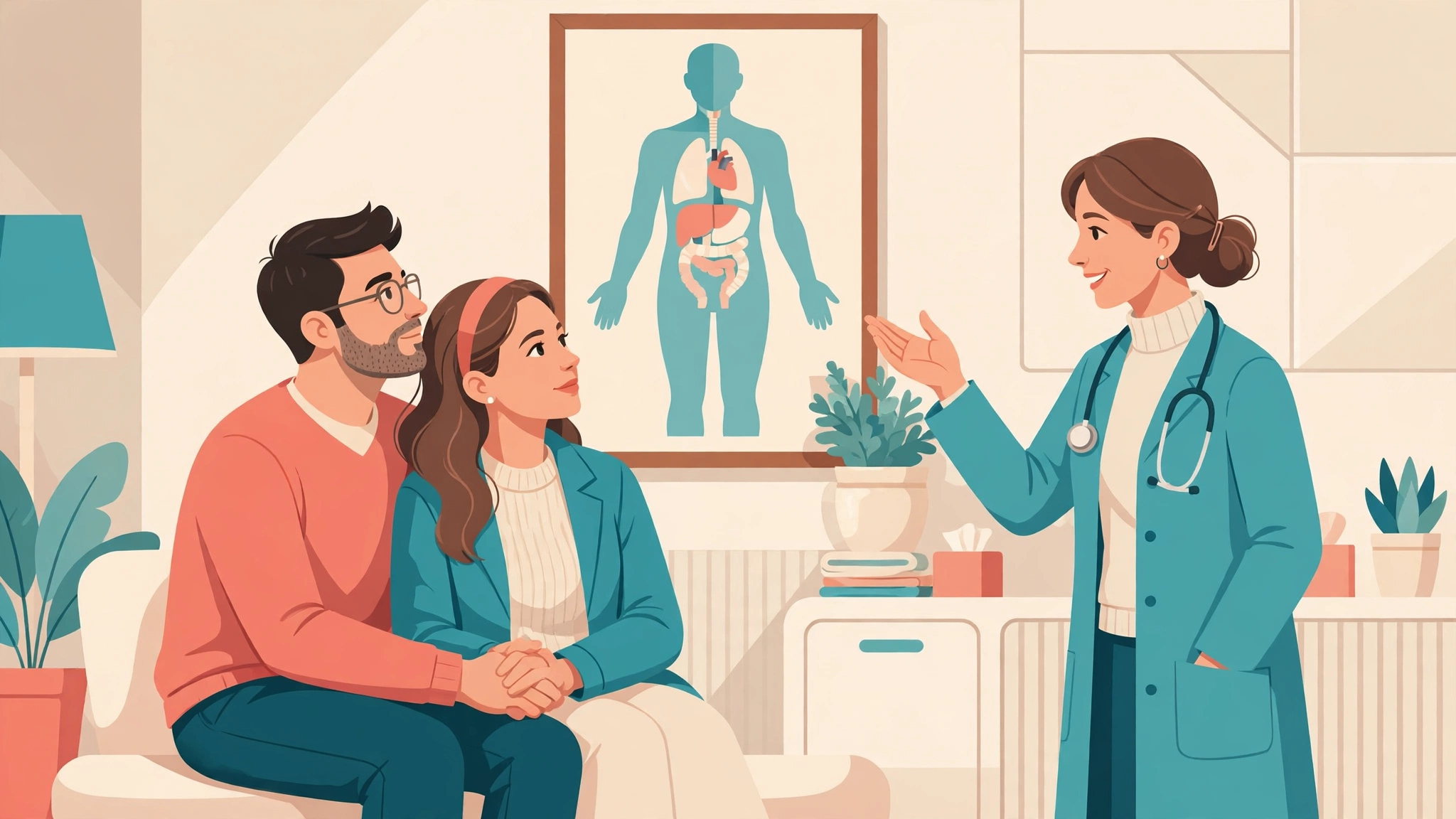
Fertility discussions usually center on the person with endometriosis, but the condition is lived as a couple. Pain during intercourse — a common symptom — can strain intimacy, while chronic pain and trying-to-conceive stress can quietly lower desire for one or both partners. Naming this with your doctor matters: pelvic-floor physiotherapy, pain strategies, and counseling can all help. Bringing the emotional side into endometriosis and fertility care is as important as any medical step.
Practices that doctors and counselors recommend to couples navigating endometriosis and fertility together:
- Attend appointments together. Treatment decisions affect both of you; shared information prevents one partner carrying it alone.
- Separate the disease from the relationship. Cancelled plans, painful intimacy, and difficult cycles are symptoms — not rejections. Saying so explicitly protects the partnership.
- Set a review date. Agree in advance that after a set number of months you will revisit the plan together — it turns an open-ended ordeal into a managed plan.
- Get support beyond the clinic. Peer support groups and counseling reduce the anxiety and low mood that commonly accompany infertility, and they give both partners language for what they are going through.
Where pain or infertility stress has affected desire, our guide to common causes of low libido explains what typically dampens it and what helps.
A Practical Pathway: What To Do at Each Step
National guidance increasingly sets out dedicated fertility pathways for endometriosis — structured options from expectant management to surgery to IUI or IVF, chosen by age, duration of trying, symptom severity, ovarian reserve, and male factors:
| Your situation | Sensible next step |
| Suspected endometriosis, not yet trying | Confirm the diagnosis; discuss your timeline and whether reserve testing or egg freezing makes sense |
| Trying under 6 months, mild disease, under 35 | Keep trying, but consider evaluation earlier than standard guidance |
| 35 or older, or 6–12 months without success | Full workup for both partners; referral to a fertility specialist |
| Severe disease, blocked tubes, or large endometriomas | Specialist discussion: surgery versus moving directly to IVF |
| Ovarian surgery being planned | Discuss egg freezing before the operation, not after |
Bring these questions to your doctor — adapted from patient guidance published by BMJ Best Practice:
- Could endometriosis be the reason we are not conceiving, and what would confirm it?
- Would treating the endometriosis improve our chances — and which treatment, in what order?
- What are the success rates for someone in my age group and with my stage of disease?
- Should we consider IVF now, or is a period of trying reasonable?
- If surgery is recommended, how will you protect my ovarian reserve?
Common Myths About Endometriosis and Fertility
Misinformation about endometriosis and fertility is widespread, and acting on the wrong assumptions can cost valuable time.
Myth: Pregnancy cures endometriosis. Symptoms often ease during pregnancy because menstrual cycles pause, but the underlying tissue remains and symptoms commonly return afterward. Pregnancy is not a recommended treatment for endometriosis.
Myth: Severe pain means severe infertility. Pain and fertility correlate poorly with the amount of disease. Mild disease can cause disabling pain yet allow natural conception; extensive disease can be nearly painless yet block the tubes mechanically.
Myth: Surgery should always come first. Surgery helps in specific scenarios, but routine surgery before IVF can delay treatment and reduce ovarian reserve without clearly improving outcomes. The sequence should be individualized, not automatic.
Myth: A special diet will restore fertility. While dietary changes may ease bloating or pelvic pain, there is no strong evidence that restrictive diets improve fertility in endometriosis. Doctors recommend a balanced, nutrient-dense diet over stressful restrictions; the NHS Health A-Z guide to endometriosis lists the evidence-based treatment options.
FAQs
Can I get pregnant naturally with endometriosis?
Yes. Roughly 60 to 70 percent of people with endometriosis conceive without medical help, with the best odds in mild disease and open tubes. Doctors think in monthly chances rather than absolutes; if conception has not happened after a reasonable number of cycles, an evaluation is the sensible next step.
Does endometriosis increase the risk of miscarriage?
Older studies suggested a link, but newer evidence is more reassuring: when people with endometriosis conceive through IVF, miscarriage rates are comparable to those without the condition. If miscarriages recur, doctors investigate separately — in endometriosis and fertility care, endometriosis is rarely the sole explanation, and adenomyosis is checked too.
Should I have surgery before IVF?
Not automatically. Surgery can modestly improve natural conception in mild disease, but removing ovarian cysts before IVF may lower ovarian reserve without clearly improving outcomes. Doctors reserve pre-IVF surgery for pain, very large cysts, or diagnostic uncertainty.
Will getting pregnant cure my endometriosis?
No. Pregnancy can pause symptoms because it suppresses menstrual cycles, but the underlying tissue remains and symptoms often return afterward. Doctors do not recommend pregnancy as a treatment — make family-planning decisions when you are ready for a child.
Does my partner need fertility testing too?
Yes. Roughly a third of infertility cases involve a male factor, and endometriosis can coexist with unrelated partner issues. A basic semen analysis is quick, non-invasive, and can change the entire treatment plan.
When should we see a fertility specialist?
With a known diagnosis, sooner than standard guidance suggests. While couples without concerns typically wait 12 months (6 months if 35 or older), many doctors recommend evaluation at the point of diagnosis. Early testing — ovarian reserve, tubal imaging, partner screening — keeps every option open.
If you are navigating endometriosis and fertility as a couple, the single most useful step is a frank conversation with your doctor at your next appointment — bring your questions, bring your partner, and ask for a plan that treats your fertility goals as the priority they are.
This article is for educational purposes only and is not medical advice. Endometriosis and fertility care involve individual medical decisions that depend on your history, examination, and test results. Always consult a qualified healthcare professional — such as your gynecologist or a reproductive endocrinologist — before making decisions about diagnosis or treatment.