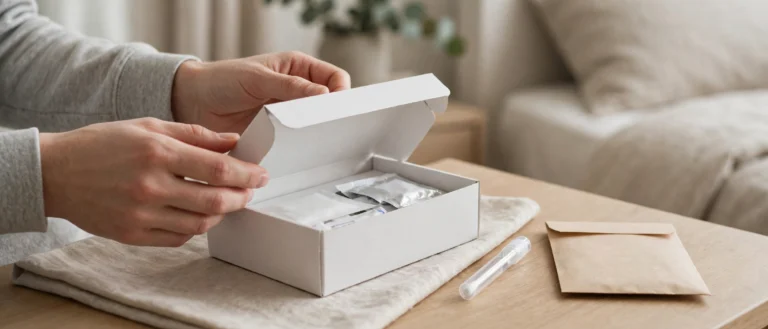
Long-Distance Relationship Intimacy: Staying Close While Apart
Long distance relationship intimacy does not disappear when partners live far apart, but it does change shape. Couples who text daily and schedule video calls can still feel a quiet drift in closeness. This guide explains why distance strains intimacy, what research shows, and twelve practical ways to protect your bond, plus two areas most guides ignore: sexual health across distance and reunion anxiety.
What Long Distance Intimacy Really Looks Like
Clinicians and relationship researchers describe long distance intimacy as having three distinct layers. Knowing which layer needs attention makes every strategy in this guide more effective, and the strongest long distance intimacy habits are the small, repeated ones.
- Emotional intimacy: feeling understood, safe, and included in your partner’s inner life. This is the layer distance threatens most, because the small daily moments that sustain it disappear.
- Physical intimacy: touch, closeness, and bodily comfort. Distance removes this layer almost entirely, which is why intentional substitutes matter.
- Sexual intimacy: desire, erotic connection, and sexual expression. This layer is rarely discussed honestly in long-distance advice, yet stress often shows up here first. Mayo Clinic notes that sexual health, including having healthy relationships and feeling safe and respected, is as important as physical and mental health (Mayo Clinic: Sexual health basics).
Healthy long distance intimacy does not require all three layers to be perfect at once. Couples who accept that physical closeness will ebb while deliberately feeding the other two layers usually report stronger bonds.
Why Distance Makes Intimacy Harder: What Research Shows
Research offers a more hopeful picture than many couples expect. In one widely cited diary study, long-distance partners contacted each other three to four times a day, disclosed personal information without being prompted, and tended to idealize each other’s openness. Long-distance couples often felt more intimate than couples living near each other, because their communication was unusually deliberate and responsive.
But the same research reveals the trap. When relationships depend entirely on planned communication, closeness becomes fragile. Tiredness, time zones, and stress make conversations feel flat, and couples can slide into a functional rhythm: talking about work, bills, flights, and logistics while avoiding deeper feelings. Therapists call this “maintenance without connection,” and it is the most common reason long distance relationship intimacy fades.
Stress adds a physiological layer. Chronic stress raises cortisol and disrupts sleep, both of which dampen sexual desire. The NHS lists stress, anxiety, depression, and relationship problems among the main causes of low libido, and notes that treating the cause usually restores desire (NHS: Loss of libido). Separation is inherently stressful, so a dip in desire during distance is common, not usually a sign the relationship is failing.

12 Practical Ways to Keep Intimacy Strong Across the Miles
These strategies strengthen long distance intimacy by targeting each of its three layers. Pick three or four that fit your schedules and personalities, and repeat them until they become rhythm rather than effort. Consistency is what turns effort into lasting long distance intimacy.
- Hold a weekly deeper-conversation call. Daily check-ins keep you informed, but closeness grows from talking about what is happening inside you. Ask two or three questions like “What felt emotionally heavy this week?” Keep it to 30 minutes so it stays a ritual, not a chore.
- Share small, unimportant moments. Intimacy lives in ordinary details, not headlines. Send a photo from your walk, a voice note after work, or a “this reminded me of you” message.
- Build one shared ritual. Rituals give long-distance relationships rhythm. Sunday morning coffee on video, a goodnight voice note, or a weekly “one thing I appreciated about you” message. Rituals work because they are predictable, and predictability makes long distance relationship intimacy feel safe.
- Schedule virtual dates with structure. Watching a film together on a call, cooking the same meal, or playing an online game creates shared experiences to talk about later. Give the date a start time and an agenda, so it feels like a real date, not a background call.
- Practice parallel presence. Not every call needs to be meaningful. Leave a video call open while you both cook, work, or drink morning coffee. Simply existing in each other’s company rebuilds the ordinary togetherness distance removes.
- Send tangible things. A package your partner can hold bridges the gap in a way no message can. Handwritten letters remain one of the most intimate gestures, alongside printed photos or a care package from home.
- Keep flirting. Couples easily drift into a “logistics only” tone, managing flights and schedules like colleagues. Playful, affectionate, or flirtatious messages remind you both that you are partners. Use voice and video for warmth, because tone and laughter travel far better through voice than through text.
- Build anticipation deliberately. Talk about the next visit, the next hug, the things you miss doing together. Anticipation keeps romantic energy present. Couples who plan future reunions are substantially more likely to stay together than those with no plan.
- Protect each other’s independence. Encourage your partner’s friendships, goals, and personal growth. A relationship that demands constant contact breeds resentment; one that balances closeness with independence breeds trust.
- Manage time zones like a project. Nothing kills long distance relationship intimacy faster than chronically exhausted 1 a.m. calls. Split the inconvenience fairly, alternate who stays up late, and protect one weekly overlap slot when both of you are rested.
- Be open about physical needs. Honest conversations about desire, comfort levels, and boundaries prevent that part of the relationship from quietly going silent. Respect each other’s pace: comfort with distance intimacy differs from person to person. The goal is shared comfort, never pressure.
- Plan for the endgame, gently. Intimacy needs a future. You do not need to solve everything at once, but talk honestly: is the distance temporary or open-ended? A relationship can survive uncertainty, but long distance relationship intimacy weakens when both people feel suspended indefinitely.
The Sexual Health Gap: Desire, Stress, and When to Call Your Doctor
Most long-distance advice stops at flirting tips, which leaves a real gap in long distance relationship intimacy guidance. Long distance relationship intimacy includes a sexual health dimension, and clinicians who work with separated couples see three patterns worth discussing.
Desire discrepancy gets magnified. When one partner wants frequent sexual contact across distance and the other does not, the mismatch feels enormous because every interaction is scheduled. Doctors frame this as a difference in desire rhythms, not a defect in either partner. Discussing it as “our rhythms differ” rather than “you never want to” changes the entire conversation.
Separation stress can lower desire on its own. Poor sleep, irregular hours across time zones, loneliness, and anxiety are all documented dampeners of libido. If your desire has dropped noticeably since the distance began, check the basics first: sleep, exercise, stress, and any new medications, including antidepressants and hormonal contraception. For the full walkthrough, see our guide to the common causes of low libido worth ruling out first.
Reunion performance anxiety is real. Some partners feel nervous before a visit: pressure to make the reunion “worth it,” fear that desire will not return instantly, or worry about sexual function after months apart. Doctors say this is common and usually temporary. What helps: lower the stakes of the first days back, lead with non-sexual affection, and avoid scheduling intimacy like a deadline. If problems like erectile difficulty or pain persist beyond reunions, or desire stays flat even when life is calm, talk to your doctor or a sexual health specialist rather than waiting another year.
Digital Intimacy, Consent, and Sexual Safety
The second gap most guides skip is safety. When physical intimacy happens through screens, long distance intimacy needs explicit ground rules, not assumptions. Building long distance intimacy through screens starts with safety.
- Agree on what gets shared, and where it lives. Before exchanging private photos or videos, agree: what are you both comfortable with? Does anything get saved, screenshotted, or backed up to the cloud? Explicit agreement on storage and deletion protects both partners.
- Never share anything without clear consent. Consent for receiving matters as much as consent for sending. Never forward a partner’s private images to anyone else, for any reason. Non-consensual sharing of intimate images is illegal in many jurisdictions and destroys trust.
- Think about privacy basics. Use private accounts, avoid identifiable details in image backgrounds, and be cautious on shared or work devices. Privacy protects dignity even in relationships built on trust.
- Talk about STI screening before reunion visits. This matters especially for couples whose relationship began recently, who had other partners during the separation, or who renegotiated exclusivity. Mayo Clinic notes that many STIs cause no symptoms, which is why testing and barrier methods matter even when everything feels fine (Mayo Clinic: STI prevention). A calm, pre-visit conversation about sexual health history and testing is a sign of maturity, not a lack of trust.
Reunion Anxiety: Making the First Days Back Feel Close Again
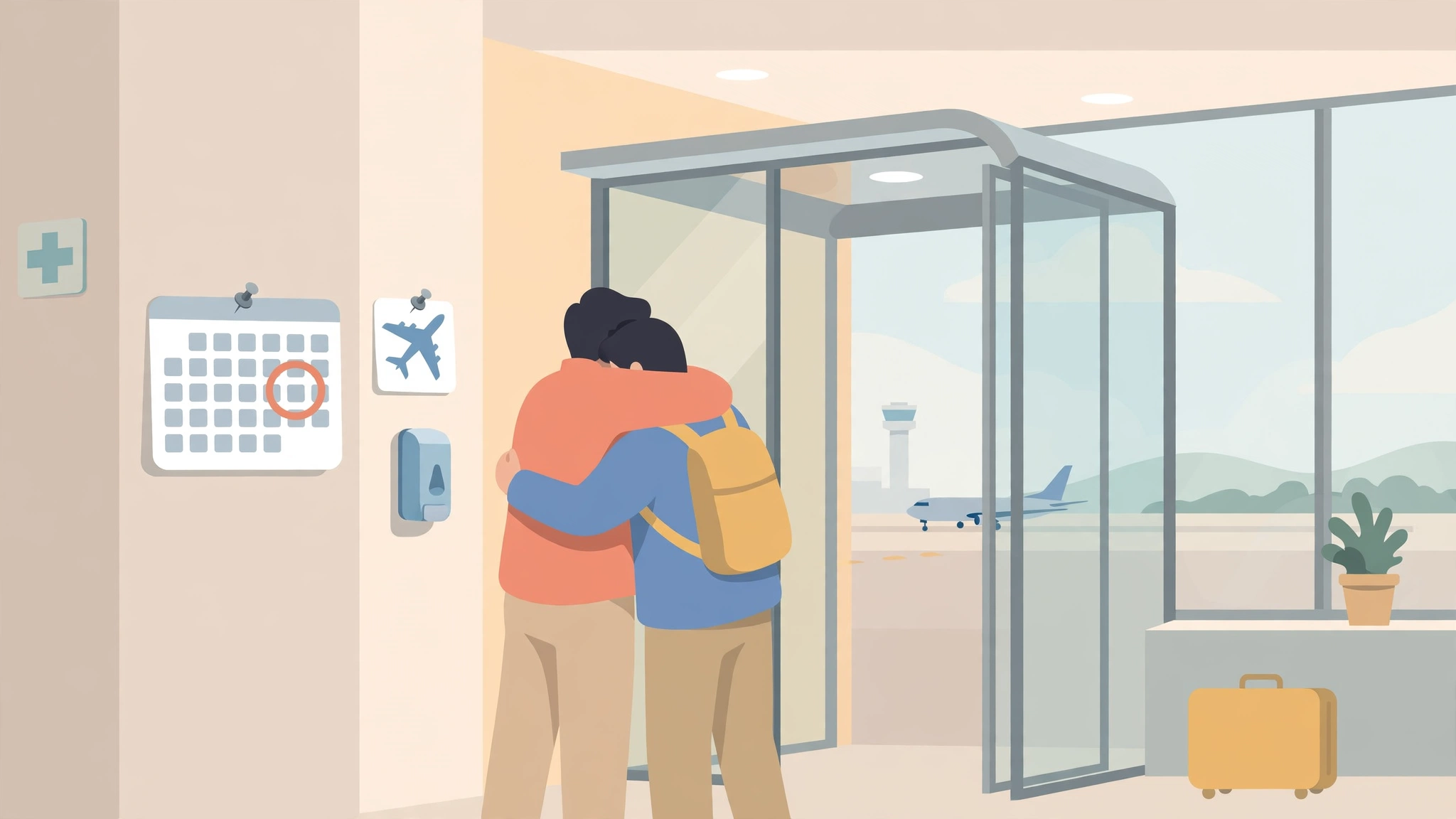
After months of scheduled calls and idealized memories, the first days of a visit can feel surprisingly awkward. Couples expect instant magic, then quietly panic when the hug feels stiff. Therapists say this is normal: during separation, partners idealize each other, and real, tired, jet-lagged humans take time to match the memory. Giving the reunion a few low-pressure days protects long distance intimacy far better than forcing instant magic.
- Rebuild physically in stages. Start with non-sexual affection: long hugs, hand-holding, sleeping close, a shared walk. Giving your bodies time to re-familiarize removes the pressure of a “reunion performance.” For gentle ideas on reconnecting physically, couples often benefit from revisiting beginner-friendly guidance on comfortable, unhurried intimacy.
- Keep one ritual from the distance period. If Sunday video coffee carried you through, have Sunday coffee in person. Continuity reminds both of you that the relationship is one continuous story, not two separate lives stitched together.
- Say the awkward part out loud. “I feel a bit nervous and I do not know why” dissolves tension. Pretending everything is perfect usually makes the gap wider, not smaller.
- Do not compress the relationship into the visit. Trying to fit months of closeness into one weekend exhausts both partners. Leave unscheduled time, see friends, do ordinary things. Ordinary life together is the foundation you are building.
The 10-Minute Weekly Intimacy Check-In
Couples who track their closeness intentionally do better than couples who wait for a crisis. Once a week, during your calmest overlap, spend ten minutes answering four questions together — a simple long distance relationship intimacy check-in:
- On a scale of 1 to 10, how emotionally close did we feel this week?
- What is one small thing that made you feel loved?
- What is one thing you need more of from me right now?
- Is there anything about the distance that feels harder than usual?
Two rules keep this healthy. First, it is a check-in, not a courtroom: listen without defending. Second, long distance intimacy is not surveillance. Constant location-checking or demanding immediate replies are anxiety behaviors, not closeness, and they erode trust. If the check-in repeatedly surfaces jealousy or control, talk to a couples counselor instead of increasing monitoring.
When Distance Hurts: Signs It Is Time for Professional Help
Long distance intimacy can be repaired with better communication in most cases, but some patterns need professional support. Doctors and therapists recommend seeking help if:
- You keep having the same emotional argument with no resolution.
- One or both partners feel lonely or sad even though you talk often.
- Calls feel tense, empty, or actively avoided.
- Sexual desire, function, or pain problems persist across reunions.
- You notice signs of depression, such as lasting low mood, loss of interest in things you used to enjoy, or disrupted sleep and appetite.
- There is persistent jealousy, controlling behavior, or pressure around digital intimacy that you cannot resolve together.
A primary care doctor can rule out medical contributors to low desire or sexual dysfunction, and a licensed couples therapist experienced with long-distance relationships can teach structured communication tools. Asking for help early is a strength; it protects the relationship you are both working to keep.
FAQs
Here are the questions couples ask most about long distance intimacy.
Can a long distance relationship survive without physical intimacy?
Yes, for extended periods, as long as emotional and sexual connection are deliberately maintained. Research shows that frequent, meaningful communication can produce long distance intimacy equal to or greater than couples who live together. The key is intention: rituals, deeper conversations, and planned reunions replace the spontaneous touch proximity provides.
How often should long distance couples talk to stay close?
Couples who connected three to four times daily, with some of those being meaningful rather than purely logistical, reported the highest satisfaction in diary research. Quality matters more than quantity: one calm, attentive conversation beats five distracted ones. Protect at least one weekly overlap when both partners are awake and rested.
How do you keep the spark alive in a long distance relationship?
Keep flirting in your messages, use voice and video for warmth rather than just updates, and talk openly about desire and boundaries. Anticipation for the next visit keeps romantic energy present. Combining emotional rituals, like a weekly deeper-conversation call, with romantic gestures, like surprise gifts or themed virtual dates, keeps long distance intimacy strong.
Is it normal to lose sexual desire during a long separation?
Yes, it is very common. Separation stress, poor sleep, irregular hours across time zones, loneliness, and anxiety all dampen desire. The NHS lists stress, anxiety, and relationship problems among the main causes of low libido. The dip is usually situational. If it persists after reunions or causes distress, a doctor can help rule out medical causes.
Should we get STI tests before a reunion visit?
It depends on your situation. For an established, monogamous relationship with no gaps, most doctors would not require it. But if the relationship is new, if either partner had other sexual partners during the separation, or if exclusivity was renegotiated, a calm conversation about sexual health history and testing is wise.
What if my partner and I want different levels of digital intimacy?
Mismatched comfort with photos, video intimacy, or flirtatious messages is common and not a sign of incompatibility. The partner with the narrower comfort zone sets the boundary, and both partners respect it without pressure. Talk about what each of you enjoys and what feels like too much, and revisit over time, because comfort levels often evolve as trust deepens.
Distance tests every relationship, but couples who protect their long distance intimacy with intention usually emerge closer, not weaker. Talk to your doctor or a licensed therapist if desire, sexual function, or emotional strain persist.
Medical disclaimer: This article is for educational purposes only and is not medical advice. It does not replace professional diagnosis or treatment. If you have concerns about sexual desire, sexual function, mental health, or your relationship, please consult a qualified healthcare professional.