Prostate Cancer and Your Sex Life: What to Expect
A prostate cancer diagnosis raises difficult questions, and one of the most personal is about intimacy: will my prostate cancer sex life ever feel normal again? The honest answer is reassuring and realistic at the same time. Yes, many men continue to enjoy a satisfying sexual life during and after prostate cancer — but it often looks different from before, and understanding why can make the adjustment far easier for both you and your partner. This honest overview of prostate cancer and sex is written to help both of you face what is ahead together.
Prostate cancer is one of the most common cancers in men — the American Cancer Society estimates about 1 in 8 men will be diagnosed in their lifetime. Because it is so common, doctors have learned a great deal about how its treatments affect sexual function, and there are now more strategies than ever for preserving intimacy. This guide walks you through what to expect, how each treatment affects you, and what steps couples can take to protect their connection and rebuild a confident prostate cancer sex life. Couples who keep talking openly about prostate cancer and sex tend to navigate recovery with more confidence.
How Treatment Shapes Prostate Cancer and Sex
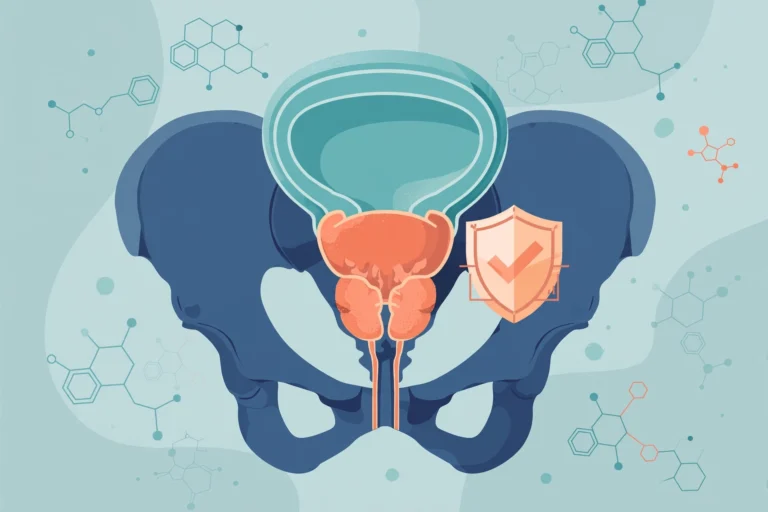
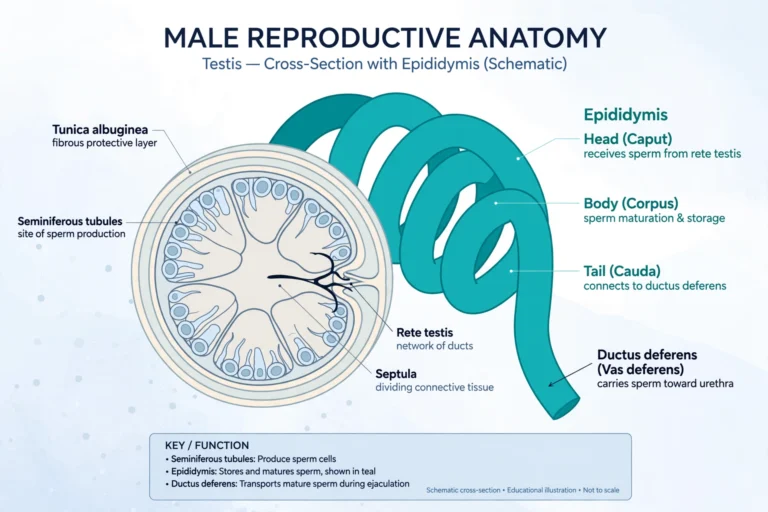
The cancer itself rarely damages sexual function directly — unless the tumor grows large enough to press on surrounding structures. Far more often, it is the treatment that changes how you experience prostate cancer and sex, and the impacts depend on which treatment you and your doctors choose.
The table below gives a quick side-by-side view. Every man is different — treat it as a starting point for your own conversation with your urologist, not as a prediction. Keep in mind that every man’s experience of prostate cancer and sex is unique.
| Treatment | Common sexual effects | Notes |
| Surgery (radical prostatectomy) | Erection problems; dry orgasms (no semen); possible mild temporary penis shortening; risk of urinary leakage during arousal (climacturia) | Recovery can continue improving for 6–24 months; nerve-sparing techniques improve odds |
| External beam radiation | Gradual erection changes; reduced semen volume; fatigue and lower desire during treatment weeks | Effects may appear gradually over months to years; bowel and bladder changes can also affect comfort |
| Brachytherapy (seed implants) | Similar to external radiation over time; temporary radiation exposure risk to a partner during sex | Doctors often advise using condoms for a period after implantation — ask your care team for exact timing |
| Hormone therapy (ADT) | Lowered libido; erection difficulty; less intense orgasms; smaller ejaculate; smaller testicles and penis | Many sexual effects improve once treatment stops and testosterone recovers |
It is worth noting that for low-risk, slow-growing cancers, some men choose active surveillance — close monitoring instead of immediate treatment — which generally avoids the sexual side effects of active treatment. Discuss every option with your care team before deciding.
Erectile Dysfunction After Prostate Cancer Treatment
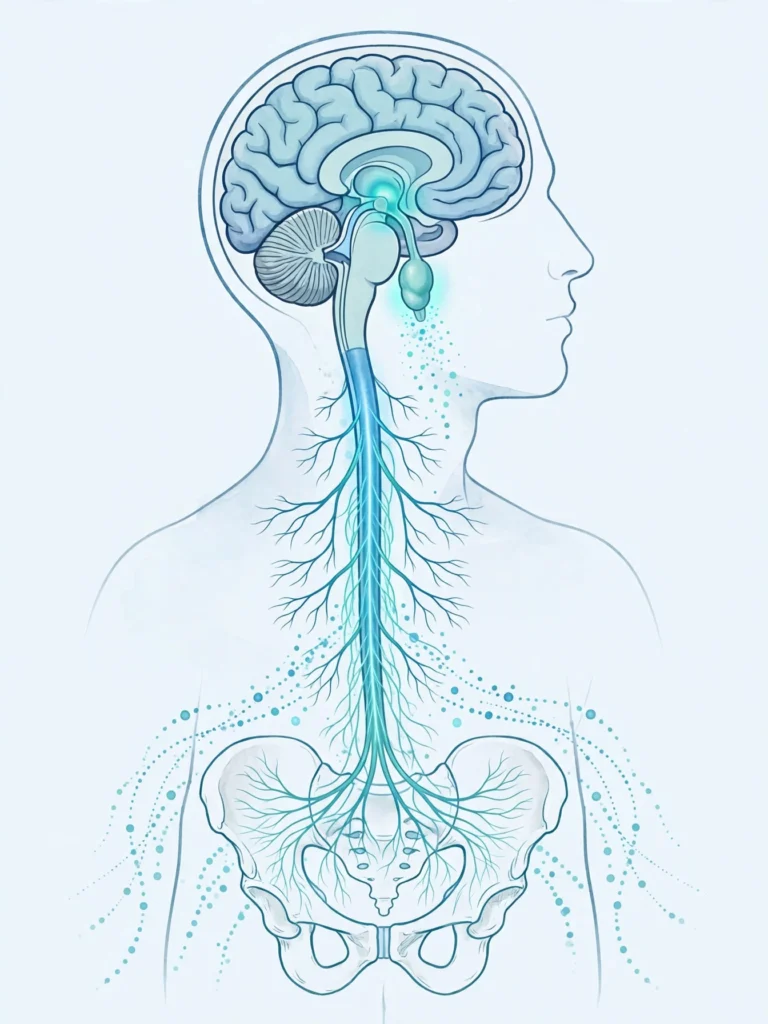
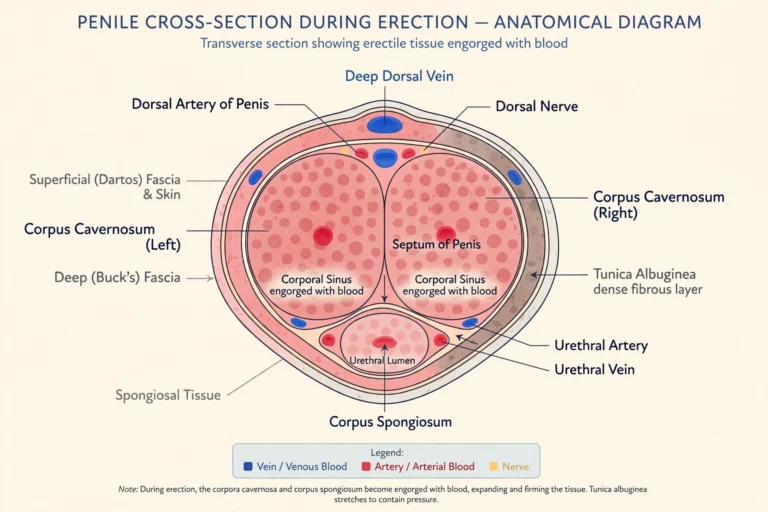
Erectile dysfunction is the most commonly reported sexual side effect of prostate cancer treatment, and some sources estimate it affects a large majority of men at some point in their journey. The nerves and blood vessels needed for erections run extremely close to the prostate, which is why they are vulnerable during surgery and radiation — and why ED is the defining challenge of prostate cancer and sex for so many men. Knowing this is anatomy rather than a personal failure can lift a surprising amount of shame, and it reframes the conversation around prostate cancer and sex from blame to strategy.
The good news is that doctors have a structured ladder of options for erection problems, and most men find something that works:
- Oral medications: Your doctor may prescribe medications that increase blood flow to the penis. They work best when nerves are partly intact, and they are often the first option tried — see the Mayo Clinic’s overview of erectile dysfunction and prostate cancer for how doctors think through the options for a prostate cancer sex life after treatment.
- Penile rehabilitation programs: Many cancer centers recommend planned, regular erections after treatment — via stimulation or medication — to keep penile tissue oxygenated while nerves heal. Doctors advise starting early.
- Vacuum erection devices: These draw blood into the penis mechanically, and can double as part of a rehabilitation program.
- Medicated urethral therapy or injections: Medications placed at or injected into the penis can produce erections even with significant nerve damage. Your urologist can teach you the technique and confirm it is safe for you.
- Penile implants: A surgically placed device can restore reliable erections when other approaches are not enough, and patient satisfaction rates in medical studies are high.
Pelvic floor (Kegel) exercises deserve special mention: strengthening the pelvic floor muscles can support erection quality and help with climacturia — the urinary leakage some men notice during arousal or orgasm after treatment. Ask your care team for a referral to pelvic floor physical therapy if this is a concern — it directly supports a healthier prostate cancer sex life.
Changes Beyond Erections: Orgasm, Ejaculation, and Desire
A fulfilling prostate cancer sex life involves much more than erections, and treatment changes each of these areas in distinct ways.
Ejaculation and “dry orgasm.” After prostate removal, men no longer produce semen — the seminal vesicles are removed along with the prostate, and the fluid that made up most of ejaculate is gone. The result is called a dry orgasm: the sensation of climax without fluid. Mayo Clinic experts note that many men still find orgasms pleasurable, though they may feel different from before. Radiation and hormone therapy can also reduce semen volume.
Orgasm sensation. Some men report orgasms that feel weaker, delayed, or occasionally uncomfortable after treatment. This can improve with time, and — importantly — orgasm is still possible even without erections: you do not need a firm erection to experience climax, and many men rediscover pleasure in this area as their prostate cancer sex life evolves.
Desire (libido). Wanting sex less often is one of the most under-discussed effects. Hormone therapy lowers testosterone directly, but even without it, fatigue, stress, anxiety about performance, and changes in body image can quietly erode desire. If your interest has dropped, know that this too is a recognized medical effect — not a reflection of your feelings for your partner. Our guide on the common causes of low libido worth ruling out first covers several overlapping factors worth exploring with your doctor.
Penis and testicle changes. Surgery can cause a temporary mild decrease in penis length, though studies show it often recovers. Hormone therapy commonly reduces testicle size and can slightly reduce penis size while treatment continues; most of this reverses after treatment ends.
A Realistic Recovery Timeline for Your Prostate Cancer Sex Life
One gap in most articles on this topic is honest guidance about how long recovery takes. Here is what doctors generally tell couples to expect from a prostate cancer sex life as recovery unfolds:
- After surgery: Recovery is measured in months, not weeks. Many men notice gradual improvement over 6 to 24 months, with the biggest gains typically in the first year — doctors describe this as “the nerves waking up.”
- After radiation: Erection quality may stay close to normal at first, then decline gradually over months or years as tissue changes develop. Long-term follow-up matters well after treatment ends.
- After hormone therapy: Sexual effects track treatment duration. Short courses of a few months often reverse within months of stopping; longer courses take longer, and testosterone recovery varies by age and health.
Three factors consistently predict better recovery: younger age, good erection quality before treatment, and nerve-sparing surgical technique when surgery is the choice. None of these guarantee an outcome — they simply help your doctor give you a more honest personal outlook. Whatever your timeline for prostate cancer sex life recovery, the experts at centers like Mayo Clinic and the ISSM emphasize the same point: steady rehabilitation effort during the recovery window matters more than rushing to a finish line.
Before Treatment Begins: Questions to Ask Your Care Team
The single most valuable step you can take for your future prostate cancer sex life happens before treatment starts. Treatment decisions made in a hurry often skip the sexual-health conversation — but there is always time to ask. Bring your partner to the appointment if you can, and consider asking:
- How is my prostate cancer treatment likely to affect my erections, orgasm, and desire — specifically for my age and health?
- Am I a candidate for nerve-sparing surgery, and what does that realistically change?
- Is active surveillance an option for my cancer’s stage and grade?
- How long will hormone therapy last, and what happens to sexual function when it stops?
- Should I consider sperm banking before treatment? (See the fertility section below.)
- Do you offer a penile rehabilitation program, and when should it start?
- Which erection treatments would you recommend I try first, and what are the next steps if they don’t work?
- How soon after treatment can we safely resume sexual activity or masturbation?
Note your doctor’s answers — recovery details are easy to forget under stress, and a written record helps you and your partner stay aligned with the plan.

Helping Your Partner Stay Connected
Partners experience their own emotional journey. The man with the diagnosis may withdraw out of fear of disappointing his partner; the partner may withdraw out of fear of pressuring him. Without honest talk, both can end up lonely inside the same relationship. Research on couples facing prostate cancer consistently finds that open communication about intimacy is one of the strongest predictors of a good long-term outcome for their prostate cancer sex life.
A few practical approaches that sexual health specialists recommend for couples:
- Redefine the goal of intimacy: Sex does not have to mean intercourse. Many couples find that touch, massage, kissing, and mutual stimulation — explored without the pressure of a “performance” — restore closeness and can be deeply satisfying even while erections are recovering.
- Schedule low-pressure intimacy: Setting aside time to simply be physically close removes the anxiety of spontaneous initiation. Start with non-sexual touch and let things develop naturally.
- Talk in “what I feel” language: “I feel nervous about disappointing you” opens a conversation; “you don’t want me anymore” closes one.
- Include your partner in medical visits: When both partners hear the doctor’s explanation of side effects, misunderstandings drop sharply — and so does the blame each silently assigns themselves.
- Consider professional support: A certified sex therapist or couples counselor experienced with cancer can help you navigate this faster than you expect. Support groups connect you with couples who have walked the same road — many partners say this is the most comforting resource of all.
If emotional strain lingers, treat it like any other health issue and get help early — depression and anxiety are treatable, and both are known to dampen desire, as we discuss in our guide on low libido causes worth ruling out first.
Fertility and Family Planning
For younger men, or couples who still hope to have children, fertility deserves its own conversation before treatment begins — because surgery and radiation can make natural conception extremely difficult or impossible afterward. The practical step doctors recommend is simple: discuss sperm banking with your care team before treatment. Stored sperm can later be used with assisted reproduction techniques such as IVF — a key option for anyone thinking about how a prostate cancer sex life and future family plans overlap.
Hormone therapy also suppresses sperm production, and although fertility sometimes returns after treatment ends, it is not guaranteed. If pregnancy is even a distant possibility, raise the topic early. If you are receiving brachytherapy (radioactive seed implants), ask your doctor how long to use condoms during sex and whether any temporary distance precautions apply for a pregnant partner — guidance varies, so get it directly from your radiation team.
FAQs
Can I have sex while I have prostate cancer?
Yes. The cancer itself does not prevent sex, and sexual activity does not spread prostate cancer to a partner or make treatment less effective. The main exceptions are the healing period right after surgery, when your surgeon will advise waiting, and specific precautions after brachytherapy seed implants. For a fuller walkthrough of these safety questions, Macmillan Cancer Support offers a dedicated guide to sex life and prostate cancer. When in doubt, confirm timing with your own care team.
Can I masturbate during or after prostate cancer treatment?
In most cases, yes — there is nothing about prostate cancer that makes masturbation dangerous. Doctors sometimes recommend waiting a week or so after certain procedures, but beyond that, many rehabilitation programs actively encourage regular stimulation to support tissue health and erection recovery. Ask your urologist for guidance specific to your treatment.
Will my erections come back after prostatectomy?
Many men do see meaningful improvement, though recovery is gradual — typically over 6 to 24 months — and depends on your age, your erection quality before surgery, and whether nerve-sparing techniques were used. Following a penile rehabilitation plan and trying doctor-recommended erection treatments early give you the best chance of recovering as much function as possible, and a full return to a satisfying prostate cancer sex life.
What is a dry orgasm after prostate cancer treatment?
A dry orgasm is a climax with little or no semen. It happens because surgery removes the prostate and seminal vesicles, which produce most of ejaculate fluid, and can also result from radiation or hormone therapy reducing fluid production. It is not harmful or painful for most men, and many still experience orgasm as pleasurable — just different.
Can prostate cancer treatment make me infertile?
Surgery and radiation to the prostate usually do, because they remove or disable the glands and pathways that make conception possible. Hormone therapy suppresses fertility while treatment continues. If having biological children is even a possibility for you, ask about sperm banking before treatment starts — after treatment begins, the option may be gone.
How can my partner and I stay intimate if intercourse is difficult?
Broaden what intimacy means: extended kissing, sensual massage, mutual manual or oral stimulation, and simply holding each other can maintain a strong physical bond without requiring an erection. Many couples say this period actually deepened their connection. Combining open communication with guidance from a sex therapist or support group can make the transition much easier for both of you.
If you take one message from this guide, let it be this: a prostate cancer diagnosis changes your sex life, but it does not end it. With honest conversations, realistic expectations, a clear recovery plan, and the many medical options doctors now offer, most couples find their way back to a satisfying intimate life — a prostate cancer sex life that looks different, but stays deeply fulfilling. Starting that conversation before treatment begins makes the journey easier. Explore our related sexual health guides, and above all, talk to your doctor: no question about your prostate cancer sex life is too awkward for the person responsible for treating it.
Medical disclaimer: This article is for educational purposes only and is not medical advice. Every patient’s situation is different, and treatment decisions should always be made with a qualified healthcare professional. If you have questions about prostate cancer, its treatment, or sexual side effects, consult your urologist, oncologist, or another qualified medical provider.