[Intimacy] Shower Sex: Safety Tips for Couples
Shower sex can be an exciting way for couples to add variety and sensory novelty to their intimate lives, but it comes with very real safety considerations that most bedroom play does not. Wet tile, reduced friction where you do not want it, altered condom performance, and slippery footing mean that a little preparation goes a long way. These shower sex cover the essentials every couple should know before turning up the water: fall prevention, the right lubricant, proper protection, stable positioning, and clear communication. The goal is simple — keep the experience safe, comfortable, and genuinely enjoyable for both partners. Reading through these shower sex safety tips before your next session helps both partners feel confident and relaxed.
Why Shower Sex Needs a Safety Plan
A shower is not designed for two people moving together on wet porcelain and tile. The single most common risk is a slip or fall, which can range from a bruised hip to a serious head or spinal injury on a hard surface. Water, soap residue, and smooth tiles create a low-traction environment, and the small space limits how you can catch yourself. Add two bodies, limited visibility from steam, and positions that demand balance, and the risk multiplies. That does not mean couples should avoid the shower — it means treating safety as part of the planning, not an afterthought. Most of the precautions below take only a few minutes to put in place. A few minutes of preparation makes shower sex far safer for both partners.
shower sex: Make Your Shower Slip-Proof
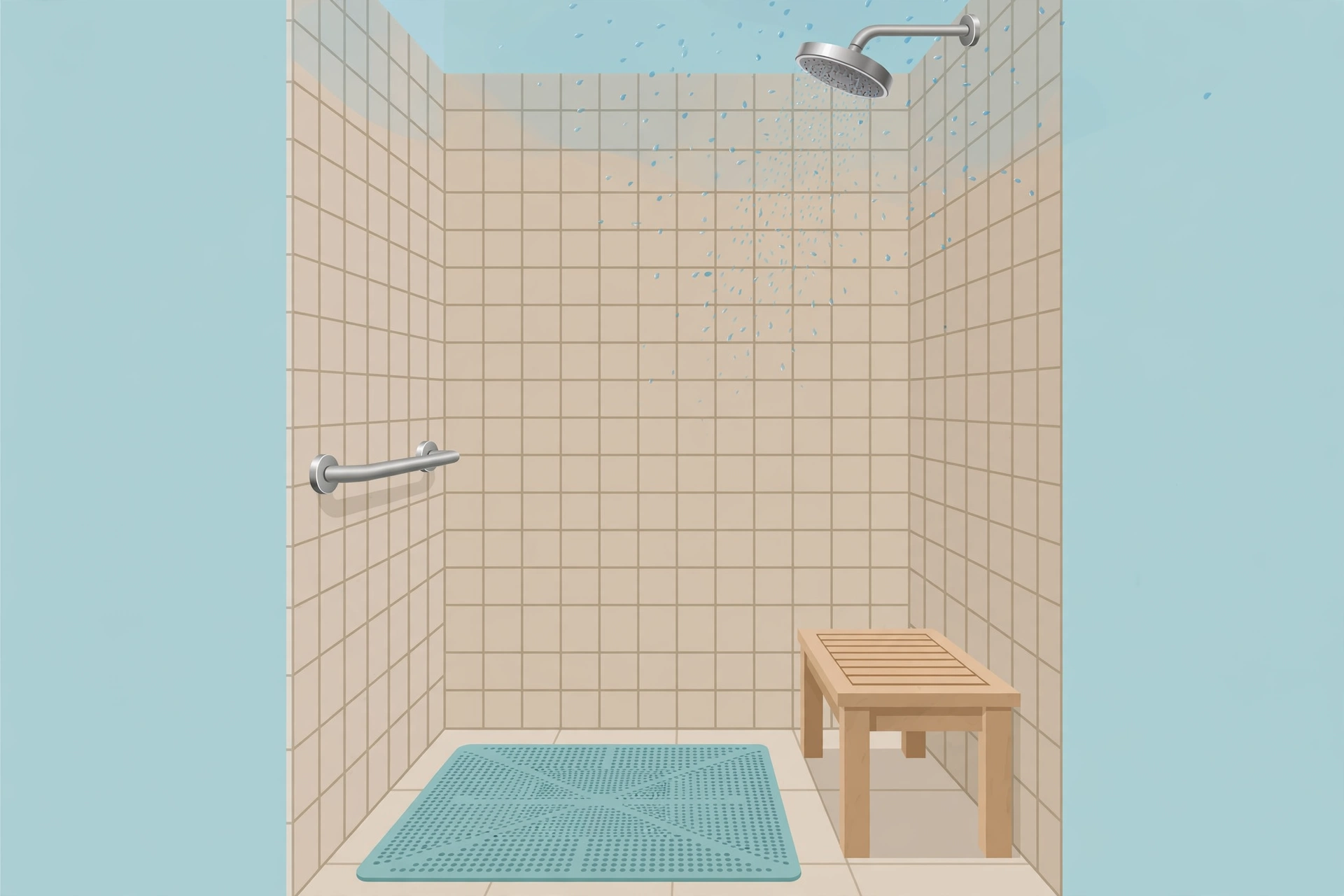
Fall prevention is the foundation of every other safety tip, so start here before anything else. A slip-proof setup is the single most important investment for safe shower sex.
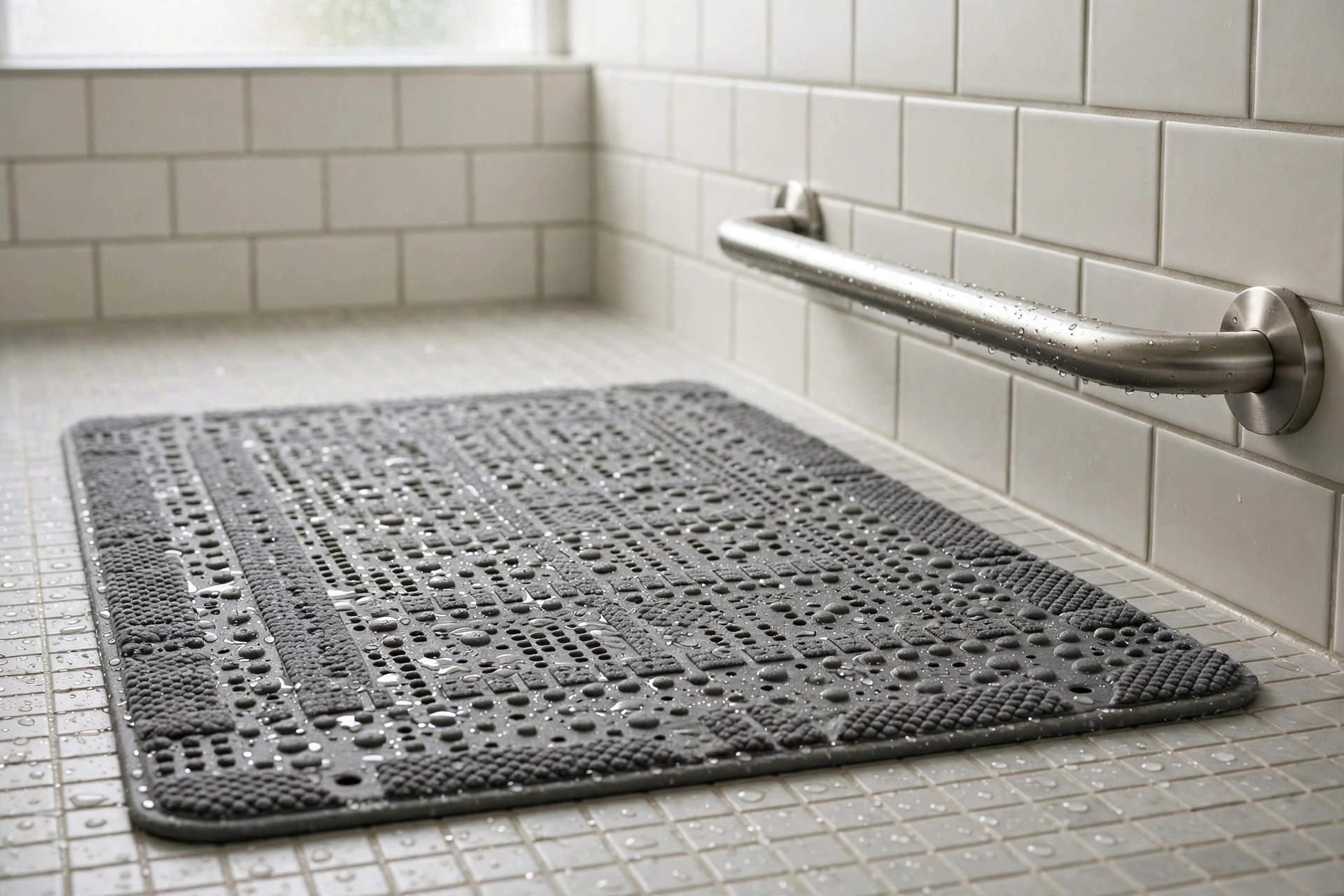
- Use a non-slip mat. Place a quality non-slip mat or adhesive traction strips on the shower floor. A mat with suction cups that grips the floor is far more effective than a decorative bath mat.
- Install a grab bar. A properly mounted grab bar (bolted into studs, not a suction-cup handle, for serious load-bearing) gives both partners something secure to hold. Suction-cup handles can help with light support and positioning, but do not rely on them to catch a falling adult.
- Clear the clutter. Move shampoo bottles, razors, and anything else you could knock over or step on. Glass containers are a particular hazard — replace them or remove them before you begin.
- Rinse soap residue from the floor. Soap and conditioner residue makes tiles dramatically slicker. Rinse the floor before and during, not just at the end.
- Never lean on glass doors or shelves. Shower doors, glass panels, and corner shelves are not engineered to support body weight and can shatter or tear off the wall under load. Lean only on tiled walls, grab bars, or the tub edge.
A useful golden rule: at least one partner should act as an “anchor” at all times — braced against the wall, kneeling, or otherwise in a stable base position — so a slip by one person does not send both partners down.
Keep Water Temperature in the Safe Zone
Keep the water warm, not scalding. Very hot water can cause dizziness and lightheadedness, especially when combined with the drop in blood pressure that arousal itself can bring about. Feeling faint in a slippery, hard-surfaced shower is a genuinely dangerous combination. On the other end, very cold water causes muscle tension and can be distracting enough to ruin the experience. Aim for comfortably warm, and keep the bathroom itself warm and steamy rather than blasting the water hotter — close the bathroom door and let the steam build. Moderate water keeps shower sex comfortable and safe from the start.
If either partner feels dizzy, nauseated, or overheated, step out of the water stream immediately, sit down if possible, and cool off. If you have a heart condition, blood pressure condition, or are pregnant, be conservative with water temperature and check with your clinician before trying anything new.
Protection Still Applies: Condoms, STIs, and Pregnancy
Water does not protect against sexually transmitted infections or pregnancy. This is one of the most persistent misconceptions about shower sex, so it bears repeating: the shower does not rinse away STIs or prevent conception. Sperm can survive for days in the reproductive tract, and washing afterward does not prevent pregnancy. Couples should use the same protection they would anywhere else. Shower sex never replaces the condoms and protection you would use in the bedroom.
- Put the condom on before entering the shower. This keeps water from getting inside the condom, which can cause slippage and chafing, and lets you confirm it is on correctly before everything gets wet.
- Heat can degrade latex. Prolonged exposure to very hot water and steam can weaken latex condoms. Keep the water moderate and check the condom for damage or slippage afterward. If a condom breaks or slips off, stop and replace it.
- Choose a condom-compatible lubricant. Silicone-based lubricants are generally safe with latex condoms, but oil-based products (coconut oil, massage oil, lotions) can weaken latex and cause breakage. Never substitute soap or shampoo for lubricant.
The CDC notes that condoms must be used correctly and consistently to provide the best protection against STIs and HIV, and offers detailed guidance on proper use — see their condom use overview for the full picture. Water also washes away natural lubrication, which can cause irritation that raises the risk of microtears and, in turn, the risk of STI transmission — another reason the right lubricant matters. If you and your partner are not exclusive, having an honest conversation about STI status before intimate activities is an important part of safety; see our guide on talking about STI disclosure with a partner for how to approach that conversation with care.
Pick Stable Positions and Use the Anchor Rule
Not every position translates to a wet, standing environment. The safest approaches share common features: at least three points of stable contact, one partner braced against a wall or grab bar, and no acrobatic lifting. Practical options include one partner leaning against the wall for balance while the other stands close behind, facing each other with hands on the wall, or using a sturdy shower stool or bench so one partner can sit securely. Avoid lifting a partner off the ground — a slip while carrying someone can injure both of you. Kneeling positions can be safer for the person kneeling, but place a folded towel or non-slip mat under the knees for cushioning and traction, and be cautious of knee strain on hard surfaces. Get into position and settle in before things get going rather than shifting around mid-moment; minimizing movement is one of the simplest fall-prevention strategies there is. Practice your footing first so shower sex stays relaxed rather than wobbly. If you are newer to exploring together, our beginner’s guide to comfortable sex positions covers body-friendly options that translate well to standing and wall-supported play.
Keep Talking: Consent and Communication in Tight Quarters
A shower is a smaller, noisier, more slippery space than a bedroom, which makes clear communication even more important. Agree in advance on what you both want to try, and establish that either partner can call a pause at any time — a simple word or signal that means “hold still” is useful when voices are muffled by water.
Check in about comfort: “Does this feel okay?” is never out of place. Because slipping is always possible, also agree on how you will handle an interruption — keep a phone within reach but outside the splash zone, and do not lock the bathroom door in a way that would delay help if someone were injured. Clear, enthusiastic consent matters everywhere, but the shower’s distractions make it worth being extra deliberate. A quick check-in keeps shower sex comfortable for both of you.
Choose the Right Lubricant for Shower Sex
Counterintuitively, water is not a good lubricant — in fact, running water can increase friction between bodies because it washes away natural lubrication and the body’s own moisture. For comfort and to reduce the risk of irritation or microtears, use a lubricant designed to hold up underwater. The right lubricant is one of the simplest upgrades for better shower sex.
- Silicone-based lubricant is the best choice for the shower. Unlike water-based formulas, which rinse away quickly, silicone-based lubricants are water-resistant and long-lasting, so you do not need to constantly reapply.
- Apply before getting under the water and keep the bottle close by for reapplication. Note that spilled silicone lubricant can make the shower floor extremely slippery — wipe up any drips promptly.
- Never use soap, shampoo, or body wash as a lubricant. These products belong on the skin, not on or inside the genitals; they can disrupt the vagina’s natural pH, cause burning and irritation, and increase infection risk.
- Avoid oil-based products with latex condoms, as oils degrade latex and raise the risk of breakage.
Choosing the right product matters for both safety and comfort — our body-safe lubricant guide walks through ingredients to look for and avoid.
After the Shower: Hygiene and Post-Play Care
What you do after shower sex matters for your health too. Rinse away lubricant residue gently — silicone-based products can leave a film on skin and on the shower floor, so clean the floor afterward to prevent the next person from slipping. Gently pat dry rather than scrubbing sensitive skin. Urinating after sex can help reduce the risk of urinary tract infections for women. If you used toys, clean them according to the manufacturer’s instructions before storing them; different materials (glass, steel, body-safe silicone) have different cleaning needs, and warm water with mild unscented soap is usually sufficient. If irritation, unusual discharge, burning with urination, or pain develops in the days afterward, do not ignore it — contact your clinician promptly. Good aftercare rounds out a great shower sex experience.
Special Considerations: Mobility, Pregnancy, and Health Conditions
Not every body experiences the shower the same way, and standard advice should be adapted to your situation. Talking with a clinician first helps keep shower sex safe when you manage a health condition.
- Mobility limitations or older adults. A shower stool or sturdy bath chair can make intimacy in the shower safer and more comfortable, turning a balance-demanding activity into a seated one. A handheld showerhead adds flexibility without requiring anyone to stand under the main stream.
- Pregnancy. Comfortably warm water is fine, but avoid very hot water and overheating, which are not recommended during pregnancy. Balance changes as pregnancy progresses, so be especially cautious with footing, and talk with your obstetric clinician if you have any concerns.
- Heart conditions and blood pressure. Hot water causes blood vessels to dilate and can lower blood pressure, potentially causing dizziness. If you manage a cardiovascular condition, keep water moderate and consider talking with your doctor about what is safe for you.
- Skin sensitivities. Fragranced products and harsh cleansers can irritate sensitive genital tissue; stick to warm water and gentle, unscented products for intimate areas.
Know When to Step Out
Some of the best advice about shower sex is knowing when to end it. If the water is washing away all your lubricant, if someone is cold, cramping, dizzy, or simply not enjoying a position, there is no rule that says you must stay in the shower. Towel off and move to the bedroom, where you have better footing, better lighting, and more options. Ending shower sex early when something feels off is always the right call. Treating the shower as a beginning rather than the whole event often produces a better experience for both partners — and zero emergency-room visits.
Frequently Asked Questions
Can you get pregnant from shower sex?
Yes. Water does not prevent pregnancy — sperm can survive for days in the reproductive tract, and washing out the ejaculate afterward will not prevent conception. Use your usual contraception (condoms, hormonal methods, or whatever you rely on) just as you would anywhere else.
Can you get an STI from shower sex?
Yes. Water does not kill or wash away the pathogens that cause gonorrhea, chlamydia, herpes, genital warts, HIV, or other sexually transmitted infections. In fact, because water washes away natural lubrication and can increase friction, the risk of microtears and irritation may be higher, which can raise transmission risk. Use condoms consistently and correctly. Safe shower sex always includes condoms when STI risk is a concern.
What kind of lubricant is best for shower sex?
A silicone-based lubricant. Water-based lubricants rinse off quickly under running water, while silicone-based formulas are water-resistant and last much longer. Make sure the product is compatible with your condoms — silicone-based lubes are generally safe with latex, but oil-based products are not. Never use soap, shampoo, or body wash as a lubricant.
Is it safe to use a condom in the shower?
Yes, with precautions. Put the condom on before entering the shower to keep water from getting inside it, keep water temperatures moderate since prolonged heat can weaken latex, and check the condom afterward for slippage or breakage. Pair it with a condom-safe (silicone-based, not oil-based) lubricant.
What is the most common injury risk with shower sex?
Slips and falls. Wet tile, soap residue, and positions that demand balance make falls the leading hazard, and a fall onto porcelain or tile can cause fractures, head injuries, or worse. A non-slip mat, grab bar, cleared clutter, and the anchor rule (one partner always braced) are the most effective defenses.
Can soap or body wash be used as a lubricant?
No. Soap and body wash are not lubricants — they increase friction over time, disrupt the vagina’s natural pH balance, and can cause burning, irritation, and infection. They also make the shower floor more slippery. Use a proper silicone-based personal lubricant instead.
When should we skip shower sex altogether?
Consider skipping it if either partner has balance or mobility issues that cannot be safely accommodated, if you feel dizzy or unwell, if you do not have reliable footing (no mat, slick tile), if water temperatures cannot be kept moderate, or if either partner is not fully enthusiastic. Intimacy should always be comfortable and consensual — there is nothing wrong with moving to the bedroom.
A Note on Medical Information
This article is for educational purposes only and is not a substitute for professional medical advice, diagnosis, or treatment. Everyone’s health situation is different. If you have questions about sexual health, contraception, STI testing, or whether a particular activity is safe for you — especially if you are pregnant, manage a heart or blood-pressure condition, or take medications that affect balance or circulation — please consult a qualified clinician. Never delay seeking medical care because of something you read online. If you experience injury, persistent pain, unusual discharge, or signs of infection after sexual activity, contact your healthcare provider promptly.
Shower sex can be a fun and intimate experience for couples who prepare for it. With a slip-proofed shower, the right lubricant, reliable protection, stable positioning, and open communication, you remove the distractions and hazards that ruin the moment — and keep the focus where it belongs: on each other.