painful sex: Causes and Relief
Having a baby is a profound life event — joyful, exhausting, and full of change. One change that catches many new parents off guard is that returning to sexual intimacy can hurt. painful sex is extremely common: studies estimate that roughly 30 to 45 percent of women experience pain during intercourse in the months following delivery, and many more notice discomfort, dryness, or reduced enjoyment even if they would not describe it as “pain.”
If this is happening to you, you are far from alone, and — importantly — you do not have to simply tolerate it. painful sex has identifiable, treatable causes. Understanding what is driving the discomfort is the first step toward relief, and most of the common causes respond well to straightforward measures, from simple lifestyle adjustments to targeted professional care.
Is painful sex Normal?
Some degree of tenderness, dryness, or sensitivity in the early weeks after delivery is expected while tissues heal. However, there is a meaningful difference between normal healing discomfort and persistent painful sex that lingers for months. Ongoing pain is common, but it is not something you should be expected to “live with.” Clinicians increasingly emphasize that postpartum sexual pain deserves proper evaluation rather than dismissal.
It is also worth knowing that this experience is not limited to vaginal births. Women who deliver by cesarean section can also experience painful sex, because many of the hormonal and muscular changes of pregnancy and the postpartum period affect the body regardless of delivery method.
Common Causes of painful sex
Pain during postpartum intercourse usually comes from a combination of factors rather than a single one. Here are the most frequent contributors, from the most common to the less obvious ones that are frequently missed.
Hormonal Changes and Vaginal Dryness
After delivery, estrogen levels fall sharply. Estrogen keeps vaginal tissue supple, elastic, and well-lubricated; without enough of it, the vaginal walls become thinner, drier, and less stretchy — a condition sometimes described as similar to what happens during menopause. Breastfeeding intensifies this effect, because the hormone prolactin (which drives milk production) further suppresses estrogen. The result: dryness, irritation, and friction during intercourse that can make sex genuinely painful, even if healing is otherwise complete.
This hormonal dryness can persist for as long as breastfeeding continues frequently, or it may ease gradually as nursing sessions space out. For women who do not breastfeed, estrogen usually rebounds sooner. Because dryness is so frequently the main driver of postpartum sexual pain, addressing it alone resolves the problem for many couples.
Vaginal Tears, Episiotomy, and Perineal Scarring
During vaginal birth, the perineum (the tissue between the vagina and anus) may tear, or a clinician may make an episiotomy — a surgical cut to widen the vaginal opening. Both heal with scar tissue, which is less flexible than the original tissue and can remain sensitive for weeks or months. Some women also find that a perineal repair feels “too tight” after healing, which can cause sharp pain at the entrance to the vagina during penetration.
Scar tissue can also behave unpredictably: it may feel fine at rest but pull or sting when stretched. Gentle scar mobilization — learned from a pelvic floor physical therapist — can help scars become more flexible over time.
Over-Healing (Granulation Tissue)
One under-recognized cause deserves special attention. Sometimes the body over-heals a tear or episiotomy repair, forming granulation tissue — small, reddish patches of tender tissue that can be exquisitely painful to touch. A woman with granulation tissue may feel fine day to day but experience sharp pain at one specific spot during intercourse. This is a highly treatable finding: a clinician can identify it during an exam and address it, often resolving the pain quickly. If your pain is localized to one precise point, this possibility is worth mentioning to your provider.
Cesarean Section Effects
A common misconception is that a cesarean birth protects against painful sex. It does not. Pregnancy itself stretches and changes the pelvic floor and abdominal wall, and the hormonal shifts of the postpartum period affect every woman. In addition, the surgical scar from a cesarean can develop tightness or adhesions that contribute to deep discomfort. Pain after a cesarean deserves the same thorough evaluation as pain after a vaginal birth.
Pelvic Floor Muscle Problems — Too Tight as Well as Too Weak
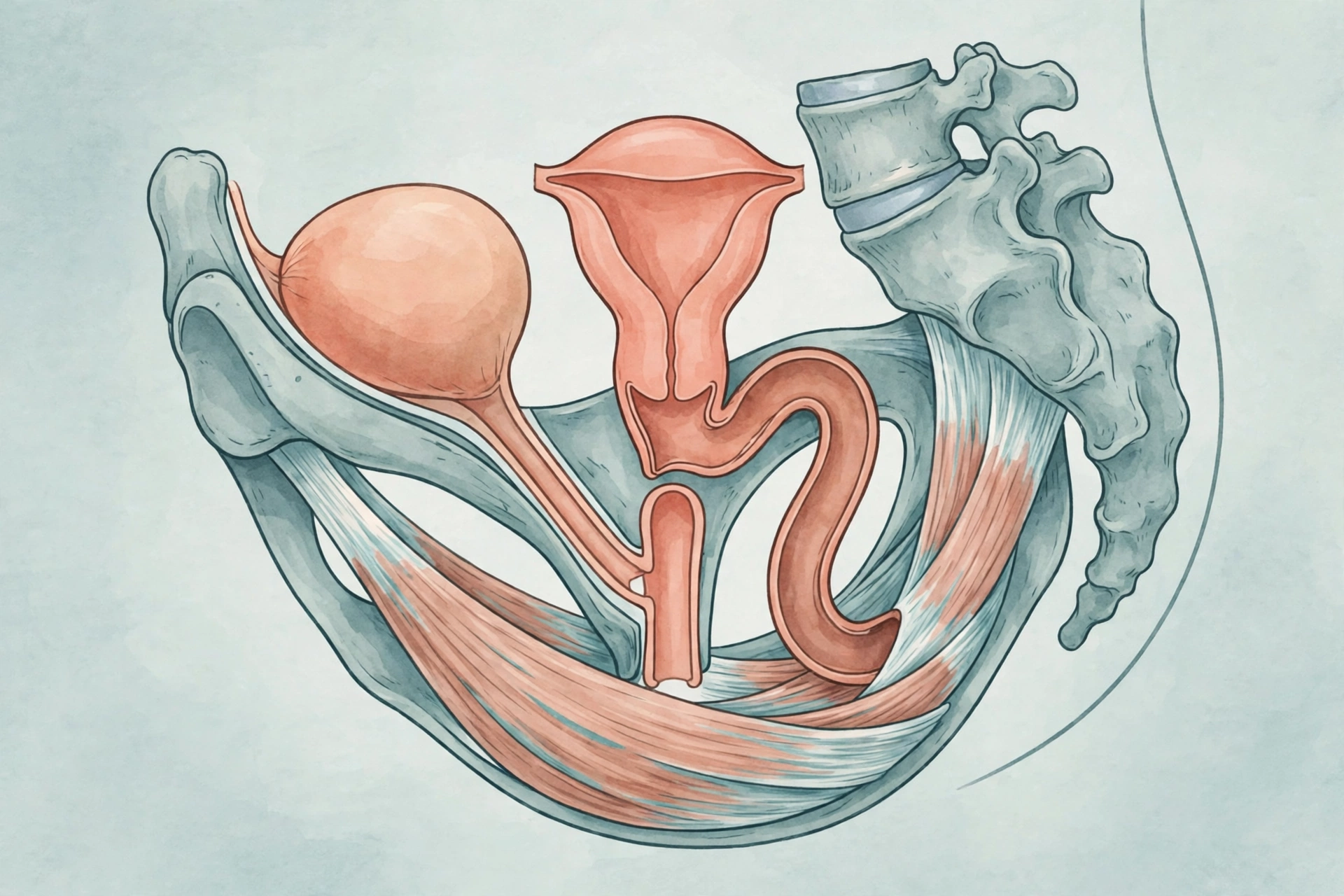
The pelvic floor is a hammock of muscles at the base of the pelvis that supports the bladder, bowel, and uterus and plays a role in sexual function. Childbirth can leave these muscles either weakened and poorly coordinated, or — just as commonly — overly tense and guarded. Guarding happens when the body braces against anticipated pain, and each painful attempt at intercourse can reinforce the cycle: pain causes tension, tension causes more pain.
This is why the common advice to “just do Kegels” can backfire. If your pelvic floor muscles are already too tight, strengthening exercises may make the pain worse. Pelvic floor physical therapy, by contrast, begins with an assessment of what your muscles actually need — relaxation, coordination, desensitization, or strengthening — and builds a plan from there. A qualified pelvic floor physical therapist can teach gentle techniques for releasing tension, including breathing strategies and gradual reintroduction of touch. For persistent pain, pelvic floor physical therapy is one of the most effective professional interventions available.
Infections and Skin Conditions
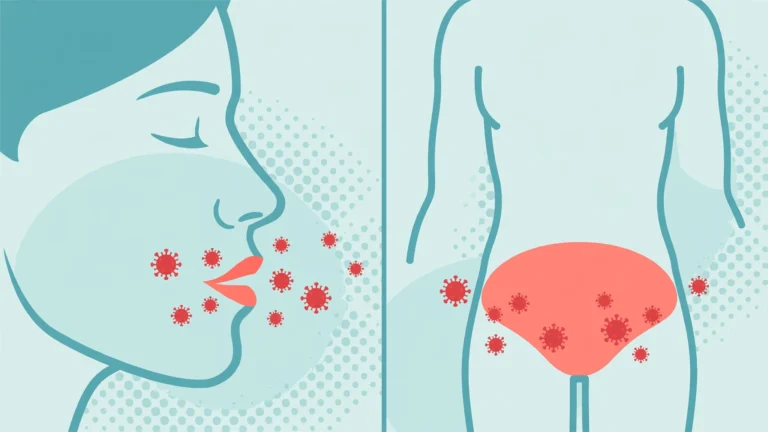
Urinary tract infections, yeast infections, and vaginal inflammation can all cause burning or soreness during sex in the postpartum period. Signs to watch for include unusual discharge, itching, a strong odor, or pain with urination alongside sexual pain. Skin conditions such as lichen sclerosus or eczema of the vulvar area can also cause persistent tenderness. These conditions are diagnosable and treatable, so do not assume pain is “just from the birth” if other symptoms are present.
Emotional and Psychological Factors
The emotional landscape of new parenthood affects intimacy profoundly. Sleep deprivation, anxiety, body-image concerns, and fear of pain can all lower desire and increase muscular tension. Anxiety and pain feed each other in a well-documented cycle: anticipating pain can cause the pelvic floor to tense involuntarily, which then produces the very pain that was feared. Postpartum depression and the milder “baby blues” can further reduce interest in sex and heighten sensitivity to discomfort. Addressing the emotional side — through honest partner communication, support, and professional help when needed — is not optional window dressing; it is part of the treatment.
Understanding Where and When It Hurts
Not all postpartum sexual pain is the same, and noticing the pattern helps clinicians identify the cause. The table below summarizes the two main categories.
| Type | What It Feels Like | Common Postpartum Causes |
|---|---|---|
| Superficial pain (at the entrance) | Burning, stinging, or sharp pain at the vaginal opening, often with initial penetration | Vaginal dryness, scar tissue, tears or episiotomy healing, granulation tissue, a repair that healed too tight, skin irritation |
| Deep pain (inside the pelvis) | Ache, pressure, or sharp pain with deeper thrusting or in certain positions | Pelvic floor muscle spasm or tightness, cesarean scar tightness, pelvic congestion, endometriosis, ovarian cysts, adhesions |
Many women experience a mix of both. Keeping brief notes about when the pain occurs (with initial penetration, with deep thrusting, afterward), what it feels like, and whether lubricants or position changes help can make a medical visit far more productive.
Relief Strategies That Actually Work
The good news is that painful sex is one of the most treatable problems in postpartum health. Here is a practical, stepwise approach.
1. Give Healing the Time It Needs — and Get Cleared First
Most clinicians advise waiting at least six weeks after delivery before penetrative sex, giving the cervix time to close, bleeding to stop, and tissues to heal. Some women need longer, and that is entirely fine. Attend your postpartum checkup and be specific: mention the pain, describe where and when it happens, and ask your provider to examine the area. A good overview of what that visit should cover is available from ACOG’s guide to the postpartum checkup. Clearance means your provider has confirmed you are healing well — not that sex will automatically be pain-free, so continue at your own pace.
2. Tackle Dryness Directly
Because low estrogen is the single most common driver of postpartum sexual pain, addressing dryness is often the highest-impact step:
- Use a high-quality water-based lubricant generously during sex. Do not ration it. A guide to choosing body-safe lubricants can help you avoid products with irritating ingredients.
- Consider a vaginal moisturizer used regularly (not just before sex) to keep tissue hydrated between encounters.
- If dryness persists despite lubricants, ask your clinician about prescription vaginal estrogen, which is localized treatment that many providers recommend for breastfeeding mothers with persistent symptoms. This is a medical decision for you and your clinician to make together.
3. Reintroduce Intimacy Gradually
A graded, step-by-step return to sexual activity is more effective than trying to resume where you left off. A realistic plan looks like this:
- Weeks one to two (after clearance): focus on closeness without penetration — cuddling, massage, kissing, and non-sexual touch.
- Next: explore non-penetrative closeness and intimacy together, letting arousal and comfort build naturally.
- When you are ready to try penetration: use plenty of lubricant, go slowly, and let the person experiencing pain control the pace and depth.
- Experiment with positions: positions that allow control of penetration depth and angle tend to be more comfortable while healing. See our intimacy after baby timeline for a month-by-month overview of what many couples experience.
4. Talk With Your Partner — Concretely
Vague reassurance helps less than specific communication. Useful scripts include: “It stings right at the entrance when you go in — let’s use more lubricant and go slower,” or “Deeper thrusting hurts; let’s try a position where I can control the depth,” or “I am not ready for penetration tonight, but I would love to just be close.” Naming exactly what hurts, what helps, and what you want turns an awkward topic into teamwork.
5. Rehabilitate the Pelvic Floor
If pain persists beyond the first few weeks of resumed intimacy, a pelvic floor physical therapist can assess whether your muscles need relaxation, coordination retraining, scar mobilization, or strengthening — and many women benefit from a combination. This is especially valuable for localized scar pain, tightness, or pain that keeps returning despite lubricants and patience. If basic Kegels make the pain worse rather than better, stop and seek assessment: you may be strengthening muscles that need to relax.
6. Support Desire and Connection
Low desire is normal in the postpartum period and often improves as sleep and hormones stabilize, but disconnection feeds the pain cycle. Small, regular moments of closeness — even fifteen minutes of uninterrupted time together — maintain intimacy without pressure. Our guide on postpartum libido return covers realistic timelines and gentle ways to reconnect. Remember too that breastfeeding does not protect against pregnancy; discuss contraception with your provider so fear of another pregnancy does not add to the tension. More practical guidance is available on the NHS page on sex and contraception after birth.

When to See a Doctor Promptly
Do not wait to seek care if you notice any of the following:
- Pain that does not improve after several weeks of trying lubricants, patience, and gradual reintroduction
- Pain that is worsening rather than improving over time
- Unusual vaginal discharge, strong odor, itching, or burning
- Fever, pelvic pain, or heavy bleeding after resuming sex
- Pain localized to one spot that feels sharp or stinging with touch
- Inability to tolerate penetration at all after several attempts
- Signs of postpartum depression — persistent low mood, disconnection from your baby, or hopelessness
A clinician can examine the perineum and vagina, check healing, identify issues like granulation tissue or tight scarring, test for infections, and refer you to pelvic floor therapy or a specialist when needed. Bring your notes about when and where the pain occurs — they genuinely help.
Frequently Asked Questions
How common is painful sex?
Very common. Research estimates suggest that roughly 30 to 45 percent of women experience pain during intercourse in the months after giving birth. Because many women do not bring it up with their providers, the true number may be even higher. It is one of the most frequent — and most under-discussed — postpartum health concerns.
How long does painful sex usually last?
It varies widely. For many women, discomfort eases within the first few months as hormones rebalance and tissues heal — often faster once breastfeeding becomes less frequent. For others, particularly when scar tissue, pelvic floor dysfunction, or persistent dryness are involved, pain can last six months or longer without treatment. Pain that is not improving by three to six months deserves professional evaluation rather than more waiting.
Is painful sex normal after a C-section?
Yes, it can be. Cesarean birth does not protect against postpartum sexual pain. Pregnancy itself changes the pelvic floor and abdominal wall, hormonal shifts affect vaginal dryness regardless of delivery method, and the surgical scar can develop tightness that contributes to deep discomfort. Evaluation should be just as thorough after a cesarean as after a vaginal birth.
When is it safe to have sex after giving birth?
Most clinicians recommend waiting at least six weeks and getting clearance at your postpartum checkup. The key factors are that postpartum bleeding has stopped, the cervix has closed, and any tears, episiotomy, or surgical incisions have healed. Even with clearance, wait until you feel personally ready — readiness and medical clearance are two different things.
Do I need to see a doctor, or will it resolve on its own?
Many cases improve with time, lubricants, and a gradual approach. However, see a doctor if pain persists for several weeks despite these measures, is getting worse, is localized to one sharp spot, or is accompanied by discharge, odor, itching, fever, or bleeding. A targeted exam can identify treatable causes — such as granulation tissue, tight scarring, or infection — that waiting alone will not fix.
Can I still breastfeed while treating painful sex?
Yes. Lubricants, vaginal moisturizers, pelvic floor physical therapy, and gradual intimacy strategies are all compatible with breastfeeding. For persistent dryness, clinicians may discuss localized vaginal estrogen; whether it is appropriate while nursing is a decision to make with your provider, who can weigh the evidence for your situation.
Will Kegels help or make it worse?
It depends on the state of your pelvic floor. Kegels help when muscles are weak and poorly coordinated, but they can worsen pain when muscles are already too tight and guarded. If pelvic floor strengthening exercises increase your pain, stop and ask your provider for a referral to a pelvic floor physical therapist, who can assess what your muscles actually need.
Should my partner and I avoid sex entirely while I recover?
Not necessarily. Most couples benefit from reframing intimacy rather than abandoning it: affectionate touch, massage, kissing, and non-penetrative closeness maintain connection without pain. Avoiding all physical closeness out of fear can increase anxiety around resuming sex later, while low-pressure intimacy keeps the emotional bond strong during recovery.
Medical disclaimer: This article is for educational purposes only and is not medical advice. painful sex can have many different causes, and what helps one person may not help another. Please consult a qualified clinician — such as your OB-GYN, midwife, or a pelvic floor physical therapist — for personalized evaluation and treatment. If you experience severe pain, fever, heavy bleeding, or signs of infection, seek medical care promptly.