Is Coconut Oil Safe to Use as Lube?
Coconut oil has moved from the kitchen shelf to the bedroom shelf for many couples — but is coconut oil safe as lube, medically speaking? It is natural, affordable, and free of the synthetic ingredients that make some people wary of commercial lubricants. At the same time, it is still an oil, and oils behave very differently on delicate tissue and with contraception than water- or silicone-based products do.
This article reviews what doctors say, what research actually shows (and where it falls short), the specific risks worth knowing, and a practical, step-by-step method for using coconut oil safely — so you can decide whether it belongs in your intimate routine or whether a different option suits you better. By the end, you will have a clear, evidence-based answer to the question: is coconut oil safe as lube?
What Kind of Coconut Oil Are We Talking About?
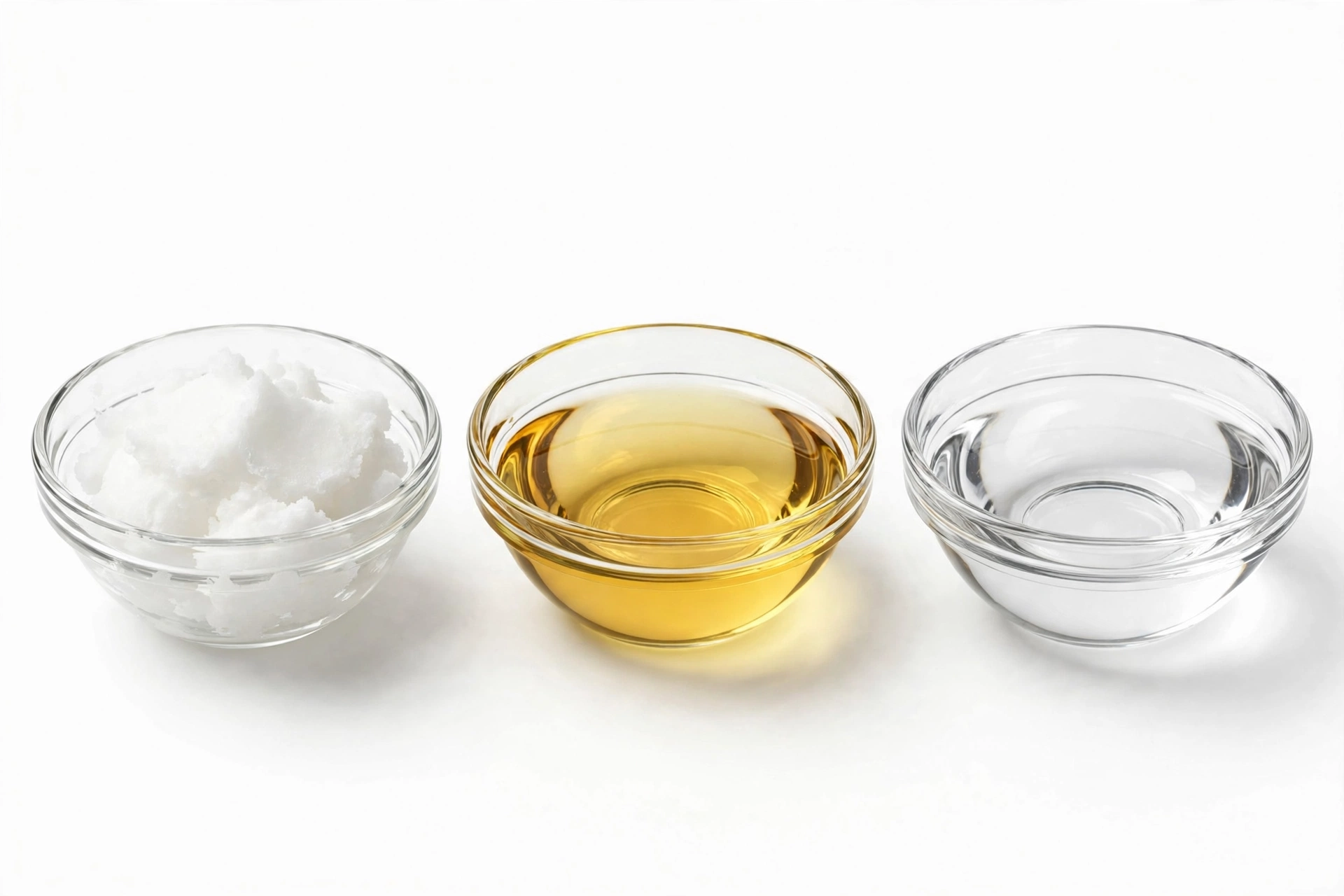
Not all coconut oil is identical, and the type you choose matters more than most articles admit. There are three main forms:
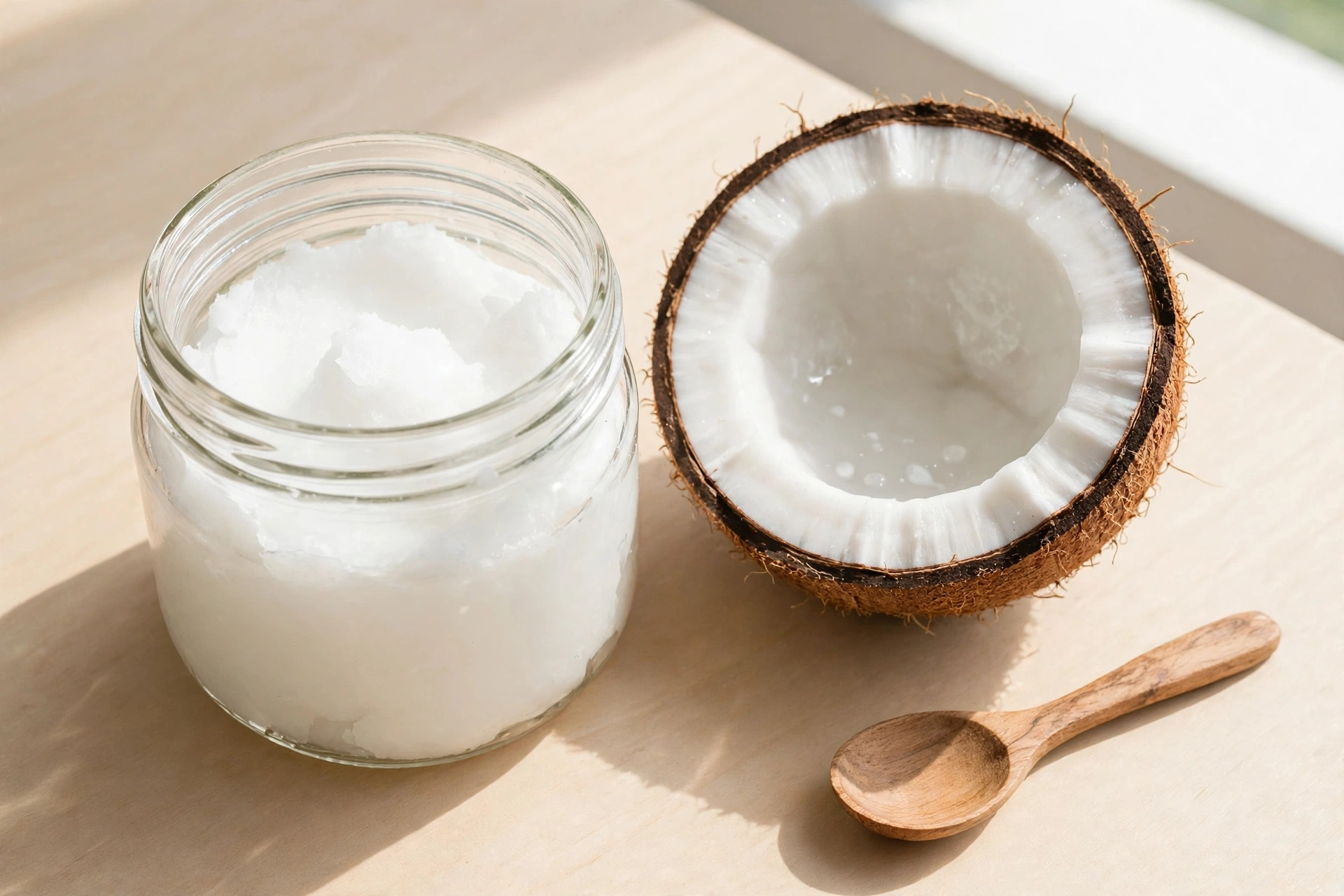
- Unrefined (virgin or extra-virgin) coconut oil: made from fresh coconut meat with minimal processing, no bleaching or deodorizing. It is solid at room temperature (melting around 24 °C / 76 °F), smells and tastes faintly of coconut, and retains the highest levels of lauric acid — the medium-chain fatty acid behind most of coconut oil’s reputed antimicrobial properties. Most gynecologists who endorse coconut oil as a lubricant are referring to this type.
- Refined coconut oil: extracted from dried coconut (copra) and then bleached and deodorized. It is neutral in smell and taste but has undergone chemical processing, which some clinicians prefer to avoid for intimate use. It still provides the same slip and moisture, but the refining steps can strip out some beneficial compounds.
- Fractionated (liquid / MCT) coconut oil: processed to stay liquid at room temperature by removing long-chain fatty acids. It is lighter, less greasy, and less likely to stain sheets — but it also contains little to no lauric acid, so you lose the antimicrobial edge that unrefined oil offers.
The takeaway: if you are going to try coconut oil, choose plain unrefined, virgin coconut oil with no added fragrances or ingredients. Organic certification is a bonus, but the absence of additives is what matters most. Getting this choice right is the first step in answering is coconut oil safe as lube for your own situation. A dedicated guide to body-safe personal lubricants explains how to read ingredient labels on any product you use intimately.
Is Coconut Oil Safe as Lube? What the Experts Say
The short answer from most gynecologists and urologists: yes, coconut oil is generally safe as lube for most people — with a few important exceptions.
Several board-certified physicians who have spoken publicly on the topic endorse it. Gynecologists have described unrefined coconut oil as a natural, preservative-free, moisturizing lubricant that is well tolerated by sensitive skin. Urogynecologists note that many patients actually prefer its texture to water- or silicone-based lubricants, finding it longer-lasting and less likely to leave a sticky or “balling up” residue. OB/GYNs have specifically highlighted that clinical studies support coconut oil’s safety and effectiveness as a skin moisturizer, and its moisturizing properties translate into reduced friction and fewer micro-tears during intercourse.
The appeal is easy to understand:
- No added chemicals. Coconut oil contains no parabens, glycerin, phenoxyethanol, or synthetic fragrances — ingredients in many commercial lubricants that can irritate sensitive tissue. Glycerin, in particular, is one of the predominant ingredients in some classic lubes and has been flagged by clinicians as a potential breeding ground for yeast and bacteria.
- Long-lasting slip. Because it is oil-based rather than water-based, it does not dry out or absorb as quickly, so many couples find it works well for longer sessions and for massage combined with intimacy.
- Moisturizing and soothing. Coconut oil coats tissue and reduces water loss, which is why it is often suggested for people dealing with vaginal dryness, including dryness related to menopause or certain medications.
- Pleasant taste and scent. Its mild coconut taste makes it one of the more palatable options for oral intimacy.
- Cost and availability. A jar of virgin coconut oil is inexpensive, widely available, and free of the delivery fees and subscription boxes attached to specialty lubricants.
So the medical consensus is positive — but “generally safe” is not the same as “right for everyone,” and the research picture is more nuanced than a blanket endorsement suggests. The next time someone asks you, is coconut oil safe as lube, you can share this qualified consensus: generally yes for most people, with clear exceptions.
What the Research Actually Shows (and Doesn’t)
This is where honest articles should slow down. There are currently no large randomized controlled trials specifically testing coconut oil as a sexual lubricant. Most of the evidence is indirect, and it is worth separating what is well supported from what is merely plausible.
What the science supports
- Antimicrobial activity in the lab. Lauric acid — which makes up roughly half of coconut oil’s fatty acids — and its derivative monolaurin have demonstrated antibacterial and antifungal activity in laboratory studies, including against Candida albicans, the yeast responsible for many vaginal yeast infections. However, these are in vitro findings; they do not prove that coconut oil prevents or treats infections in the human body. Still, this laboratory evidence is one reason the question is coconut oil safe as lube keeps resurfacing in clinical discussions.
- Moisturizing and barrier properties. Clinical research supports coconut oil as a safe, effective topical moisturizer. It reduces transepidermal water loss and soothes dry or irritated skin — the mechanism doctors cite when they say it can ease friction-related discomfort.
- The 2013 oil-based-lubricant study. A widely cited study published in Obstetrics & Gynecology associated oil-based lubricants with increased rates of bacterial vaginosis. Crucially, the oils studied were primarily petroleum-based products such as Vaseline, mineral oil, and baby oil — not coconut oil specifically. So the study is often misquoted as an argument against coconut oil; the accurate reading is that it flags a class of products, not coconut oil itself.
What the science does NOT yet show
- No trial has measured coconut oil’s effect on the vaginal microbiome in sexual use. The vagina maintains an acidic pH of around 4.0 to 4.5 before menopause to keep harmful microbes in check. Coconut oil has a more alkaline pH (roughly 5.5 to 7.5). In theory, regular use could nudge vaginal pH upward and disturb the lactobacillus-dominated flora — but no clinical trial has confirmed or ruled this out.
- No head-to-head effectiveness trials exist. Claims that coconut oil “lasts longer” or “feels better” than commercial lubricants come from user reports and clinician impressions, not controlled comparisons.
- Long-term safety data is absent. Dermatological safety over years of intimate use has simply never been studied in a clinical trial.
The honest bottom line for anyone asking is coconut oil safe as lube: the indirect evidence is reassuring, and experienced clinicians endorse it — but coconut oil as lube is a case of “likely safe based on what we know,” not “proven safe by trials designed for the purpose.” For persistent symptoms, the Mayo Clinic’s overview of vaginal dryness is a good starting point before choosing any lubricant.
5 Risks to Know Before You Use It
Coconut oil’s risks are specific and avoidable — but one of them is non-negotiable. Review them carefully before deciding is coconut oil safe as lube for you personally.
1. It breaks down latex — do NOT use it with latex condoms
This is the single most important fact in this article. Like all oil-based lubricants, coconut oil degrades latex, weakening condoms and increasing the risk of breakage, pregnancy, and sexually transmitted infections. Regulatory guidance has long advised against pairing oil-based products with latex condoms. If you rely on latex condoms or latex dental dams for contraception or STI prevention, use a water- or silicone-based lubricant instead — or switch to polyurethane or polyisoprene condoms, which are oil-compatible. Review correct condom use on Planned Parenthood’s condom guide, and if a condom does break, read what to do in the 72 hours after a condom breaks.
2. Possible vaginal pH disruption and infection risk
As noted above, coconut oil is more alkaline than the vagina’s natural pH. If you are prone to yeast infections or bacterial vaginosis, repeated use may make things worse — some clinicians advise exactly those patients to stick with pH-matched lubricants instead. Learn to tell yeast infection from bacterial vaginosis so you can spot problems early. If you develop itching, unusual discharge, or odor after using coconut oil, stop using it and see a clinician.
3. Fertility: it may impair sperm motility
This one is rarely mentioned in mainstream coverage. Laboratory research on lubricants and fertility has found that oil-based lubricants can impair sperm motility and viability in vitro — one more reason couples who are trying to conceive should avoid oil-based products around intercourse. Couples asking is coconut oil safe as lube while trying to conceive should switch to a sperm-safe alternative instead. If pregnancy is the goal, use a fertility-friendly, sperm-safe lubricant and review these evidence-based tips for trying to conceive.
4. Allergies are rare but real
True coconut allergy is uncommon, but contact reactions can happen. Tree-nut allergy does not automatically mean you will react to coconut (botanically, coconut is a drupe, not a tree nut), yet people with known coconut or severe nut allergies should be cautious. A patch test — applying a small amount to the inner forearm and waiting 24 hours — is a sensible precaution.
5. Practical downsides: mess, stains, and toys
Coconut oil is messier than water-based lubes and can stain sheets and clothing — wash linens promptly and consider a dedicated towel. It is generally compatible with silicone, glass, and metal sex toys (unlike silicone-based lubricants, which can damage silicone toys), but never use it with latex toys. And because oil residue can linger, thorough cleaning of toys after use is essential.
Coconut Oil vs. Store-Bought Lubricants
How does coconut oil compare to the two main commercial categories? This table summarizes the trade-offs and helps answer is coconut oil safe as lube relative to products designed specifically for intimacy:
| Feature | Coconut oil | Water-based lube | Silicone-based lube |
|---|---|---|---|
| Lasting power | Long — does not dry out quickly | Shorter — may need reapplication | Longest — very slippery |
| Latex-condom safe | No | Yes | Yes |
| Polyurethane condom safe | Yes | Yes | Yes |
| Sex-toy compatibility | Safe with silicone, glass, metal; not latex | Safe with all materials | Avoid with silicone toys |
| Ingredients | Single natural ingredient | Varies — check for glycerin, parabens | Minimal, but synthetic |
| vaginal pH | Alkaline-leaning (~5.5–7.5) | Many are pH-matched (~4.5) | Generally pH-neutral |
| Fertility-friendliness | May impair sperm motility | Choose fertility-friendly formulas | May impair sperm motility |
| Ease of cleanup / stains | Can stain fabrics | Washes off easily | Can be slippery to clean |
| Cost | Low | Moderate | Higher |
If you want a deeper breakdown of ingredient lists and certifications, see our guide to body-safe lubricants, and for daily comfort options see the difference between a vaginal moisturizer and a lubricant.
How to Use Coconut Oil as Lube Safely
If you decide to try it, follow this protocol to minimize the risks. Each step below assumes you have already decided is coconut oil safe as lube for your situation and want to use it as carefully as possible:
- Choose the right product. Buy plain, unrefined (virgin) coconut oil with a single ingredient. Avoid products with added fragrance, flavorings, or “warming” ingredients.
- Keep a dedicated jar. Never scoop from your kitchen jar with unwashed hands — repeated dipping introduces bacteria that can thrive in the oil over months. Keep a separate small jar for intimate use and decant with a clean spoon.
- Wash your hands and the spoon before every use. Basic hygiene dramatically lowers the contamination risk.
- Warm it in your hands first. Coconut oil is solid below about 24 °C (76 °F). Scoop a small amount — roughly a teaspoon — and rub it between your palms until it melts into a smooth oil before application.
- Do a patch test. Try a small amount on the inner forearm 24 hours before first use, and on a small area of external genital skin before full use.
- Apply generously and reapply as needed. Coconut oil does not dry out quickly, but generous application reduces friction and micro-tears.
- Clean up afterward. Gently wash the area with warm water and a mild, unscented cleanser. Protect your sheets with a towel, and launder stained linens promptly.
- Check the expiry date and storage. Coconut oil typically lasts 18–24 months. Discard it if it smells sour or rancid, and store it sealed at room temperature away from moisture.
Who should skip coconut oil: anyone using latex condoms or latex dental dams for protection; couples trying to conceive; people with recurrent yeast infections or bacterial vaginosis; anyone with a known coconut allergy; and anyone whose clinician has advised against oil-based products.
Frequently Asked Questions
The questions below cover the most common versions of is coconut oil safe as lube that readers ask.
Can you use coconut oil as lube with condoms?
No — not with latex condoms. Coconut oil is an oil-based lubricant and oils degrade latex, weakening the condom and raising the risk of breakage, pregnancy, and STIs. It can be used with polyurethane or polyisoprene condoms, which are oil-compatible. If you depend on latex condoms, choose a water- or silicone-based lubricant instead.
Is coconut oil safe as lube for vaginal sex?
For most people, yes — gynecologists widely consider plain, unrefined coconut oil a safe and effective option for vaginal sex. It moisturizes tissue and reduces friction without added chemicals. However, if you are prone to yeast infections or bacterial vaginosis, be aware that its alkaline pH could disturb your vaginal flora, and consider a pH-matched lubricant instead.
Can coconut oil cause a yeast infection or UTI?
Direct evidence linking coconut oil to yeast infections or UTIs is limited, but there are two plausible pathways: contamination from repeatedly dipping fingers into a shared kitchen jar, and pH disruption of vaginal flora. The famous 2013 study tying oil-based lubes to bacterial vaginosis mostly involved petroleum-based oils, not coconut oil. Use a dedicated jar and clean hands, and stop use if you notice itching, discharge, or odor. These open questions are part of why is coconut oil safe as lube remains debated among clinicians.
Does coconut oil work with sex toys?
Generally yes. Coconut oil is safe to use with silicone, glass, and metal toys — unlike silicone-based lubricants, which can degrade silicone toys. Avoid it with latex toys, and clean toys thoroughly after use, since oil residue can trap bacteria.
Can you use coconut oil as lube when trying to conceive?
It is not recommended. Laboratory research suggests oil-based lubricants can impair sperm motility and viability, which may reduce the chances of conception. If you are trying to conceive, use a lubricant specifically formulated to be sperm-safe and fertility-friendly.
Is coconut oil safe for oral sex?
Food-grade, unrefined coconut oil is edible, so it is generally safe for oral use in the amounts involved. Its mild coconut taste is actually one of the reasons some couples prefer it. As with any product, use only plain oil with no added fragrances, and check the allergy caveats first.
How is fractionated (liquid) coconut oil different for this use?
Fractionated or MCT coconut oil stays liquid at room temperature, is lighter, and stains less — but it lacks most of the lauric acid found in unrefined oil, so you lose the antimicrobial edge. For intimate use, unrefined virgin coconut oil is the type most clinicians refer to when they endorse it.
Can coconut oil replace a vaginal moisturizer for menopause-related dryness?
It can provide comfort and slip, and some clinicians suggest it for menopause-related dryness, but it is a lubricant rather than a therapeutic vaginal moisturizer. For persistent dryness, pain, or tissue thinning, see a clinician — hormonal and non-hormonal treatments exist that address the underlying cause, not just the symptom.
Medical disclaimer: This article is for educational purposes only and is not medical advice. It does not diagnose or treat any condition. Intimate-health needs vary from person to person — if you experience pain, irritation, unusual discharge, or recurrent infections, consult a qualified clinician (such as an OB/GYN or urologist) rather than relying on general information.
The bottom line: So, is coconut oil safe as lube? Coconut oil is a generally safe, natural, and effective lubricant for most people — inexpensive, chemical-free, and well tolerated. Its deal-breakers are equally clear: never pair it with latex condoms, avoid it when trying to conceive, and think twice if you battle recurrent vaginal infections. Used with clean hands, a dedicated jar, and eyes open to its limits, it earns its place among the legitimate options. When in doubt, a body-safe commercial lubricant designed for your specific situation remains the most studied choice.