Kegel Exercises for Men: A Step-by-Step Guide
Kegel exercises for men are one of the simplest, most underused tools in men’s health. They take about five minutes, cost nothing, require no equipment, and you can do them anywhere — at your desk, in traffic, or on the couch — without anyone knowing. Yet most men either have never heard of them or tried them once and gave up because nothing seemed to happen.
The truth is that Kegels, properly done and practiced consistently, can make a real difference to bladder control, sexual function, and confidence. This guide covers what the basics leave out: how to find the right muscles without guessing, a step-by-step technique, a six-week progression plan, the mistakes that silently sabotage results, and the important situations where Kegels are not the right exercise.
What Is the Pelvic Floor, and Why Does It Matter for Men?
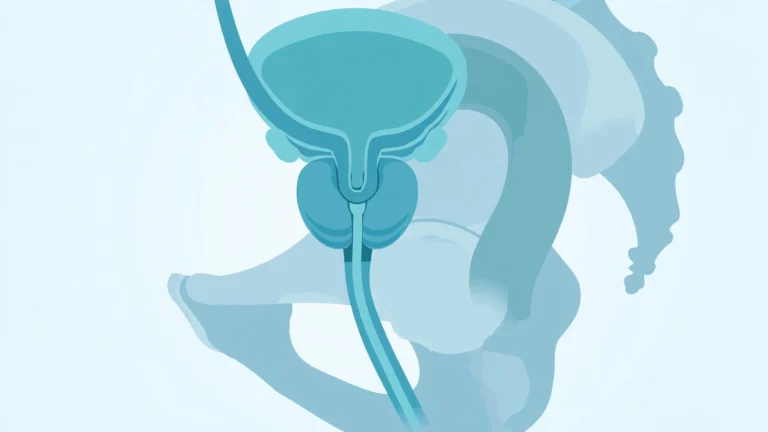
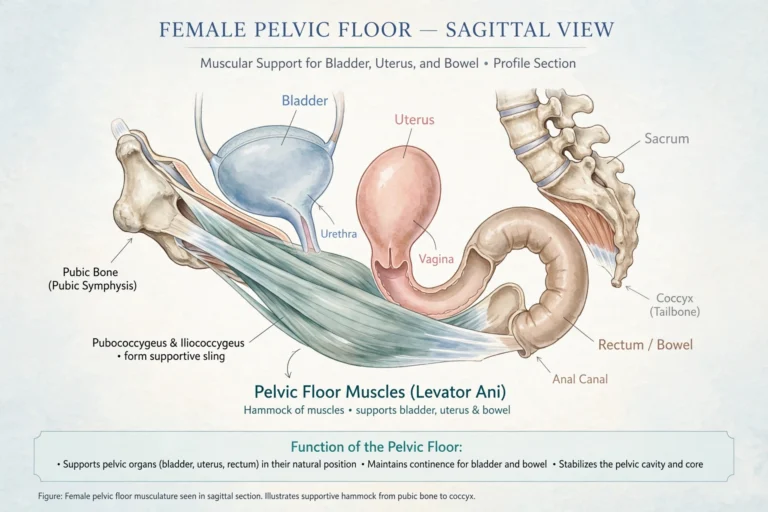
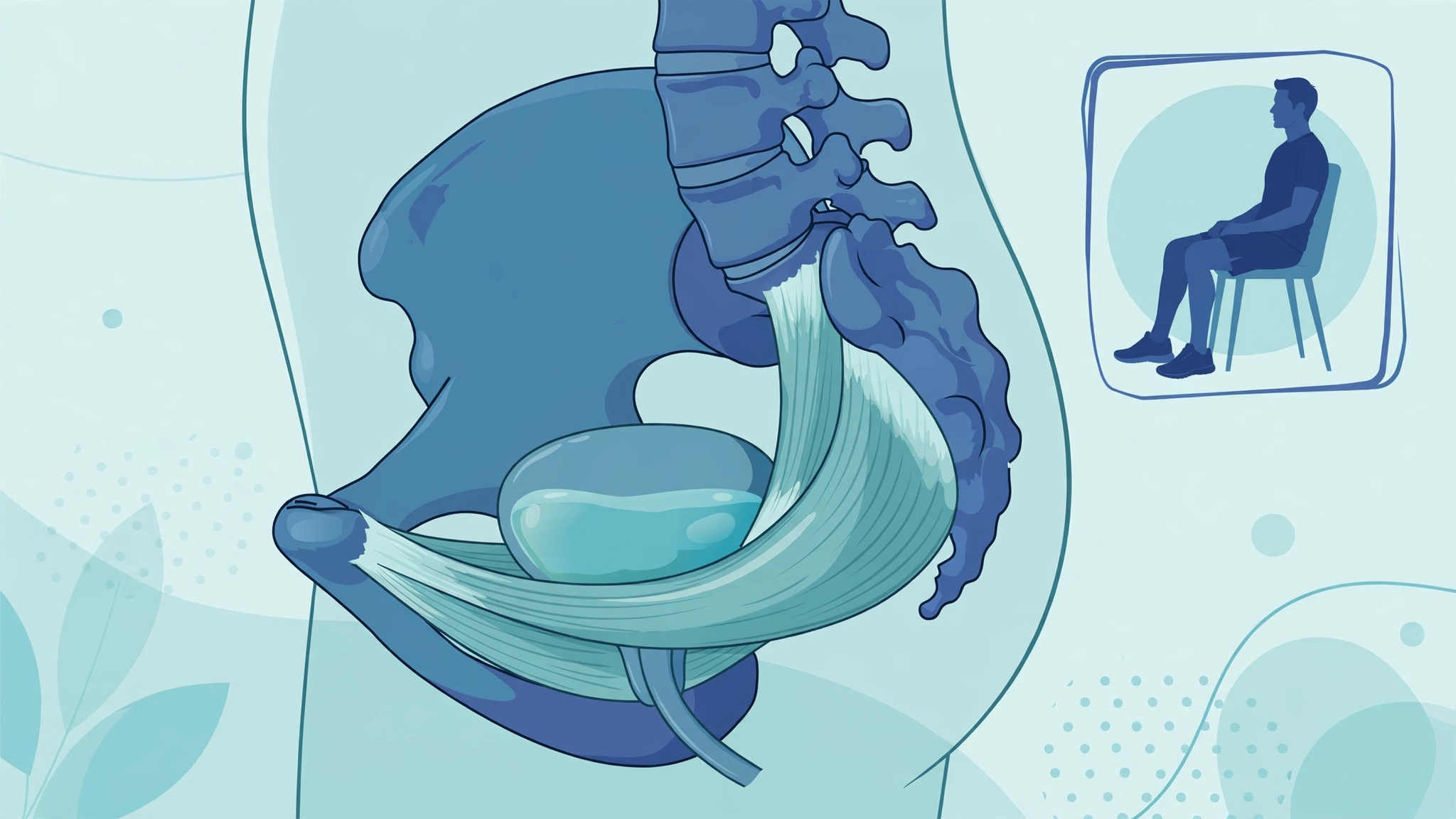
Your pelvic floor is a sling of muscles that runs from your tailbone at the back to your pubic bone at the front. These muscles support your bladder and bowel, control the release of urine, stool, and wind, and play a role in erections and ejaculation. Like any muscle group, the pelvic floor responds to training — and it responds to neglect.
In men, the pelvic floor weakens with aging, prostate surgery, chronic straining (heavy lifting, coughing, constipation), excess weight, and years of sitting. A weak pelvic floor shows up as dribbling after urination, leaking when you cough or laugh, urgency, difficulty fully emptying the bladder, weaker erections, or reduced ejaculation control. Kegel exercises — also called pelvic floor muscle training (PFMT) — are designed to reverse exactly this decline.
Research is encouraging: reviews in urology journals suggest pelvic floor exercises can help treat stress urinary incontinence after prostate surgery and may improve erectile function, ejaculation control, and orgasm intensity in some men. A randomized trial (Dorey et al., BJU International, 2004) found that a structured pelvic floor program helped a meaningful share of men with erectile dysfunction regain normal function over several months. If you are weighing your options for premature ejaculation or other pelvic floor-related concerns, Kegels are a low-risk, evidence-backed place to start.
How to Find Your Pelvic Floor Muscles (Without Guessing)
Most Kegel failures start here: men squeezing the wrong muscles. Before your first real rep, spend a few minutes learning to isolate the right ones.
- The stop-the-stream test. Next time you urinate, try stopping the flow midstream. The muscles you engage are your pelvic floor muscles. Use this as an identification test only — do not exercise while urinating as a habit.
- The stop-wind cue. Imagine trying to stop yourself from passing gas: squeeze and gently lift those muscles upward and inward, as if pulling them toward your belly button.
- The hand check. Sit and place one hand on your inner thigh, one on your buttock. When you contract correctly, neither hand should feel movement. If your thighs or glutes tense, you are recruiting the wrong muscles.
If you genuinely cannot feel a contraction after several attempts, do not force it. Talk to your doctor, who can refer you to a pelvic floor physical therapist or continence specialist for hands-on guidance. Struggling with the wrong muscles for weeks is the most common reason men quit.
Kegel Exercises for Men: The 5-Step Technique
Once you can feel the right muscles, the basic technique is simple. Our step-by-step breakdown below assumes you have already read our roundup of common Kegel exercise mistakes — it will save you weeks of wasted effort.
- Empty your bladder. A full bladder makes it harder to isolate the pelvic floor and adds unnecessary pressure.
- Choose your position. Beginners do best lying down, where gravity helps and there is less competition from other muscles. As you improve, progress to sitting, then standing, then doing them while walking.
- Contract and hold. Tighten your pelvic floor muscles and lift inward, as if pulling the muscles up toward your belly button. Hold for five seconds.
- Release completely. Relax for a full five seconds. The release matters as much as the squeeze — a muscle that never fully relaxes cannot work properly.
- Breathe and stay still. Breathe normally throughout. Keep your stomach, thighs, buttocks, and face relaxed. Do not hold your breath, tighten your abs, or squeeze your glutes.
Start with five to ten repetitions per set, holding each contraction for up to ten seconds with ten seconds of rest. Aim for three sets per day — each set takes five minutes or less.

Slow Holds and Quick Flicks: Train Both Fiber Types
Your pelvic floor contains both slow-twitch fibers (endurance — holding urine in all day) and fast-twitch fibers (quick reactions — clamping down when you sneeze). Training only one type is a common blind spot. A well-rounded daily session includes one set of each: endurance holds (contract, hold up to ten seconds, rest ten seconds, repeat ten times) and quick flicks (contract and release rapidly, holding one to two seconds each, ten to twenty times in a row). If the muscle fatigues before you finish, that is your stopping point for the day.
Your 6-Week Kegel Progression Plan
Vague advice like “do Kegels regularly” is where most men stall. Here is a concrete, week-by-week plan you can follow. Do not skip ahead — the plan is deliberately gradual.
Weeks 1–2: Learn and Isolate
Three sets per day of five repetitions, holding each for three to five seconds, lying down. Focus entirely on technique: are you using only the pelvic floor? If the contraction fades after a few reps, you are at your limit — stop there.
Weeks 3–4: Build Endurance
Three sets per day of ten repetitions, holding each for five to eight seconds, sitting down. Add one set of ten quick flicks (one-to-two-second holds).
Weeks 5–6: Add Resistance Through Position
Three sets per day of ten to fifteen repetitions, holding each for ten seconds with ten seconds of rest, standing or walking. Keep the quick-flick set. By now you should notice functional changes: fewer dribbles or improved staying power.
Week 7 and Beyond: Maintain
Once you reach your target strength, one to two sets per day of ten repetitions are usually enough to maintain it. Many men keep one set tied to a daily routine — after brushing their teeth, or at their desk after lunch.
Expect meaningful changes after six to twelve weeks of consistent practice, not days. Track progress simply: note how many full-strength reps you can do, whether leaking during coughing has reduced, or whether you can hold a ten-second contraction comfortably.
Make Kegels Automatic: The Anchor-Habit System
The hardest part of pelvic floor training is remembering to do it. The most effective trick is “anchoring”: attach the new habit to something you already do every day — one set when you brush your teeth (morning and night is two sets done), one after your morning coffee, plus a phone reminder for the third set until it becomes routine.
Also try the “knack”: squeeze your pelvic floor briefly just before and during activities that strain your abdomen — sneezing, coughing, laughing, or lifting something heavy. This trains the quick-response reflex and prevents leaks in real time.
Never do your sets while urinating. The midstream-stop test is for muscle identification only; making it a regular exercise risks incomplete bladder emptying and, over time, urinary problems.
Reverse Kegels: Why Relaxation Is Half the Workout
Here is what almost no mainstream guide mentions: a pelvic floor that can only contract is only half-trained. The muscles also need to fully relax — and many men with pelvic tension, chronic pelvic pain, or a constant urge to urinate actually have pelvic floors that are too tight, not too weak.
A reverse Kegel is the opposite of a squeeze: instead of lifting the muscles inward, you gently lengthen and release them downward, as if relaxing to allow a bowel movement — but gently, without straining or pushing hard. The sensation is one of opening and letting go rather than bearing down forcefully.
How to practice: after each regular Kegel hold, make the release phase deliberate — feel the muscles descend and relax fully for the same count as the hold. Many pelvic floor therapists recommend that every contraction session end with conscious relaxation work, especially for men who notice tension, urgency, or pelvic ache.
When Kegels Are Not the Right Exercise
This is the warning most articles skip. If your pelvic floor is hypertonic — chronically tight and unable to relax — adding more squeezing can make symptoms worse. Warning signs include persistent pelvic or perineal pain, pain during or after ejaculation, a constant urge to urinate despite an empty bladder, difficulty starting the urine stream, or a feeling of tightness in the pelvic region.
Men with chronic prostatitis or chronic pelvic pain syndrome (CPPS) fall into this category more often than not; research notes pelvic floor training can help some of these men, but the training must be supervised and balanced with relaxation work — not aggressive self-directed squeezing.
If any of the symptoms above describe you, see your doctor before starting a Kegel program, and ask for a referral to a pelvic floor physical therapist. These specialists assess whether your pelvic floor is weak, tight, or both, and build a plan around what you actually need.
Our overview of pelvic floor exercise benefits covers the broader picture of what this muscle group does for men and women alike.
7 Common Mistakes Men Make (And How to Fix Them)
- Squeezing the wrong muscles. Abs, thighs, and glutes doing the work while the pelvic floor idles — the number one reason Kegels “do not work.” Fix: slow down until only the pelvic floor moves.
- Holding your breath. This increases abdominal pressure and pushes down on the pelvic floor. Fix: breathe normally; if you catch yourself holding your breath, reduce the reps.
- Doing them while urinating. The identification test is not the exercise. Fix: always practice with an empty bladder.
- Never fully relaxing. Rapid squeezes without a full release train a permanently tense muscle. Fix: match every hold with an equal rest.
- Too much, too soon. Hundred-rep marathons cause fatigue and soreness. Fix: follow the six-week plan — five minutes a set is plenty.
- Inconsistent practice. Three days of effort followed by two weeks off produces nothing. Fix: anchor sets to daily habits.
- Expecting overnight results. Muscle tissue takes six to twelve weeks to measurably strengthen. Fix: track weekly, not daily.
If any of this sounds familiar, our dedicated guide to Kegel exercise mistakes goes deeper into diagnosis and correction.
Kegels and Sexual Function: What to Realistically Expect
Beyond bladder control, pelvic floor training is one of the few free, side-effect-free interventions men can try for sexual function concerns — which is why it often comes up alongside articles about erectile dysfunction causes.
- Erections: pelvic floor muscles help maintain rigidity by compressing the veins that drain blood from the penis. Stronger muscles may support firmer, more reliable erections — particularly in mild cases or alongside other treatment. Kegels are not a replacement for medical evaluation of ED, which can signal cardiovascular disease, diabetes, or hormonal issues.
- Ejaculation control: the same muscles involved in the stop-the-stream test help control ejaculation. Men who learn to contract them at the right moment often report improved staying power.
- Orgasm intensity: stronger pelvic floor contractions during orgasm are frequently reported as more intense climaxes.
- Post-prostate surgery: pelvic floor training is a standard part of rehabilitation after prostatectomy, where it helps restore urinary continence — start only when your surgeon or therapist gives the go-ahead.
Be realistic: Kegels are a support strategy, not a cure. They work best combined with overall health habits — regular exercise, healthy weight, not smoking, and managing blood pressure and blood sugar.
When to See a Doctor
Kegels are low-risk for most men, but see a healthcare professional if you experience any of the following:

- Urine leakage that does not improve after three months of consistent, correct practice
- Blood in the urine or semen
- Pelvic, testicular, or perineal pain that persists or worsens
- Difficulty starting urination, a weak stream, or feeling that your bladder never fully empties
- Sudden onset of erectile problems — these warrant a medical workup for underlying causes
- Any new lump, swelling, or persistent pain in the groin area
A doctor can rule out prostate issues, infections, and other conditions, and can refer you to a pelvic floor physical therapist if supervised training would help. You can read more about what reputable clinicians recommend in Healthline’s guide to Kegel exercises for men and the UCLA Health patient guide to Kegel exercises for men.
Frequently Asked Questions
How long does it take for Kegel exercises to work for men?
Most men need six to twelve weeks of consistent practice — three sets a day — before noticing meaningful changes. Some notice small improvements, like less dribbling after urination, within three to four weeks. If nothing has changed after three months of correct, consistent practice, check your technique with a clinician rather than simply doing more.
How many Kegel exercises should a man do per day?
A solid target is three sets per day of ten to fifteen repetitions, with each contraction held for up to ten seconds and an equal rest between reps. Beginners should start smaller — five repetitions per set — and build up over several weeks. One set should take five minutes or less.
Can Kegel exercises help with erectile dysfunction?
They may help, particularly in mild cases or as part of a broader approach. Pelvic floor muscles help maintain erection rigidity, and research — including a randomized trial published in BJU International — has found pelvic floor training improved erectile function in a significant share of participants. However, ED can also signal cardiovascular disease, diabetes, or hormonal problems, so see a doctor for a proper evaluation rather than relying on Kegels alone.
Can Kegel exercises help with premature ejaculation?
Yes, they are one of the behavioral strategies with some evidence behind them. Learning to identify and contract the pelvic floor muscles gives men more voluntary control over the ejaculatory reflex. Pelvic floor training is often combined with techniques like the stop-start method for better results — see our guide on premature ejaculation treatment for the full picture.
Is it bad to do too many Kegels?
Yes — overtraining can cause muscle fatigue, soreness, increased pelvic tension, and even worsen urgency symptoms. Three focused sets a day is the standard recommendation; doing hundreds of reps daily is counterproductive. Quality of contraction matters far more than quantity.
Should I do Kegels while peeing?
Do not do Kegel exercises while urinating as a routine — repeatedly interrupting your stream can prevent complete bladder emptying and may raise the risk of urinary problems.
Do Kegel exercises work for older men?
Yes. Muscle tissue remains trainable at any age, and older men are often the ones who benefit most, since age-related pelvic floor weakening causes the leaks and urgency they are trying to fix. Men recovering from prostate surgery are routinely prescribed pelvic floor training as part of rehabilitation. Start gently, be consistent, and check with your doctor if you have pelvic pain or urinary difficulties.
This article is for educational purposes only and is not medical advice. It is intended to provide general health information and does not replace professional diagnosis or treatment. Always consult a qualified healthcare professional about any medical concern, and never disregard professional advice because of something you read here.