Spotting Between Periods: Causes and When to See a Doctor
Noticing light bleeding on days when your period is not due can feel unsettling, but it is also one of the most common reasons women book a gynecology appointment. Understanding spotting between periods causes starts with a simple truth: most of the time the explanation is hormonal and harmless — ovulation, a new contraceptive, or stress — yet some patterns deserve prompt medical attention. This guide walks through every major cause, shows you how spotting differs by age and cycle timing, and explains exactly what your doctor will check and when you should not wait.
What Counts as Spotting Between Periods?
Clinicians use the term intermenstrual bleeding for any uterine bleeding that happens outside your regular menstrual period. Spotting specifically refers to very light bleeding — a few drops on toilet paper, a light smear on underwear, or brownish discharge — that does not require a pad or tampon. Bleeding that needs menstrual products, lasts many days, or soaks through protection crosses into abnormal uterine bleeding, which doctors take more seriously.
A normal menstrual cycle runs 21 to 35 days, with the period itself lasting 2 to 7 days. Anything outside that rhythm is considered abnormal until evaluated. That does not mean it is dangerous — it simply means your body is signaling that something, whether benign or not, is worth understanding. Doctors group spotting between periods causes into hormonal, structural, pregnancy-related, infectious, and medication-related categories, and the pattern of your bleeding usually points straight to the right one.
Common Spotting Between Periods Causes: Hormonal Triggers
Hormones orchestrate your entire cycle. When estrogen and progesterone rise and fall out of sync, the uterine lining can shed a little at unexpected moments. These hormonal triggers account for the majority of spotting episodes in otherwise healthy women.
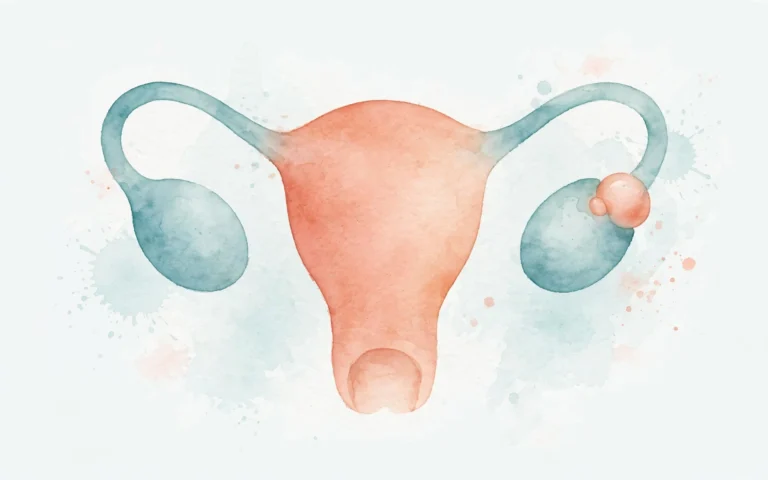
Ovulation spotting
Some women spot for a day or two around the middle of their cycle, roughly 10 to 16 days before the next period. This happens when the egg is released and estrogen briefly dips before progesterone rises. Ovulation spotting is usually pink or light brown, lasts 24 to 48 hours at most, and often comes with mild one-sided pelvic cramping (mittelschmerz) or a clear, stretchy discharge. If your spotting follows this mid-cycle pattern month after month, it is very likely ovulatory and benign.
Birth control and breakthrough bleeding
Hormonal contraception is one of the most frequent spotting between periods causes in women under 40. Pills, patches, rings, injections, implants, and hormonal IUDs can all cause breakthrough bleeding, especially during the first three months while the body adjusts. Missing pills, starting a pack late, or switching brands can also trigger spotting. Progestin-only methods and continuous (no-break) pill regimens tend to cause more irregular spotting. Doctors generally consider early breakthrough bleeding harmless, but bleeding that appears after months of stability on the same method deserves a medical review.
Stress, weight changes, and lifestyle disruption
Significant physical or emotional stress can interfere with the hormonal signals from your brain to your ovaries, delaying or disrupting ovulation and producing spotting. Rapid weight loss, intense endurance exercise, new shift work, or major illness can have the same effect. Because these triggers are usually temporary, the spotting typically resolves once the stressor eases and cycles normalize.
Structural Causes: Fibroids, Polyps, Adenomyosis, and Endometriosis
When spotting keeps recurring with no hormonal explanation, doctors look at the anatomy of the uterus itself. These structural spotting between periods causes are common and highly treatable once identified:
- Uterine fibroids — benign muscle tumors that are extremely common, especially in the 30s and 40s. Fibroids growing close to the uterine lining (submucosal fibroids) are the most likely to cause spotting between periods, along with heavier, longer periods and pelvic pressure.
- Endometrial or cervical polyps — small, usually benign growths from the uterine lining or cervix that bleed easily. Polyps can cause spotting between periods, spotting after sex, and postmenopausal bleeding. They are often discovered during a routine pelvic exam or ultrasound and are simple to remove and test.
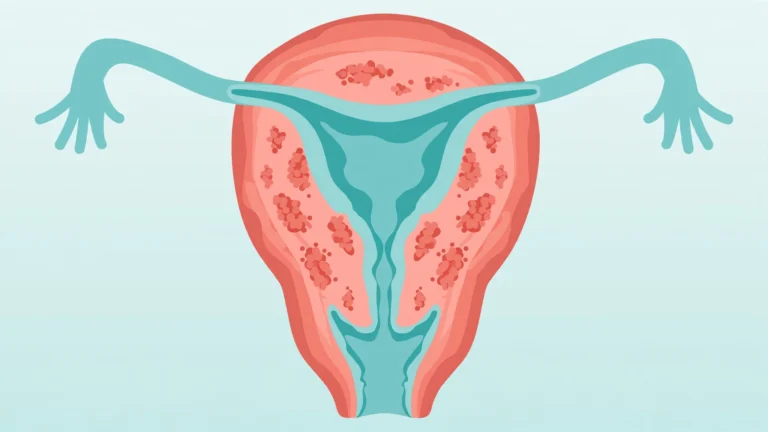
- Adenomyosis — a condition where uterine-lining tissue grows into the muscular wall of the uterus. It typically causes heavy, painful periods, but many women also report spotting between periods.
- Endometriosis — tissue similar to the uterine lining growing outside the uterus. Alongside pelvic pain and painful periods, it can produce irregular bleeding and spotting.
- Endometrial hyperplasia — an abnormal thickening of the uterine lining, usually linked to prolonged estrogen exposure without enough progesterone. It is important to diagnose because it can be a precancerous condition, particularly around and after menopause.
Pregnancy-Related Causes You Should Not Ignore
Any time you could be pregnant, spotting takes on added meaning. About one in five women experiences some bleeding in the first trimester:
- Implantation bleeding — light spotting 6 to 12 days after conception, when the fertilized egg attaches to the uterine lining. It is often mistaken for an early, unusually light period.
- Cervical sensitivity in pregnancy — increased blood flow to the cervix means spotting after sex or a pelvic exam is common and usually harmless in early pregnancy.
- Miscarriage — bleeding that starts light and becomes heavier, often with cramping, in the first trimester.
- Ectopic pregnancy — when a fertilized egg implants outside the uterus, most often in a fallopian tube. Spotting plus sharp one-sided abdominal pain, shoulder pain, or dizziness is an emergency that needs immediate care.
If there is any chance of pregnancy and you are spotting, take a pregnancy test and contact your doctor — do not assume it is just a cycle quirk. Pregnancy-related spotting between periods causes carry different risks than hormonal ones, so ruling pregnancy in or out is always the first step.
Infections and Cervical Causes
Infection-related inflammation makes reproductive tissues fragile and prone to bleeding, and these infectious spotting between periods causes are among the few that need same-week treatment. Common culprits include sexually transmitted infections such as chlamydia and gonorrhea — which often cause no other symptoms — as well as cervicitis (inflammation of the cervix), pelvic inflammatory disease (PID), and bacterial vaginosis. Warning signs that point toward infection include unusual discharge, pelvic pain, pain during sex or urination, and fever.
Spotting that happens specifically after intercourse often has a cervical source. Cervical ectropion, where delicate inner-canal cells extend onto the outer cervix, is benign and common in adolescents, pregnant women, and people using hormonal contraception — but it bleeds easily with contact. A cervical or endometrial polyp can do the same. For a deeper look at this specific pattern, see our guide on bleeding after sex: causes and when to worry. Persistent post-coital bleeding should always be evaluated, as it is also one of the early warning signs of cervical cancer, which is exactly why keeping up with Pap smears and HPV screening matters.
Causes by Age: What Doctors Rule Out First at Each Stage
The spotting between periods causes your doctor prioritizes shift dramatically with age. The table below reflects how gynecologists typically triage intermenstrual bleeding:
| Life stage | Most likely causes | What the doctor rules out first |
|---|---|---|
| Teens (13–19) | Immature ovulation in the first 2–3 years after menarche, stress, rapid weight changes, PCOS emerging | Bleeding disorders such as von Willebrand disease if heavy bleeding started at the first period; pregnancy |
| 20s–30s | Ovulation spotting, hormonal birth control, pregnancy/implantation, STIs, cervical ectropion | Pregnancy (including ectopic), STI-related cervicitis or PID, thyroid dysfunction |
| 40s (perimenopause) | Fluctuating estrogen, fibroids, endometrial or cervical polyps, thyroid changes, HRT-related bleeding | Endometrial hyperplasia and uterine/endometrial cancer — evaluation is standard after 40, often via ultrasound and biopsy |
| After menopause | Any bleeding is abnormal; vaginal atrophy, polyps, HRT, endometrial hyperplasia, cancer | Endometrial cancer is the top priority — all postmenopausal bleeding needs prompt evaluation, even a single spot |
This age-stratified approach explains why a teenager with mid-cycle spotting and a 52-year-old with the same symptom receive very different workups. If you are over 40 and notice new spotting between periods, doctors recommend evaluation even when you feel fine — the goal is to catch the rare but serious causes early, when they are most treatable.
Ovulation Spotting vs. Abnormal Bleeding: How to Tell the Difference
This is the distinction women ask about most, and most competitor guides gloss over it. Here is how to read your own pattern:
- Timing: ovulation spotting arrives mid-cycle, about 12–16 days before your next expected period. Abnormal bleeding shows no consistent timing or recurs randomly.
- Duration: ovulatory spotting lasts a few hours to two days. Bleeding that persists for several days or returns repeatedly is less likely to be ovulation.
- Color and flow: ovulation spotting is pink, light red, or brown and never needs a pad. Bleeding that requires protection, contains clots, or soaks through products is not ovulation spotting.
- Accompanying signs: mid-cycle spotting with clear stretchy discharge, a mild one-sided pelvic twinge, or a slight rise in basal body temperature points to ovulation. Spotting with pelvic pain, fever, discharge, or pain during sex points elsewhere.
Tracking just three things for two cycles — first day of bleeding, any spotting days, and the color/flow — gives your doctor far more diagnostic power than a vague “I spot sometimes.” If you want to pinpoint ovulation precisely, our guide to tracking your fertile window walks through the signs step by step.
At Your Appointment: What Your Doctor Will Ask and Test For
To narrow down the spotting between periods causes in your case, your clinician will typically ask about:
- Your bleeding history: cycle length, period length, when the spotting happens, its color and amount, and how many cycles it has occurred.
- Pregnancy possibility, contraception type, and any recent changes to it.
- Associated symptoms: pain, discharge, fever, pain with sex or urination, fatigue, or easy bruising.
- Medications: blood thinners, hormonal therapies, supplements, and recent new prescriptions.
- Medical history: thyroid disease, PCOS, bleeding disorders in the family, and date of your last Pap smear or HPV test.
The exam usually includes a pelvic exam and, depending on your age and symptoms, a combination of: a pregnancy test, blood work (thyroid function, prolactin, complete blood count, hormone levels), STI screening, a transvaginal ultrasound to examine the uterine lining and ovaries, and — especially after 40 or with persistent bleeding — an endometrial biopsy to check the lining directly. Bring your cycle notes; they often determine which tests your doctor orders first.

When to See a Doctor Right Away
Book a prompt appointment if you notice any of the following:
- Any vaginal bleeding — even spotting — after menopause (defined as 12 months without a period).
- Spotting that recurs for more than two or three cycles in a row.
- Bleeding that soaks through a pad or tampon every hour for several hours, or bleeding with large clots.
- Spotting with pelvic pain, fever, unusual discharge, or pain during sex or urination.
- New spotting after months of stability on hormonal birth control or hormone therapy.
- Spotting with dizziness, fainting, unusual paleness, or shortness of breath — these can signal significant blood loss.
- Any bleeding during pregnancy beyond the lightest spotting, or bleeding with abdominal pain.
Medical references including the Mayo Clinic’s guidance on abnormal uterine bleeding emphasize that while most spotting between periods causes are benign, persistent or postmenopausal bleeding should always be evaluated rather than watched and waited on. The Mayo Clinic Health System also notes that the likely causes of irregular bleeding vary by age — exactly why your doctor’s first questions will be about your life stage and cycle pattern.
FAQs
Is spotting between periods normal?
Occasional spotting is very common and usually harmless — most women experience it at some point. One or two days of light mid-cycle spotting, especially around ovulation or in the first months of hormonal birth control, is typically normal. It becomes a medical concern when it recurs for several cycles, is heavy, happens after menopause, or comes with pain, fever, or discharge.
Can stress cause spotting between periods?
Yes. Significant physical or emotional stress can disrupt the brain-ovary hormone signals that control ovulation, leading to a brief hormonal imbalance and light spotting. Intense exercise, rapid weight change, illness, and major schedule disruption can do the same. Stress-related spotting usually resolves on its own once the stressor passes and regular ovulation resumes.
Why am I spotting a week before my period?
Spotting about a week before your expected period most often reflects the late luteal phase — progesterone beginning to fall as the uterine lining prepares to shed. It can also be ovulation spotting in women with shorter cycles, early implantation bleeding if pregnancy is possible, or breakthrough bleeding from contraception. Track the timing for two cycles; a consistent pre-period pattern is usually hormonal and benign.
How much spotting is too much?
Spotting means light bleeding that does not require a pad or tampon — a few drops or a light smear. If bleeding soaks through menstrual products, contains clots, lasts many days, or forces you to change protection every hour or two, it is no longer spotting but abnormal uterine bleeding, and you should see your doctor promptly, especially if you feel dizzy or unusually tired.
Does spotting between periods mean I am pregnant?
It can, but it is far from the only explanation. Implantation bleeding happens in early pregnancy, roughly 6–12 days after conception, and affects up to one in five women. However, ovulation spotting, birth control changes, stress, and infections are all more common causes in non-pregnant women. If pregnancy is possible, take a home pregnancy test rather than guessing from the bleeding alone.
Should I see a doctor if I am spotting on birth control?
Spotting during the first three months of a new hormonal contraceptive is expected and usually settles on its own. See your doctor if spotting starts after months of stable use, is heavy or prolonged, or comes with pain or unusual discharge. They may adjust your dose or formulation — never stop or switch contraception without medical guidance, as gaps in coverage risk unintended pregnancy.
Spotting between periods is your body’s way of asking for attention, not necessarily sounding an alarm. Now that you know the main spotting between periods causes — from ovulation and birth control to fibroids, infections, and perimenopause — track your pattern, note anything that changes, and talk to your doctor when the bleeding is new, recurrent, or accompanied by other symptoms — or explore our related women’s health guides to keep learning about your cycle.
Medical disclaimer: This article is for educational purposes only and is not medical advice. It cannot replace evaluation by a qualified healthcare professional. If you are experiencing unusual vaginal bleeding, please consult your doctor, gynecologist, or another qualified clinician for personalized diagnosis and treatment.