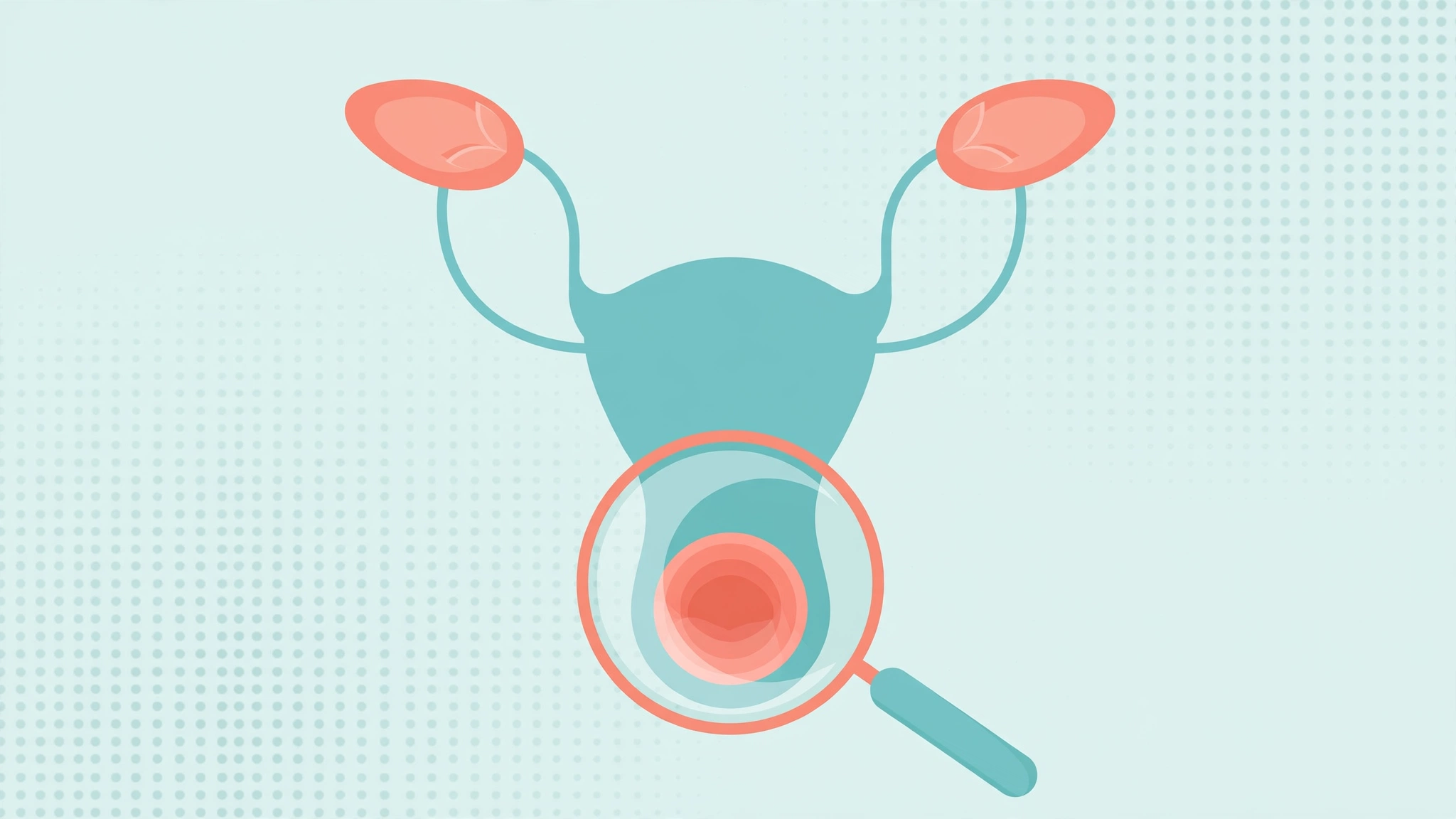
Bleeding After Sex: Common Causes and When to See a Doctor Now
Noticing blood after intercourse can be frightening, and most people immediately worry about the worst explanation. The truth is reassuring: the most common bleeding after sex causes are rarely dangerous and often easily treated. Doctors call this symptom postcoital bleeding, and it affects people at every stage of life. This guide covers where the blood comes from, which patterns are harmless, which demand prompt attention, and how to prepare for a doctor’s visit.
What Is Postcoital Bleeding?
Postcoital bleeding is vaginal bleeding or spotting that happens during or shortly after vaginal intercourse, when you are not menstruating. It is more common than many realize: up to 9 percent of menstruating women experience it at some point, and up to 63 percent of postmenopausal women notice dryness or spotting during sex.
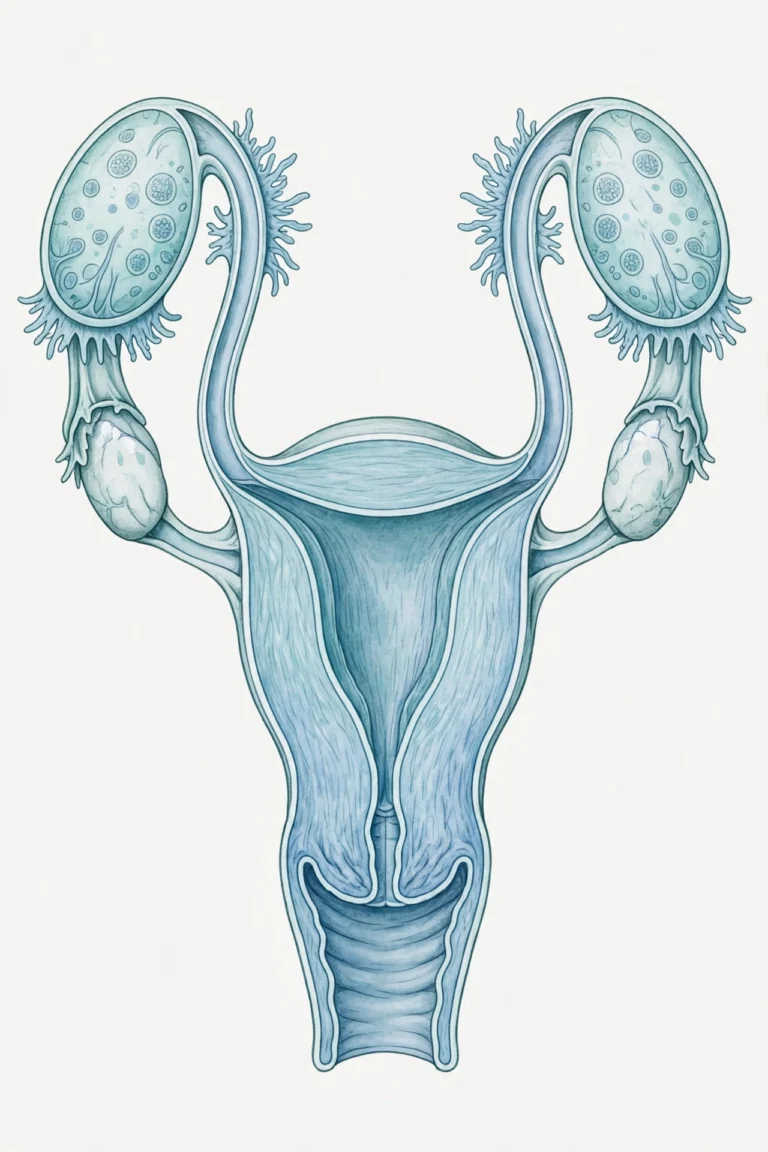
The blood can come from the vaginal walls, cervix, vulva, or urethra — and the source often points to the cause. Light spotting that happens once and stops quickly is usually low risk. Bleeding that is heavy, repeats every time, lasts for days, or starts after menopause needs a medical evaluation.
Bleeding After Sex Causes: The Complete Breakdown
Doctors usually sort bleeding after sex causes by where the blood comes from and what irritates or injures that tissue. Below are the causes clinicians see most often, ordered roughly from most to least common.
Vaginal Dryness and Friction
Dryness is one of the most frequent bleeding after sex causes across all ages. When vaginal tissues lack moisture, intercourse creates friction that can cause tiny tears in the vaginal lining. Dryness is especially common during and after menopause, when falling estrogen levels make vaginal walls thinner, less elastic, and more fragile. Because it is so common, dryness tops most doctors’ mental list of bleeding after sex causes.
But menopause is far from the only trigger. Other factors that reduce natural lubrication include:
- Insufficient arousal or rushing into intercourse
- Breastfeeding and the months after childbirth, when estrogen is low
- Certain medications, such as some antihistamines, antidepressants, and hormonal treatments
- Douching or scented feminine hygiene products that irritate the vaginal lining
- Autoimmune conditions such as Sjogren’s syndrome, which reduce moisture throughout the body
- Stress, anxiety, and depression, which can affect arousal and lubrication
If you are dealing with dryness, our guide on vaginal dryness: causes and treatments goes deeper into remedies from simple lubricants to prescription options your doctor can discuss.
Infections and Cervicitis
Infection-related bleeding after sex causes work through inflammation. When the cervix or vaginal tissues are inflamed, they become fragile and bleed on contact. The most common culprits include cervicitis (inflammation of the cervix, often from STIs like chlamydia, gonorrhea, or trichomoniasis), bacterial vaginosis, yeast infections, and pelvic inflammatory disease (PID), an infection of the upper reproductive organs.
Infections often come with other clues: unusual discharge, itching, burning during urination, or odor. Many are treatable with antibiotics or antifungals — and some are contagious, so timely testing protects both partners. Our guide to STI testing explains when and how often to get screened. When infection-related bleeding after sex causes are confirmed, treating both partners at the same time prevents reinfection.
Cervical Ectropion (Cervical Erosion)
Cervical ectropion sounds alarming but is usually harmless. It happens when the soft, glandular cells that normally line the inside of the cervical canal grow on the outer surface of the cervix. These cells are more delicate and bleed easily when touched during intercourse. Ectropion is common in teenagers, during pregnancy, and in people using hormonal contraception, because higher estrogen levels drive the change. It is considered a natural anatomical variant and often needs no treatment at all; only persistent, heavy bleeding might prompt a doctor to recommend a simple outpatient treatment. Reassurance matters here: ectropion is one of the most benign bleeding after sex causes and frequently needs no intervention at all.
Cervical and Uterine Polyps
Polyps are small, usually benign growths that dangle from the cervix or the lining of the uterus. Because they are fragile and sit right in the path of intercourse, their movement can irritate surrounding blood vessels and cause spotting. Most cervical polyps are noncancerous, and a doctor can remove them in a quick office procedure, then send the tissue for routine laboratory testing to be safe. Frequent spotting, cramping, or bleeding between periods alongside postcoital bleeding makes polyp removal more likely to be recommended. Because removal is quick, polyps are among the most satisfying bleeding after sex causes for doctors to diagnose.
Menstruation Timing and Hormonal Shifts
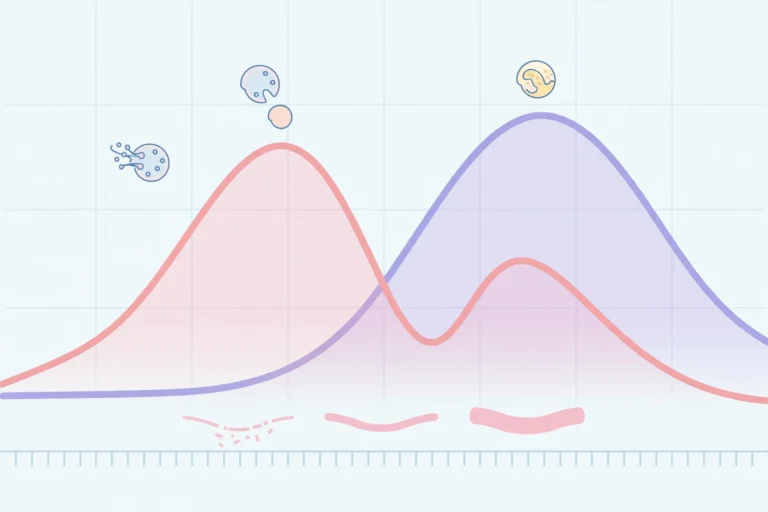
Sometimes the simplest explanation is the right one: residual menstrual blood. Old blood can linger in the uterus for days after a period ends, and intercourse can dislodge it. Hormonal shifts — from starting or stopping birth control, perimenopause, or irregular ovulation — can also make the uterine lining unstable enough to bleed with stimulation. Sorting hormonal timing from other bleeding after sex causes is usually as simple as tracking a few cycles on a calendar.
Pregnancy and Postpartum Changes
During pregnancy, the cervix develops extra blood vessels and becomes more sensitive, so light spotting after sex can happen and is often harmless — but any heavy or prolonged bleeding during pregnancy needs prompt evaluation, and bleeding in later pregnancy always warrants urgent care. After childbirth, especially while breastfeeding, low estrogen can cause the same dryness and fragile tissues seen in menopause. Pregnancy-related bleeding after sex causes are usually discussed at the next prenatal visit unless warning signs appear.
Uterine Prolapse
Uterine prolapse occurs when weakened pelvic floor muscles let the uterus slip downward. It is more common after menopause or multiple vaginal deliveries. Mild cases may improve with Kegel exercises; severe cases may need a support device or surgery. Displaced tissues can be irritated during intercourse and bleed.
Cervical Dysplasia and Gynecologic Cancers
This is the cause people fear most — and the least common. Published reviews suggest only a small percentage of women with postcoital bleeding turn out to have cervical cancer, and postcoital bleeding is an early symptom in a minority of cervical cancer cases. What matters is that this symptom must always be evaluated to rule serious disease out — which is exactly why regular Pap smears and HPV screening exist.
What About Men? Bleeding After Sex in Male Partners
Most articles on this topic ignore men entirely — but male partners can notice blood after sex too. The most common cause is blood in the semen (hematospermia), which can appear pink, red, or brown-tinged. It often stems from irritation or infection of the prostate, urethra, or seminal vesicles, such as prostatitis or urethritis.
A single episode without pain or other symptoms is usually not an emergency and often resolves on its own. Men should seek care for repeated episodes, painful ejaculation, difficulty urinating, fever, or any blood in the urine alongside it. A urologist can check for infection or prostate issues with simple tests, including a urinalysis and a prostate exam. Recognizing male bleeding after sex causes helps couples book the right appointment — with a urologist — instead of waiting in uncertainty.
Myths vs. Facts About Bleeding After Sex
Anxiety thrives on misinformation, so clearing up myths about bleeding after sex causes is one of the fastest ways to lower worry about this symptom. Here are the claims doctors most want patients to stop believing:
| Myth | Fact |
|---|---|
| Bleeding after sex always means an STI or cancer. | The majority of cases are caused by dryness, friction, minor infection, or benign growths. Serious causes are uncommon but must be ruled out. |
| Not bleeding the first time you have sex means something is wrong — or bleeding proves it was your first time. | Neither is true. Most people do not bleed during first intercourse, and the hymen varies widely. Bleeding is not a reliable sign of sexual history. |
| Sex can trigger your period to start. | Sex does not induce menstruation. Spotting after sex is from irritation or residual blood, not an early period. |
| Light spotting never needs a doctor. | One light episode often needs nothing, but postmenopausal bleeding of any amount, repeated episodes, or bleeding with pain always deserve evaluation. |
| You should stop having sex permanently if this happens. | Most causes are treatable, and intimacy can safely resume once your doctor identifies and addresses the cause. |
When to See a Doctor Now
Knowing which bleeding after sex causes can wait and which cannot is the most important takeaway of this article. Seek prompt or urgent medical care for any of the following:
- Any vaginal bleeding after menopause — even light spotting needs evaluation to rule out endometrial or cervical disease
- Heavy bleeding that soaks through a pad in an hour or less, or large clots
- Bleeding that happens every time you have sex, or continues for several days
- Severe pelvic or abdominal pain, fever, or chills alongside the bleeding
- Bleeding during pregnancy, especially in the second or third trimester
- Feeling faint, dizzy, or unusually pale — possible signs of significant blood loss
- New or unusual vaginal discharge, itching, or burning with urination suggesting infection
For an isolated light episode with no other symptoms in a premenopausal woman, you can usually monitor and mention it at your next checkup — but if it recurs, book an appointment.
What to Track Before Your Appointment
Walking into a gynecology visit with clear details dramatically speeds up diagnosis. Most doctors will ask about the same set of facts, so note them down in advance. Arriving with notes about your bleeding after sex causes history helps your doctor narrow the possibilities in a single visit:
| Detail to note | Why it helps |
|---|---|
| How much blood (a few drops, panty-liner, pad, clots) | Quantity helps distinguish minor spotting from clinically significant bleeding |
| Color (bright red, dark brown, pink) | Dark brown suggests old blood; bright red suggests fresh bleeding closer to the source |
| Timing relative to intercourse (during, immediately after, hours later) | Points to the tissue involved — cervical bleeding often appears immediately |
| Where you are in your menstrual cycle | Separates residual period blood from true postcoital bleeding |
| Menopause status and last period date | Postmenopausal bleeding triggers a different, more urgent workup |
| Associated symptoms (pain, discharge, itching, fever) | Flags infection, PID, or other inflammatory causes |
| Contraception, medications, and supplements | Some drugs and hormonal methods directly affect bleeding patterns |
| Date of your last Pap smear and HPV test | Tells the doctor whether cancer screening is current or overdue |
What to Expect at the Doctor’s Visit
You can see a primary care doctor or a gynecologist. Expect questions about your sexual history, contraception, cycle, and symptoms — honest answers guide the workup. A pelvic exam may follow, though it is not always required. Common tests include a Pap smear, HPV testing, STI screening, and a pregnancy test; a colposcopy (magnified view of the cervix) or transvaginal ultrasound may be added based on findings. Honest answers about your bleeding after sex causes let the doctor choose the right tests the first time.
How Doctors Treat Common Bleeding After Sex Causes
For most bleeding after sex causes, treatment targets the underlying problem rather than the bleeding itself. What doctors typically recommend includes:
- Vaginal moisturizers and lubricants — water- or silicone-based lubricants reduce friction immediately; regular moisturizers restore tissue hydration over time. (Use water-based products with condoms, since oil-based ones can damage latex.)
- Prescription vaginal estrogen — creams, suppositories, or a vaginal ring can reverse menopausal thinning for appropriate patients
- Antibiotics or antifungals — for cervicitis, STIs, bacterial vaginosis, or yeast infections, with partners treated when the infection is contagious
- Polyp removal — a quick office procedure, with tissue sent to the lab
- Prolapse management — pelvic floor physiotherapy, support devices, or surgery depending on severity
What doctors do not recommend: self-treating with douches, scented products, or leftover antibiotics, all of which can worsen irritation. If an infection is involved, avoid intercourse until treatment is complete and your doctor confirms you are clear. Matching treatment to the specific bleeding after sex causes found during your visit is what makes the bleeding stop for good.
Prevention Tips for Couples
Knowing your personal bleeding after sex causes is the best prevention tool. Beyond that, these habits help most couples: use a quality water- or silicone-based lubricant every time, allow time for full arousal, stop if you feel pain, avoid douching and scented washes, use condoms to reduce STI risk, and keep up with routine Pap and HPV screening. Reviewing your bleeding after sex causes with your doctor once a year keeps prevention up to date.
FAQs
Is it normal to bleed a little after sex?
A single light episode is fairly common — up to 9 percent of menstruating women experience postcoital bleeding at some point — and often comes from minor friction or dryness. That said, it is never considered truly “normal” in the medical sense. If it happens more than once, is heavy, or you are postmenopausal, see a doctor.
Can rough sex cause bleeding?
Yes. Vigorous intercourse can create small tears in the vaginal walls, especially when lubrication is inadequate. This is one of the most common benign explanations and usually resolves on its own. Using lubricant, slowing down, and stopping if you feel pain greatly reduce the risk of friction-related tearing.
Does bleeding after sex mean I have cancer?
Usually not. Most bleeding after sex comes from dryness, infection, polyps, or cervical ectropion. Still, postcoital bleeding is a recognized early symptom of cervical and vaginal cancer, so it should always be evaluated rather than dismissed. Regular Pap smears and HPV screening are the best protection. Understanding the full range of bleeding after sex causes puts the cancer question in perspective.
Can an infection cause bleeding after sex?
Yes — infections are a leading cause. STIs such as chlamydia and gonorrhea inflame the cervix (cervicitis), while bacterial vaginosis and yeast infections irritate vaginal tissues. Infection-related bleeding often comes with discharge, itching, or burning during urination. STI testing and prompt treatment protect both you and your partner.
Is bleeding after sex normal during pregnancy?
Light spotting after sex can happen in pregnancy because the cervix has extra blood vessels and is more sensitive. However, heavy or prolonged bleeding, cramping, or any bleeding in the second half of pregnancy needs urgent evaluation. When in doubt, contact your obstetric provider rather than waiting.
When should I seek urgent care for bleeding after sex?
Seek urgent care for heavy bleeding that soaks a pad hourly, severe pelvic pain, fever with bleeding, dizziness or fainting, any postmenopausal bleeding, or bleeding during pregnancy. Repeated episodes, even if light, also warrant a timely gynecology appointment to rule out serious causes.
The Bottom Line for Couples
If bleeding after sex causes you anxiety, remember the odds: most cases trace back to treatable issues like dryness, infection, or a small polyp. Note the details, use lubrication and good communication in the meantime, and talk to your doctor if it repeats, is heavy, or happens after menopause. Couples who treat this as a shared health question, not a secret, tend to get answers faster. The encouraging news is that most bleeding after sex causes respond well to simple, targeted treatment.
Talk to your doctor if anything here sounds familiar, and explore our related guides on vaginal health and sexual wellness for more evidence-based answers.
Medical disclaimer: This article is for educational purposes only and is not medical advice. It cannot diagnose your condition or replace professional care. If you are experiencing bleeding after sex or any concerning symptoms, consult a qualified healthcare professional for personalized evaluation and treatment.
Sources and further reading: Harvard Health Publishing discusses why bleeding after sex happens and when to call a doctor (Harvard Health: Why do I bleed after sex?), and Cleveland Clinic’s ob-gyn team outlines common causes and evaluation steps (Cleveland Clinic: Bleeding after sex).