Bartholin Cyst: Causes, Treatment, and When to Worry
Noticing a tender lump near the vaginal opening can be frightening, but in most cases it is a Bartholin cyst — a common, usually harmless fluid-filled swelling. Understanding your bartholin cyst treatment options — from simple warm compresses at home to minor office procedures — helps you act calmly and get the right care at the right time.
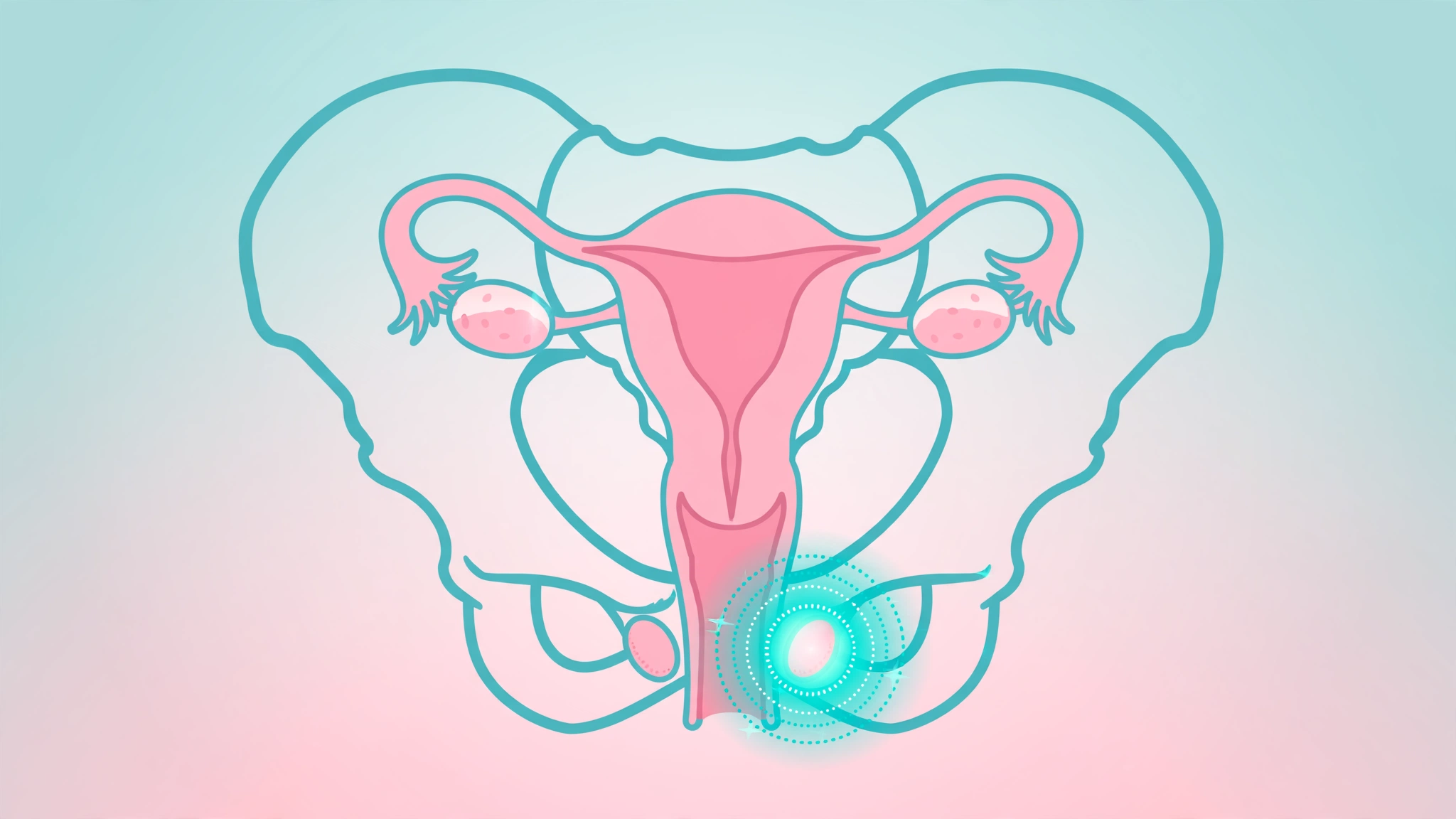
The Bartholin glands are two pea-sized glands, one on each side of the vaginal opening. They produce fluid that keeps the vagina lubricated. If a duct gets blocked — by irritation, inflammation, thick mucus, or sometimes bacteria — fluid backs up and a cyst forms. Most cysts are painless and discovered by chance, and many never need formal bartholin cyst treatment beyond home care. But if bacteria invade the trapped fluid, the cyst becomes an abscess: red, firm, and often intensely painful.
About 2 in 100 women develop a Bartholin cyst at some point, most often during their 20s and 30s. The good news is that most resolve on their own or with simple home care, and effective medical treatments exist for the ones that do not. This guide covers causes, the full range of bartholin cyst treatment options, what each procedure involves, recovery timelines, and the warning signs that mean you should see a doctor promptly.
What Causes a Bartholin Cyst?
A blockage is the root cause, but several things can trigger one:
- Chronic irritation or friction to the vulva area — including tight clothing or repeated rubbing
- Injury, including childbirth trauma or an episiotomy healing site
- Bacterial infections — most commonly E. coli and other normal vaginal bacteria; occasionally STIs such as gonorrhea or chlamydia play a role
- Inflammation of the gland or duct with no obvious trigger
It is important to know that a Bartholin cyst itself is not an STI and is not contagious through skin contact. If tests show a sexually transmitted infection contributed to an abscess, your doctor will treat the infection separately and may recommend partner evaluation. Practicing safer sex and gentle vulvar hygiene lowers the chance of the bacterial infections that turn a quiet cyst into a painful abscess.
Symptoms: Cyst vs. Abscess
A plain cyst is usually a small, soft, painless lump on one side of the vaginal opening. It may go unnoticed until a pelvic exam. An infected cyst (abscess) announces itself loudly:
- Rapid swelling, redness, and warmth in one labium
- Throbbing pain when sitting, walking, wiping, or during sex
- Difficulty inserting or removing a tampon
- Fever and chills if the infection is spreading
Abscesses can grow from pea-sized to golf-ball-sized in a matter of days, which is why timely bartholin cyst treatment matters. Because many vulvar lumps look alike, do not self-diagnose from photos online. The table below shows how doctors distinguish common possibilities — your clinician confirms the real one with a physical exam:
| Condition | Typical signs | How it differs |
| Bartholin cyst | Soft, painless lump on one side of vaginal opening | In a very specific location (4–5 o’clock or 7–8 o’clock) |
| Bartholin abscess | Firm, red, very painful swelling + possible fever | Inflamed and tender; needs prompt treatment |
| Inclusion cyst | Small firm bump, sometimes from an episiotomy scar | Usually near a healed scar, not at the gland site |
| Folliculitis / ingrown hair | Pimple-like bump with a hair at the center | Centered on a hair follicle, not deep in the labia |
| Vulvar cancer (rare) | Persistent, non-healing lump, often after age 40 | Does not respond to drainage; needs biopsy |
Bartholin Cyst Treatment at Home
For a small, painless, uninfected cyst, bartholin cyst treatment often starts — and ends — at home. Doctors typically recommend watchful waiting for up to a few weeks, because many cysts drain and resolve on their own.
- Sitz baths: Sit in 3–4 inches of warm (not hot) water for 10–15 minutes, several times a day for 3–4 days. The warmth softens the duct opening and can encourage the cyst to drain naturally.
- Warm compresses: A clean cloth soaked in warm water, held against the area until it cools, works when a full bath is impractical.
- Over-the-counter pain relief: Acetaminophen or ibuprofen, used as directed, eases pain and swelling.
- Keep the area clean and dry: Gentle washing with water, no harsh soaps or douching, and cotton underwear.
If the cyst bursts or drains on its own during home care, that is usually fine — spontaneous drainage is a common and welcome milestone in at-home bartholin cyst treatment. The fluid may be thick, yellowish, or brownish. Keep the area clean, do not probe or squeeze it further, and contact your doctor if pain worsens or a fever develops.

When Home Care Is Not Enough: Medical Bartholin Cyst Treatment
See your doctor if the lump is growing, becomes painful, shows redness or pus, does not improve after a few weeks, or comes with fever. Getting medical bartholin cyst treatment early usually means faster relief and fewer repeat episodes. At the appointment, expect a pelvic exam to confirm the diagnosis — the same stepwise approach described in clinical overviews such as the Cleveland Clinic’s Bartholin cyst guide. If there is discharge, the doctor may take a sample to test for bacteria or STIs. Women over 40 are sometimes offered a biopsy to rule out vulvar cancer — this is a standard precaution, not a cause for panic, since gland cancer at this site is rare.
Medical bartholin cyst treatment depends on size, pain, and whether infection is present:
- Antibiotics: Prescribed when the cyst is infected or tests show an STI. Antibiotics alone usually cannot cure an abscess — the pus needs to come out — so they are typically combined with drainage. Your doctor decides whether you need them; do not take leftover antibiotics on your own.
- Incision and drainage with Word catheter: In the office, the doctor numbs the area, makes a small cut, drains the fluid, and places a small rubber tube with a balloon tip inside. The catheter stays for 4–6 weeks so a permanent drainage track forms as it heals. Relief is usually immediate once pressure releases.
- Marsupialization: For cysts that keep coming back, the doctor opens the cyst and stitches its edges to the skin, creating a small permanent pouch for continuous drainage. It takes under 30 minutes, you go home the same day, and it significantly lowers recurrence.
- Needle aspiration: Some doctors drain an abscess with a needle as an outpatient procedure — less invasive, though recurrence is higher than with a catheter.
- Silver nitrate or alcohol sclerotherapy: Less common chemical techniques that close off the cyst cavity after drainage; studies show effectiveness comparable to marsupialization with faster healing in some cases.
- Carbon dioxide laser: A newer minimally invasive option that vaporizes the cyst lining; quick but more expensive and less widely available.
- Gland removal (excision): Reserved as a last resort after other treatments fail, because of bleeding risk and possible vulvar dryness afterward. It is also recommended if cancer cannot be ruled out in older patients.
Comparing Procedures: What to Expect and How Often They Work
Choosing among bartholin cyst treatment procedures is a conversation with your doctor, but understanding the trade-offs helps you ask better questions. Simple incision and drainage alone has the highest recurrence rate, which is why doctors prefer methods that create a lasting drainage opening:
| Procedure | Setting | Recovery | Recurrence risk |
| Simple incision & drainage | Doctor’s office | Days to 2 weeks | Higher — cyst often returns without a drainage track |
| Word catheter | Doctor’s office | 2–4 weeks, catheter in place 4–6 weeks | Lower — permanent opening forms as it heals |
| Marsupialization | Office or day surgery | 2–4 weeks | Low — best-studied option for recurrent cysts |
| Gland excision | Operating room | 2–4 weeks | Cyst cannot recur (gland removed), but surgery is the most involved |
After any drainage procedure, expect soreness for several days, light spotting or discharge as the site heals, and sitz baths to keep the opening clear. Follow-up visits are a routine part of medical bartholin cyst treatment and let your doctor check healing and remove the catheter or gauze at the right time.

Sex, Partners, and Intimacy During Treatment
This is the question many patients are embarrassed to ask, and most articles gloss over. Here is straightforward guidance doctors give:
- During an active abscess or after drainage, pause vaginal intercourse until pain resolves and your doctor confirms healing — typically 2–4 weeks after a procedure, and as long as the Word catheter is in place. Penetration can reintroduce bacteria and dislodge the catheter.
- A Bartholin cyst itself is not contagious. You do not need to disclose it the way you would an STI, but telling your partner why you are pausing sex avoids misunderstandings. A simple script: “I have a benign gland cyst near the vaginal opening that needs to heal — my doctor says no penetration for a few weeks, but other intimacy is fine.”
- If an STI was found, that is separate from the cyst: follow your doctor’s treatment, notify recent partners, and use condoms until both of you test clear. For more on navigating that conversation, see our guide on questions to ask your OB-GYN about sexual health.
- After full healing, most women resume their normal sex life without issues. If pain during sex persists after the cyst is gone, tell your doctor — it may point to pelvic floor tension or another treatable cause.
Bartholin Cyst Treatment During Pregnancy
Cysts can appear or worsen in pregnancy, partly because increased blood flow and vaginal discharge irritate the glands. Home measures — sitz baths, warm compresses — are safe first steps for bartholin cyst treatment during pregnancy. If an abscess forms, medical bartholin cyst treatment during pregnancy still favors office drainage; Word catheter placement is considered safe in pregnancy (Harvard Health’s overview notes these office procedures can usually be done under local numbing). Antibiotic choices are adjusted for pregnancy, and gland excision is generally postponed until after delivery. Always tell your OB-GYN about any vulvar lump early so it can be monitored through prenatal visits.
Preventing Recurrence
You cannot prevent every cyst, but you can reduce the odds of repeat episodes:
- Practice good vulvar hygiene — gentle washing, breathable cotton underwear, and no douching (douching disrupts healthy bacteria and does not prevent cysts).
- Use condoms with new partners to lower STI-related abscess risk.
- Address friction triggers — very tight synthetic underwear or cycling without padding during flare-ups.
- At the first sign of a returning lump, start warm compresses early and call your doctor sooner rather than later — small cysts are far easier to treat than full abscesses.
- If you have had two or more episodes, discuss marsupialization or a Word catheter with your gynecologist — these procedures exist specifically to break the recurrence cycle. For general guidance on tracking unusual discharge alongside vulvar symptoms, our article on normal vs. abnormal vaginal discharge can help you describe symptoms accurately at your appointment — details that help your doctor choose the right bartholin cyst treatment.
When to Worry: Red Flags
Seek prompt medical care — same day or urgent care — if you notice:
- Severe or rapidly worsening vulvar pain
- Fever, chills, or feeling systemically unwell
- Red streaks spreading from the lump (possible cellulitis)
- A lump that keeps growing despite a few days of warm compresses
- Any vulvar lump after age 40 that does not resolve within a few weeks (needs evaluation to rule out rare malignancy)
Do not try to lance, squeeze, or pop the cyst with a needle yourself. Forced drainage spreads infection, can damage the delicate vulvar tissue, and often makes the abscess worse. Let drainage happen naturally or have it done under sterile conditions. If you are unsure which bartholin cyst treatment path fits your symptoms, an in-person exam is the fastest way to get a clear plan.
FAQs
Can a Bartholin cyst go away on its own?
Yes. Many small, uninfected cysts resolve without medical treatment within a few days to a few weeks, especially with regular sitz baths or warm compresses. A cyst may even burst and drain by itself. See a doctor if it grows, becomes painful, shows redness, or has not improved after several weeks.
How long does bartholin cyst treatment take to work?
Home care usually shows improvement within 3–7 days. A drained abscess brings immediate pressure relief, with full healing in 2–4 weeks. Word catheter treatment spans 4–6 weeks while the drainage track forms. Most women complete bartholin cyst treatment and are fully recovered within a month, though recurrent cases needing marsupialization take slightly longer to settle.
Should I pop a Bartholin cyst myself?
No — never squeeze, pop, or pierce a Bartholin cyst at home. Forcing it open risks pushing infection deeper, injuring surrounding tissue, and worsening pain. If the cyst drains spontaneously during sitz baths, that is safe; keep the area clean and call your doctor if symptoms escalate.
What comes out when a Bartholin cyst drains?
Drainage is usually thick mucus or pus, ranging from light yellow to brownish or slightly bloody, and may have an unpleasant odor if infected. Clean the area gently with water and watch for worsening redness, fever, or increasing pain, which signal that medical bartholin cyst treatment is needed.
Is a Bartholin cyst a sign of an STI?
Usually not. Most abscesses grow bacteria already present in the vagina, such as E. coli, rather than sexually transmitted infections. Rarely, gonorrhea or chlamydia can contribute. Your doctor may run a swab test to check — if an STI is found, it is treated separately with antibiotics.
Will a Bartholin cyst come back after treatment?
It can. Simple drainage alone has a notable recurrence rate, which is why doctors often use a Word catheter or marsupialization to create a permanent drainage opening. These methods substantially lower the chance of repeat episodes. Two or more recurrences are a clear reason to discuss marsupialization with a gynecologist.
The Bottom Line
A Bartholin cyst is common, usually benign, and highly treatable. Start with gentle home care — warm sitz baths and patience resolve many small cysts. Move to medical bartholin cyst treatment — antibiotics, office drainage with a Word catheter, or marsupialization — when pain, infection, or recurrence demand it. The single most important rule: never try to force it open yourself, and see a doctor promptly for severe pain, fever, or any persistent lump after 40.
If this topic raised other questions about your intimate health, bring them to your next checkup — or explore our related guides. Talking to your doctor early turns a scary lump into a routine, fixable problem.
Medical disclaimer: This article is for educational purposes only and is not medical advice. Vulvar symptoms vary from person to person, and only a qualified healthcare professional who examines you can diagnose your condition and recommend treatment. If you notice a painful, growing, or persistent lump, consult your doctor or gynecologist promptly.