Stress Management for a Healthier Sex Life: The Proven Couple’s Guide
Stress and sex are deeply connected — most couples never decide to let their intimate life fade, but pressure, deadlines, and exhaustion simply crowd it out. A practical stress and sex approach reverses that pattern: instead of waiting for stress to pass, couples learn evidence-based techniques to calm the body and protect desire. When managing stress and sex becomes part of your routine, arousal stops being a casualty of your calendar. This guide explains the science behind the stress–desire connection, walks you through nine proven techniques, and gives you a concrete seven-day plan to put it all together.
Whether you are new to the idea or rebuilding after a rough patch, a routine built around stress and sex works because it targets the nervous system, hormones, and habits all at once.
Why Stress and Sex Are Biologically Linked
Sexual response is not just an emotional choice — it is a biological event that requires the body to be in a state of safety and relaxation. That is why understanding the link between stress and sex starts with seeing what stress actually does inside the body. Chronic pressure activates the sympathetic nervous system — the “fight or flight” branch — which diverts blood flow toward large muscles and floods the body with cortisol and adrenaline. Arousal, by contrast, depends on the parasympathetic nervous system, the “rest and digest” state that allows muscles to relax and blood flow to increase. The two states are physiologically opposed: the body cannot fully relax into intimacy while it is simultaneously preparing for a threat.
Hormones tell the same story. When stress becomes chronic, persistently elevated cortisol suppresses the production of sex hormones — including testosterone, estrogen, and progesterone — in both men and women. Medical authorities including the Mayo Clinic and Cleveland Clinic note that prolonged stress disrupts hormonal balance, which directly lowers desire and physical responsiveness. This is one reason a healthy approach to stress and sex is not just “nice to have” — it is a biological prerequisite for desire.
The third pathway is mental. Stress narrows attention toward problems and threats, leaving no bandwidth for erotic attention. This is sometimes called “spectatoring” — being in your head instead of your body — and clinicians consider it one of the most common desire killers in busy couples. Together, these three pathways explain why the link between stress and sex quietly erodes a couple’s intimate life long before either partner notices.
The Stress and Sex Cycle: How Pressure Steals Desire
Problems with stress and sex feed each other in a loop that psychologists call the stress–sex cycle. Stress lowers desire; lower desire leads to less intimacy; less intimacy creates distance, guilt, and conflict — which adds more stress. Over time, this cycle can make couples feel like strangers, even when love is intact.
Relationship research adds a social layer to this cycle. Relationship scientist Dr. John Gottman describes how chronic stress drains what he calls a couple’s “emotional bank account”: presence, patience, and affection all decline while irritability rises, and closeness is gradually replaced by absence. The stressed partner is not the only one who suffers — both partners feel the distance, which is why stress and sex must be addressed as a couple, not alone.
This is exactly why a healthy approach to stress and sex treats the relationship as part of the treatment — calming the body calms the bond.
Breaking this cycle is the entire point of a plan that tackles stress and sex together. The goal is not to eliminate stress from your life — that is impossible — but to build a reliable buffer between daily pressure and your intimate life, so stress stops bleeding into the bedroom.
9 Proven Stress Management Techniques for a Healthier Sex Life
The techniques below are drawn from clinical guidance and research. They work best as a system — a plan for stress and sex is most effective when you combine daily calming practices with couple-level rituals.
1. Run a weekly stress audit (identify your triggers)
The Mayo Clinic’s first recommendation for stress management is deceptively simple: identify what actually stresses you. Sit down once a week — alone or with your partner — and name your three biggest pressure sources. Is it work spillover, money worries, parenting load, or phone noise? Writing triggers down matters: research on stress reappraisal shows that simply labeling a stressor reduces its emotional grip. Then sort the list into “I can change this” and “I can only change my response” — and make one small change per item. This kind of honest audit is the foundation of better stress and sex.
2. Use the 4-7-8 breathing reset before intimacy
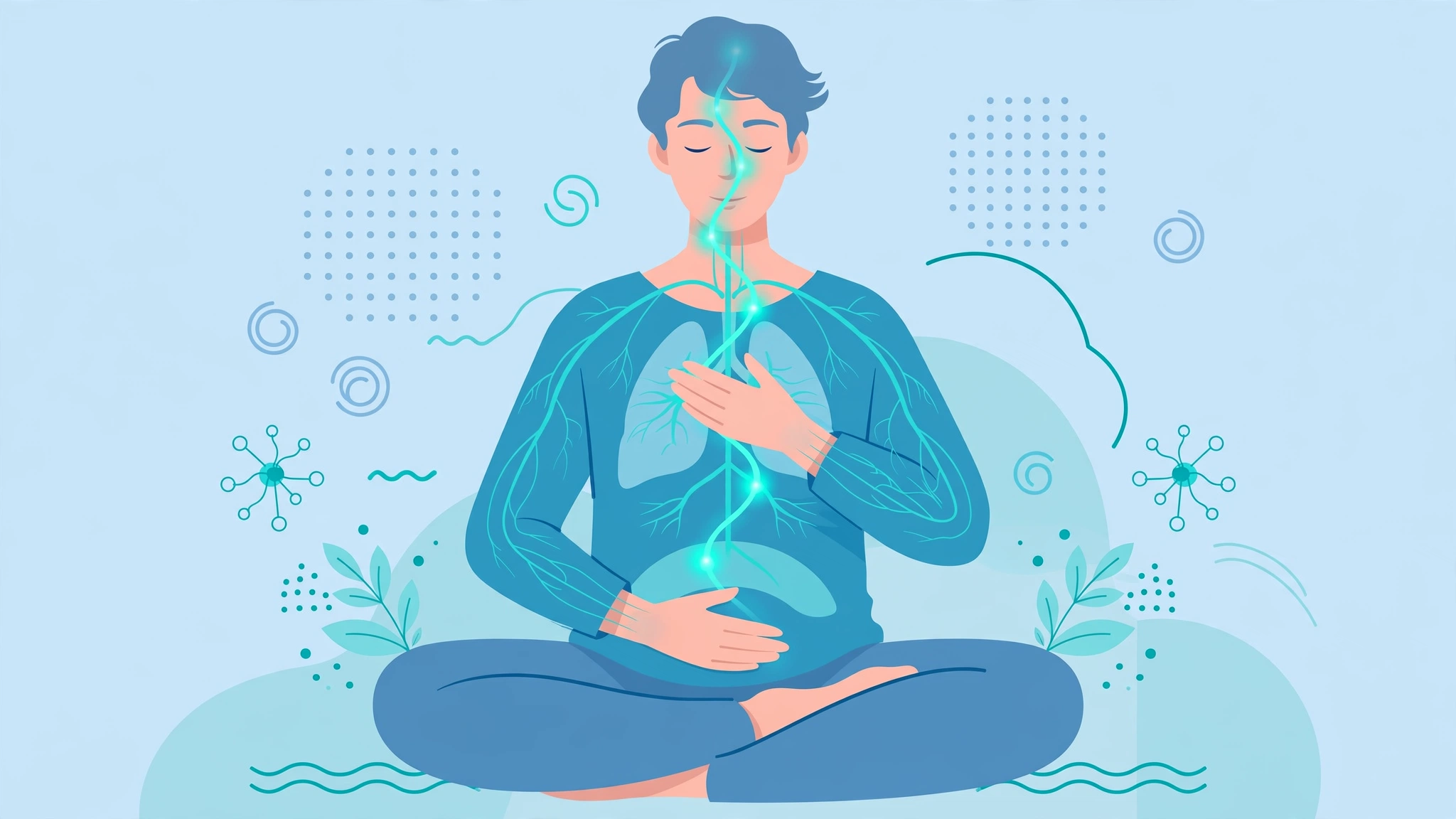
One of the fastest ways to shift from “fight or flight” into a state where arousal is possible is controlled breathing. Try the 4-7-8 technique: breathe in through your nose for four counts, hold for seven, and exhale slowly through your mouth for eight. Do four rounds, either alone or together, as a transition ritual between your stressful day and the evening. Research on diaphragmatic breathing links it to better emotional arousal and empathic connection between partners. Think of it as a doorway: ten minutes of breathing tells your nervous system the workday is over. Make this reset a non-negotiable part of your stress and sex routine.
3. Try mindfulness-based practices with clinical backing
General mindfulness advice — “just be present” — is common. What most articles miss is that mindfulness for sexual wellbeing now has clinical evidence behind it. Mindfulness-based sex therapy (MBST) programs, studied by researchers such as Dr. Lori Brotto at the University of British Columbia, teach structured meditation practices focused on bodily sensation and nonjudgmental awareness. In clinical trials, participants — including women with low desire — showed measurable improvements in arousal, desire, and sexual satisfaction after mindfulness-based programs. For couples working on stress and sex, mindfulness turns attention back toward each other. If you want a structured version, ask a sex therapist about MBST programs.
4. Move together: the 30-minute exercise prescription
Exercise is the most underrated stress management sex life tool. Physical activity burns off stress hormones, triggers endorphin release, and improves blood flow throughout the body — including to the organs involved in sexual response. A 2025 Cleveland Clinic survey found that 74% of men said their physical fitness directly affects their sexual performance or sex drive, and 86% reported experiencing stress, anxiety, or mental exhaustion in a typical week. Doctors generally recommend at least 150 minutes of moderate aerobic activity per week — that is just 30 minutes, five days a week. The couple bonus: exercising together doubles as connection time. A morning walk or evening swim with your partner delivers stress relief and intimacy in one package.
5. Protect your sleep like your libido depends on it (it does)
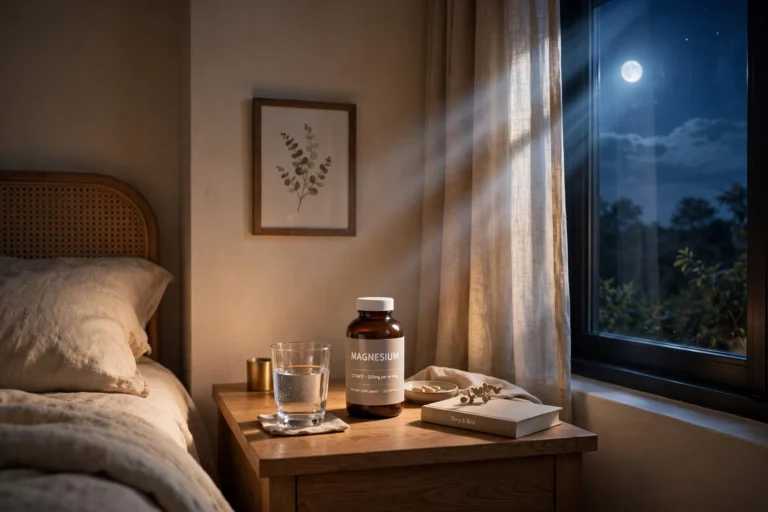
Sleep deprivation raises cortisol, lowers testosterone, and tanks emotional regulation — a triple hit on desire. Most adults need seven to nine hours, yet exhausted couples routinely sacrifice sleep for screens. Build a sleep hygiene routine: a consistent bedtime, a cool dark bedroom, and a “digital sunset” — no phones or laptops in the bedroom for at least 30–60 minutes before sleep. If stress keeps you up, the Mayo Clinic suggests removing the TV and computer from the bedroom entirely and letting your mind wind down. A stress management sex life routine that protects sleep usually improves desire within weeks.
6. Hold a daily 20-minute “stress-reducing conversation”
Gottman’s research recommends a daily ritual he calls the “stress-reducing conversation”: each partner gets about 20 minutes to vent about stress outside the relationship — work, friends, family — while the other listens without problem-solving. This matters for two reasons. First, it keeps outside stress from being silently attributed to the partner (“you’re stressed at me“). Second, feeling heard is itself calming — it activates the parasympathetic nervous system and builds the emotional safety that desire needs. Make it a rule: talk about the day’s stress at dinner or on a walk, and leave it there. A stress management sex life routine that includes structured listening keeps small pressures from becoming big wedges.
7. Use sensate focus for performance anxiety
When stress turns into performance anxiety — worrying about arousal, erection, or orgasm — the pressure itself becomes the problem. Sex therapists address this with a protocol called sensate focus, developed by Masters and Johnson, that almost no popular articles cover. For two weeks, couples take turns giving and receiving touch with a strict rule: no goal, no performance, just noticing sensation. Each session lasts 15–20 minutes and starts non-erotically (back, arms, legs), progressing gradually over days. The technique works because it removes the “test” from intimacy and retrains the brain to associate touch with relaxation rather than pressure. A stress management sex life plan that includes sensate focus gives anxious partners a safe path back to confidence.
8. Schedule intimacy and plan a digital sunset
Sex therapists report that couples who schedule intimacy have more satisfying sex lives — yet many couples resist the idea because it feels “unromantic.” Reframe it: you schedule everything you value, from workouts to date nights. Planning intimacy creates anticipation (research shows anticipation itself builds desire through dopamine) and removes the nightly “should we or shouldn’t we?” negotiation that drains energy. Pair scheduling with a digital sunset: phones out of the bedroom by 10 PM. Screen time before bed fragments sleep and keeps the mind in work mode. For a full week, treat your scheduled evening as non-cancelable as a doctor’s appointment — and watch how this buffer for stress and sex changes your energy.

9. Audit your stimulants: caffeine, alcohol, and food
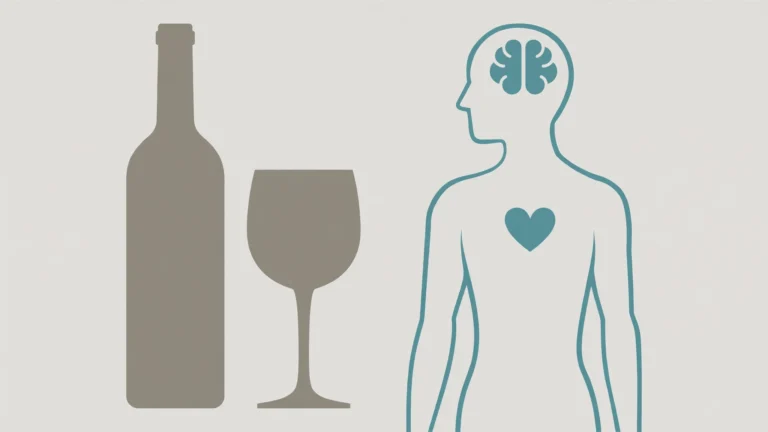
Two everyday substances quietly work against stress management for your sex life. Excess caffeine mimics and amplifies the stress response — jitteriness, racing heart, and fragmented sleep — which keeps the sympathetic nervous system switched on. Alcohol feels relaxing but disrupts sleep architecture and can blunt arousal and performance. Practical guardrails: cap caffeine at one to two servings before noon, keep alcohol moderate or skip it on intimacy nights, and eat a balanced diet rich in whole foods. These small changes make every other stress management sex life technique more effective. The Mayo Clinic’s stress guidance recommends eating healthily, exercising, and getting enough sleep as the foundation of stress management — and warns against using alcohol or drugs to manage stress.
Your 7-Day Stress and Sex Reset
Here is how to put your stress and sex plan together. Each day combines one solo calming practice with one couple ritual — small, repeatable steps that build a buffer between pressure and intimacy.
| Day | Solo practice (10–15 min) | Couple ritual (20–30 min) |
|---|---|---|
| Monday | Write your weekly stress audit (technique 1) | Share audits over dinner; name one change each |
| Tuesday | 4-7-8 breathing before bed | First stress-reducing conversation (20 min) |
| Wednesday | 10-minute mindfulness meditation | Walk together; phones stay home |
| Thursday | 30-minute exercise session | Sensate focus session 1 (non-erotic touch only) |
| Friday | Digital sunset: no screens after 9 PM | Schedule this weekend’s intimacy time |
| Saturday | Cut caffeine after noon; cook a balanced meal together | Sensate focus session 2, relaxed and unhurried |
| Sunday | Reflect: what lowered my stress most? | Plan next week’s rituals; keep what worked |
After one week on a stress and sex routine, most couples report sleeping better and arguing less — the foundation desire needs. After four to six weeks of consistent practice, improvements in arousal and satisfaction typically follow. A stress and sex plan is a habit, not a one-time fix.
When Stress Becomes a Medical Issue
Self-help techniques are powerful, but they have limits. Doctors recommend seeking professional help when: stress-related intimacy problems persist for several months despite lifestyle changes; you experience ongoing anxiety, panic, or depression symptoms; sexual function issues appear suddenly (see our guide on whether stress can cause erectile dysfunction); or stress is affecting your work, relationships, or physical health. A stress management sex life plan complements, but never replaces, professional care. A clinician can screen for underlying conditions — thyroid issues, depression, hormonal disorders — that mimic stress-driven desire loss, and may refer you to a sex therapist or recommend cognitive behavioral therapy (CBT), which has strong evidence for breaking the stress–anxiety cycle. If low desire persists, our article on the common causes of low libido worth ruling out first walks through the full medical checklist.
FAQs
Can stress really kill your sex drive?
Yes. Chronic stress elevates cortisol, which suppresses sex hormones such as testosterone and estrogen. It also keeps the body in “fight or flight” mode, which is physiologically opposed to the relaxed parasympathetic state arousal requires. Mentally, stress crowds out erotic attention. The good news: because the mechanism is stress-driven, problems with stress and sex are usually reversible with consistent stress management.
How can I relax before sex if my mind won’t stop racing?
Use a transition ritual instead of willpower: four rounds of 4-7-8 breathing (inhale 4, hold 7, exhale 8), a warm bath, or a partner massage. Once calm, a routine that respects the link between stress and sex helps you stay present together. Mindfulness — noticing physical sensation without judging it — is more effective than trying to “empty your mind.” If racing thoughts persist nightly, consider that anxiety may need professional attention rather than more techniques.
Does scheduling sex kill spontaneity?
Research and clinical experience say the opposite. Busy couples who schedule intimacy typically have more and better sex, because planning creates anticipation — which itself fuels desire — and removes the draining nightly negotiation. Keep some evenings unplanned, but treat scheduled intimacy as non-cancelable. Many therapists consider scheduling the single most effective intervention for couples struggling with stress and sex.
How long does it take for stress management to improve your sex life?
Expect better sleep and less tension within one to two weeks of consistent practice. Meaningful improvements in desire and satisfaction typically take four to six weeks — roughly how long it takes for cortisol rhythms and sleep quality to normalize. Mindfulness-based programs in clinical trials ran 4–8 weeks before showing significant gains. Be patient, track progress weekly, and let your stress and sex routine evolve with what works.
Can stress cause permanent damage to my sex life?
No — when stress and sex collide, the resulting desire and function problems are almost always reversible. The body returns to baseline once chronic stress eases and sleep, hormones, and nervous system balance recover. However, if problems persist for months despite lifestyle changes, see a doctor: persistent symptoms can signal conditions like depression, thyroid disorders, or hormonal imbalances that need medical treatment.
When should we see a doctor or sex therapist about stress and intimacy?
Seek help if intimacy problems persist for months despite your work on stress and sex, with symptoms of anxiety or depression, or if difficulties appeared suddenly. A doctor can rule out medical causes and refer you to a sex therapist or CBT practitioner. Couples counseling is also valuable when stress has created a pattern of conflict around intimacy.
The Bottom Line
A plan for stress and sex is not about eliminating pressure from your life — it is about building a reliable buffer between your daily stress and your intimate life. The nine techniques in this guide give you a practical system backed by clinical guidance. Start with the seven-day reset, keep what works, and treat stress management as ongoing maintenance for your relationship. And if stress-driven intimacy problems persist, talk to your doctor — there is no shame in getting expert help, and effective treatments exist.
Medical disclaimer: This article is for educational purposes only and is not medical advice. It does not replace professional diagnosis or treatment. Always consult a qualified healthcare professional about personal health concerns, and never start, stop, or change any treatment based on what you read here.