Low Estrogen Symptoms in Women: 12 Signs, Causes & What Actually Helps
You're sleeping badly, snapping at small things, and intimacy feels like a chore — and you're nowhere near menopause. These are classic low estrogen symptoms in women, and they can show up in your 20s and 30s, not just your 50s. Estrogen affects far more than your period: it shapes your sleep, mood, bones, skin, bladder, and sex drive.
The tricky part is that low estrogen rarely announces itself clearly. Symptoms creep in gradually, and many overlap with stress, thyroid problems, or depression. This guide walks you through the real signs, the most common causes, how doctors test for it, and what actually helps — so you can stop guessing and start getting answers.
What Does Estrogen Do in Your Body?
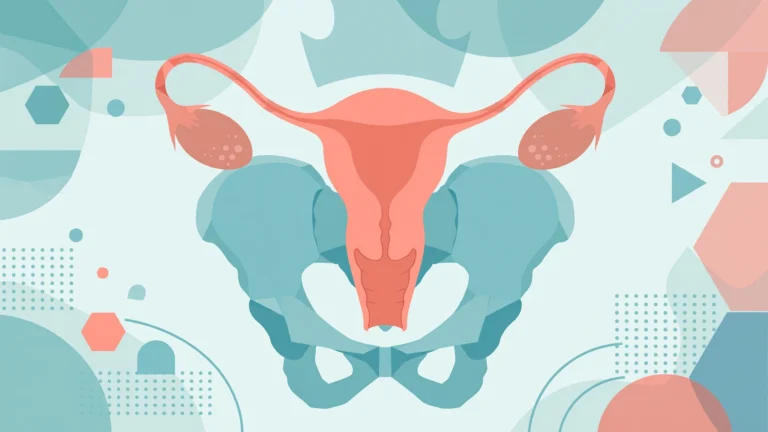
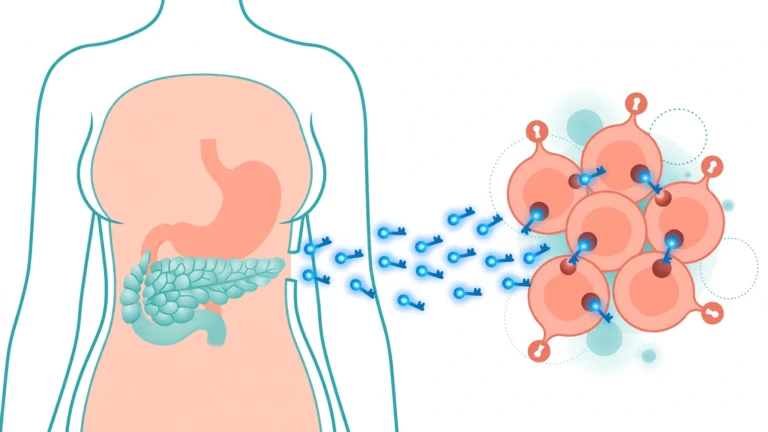
Estrogen is your main female sex hormone, made mostly by your ovaries. It regulates your menstrual cycle and fertility, but its job doesn't stop there. It keeps your bones dense, your skin elastic, your brain sharp, your vagina lubricated, and your cholesterol in check.
Because estrogen touches so many systems, low levels create a ripple effect. One small hormonal shift can show up as night sweats, brain fog, a disappearing libido, and achy joints — all at once. That's why recognizing the pattern matters more than spotting any single symptom.
12 Low Estrogen Symptoms in Women
1. Irregular or Missing Periods
One of the earliest and most reliable signs. Your periods may become irregular, lighter, or skip entirely. In athletes and women with very low body fat, periods can stop altogether — a condition called hypothalamic amenorrhea. Any skipped periods without pregnancy deserve a medical check.
2. Hot Flashes and Night Sweats
Sudden waves of heat, flushing, and sweating — especially at night — are hallmark symptoms. They happen because estrogen helps regulate your body's thermostat in the brain. Night sweats that soak your sheets are worth mentioning to your doctor, whatever your age.
3. Vaginal Dryness
Estrogen keeps vaginal tissue thick, moist, and elastic. When it drops, dryness and irritation can appear — often first noticed during sex. This isn't just a menopause problem; breastfeeding mothers and women on certain medications get it too.
4. Painful Intercourse
Thin, dry vaginal tissue is more fragile and prone to micro-tears, which makes sex uncomfortable or painful (doctors call this dyspareunia). Pain during sex is not something you should "push through" — it's a treatable symptom.
5. Low Libido
A disappearing sex drive is one of the most common low estrogen symptoms in women. Estrogen supports desire directly and indirectly — pain, poor sleep, and mood changes all drag libido down with them. If your desire has quietly faded, hormones are worth investigating. For a deeper look at the hormone–desire connection, read our guide on how hormones affect libido.
6. Mood Swings, Anxiety, or Low Mood
Estrogen influences serotonin and other brain chemicals tied to mood. Many women notice irritability, tearfulness, anxiety, or flat-out low mood when estrogen dips. If mood symptoms are severe or persistent, talk to a doctor — and rule out thyroid issues, which can mimic them.
7. Brain Fog and Memory Lapses
Forgetting words mid-sentence, losing your train of thought, struggling to concentrate — estrogen supports verbal memory and focus, so "brain fog" is a genuine hormonal symptom, not just being tired. It usually improves once levels are addressed.
8. Poor Sleep and Fatigue
Night sweats wake you up; low estrogen can also fragment sleep directly. The result is exhaustion that coffee doesn't fix. Chronic poor sleep then worsens mood, memory, and libido — a vicious circle worth breaking.
9. Weight Gain and Body Changes
Estrogen influences where your body stores fat. When it drops, many women notice weight shifting toward the belly even without eating more. Joint aches and stiffness can appear too, along with thinning hair, dry skin, and brittle nails.
10. Bladder and Urinary Problems
Lower estrogen thins the tissues of the urethra and bladder, which can cause urgency, leaking when you laugh or sneeze, and more frequent urinary tract infections (UTIs). If UTIs have become a pattern, hormones could be part of the story.
11. Bone Thinning (Osteoporosis Risk)
This one is silent but serious. Estrogen protects bone density, and low levels accelerate bone loss — raising fracture risk over time. Women with long-standing low estrogen (from early menopause, eating disorders, or overtraining) should ask their doctor about bone-density screening.
12. Higher Cholesterol
Estrogen helps keep "good" HDL cholesterol up and "bad" LDL down. When estrogen falls, cholesterol can rise, nudging long-term heart-disease risk upward. It's another reason low estrogen deserves attention, not dismissal.
What Causes Low Estrogen in Women?
Low estrogen isn't one condition — it's the result of several different things. The cause shapes the treatment, so this part matters.
Perimenopause and menopause. The most common cause. During perimenopause (which can begin in your 40s, sometimes late 30s), estrogen doesn't decline in a straight line — it swings wildly, which is why symptoms can feel random. After menopause (average age 51), levels settle low permanently.
Postpartum and breastfeeding. Estrogen drops sharply after childbirth and stays low while breastfeeding. Vaginal dryness, low libido, and mood dips in new mothers are often hormonal, not just exhaustion.
Excessive exercise and low body weight. Intense training plus very low body fat can shut down estrogen production — the "female athlete triad" of lost periods, low estrogen, and bone loss. Eating disorders like anorexia have the same effect.
Medical conditions. Primary ovarian insufficiency (menopause before 40), Turner syndrome, thyroid disorders, and pituitary gland problems can all lower estrogen.
Medical treatments. Chemotherapy, pelvic radiation, and ovary removal (oophorectomy) damage estrogen production directly. Some breast-cancer drugs (aromatase inhibitors) deliberately block estrogen.
Chronic stress. Severe, prolonged stress can suppress the brain signals that drive estrogen production — one reason brutal life phases sometimes come with skipped periods.
How Low Estrogen Affects Your Relationship
Here's what most medical articles skip: low estrogen quietly strains relationships. Desire drops, sex hurts or feels unappealing, irritability rises, and exhaustion leaves nothing for your partner. Many couples misread this as "we're falling out of love" when it's actually chemistry — body chemistry.
What helps is naming it honestly. Telling your partner "my hormones are affecting my desire and mood — it's not about you" changes the whole conversation. Exploring non-penetrative intimacy, using quality lubricants, and treating the underlying symptoms together keeps you connected while you get treatment. Our guide on menopause-related changes in sex drive has practical tips couples can use right away.
How Doctors Diagnose Low Estrogen
Diagnosis starts with your symptoms and cycle history, not just a number. Your doctor will likely order blood tests measuring estradiol (the main estrogen), plus FSH and LH to assess ovarian function, and often thyroid hormones to rule out mimics.
One important note: hormones fluctuate, especially in perimenopause. A single "normal" result doesn't always rule low estrogen out — providers interpret labs alongside your symptoms, not instead of them.
Treatment: What Actually Helps
Hormone therapy (HT/HRT). The most effective treatment for genuine estrogen deficiency — available as pills, patches, gels, and vaginal rings. Vaginal estrogen (creams, rings, tablets) targets dryness and urinary symptoms with minimal body-wide effects. HT isn't right for everyone (risks include blood clots and certain cancers), so this decision belongs with your doctor.
Treat the underlying cause. If an eating disorder, overtraining, or a medication is driving the problem, fixing that root cause is the real treatment. Athletes may need to eat more and train less — hard advice, but bone health depends on it.
Lifestyle support. These won't replace lost estrogen, but they genuinely ease symptoms:
- Prioritize sleep: cool bedroom, consistent schedule, no screens before bed
- Do regular moderate exercise — especially weight-bearing exercise for bones
- Eat enough healthy fats, protein, and calcium-rich foods; consider vitamin D
- Manage stress: walking, breathing exercises, therapy — whatever works for you
- Don't smoke — it worsens hot flashes and bone loss
Phytoestrogens. Soy, flaxseed, chickpeas, and lentils contain mild plant estrogens. Effects are modest, but they can be a reasonable part of a broader plan. Check with your doctor before trying herbal supplements — "natural" doesn't mean risk-free.
When to See a Doctor
Book an appointment if you notice:
- Missed or stopped periods (and you're not pregnant)
- Hot flashes or night sweats that disrupt your sleep
- Vaginal dryness or pain during sex that doesn't improve
- Mood changes, anxiety, or depression that feel new or severe
- Signs of bone trouble: frequent fractures, shrinking height, ongoing back pain
- Symptoms starting before age 40 (possible primary ovarian insufficiency)
Seek care promptly if you have very heavy bleeding, bleeding after menopause, severe pelvic pain, or suicidal thoughts — these need urgent evaluation.
FAQ
Can low estrogen happen in your 20s and 30s?
Yes. Menopause is the most common cause, but postpartum drops, extreme exercise, eating disorders, thyroid and pituitary problems, and cancer treatments can all cause low estrogen at any age. If symptoms don't fit your stage of life, get checked.
How can I raise estrogen naturally?
Eating enough (especially healthy fats), maintaining a healthy weight, sleeping well, managing stress, and moderating intense exercise all support healthy estrogen production. Phytoestrogen-rich foods like soy and flaxseed may help mildly. But if your ovaries have stopped producing estrogen (as in menopause), lifestyle alone usually can't restore it — talk to your doctor about treatment options.
Is low estrogen the same as menopause?
No. Menopause always involves low estrogen, but low estrogen doesn't always mean menopause. Many causes — from breastfeeding to overtraining to medications — lower estrogen temporarily or in younger women. That's why testing and finding the actual cause matters.
Should I ask my doctor about hormone therapy?
If low estrogen symptoms are hurting your sleep, mood, relationships, or quality of life, it's worth the conversation. Hormone therapy is highly effective for many women, and modern guidelines support its use for appropriate candidates — especially those under 60 or within 10 years of menopause onset. Your doctor can weigh your personal risks and benefits. For more on what to expect, see the Cleveland Clinic's overview of low estrogen causes, symptoms, and treatment.
This article is for information only and isn't medical advice. If you're experiencing symptoms, see your doctor for proper testing and treatment.