Andropause: The Truth About Male Menopause
Andropause: The Truth About Male Menopause
You have heard of menopause. Now some people are talking about "male menopause" — the idea that men go through a similar hormonal change in midlife. Is andropause real, or is it just marketing for testosterone clinics?
The honest answer sits in the middle. Men do not go through anything as sudden or universal as female menopause. But a gradual, age-related decline in testosterone is very real, and when levels fall low enough, it produces symptoms that can quietly drain a man's energy, mood, and sex life for years. Here is what andropause actually is, what causes it, how it is diagnosed, and what genuinely helps.
What Is Andropause, Really?
Andropause — also called male menopause — is the informal name for age-related changes in male hormone levels, mainly a slow decline in testosterone. The clinical term doctors use is late-onset hypogonadism: testosterone that has fallen low enough to cause real symptoms.
To understand the scale, consider the numbers. Testosterone typically peaks around age 19 and then drifts downward from about age 30 at roughly 1% per year. Not every man feels this — many age with perfectly adequate levels. But some men notice real changes in their late 40s or early 50s, and younger men with certain conditions can be affected too.
Crucially, andropause is not a medical diagnosis in the way menopause is. Menopause marks a defined event — the end of ovulation and periods — that happens in all women. In men, reproductive aging is slow and gradual, fertility does not end at a defined point, and the decline does not necessarily affect all men. The term "male menopause" survives because it is an easy shorthand, but it is clinically imprecise.
The Symptoms of Andropause
Because testosterone touches nearly every system in a man's body, the symptoms of andropause are broad and tend to creep in gradually — which is why so many men blame stress or "just getting older":
Sexual and physical symptoms:
- Lower sex drive and fewer morning erections
- Erectile dysfunction
- Persistent fatigue and low energy
- Loss of muscle mass and strength
- Increased body fat, especially around the waist
- Night sweats and hot flushes (yes, men get these too — up to a third of older men with low testosterone, by some estimates)
- Reduced body and facial hair growth
- Breast tissue enlargement (gynaecomastia)
Mental and emotional symptoms:
- Low mood, irritability, or depression
- Brain fog and difficulty concentrating
- Poor sleep quality
- Loss of motivation and confidence
No single symptom proves low testosterone on its own — fatigue and low mood have dozens of causes. If several of these cluster together, though, hormones are worth investigating. Our guide to low testosterone symptoms in men and when to get tested goes deeper into the early signs.
What Causes Testosterone to Decline?
Aging is the main driver, but plenty of other factors speed the decline or push borderline levels into the symptomatic zone:
- Obesity and type 2 diabetes. This is a two-way street: excess weight lowers testosterone, and low testosterone makes it easier to gain weight.
- Chronic stress. Prolonged stress raises cortisol, which directly suppresses testosterone production. Low testosterone, in turn, worsens stress resilience — a cycle many men are trapped in without knowing it.
- Poor sleep and sleep apnea. Obstructive sleep apnea is one of the most clinically significant reversible causes of low testosterone.
- Medications. Long-term opioid painkillers, some antifungals, and chemotherapy can all suppress testosterone.
- Lifestyle factors. Heavy alcohol use, smoking, and a sedentary life all drag levels down.
- Medical conditions. Thyroid problems, pituitary disorders, and chronic illnesses like kidney disease play a role.
- Genetics. Some men inherit variants — particularly in the SHBG gene, which controls how much testosterone is bound up and unavailable — that make deficiency more likely.
Some of these causes are reversible. Treating sleep apnea, losing weight, or reviewing medications with a doctor can restore testosterone without any hormone therapy at all. That is why a proper assessment matters before jumping to treatment.
How Andropause Is Diagnosed
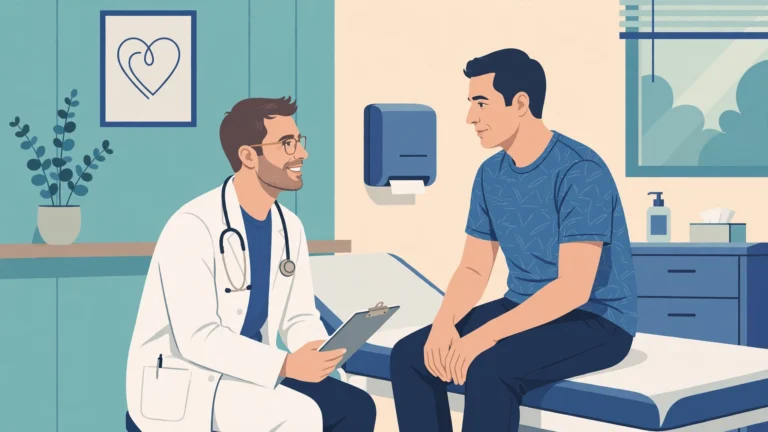
Diagnosis rests on two pillars: symptoms plus blood tests. Neither alone is enough.
1. A symptom review with your doctor — energy, libido, mood, body changes.
2. A morning blood test for testosterone. Because levels are highest in the morning, testing is usually done before 10 a.m., often on more than one day since levels fluctuate. Doctors typically check total testosterone, free (usable) testosterone, and related markers like SHBG, LH, and FSH to find the cause.
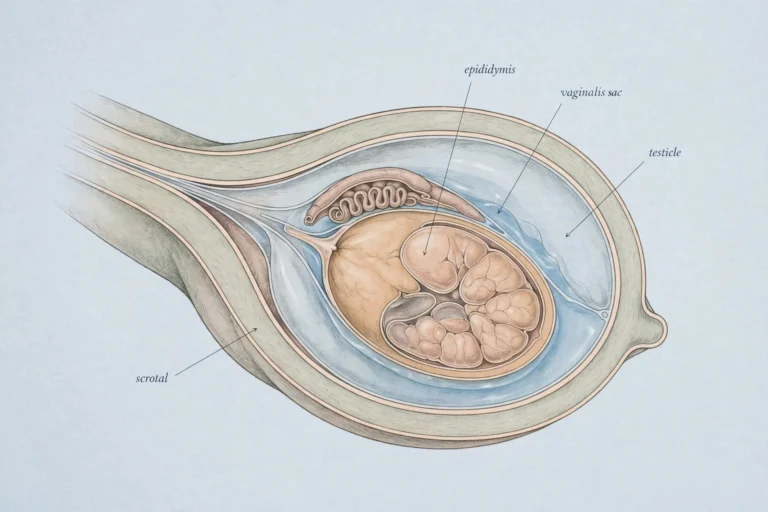
3. Further testing if needed to determine whether the problem is in the testicles, the pituitary gland, or elsewhere.
One nuance worth knowing: it is possible to feel the effects of andropause even with "normal" total testosterone on paper, because aging raises SHBG — the protein that binds testosterone and makes it unavailable. Only the small "free" fraction is usable. A good doctor looks at the whole picture, not just one number.
Treatment: What Actually Works
Treatment depends on confirmed deficiency and how much it affects your life. The sensible order is:
1. Lifestyle changes first
This is not a platitude — it is the first-line recommendation. Regular exercise (especially strength training), losing excess weight, sleeping 7–9 hours, cutting back alcohol, and managing stress can meaningfully raise testosterone and often resolve mild symptoms. Men who fix sleep apnea frequently see their levels recover.
2. Treat reversible causes
If a medication, thyroid issue, or sleep apnea is the driver, fixing that comes before hormones.
3. Testosterone replacement therapy (TRT)
For confirmed deficiency that does not respond to lifestyle measures, TRT restores testosterone to the normal range. It is delivered as injections, gels, patches, or pellets, and many men report improved energy, libido, mood, and strength within weeks.
TRT is not a casual decision, though. Important realities:
- Fertility takes a hit. TRT suppresses sperm production, so men planning a family need a specialist conversation first — fertility-preserving alternatives exist.
- Monitoring is mandatory. Doctors check blood counts, PSA, and testosterone levels regularly, watching for overproduction of red blood cells, sleep apnea worsening, and prostate changes.
- It is long-term. Stopping TRT usually means levels fall back to where they were.
What about supplements and "natural boosters"?
Some men explore zinc, vitamin D, or herbal products. Evidence for most is thin, and no supplement reliably replaces treatment for genuine deficiency. Antidepressants or ED medications may be prescribed for specific symptoms alongside — not instead of — proper hormonal assessment.
Mayo Clinic's health information library notes that for older men whose low testosterone stems from aging itself, the benefits of testosterone replacement are less clear-cut than for clear-cut hypogonadism — another reason diagnosis and medical guidance matter more than self-treatment. (See Mayo Clinic health information on male hypogonadism.)
Andropause and Your Relationship
Andropause does not just affect the man — it affects the couple. Falling libido, irritability, and emotional withdrawal are frequently misread by partners as loss of interest or attraction, when the real culprit is hormonal. Naming what is happening, getting tested, and treating it together can defuse years of quiet resentment. If mood symptoms dominate, counseling alongside medical treatment often helps both partners.
When to See a Doctor
Book an appointment if you have several persistent symptoms from the list above — especially low libido combined with fatigue and mood changes — or if symptoms are straining your relationship or work. Do not start testosterone products bought online without testing and medical supervision; the risks (fertility loss, blood thickening, unmonitored prostate effects) are real.
Key Takeaways
- Andropause describes gradual age-related testosterone decline; it is not a sudden event like menopause and not a formal diagnosis — the clinical term is late-onset hypogonadism.
- Symptoms span sexual health, energy, mood, body composition, and sleep, and they creep in gradually.
- Obesity, diabetes, chronic stress, poor sleep, sleep apnea, and certain medications all accelerate the decline — some reversibly.
- Diagnosis requires symptoms plus morning blood tests, not a number alone.
- Lifestyle change comes first; TRT is effective for confirmed deficiency but suppresses fertility and needs ongoing monitoring.
Frequently Asked Questions
At what age does andropause start?
Testosterone begins declining around age 30 at about 1% per year. Noticeable symptoms most commonly appear in the late 40s to early 50s, but younger men with risk factors like obesity, sleep apnea, or certain medications can be affected earlier.
Is male menopause actually real?
The term is informal, not a medical diagnosis. But the underlying phenomenon — age-related testosterone decline causing real symptoms (late-onset hypogonadism) — is medically recognized and treatable.
Can andropause be reversed naturally?
Sometimes. Weight loss, strength training, better sleep, treating sleep apnea, reducing alcohol, and managing stress can restore levels when the decline is driven by reversible factors. Genuine age-related deficiency usually needs medical treatment.
Does testosterone therapy affect fertility?
Yes — TRT can significantly reduce sperm production. Men who want children (now or later) must discuss this with a specialist before starting, as fertility-preserving alternatives exist.