11 Endometriosis Symptoms You Should Never Brush Off as “Normal”
Bad period pain is not always just "part of being a woman." For millions of women, endometriosis symptoms are the real reason behind years of cramps that feel unbearable, pain during sex, and a tiredness that no amount of sleep fixes.
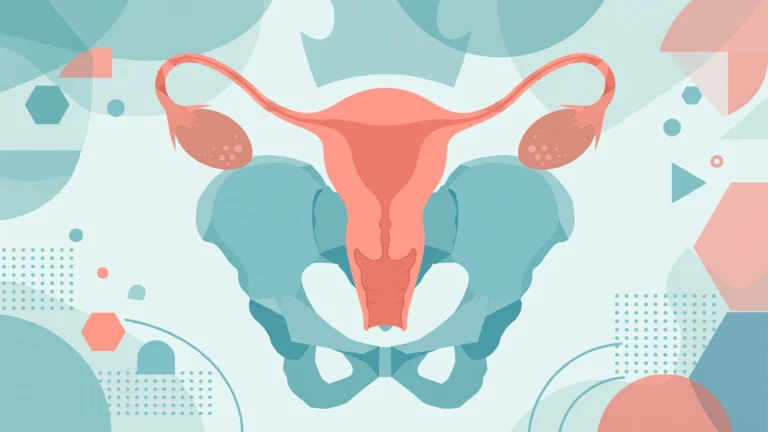
Endometriosis happens when tissue similar to the lining of the uterus grows outside it — on the ovaries, fallopian tubes, or bowel — and bleeds every month with nowhere for the blood to go. The result is inflammation, scarring, and pain. It affects roughly 1 in 10 women of reproductive age worldwide (about 190 million), yet it takes 4 to 12 years on average to get a diagnosis.
Below are the 11 most common endometriosis symptoms — and when it is time to see a doctor.
What Is Endometriosis?
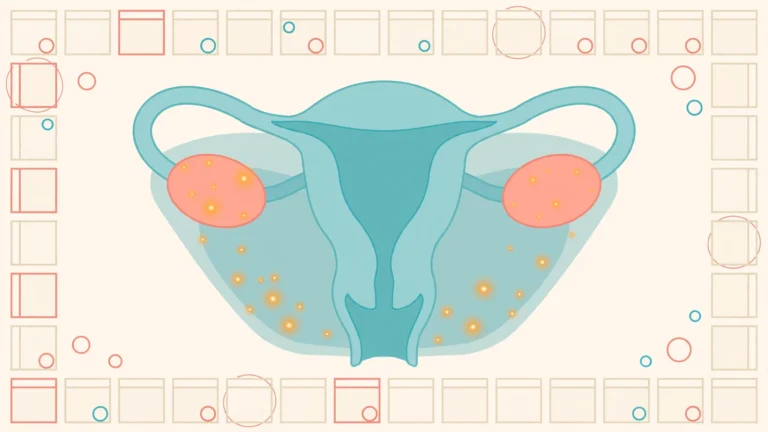
In a normal cycle, the uterine lining thickens and then sheds as a period. In endometriosis, similar tissue grows outside the uterus. It still responds to monthly hormones — it swells and bleeds — but the blood is trapped inside the body.
This causes chronic inflammation, scar tissue, and painful adhesions (bands of tissue that stick organs together). The growths are benign, not cancer. They most often appear on the ovaries, fallopian tubes, and pelvic lining, but can also reach the bowel or bladder.
There is no known cure yet, but symptoms can be managed well once the condition is identified.
11 Key Endometriosis Symptoms
Not everyone gets all of these. Some women have almost no symptoms, while others live with several at once. Here is what to watch for:
1. Period Pain That Feels Far Beyond Normal Cramps
The pain often starts a day or two before bleeding begins and stretches several days into the period. Many women describe being doubled over, missing work or school, and finding that over-the-counter painkillers barely help. A major red flag: the pain gets worse year after year instead of staying the same.
2. Heavy Periods or Bleeding Between Periods
Soaking through a pad or tampon every hour for hours, passing large clots, or bleeding longer than seven days can all point to endometriosis — as can spotting between periods.
3. Pelvic Pain That Lingers Outside Your Period
With endometriosis, pain does not always leave when the period ends. A dull ache, heaviness, or sharp twinges in the lower abdomen or pelvis can show up at any point in the month. Chronic pelvic pain — pain that sticks around beyond the menstrual cycle — is one of the key signs doctors look for.
4. Pain During or After Sex
Deep pelvic pain during penetration, or a dull ache that lingers for hours after sex, is common. It is understandable to start avoiding intimacy because of it — and that avoidance can strain a relationship. If sex hurts, it is worth raising with your doctor rather than suffering in silence, and sex therapy can help couples work through the emotional side of it.
5. Pain With Bowel Movements
When endometrial-like tissue grows on or near the bowel, passing stool can hurt — especially during your period. Some women also get diarrhea, constipation, or both around menstruation. Because these gut symptoms flare with the cycle, endometriosis is frequently misdiagnosed as irritable bowel syndrome (IBS). The two can also occur together.
6. Painful or Urgent Urination
Pain when peeing, needing to go more often, or a burning feeling — mostly around your period — can happen when tissue affects the bladder. In rare cases there may be blood in the urine. If these symptoms only appear with menstruation, mention the pattern to your doctor.
7. Lower Back or Abdominal Pain
A nagging backache that flares up with your period, or ongoing lower abdominal pain through the month, is a commonly reported symptom. Pelvic inflammation from endometriosis can radiate pain into the back and upper legs, which is why it is sometimes mistaken for a muscle or spine problem.
8. Constant, Unexplained Fatigue
Exhaustion that does not lift after a full night's sleep is a frequent complaint. It comes from several directions at once: chronic pain disrupts sleep, ongoing inflammation drains energy, and heavy periods can cause iron deficiency, which itself causes fatigue. If you are always running on empty, do not just blame a busy life.
9. Digestive Upsets: Bloating, Nausea, and Stomach Trouble
Many women with endometriosis notice their digestion goes haywire around their period — bloating (sometimes called "endo belly"), nausea, gas, diarrhea, or constipation. These symptoms are easy to dismiss as food-related, but a clear monthly pattern is a clue they are hormonal instead.
10. Trouble Getting Pregnant
Sometimes endometriosis is only discovered when a couple seeks help for infertility. The World Health Organization notes that among women with infertility, as many as 25–50% have endometriosis. Scar tissue and inflammation can block tubes or affect egg quality — but it is important to know that many women with endometriosis conceive naturally and carry healthy pregnancies.
11. Mood Changes, Brain Fog, and Poor Sleep
Living with chronic pain takes a toll on mental health. Depression and anxiety are more common in women with endometriosis, and many report brain fog, trouble concentrating, and restless sleep. Some researchers also link the condition to heightened pain sensitivity, where the nervous system becomes extra reactive to pain signals.
Endometriosis or Something Else?
Several conditions cause pelvic pain, which is one reason diagnosis is slow. How they differ:
- Uterine fibroids: non-cancerous growths inside the uterus; cause heavy bleeding and a feeling of fullness, but less of the deep pelvic pain with sex or bowel movements.
- Adenomyosis: tissue grows within the uterine muscle; causes heavy, painful periods and an enlarged, tender uterus.
- IBS: digestive symptoms without a clear link to the menstrual cycle; pain usually eases after a bowel movement.
- Pelvic inflammatory disease (PID): caused by infection; often comes with fever and unusual discharge.
The strongest clue for endometriosis is a pattern: symptoms that flare with menstruation and gradually worsen over months or years.
When to See a Doctor
Book an appointment with your doctor or gynecologist if you notice any of these:
- Period pain that keeps you home from work or school, even after painkillers like ibuprofen
- Your period pain gets noticeably worse each year
- You soak a pad or tampon every hour for several hours, or bleed longer than 7 days
- Sex is painful during or afterward
- Bowel movements or urination hurt, especially around your period
- You have been trying to conceive for 12 months without success (6 months if you are over 35)
- Bleeding or spotting happens between periods
This article is for information only and is not medical advice. If any of these sound familiar, please talk to a healthcare professional.
How Is Endometriosis Diagnosed?
Diagnosis usually starts with a detailed conversation: your doctor will ask about your pain, bleeding, and family history, then do a pelvic exam. An ultrasound or MRI can spot larger cysts, but smaller lesions often do not show up on scans.
The only way to confirm endometriosis with certainty is laparoscopy — a minor surgery where a tiny camera looks inside the pelvis. However, many doctors now make a clinical diagnosis based on symptoms and imaging, and start treatment without surgery. Because diagnosis is so often delayed, going in with clear notes about your symptoms (see below) genuinely helps.
What Helps? Treatment Basics
There is no cure yet, but several treatments can control endometriosis symptoms effectively. The right choice depends on how severe your symptoms are, your age, and whether you want to get pregnant:
- Pain relief: NSAIDs such as ibuprofen or naproxen are usually the first step for period pain.
- Hormonal treatments: combined birth control pills, the hormonal IUD, progestins, or GnRH analogues can reduce or stop the monthly bleeding that drives symptoms.
- Surgery: laparoscopy can remove lesions, cysts, and scar tissue; it often reduces pain and can improve fertility.
- Fertility treatments: ovulation induction, IUI, or IVF may be recommended if conceiving is difficult.
- Supportive care: pelvic floor physiotherapy, cognitive behavioral therapy (CBT) for chronic pain, regular gentle exercise, heat therapy, and good sleep habits all help manage day-to-day symptoms.
For a trustworthy medical overview, see the Mayo Clinic's guide to endometriosis.
Track Your Symptoms Before Your Appointment
Doctors take clear patterns seriously. For two or three months, jot down:
- Pain level (1–10) and where you feel it, each day
- Which days of your cycle symptoms appear
- How heavy your bleeding is (pads/tampons per day, clots)
- Bowel or bladder symptoms and when they flare
- Whether sex is painful, and when
- Energy levels and sleep quality
Bring a one-page summary to your appointment. It turns a vague "my periods are bad" into evidence your doctor can use.
For Partners: How to Offer Real Support
Endometriosis affects relationships, not just bodies. If your partner has it:
- Believe her pain. Being told "it's just cramps" — by anyone — is one of the most hurtful parts of this condition.
- Do not take painful sex personally. Avoiding intimacy is about pain, not rejection. Exploring other forms of closeness during flare-ups keeps the connection alive — see our guide on mismatched sex drives in couples.
- Help practically. Heating pad, painkillers, a day off chores during the worst days — small things matter.
- Go to appointments. A second set of ears helps and signals you are in this together.
Frequently Asked Questions
Can you have endometriosis with only mild symptoms?
Yes. Some women have no symptoms, and pain level often doesn't match the disease — mild cases can cause severe pain.
Does endometriosis always cause infertility?
No. Many women with endometriosis get pregnant without any help. It does raise the risk of fertility problems, which is why it is worth discussing family plans early with your doctor.
Does endometriosis go away after menopause?
Often, yes — symptoms usually ease as estrogen levels drop. But not always: some women continue to have symptoms after menopause, since the body still makes small amounts of estrogen.
Is endometriosis cancer?
No. Endometriosis growths are benign (non-cancerous). Research shows a slightly higher risk of certain ovarian cancers, but the overall risk remains low.
The Bottom Line
Severe period pain, pain during sex, heavy bleeding, and cycle-linked gut or bladder problems are not things you have to "just live with." If these endometriosis symptoms sound familiar, tracking them and seeing a doctor is the fastest route to answers — and to getting your life back.