Birth Control Pill Side Effects: What’s Normal and What’s Not
Starting the pill comes with a familiar mix of hope and worry: hope for reliable contraception, worry about what the hormones will do to your body. If you are researching birth control pill side effects, here is the honest picture — what is common, what usually fades, what is rare but serious, and which warning signs you should never ignore.
The pill is one of the most studied medications in history, and for most women it is very safe. But 'safe' does not mean 'side-effect free.' Knowing what to expect helps you tell the difference between normal adjustment and a real problem.
How the Pill Works (Quickly)
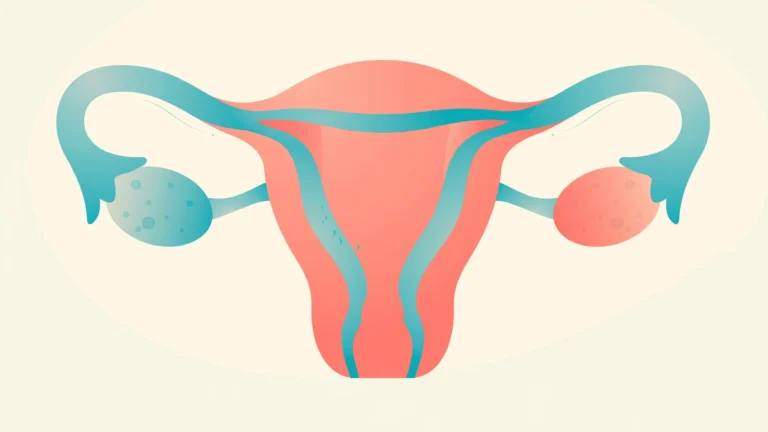
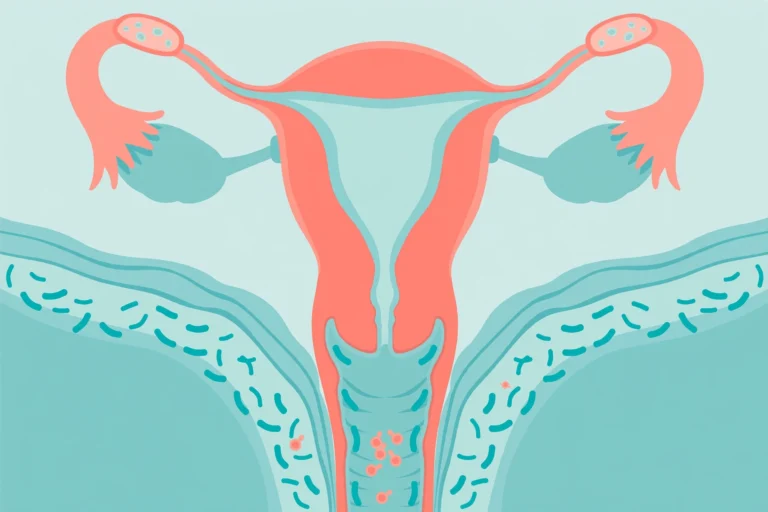
Most pills contain estrogen plus progestin (combined pills); some contain progestin only. They mainly work by stopping ovulation, thickening cervical mucus, and thinning the uterine lining. Side effects come from the same hormones doing their job — your body just needs time to adjust.
Common Birth Control Pill Side Effects That Usually Fade
Most of these show up in the first 1–3 months and then settle as your body adapts:
1. Nausea
Mild queasiness, especially in the first weeks. Taking the pill with food or at bedtime usually solves it. Persistent vomiting is different — talk to your doctor, since it can also reduce the pill's effectiveness.
2. Spotting Between Periods
Light breakthrough bleeding is the most common early side effect. It is annoying but usually harmless and typically stops within 3 months as hormone levels stabilize.
3. Breast Tenderness
Sore or swollen breasts in the first couple of months. This usually eases on its own; a supportive bra and cutting back on caffeine can help in the meantime.
4. Headaches
Mild headaches are common at first. However, new migraines with aura (visual disturbances) are a different story — see the warning signs section below.
5. Mood Changes
Some women feel weepier, more irritable, or flatter emotionally in the first months. For most, this lifts — but if low mood persists or deepens, take it seriously and talk to your doctor. Our guide on birth control and mood changes explores this in depth.
6. Lighter Periods — or None at All
Many pills make periods lighter, shorter, and less crampy. Some women stop bleeding altogether on continuous use. This is expected and safe — there is no 'buildup' that needs to come out.
Less Common but Real Side Effects
- Weight changes: studies show most women do not gain significant weight on the pill, but some notice a few pounds of fluid retention or increased appetite.
- Lower libido: a minority of women report reduced desire; switching pill formulations often helps.
- Acne changes: many pills improve acne, but some progestin types can worsen it — the specific formulation matters.
- Vaginal dryness or discharge changes: usually mild and temporary.
Rare but Serious: Warning Signs You Must Never Ignore
Serious birth control pill side effects are uncommon, but they exist — mainly blood clots, stroke, and heart attack risk, slightly raised by estrogen. Remember the ACHES warning signs and seek urgent care if you develop:
- Abdominal pain — severe, sudden stomach pain
- Chest pain — sharp pain, coughing, or shortness of breath (possible lung clot)
- Headaches — severe, sudden, or the worst headache of your life
- Eye problems — blurred vision, vision loss, or speech difficulty (possible stroke)
- Severe leg pain — swelling, redness, or pain in one calf or thigh (possible blood clot)
Risk is highest for women over 35 who smoke, and for those with migraines with aura, uncontrolled high blood pressure, or a history of blood clots — groups who are generally advised to avoid estrogen-containing pills.
Myths vs. Facts
- Myth: The pill causes infertility. Fact: fertility typically returns within a few months of stopping; long-term use does not harm future fertility.
- Myth: You need to 'take a break' from the pill. Fact: there is no medical reason for breaks if you are tolerating it well.
- Myth: The pill causes major weight gain. Fact: large studies find little to no average weight gain.
- Myth: Periods on the pill are 'fake' and unhealthy to skip. Fact: the monthly bleed on the pill is a withdrawal bleed, not a true period — skipping it is medically fine.
If the pill is not suiting you, other options exist — our birth control options compared guide walks through them.
When to Call Your Doctor
- Any ACHES warning sign (seek urgent care, not a routine appointment)
- Side effects that have not improved after 3 months
- Depression, anxiety, or mood changes that interfere with daily life
- Severe or persistent headaches, especially with visual symptoms
- You miss pills often — ask about lower-maintenance options like the IUD or implant
This article is for information only and is not medical advice.
For the official medical FAQ, see ACOG's guide to combined hormonal birth control: pill, patch, and ring.
Progestin-Only Pills: Do Side Effects Differ?
The 'mini-pill' contains no estrogen, so it avoids the estrogen-linked risks — no increased blood clot risk, and it is an option for smokers over 35 and women with migraines with aura. Nausea and breast tenderness also tend to be milder with progestin-only pills.
The trade-off: irregular bleeding and spotting are more common, and timing matters more — take it within the same 3-hour window daily or effectiveness drops.
Switching Pills: How to Do It Without Gaps
If side effects bother you after 3 months, switching formulations often fixes things — a different progestin type or a lower estrogen dose can feel completely different. Keep notes on what bothered you about the old pill — that detail helps your doctor pick a better match.
Do not just stop mid-pack without a backup plan: finish the pack or overlap methods, so there is no unprotected gap. Your doctor or pharmacist can map out the switch.
Frequently Asked Questions
How long do birth control pill side effects last?
Most mild side effects — nausea, spotting, breast tenderness — fade within 1 to 3 months as your body adjusts.
Which pill has the fewest side effects?
There is no universal answer; it depends on your body. If one formulation bothers you, a different estrogen dose or progestin type often works better — ask your doctor about switching before giving up.
Can the pill cause blood clots?
Estrogen-containing pills slightly raise the risk of blood clots. The absolute risk is low for healthy young non-smokers, but higher for smokers over 35 and women with certain conditions.
Should I stop the pill if I get migraines?
Tell your doctor. Migraines with aura plus estrogen pills raise stroke risk, so your doctor may switch you to a progestin-only or non-hormonal method.
The Bottom Line
Most birth control pill side effects are mild and temporary — a few months of adjustment for years of reliable contraception. The serious risks are real but rare, and knowing the ACHES warning signs keeps you safe. If something feels wrong after the adjustment period, do not just put up with it: a different formulation or method might suit you far better.