Chlamydia vs Gonorrhea: Symptoms, Differences, and Testing
If you are comparing chlamydia vs gonorrhea symptoms, you are not alone. These two bacterial sexually transmitted infections (STIs) are among the most common worldwide, and they share so many signs that even experienced clinicians hesitate to tell them apart without a lab test. Both can cause burning during urination and unusual discharge, and both are frequently silent. Understanding where their symptom patterns overlap and where they differ can help you recognise warning signs early, but only proper testing can confirm which infection, if any, you have.
This guide walks through the chlamydia vs gonorrhea symptoms comparison in detail: how each infection behaves in women and men, the less obvious throat and rectal infections, how doctors test for both, what treatment typically involves, and the practical steps couples should take after a diagnosis.
What Are Chlamydia and Gonorrhea?
Chlamydia is caused by the bacterium Chlamydia trachomatis, while gonorrhea is caused by Neisseria gonorrhoeae. Both spread through vaginal, anal, and oral sexual contact, and both can be passed from a pregnant person to a baby during childbirth. They infect the same kinds of mucosal tissue: the cervix, urethra, throat, rectum, and, more rarely, the eyes.
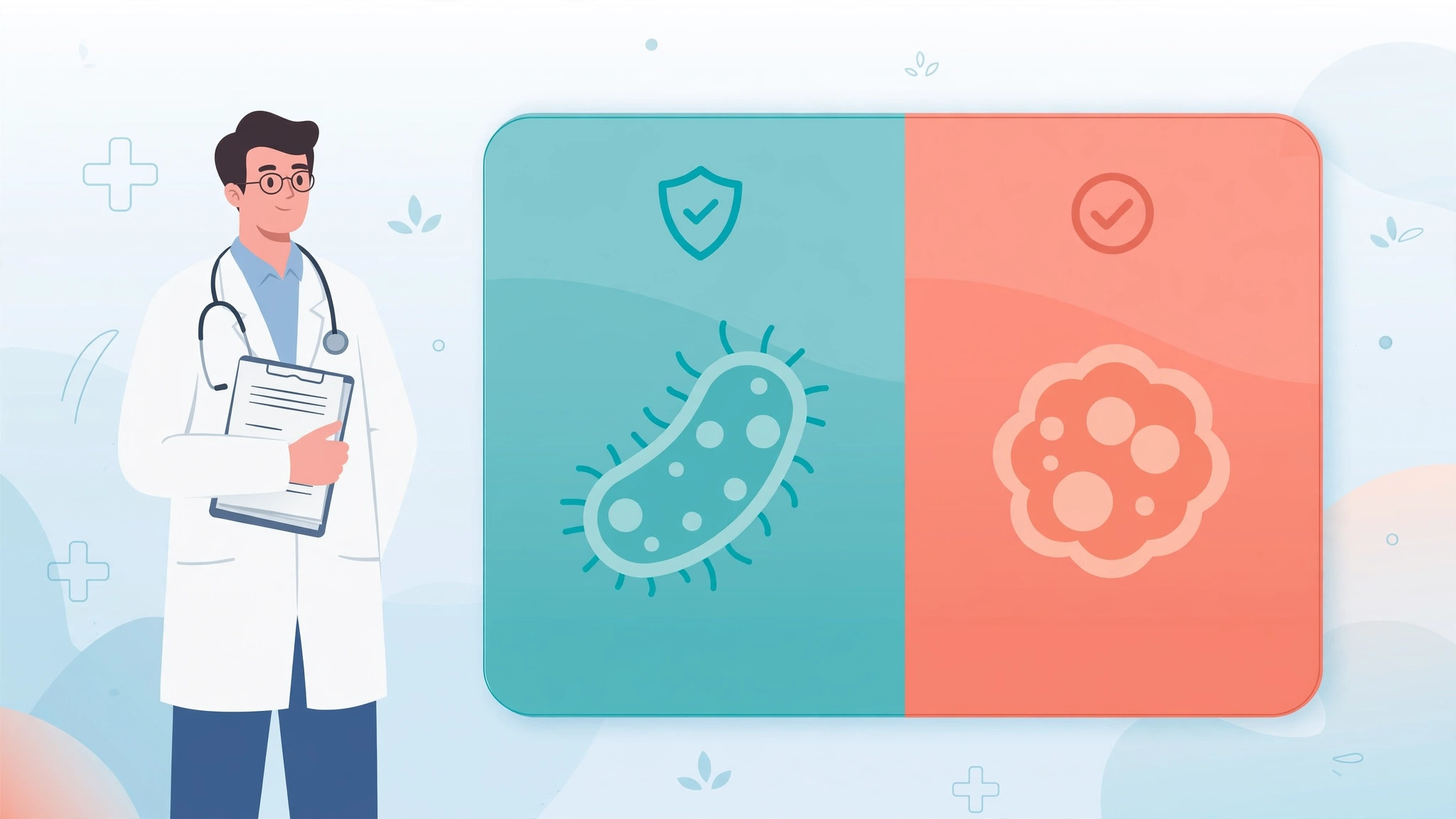
Despite these similarities, the two bacteria behave differently inside the body. Chlamydia is an intracellular organism that tends to smoulder quietly, which is why it is sometimes called a “silent” infection. Gonorrhea is a more aggressive bacterium that usually provokes a stronger inflammatory response, which is why its symptoms, when they appear, tend to arrive sooner and feel more intense. Because the treatments for the two infections differ, and chlamydia vs gonorrhea symptoms alone cannot distinguish them, doctors always aim to identify the exact cause rather than guessing from symptoms alone.
Chlamydia vs Gonorrhea Symptoms: The Key Differences
When people search for chlamydia vs gonorrhea symptoms, the question is usually: can I tell which one I have from how it feels? The honest clinical answer is that symptom patterns offer clues but never certainty. That said, several consistent differences are worth knowing.
Chlamydia symptoms, when they appear, usually develop one to three weeks after exposure. Gonorrhea tends to show up sooner, often within two to fourteen days. Chlamydia discharge is typically clear, cloudy, or whitish and may be scant. Gonorrhea discharge is more often thick, yellow, or greenish and noticeably heavier, particularly in men. Painful urination occurs with both, but gonorrhea more commonly produces a sharp, intense burning sensation, while chlamydia-related discomfort is often described as milder and easier to mistake for a urinary tract infection.
| Feature | Chlamydia | Gonorrhea |
|---|---|---|
| Causative bacterium | Chlamydia trachomatis | Neisseria gonorrhoeae |
| Symptom onset after exposure | 1 to 3 weeks | 2 to 14 days |
| Typical discharge | Clear, cloudy, or whitish; often scant | Thick, yellow, or greenish; often heavier |
| Painful urination | Often mild or mistaken for a UTI | Often sharper and more intense |
| Asymptomatic cases | Very common in both sexes | Common in women; less common in men |
| Antibiotic resistance | Not a major clinical concern | Growing global concern |
One of the most important facts about chlamydia vs gonorrhea symptoms is how often there are none. According to the CDC, a large majority of chlamydia infections cause no symptoms in either sex, and a substantial share of gonorrhea infections, especially in women and at throat or rectal sites, are also silent. Absence of symptoms is therefore not evidence of absence of infection, which is why screening matters more than symptom-watching.
Symptoms in Women
In women, both infections primarily affect the cervix, and the chlamydia vs gonorrhea symptoms presentations overlap considerably. Possible signs include abnormal vaginal discharge, bleeding between periods or after intercourse, painful urination, lower abdominal or pelvic pain, and pain during sex. Chlamydia is more likely to remain completely unnoticed, which is one reason it so often progresses silently to pelvic inflammatory disease (PID).
Gonorrhea in women can produce a heavier, pus-like discharge and heavier bleeding between periods, but many women with gonorrhea also feel nothing at all. Because the cervix can look normal on examination even when infected, clinicians who suspect either infection go straight to testing rather than relying on what they can see.
Symptoms in Men
In men, both infections cause urethritis, inflammation of the urethra, whose hallmarks are discharge from the penis and burning during urination. This is where the chlamydia vs gonorrhea symptoms distinction is usually clearest. Gonorrhea classically produces a thick, yellow-green discharge that men notice quickly, sometimes accompanied by swelling or soreness at the tip of the penis. Chlamydia tends to produce a thinner, clear or cloudy discharge that can be easy to overlook, along with milder burning or itching around the urethral opening.
Any comparison of chlamydia vs gonorrhea symptoms in men should also note that both infections can cause swelling or tenderness in one testicle, a sign of epididymitis, which warrants prompt medical attention. As with women, a significant share of chlamydia infections in men cause no symptoms, and some men with gonorrhea remain asymptomatic as well.
Throat, Rectal, and Eye Infections: The Sites People Forget
Any review of chlamydia vs gonorrhea symptoms should include the sites people forget: both bacteria can infect the throat after oral sex and the rectum after anal sex, and these sites are a blind spot in many people’s understanding. Pharyngeal gonorrhea occasionally causes a sore throat, but pharyngeal chlamydia is almost always silent. Rectal infections of both kinds most often cause no symptoms; when they do, they may produce rectal pain, discharge, itching, or bleeding.
This matters for testing: a urine test or genital swab will not detect a throat or rectal infection. Anyone whose exposure included oral or anal sex should specifically request pharyngeal and rectal swabs, or the infection can persist undetected and keep spreading. Both infections can also reach the eyes through infected genital fluids, causing redness, discharge, and irritation.
Can You Have Chlamydia and Gonorrhea at the Same Time?
Yes, co-infection is common, and it is one more reason the chlamydia vs gonorrhea symptoms comparison has limits. The two infections travel the same routes and frequently arrive together; studies show a large share of people diagnosed with gonorrhea also test positive for chlamydia. Because of this overlap, clinical guidelines recommend testing for both infections simultaneously whenever either is suspected.
When the Symptoms Might Be Something Else
Not every burning sensation or unusual discharge is chlamydia or gonorrhea, even when the pattern resembles typical chlamydia vs gonorrhea symptoms. Several other conditions produce nearly identical symptoms, and knowing the alternatives helps you avoid misreading your own body:
- Urinary tract infection (UTI): causes burning and urgency but typically no penile or vaginal discharge, and it is far more common in women.
- Trichomoniasis: a parasitic STI that can cause frothy, yellow-green discharge and itching; it requires different medication.
- Bacterial vaginosis or yeast infection: cause discharge and odour changes but are not sexually transmitted in the same way and need different treatment.
- Non-chlamydial urethritis: in men, organisms such as Mycoplasma genitalium can cause urethritis that looks exactly like chlamydia on symptoms alone.
Because so many conditions share this symptom cluster, self-diagnosis by discharge colour or pain intensity is unreliable. A laboratory test, not a symptom checklist, is what separates these possibilities.
Testing: How Doctors Diagnose Both Infections
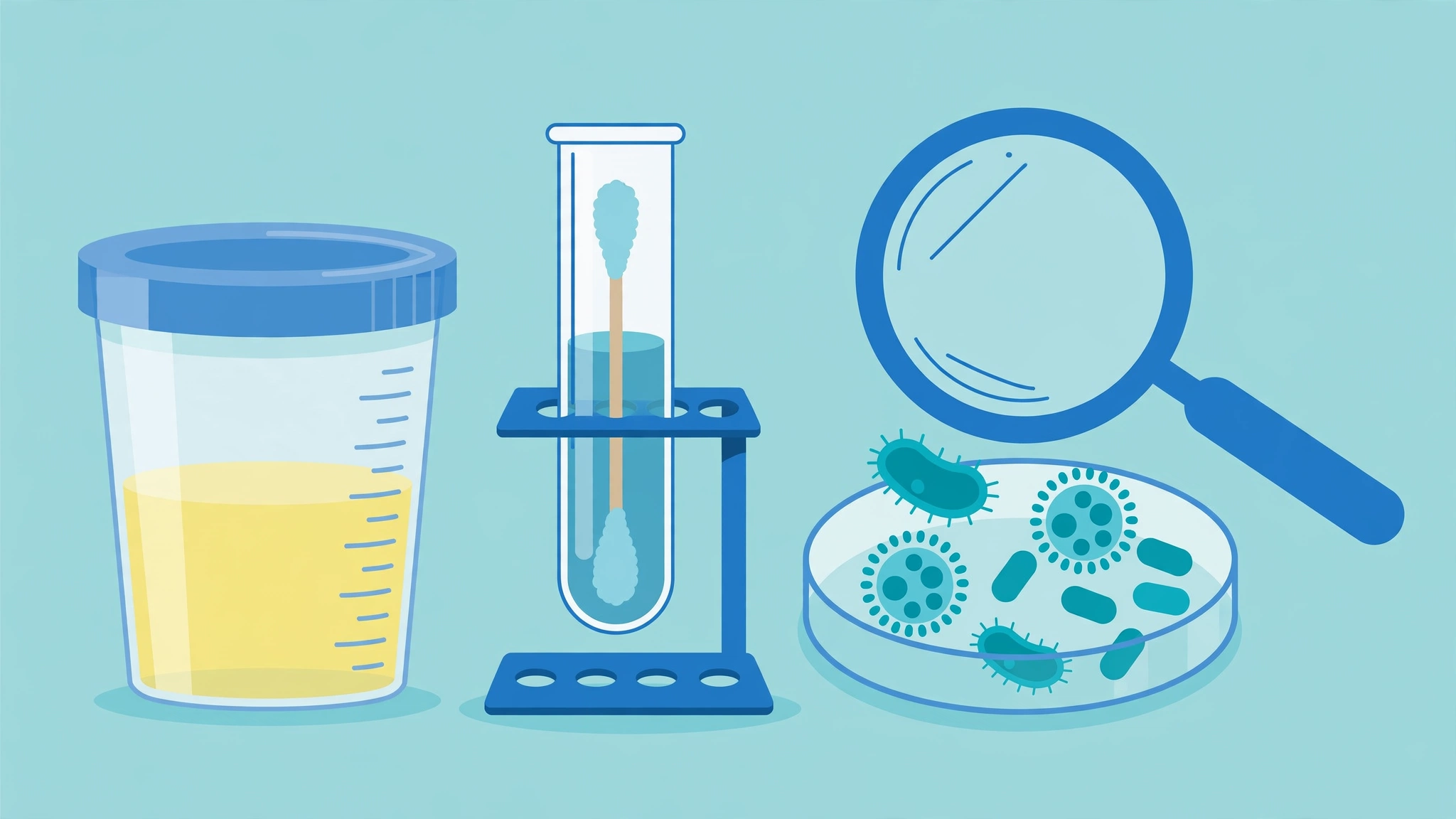
The gold standard for diagnosing both chlamydia and gonorrhea is the nucleic acid amplification test (NAAT), which detects the genetic material of the bacteria from a urine sample or a swab. NAATs are highly sensitive and accurate, and they can detect infections even when no symptoms are present, according to Mayo Clinic and the CDC.
Because chlamydia vs gonorrhea symptoms cannot confirm which bacterium is present, doctors rely on laboratory detection rather than clinical impressions. Two practical details matter. First, the testing window: both infections need roughly two weeks after exposure to show up reliably on a test, so testing too early can produce a false negative. If you test negative but the exposure was very recent, doctors usually advise retesting after the window closes. Second, the sample must match the site: as noted above, throat and rectal exposures require their own swabs.
Screening recommendations are straightforward. The CDC advises annual screening for sexually active women under 25, for pregnant women, and for anyone with new or multiple partners or a prior STI. Men who have sex with men are generally advised to screen at least annually at all exposed sites. Many clinics now offer both tests from a single sample, which keeps things simple.
Your Action Plan as a Couple: What to Do This Week
Once chlamydia vs gonorrhea symptoms raise concern, clinicians recommend the following practical sequence for couples:
- Get tested together, promptly. Both partners should be tested for both infections at the same time, since co-infection is common and symptoms are an unreliable guide.
- Pause sexual activity. Avoid all sexual contact until both partners have completed treatment and a clinician confirms it is safe to resume, usually about a week after treatment begins.
- Tell recent partners. Anyone you have had sex with in the previous two to three months should be notified, tested, and treated. Many clinics offer expedited partner therapy, where your partner can receive treatment without a separate full appointment.
- Complete the full treatment course. Take every dose exactly as prescribed, even if symptoms fade quickly. Stopping early risks treatment failure and fuels antibiotic resistance.
- Go back for the retest. Reinfection is common, so doctors generally recommend a repeat test about three months after treatment, even if you feel completely fine.
One more note for couples: the stress and anxiety around an STI diagnosis can temporarily dampen desire for one or both partners, and that is a normal response. If you are worried about exposure, our STI testing guide explains when and how often to get tested, including which symptoms warrant an urgent visit.

Treatment: What Doctors Recommend
Both infections are curable with antibiotics, but the chlamydia vs gonorrhea symptoms they produce are caused by different bacteria, so they require different drugs. For chlamydia, doctors typically prescribe a course of oral antibiotics. For gonorrhea, current CDC guidance favours an injectable cephalosporin antibiotic, because oral options have lost effectiveness against resistant strains in many regions.
The growing antibiotic resistance of gonorrhea is a genuine global concern, and it is one reason follow-up matters so much. What you should not do is self-treat with leftover antibiotics or borrow a partner’s prescription: the wrong drug or an incomplete course can mask symptoms while the infection and its resistance persist.
Pregnancy and Newborn Considerations
Chlamydia and gonorrhea deserve special attention during pregnancy, since chlamydia vs gonorrhea symptoms are so often silent in pregnant patients too. An untreated infection can be passed to the baby during vaginal delivery. Chlamydia can cause neonatal eye infection (conjunctivitis) and, less commonly, pneumonia in newborns. Gonorrhea can cause a severe eye infection in newborns that may threaten vision if not treated promptly.
The reassuring news is that routine prenatal STI screening catches these infections early, and both are treatable during pregnancy with antibiotics that doctors consider safe for mother and baby. Anyone who is pregnant, or planning to be, and has any risk factors should ask their clinician about screening rather than waiting for symptoms, since both infections are so often silent.
Complications of Leaving Either Infection Untreated
Untreated chlamydia and gonorrhea can both ascend the reproductive tract and cause lasting damage. In women, the headline complication is pelvic inflammatory disease (PID), an infection of the uterus and fallopian tubes that can lead to chronic pelvic pain, infertility, and a higher risk of ectopic pregnancy. In men, untreated infection can cause epididymitis and, rarely, reduced fertility. Gonorrhea can occasionally spread through the bloodstream, causing joint pain and skin lesions. Both infections also increase susceptibility to HIV transmission. Recognising chlamydia vs gonorrhea symptoms early and getting tested promptly is the best way to avoid these outcomes.
Prevention That Actually Works
Preventing the infections behind chlamydia vs gonorrhea symptoms comes down to the same well-established measures:
- Use condoms correctly and consistently for vaginal, anal, and oral sex.
- Limit the number of sexual partners, and consider mutual monogamy with a partner who has been tested.
- Get screened regularly if you are under 25, have new partners, or have had an STI before.
- Talk openly with partners about testing before sex, not after symptoms appear.
- Do not share sex toys without cleaning them or using condoms on them between partners.
FAQs
Can you have chlamydia and gonorrhea at the same time?
Yes. Co-infection is common because both spread through the same sexual activities. Studies show a large share of people diagnosed with gonorrhea also test positive for chlamydia. That is why doctors routinely test for both infections together whenever either one is suspected.
Which is more serious, chlamydia or gonorrhea?
Both should be taken seriously. Untreated, either can cause pelvic inflammatory disease, infertility, and ectopic pregnancy. Gonorrhea carries the added concern of growing antibiotic resistance and rare bloodstream spread, while chlamydia more often damages silently. Prompt treatment makes both highly curable.
Can chlamydia or gonorrhea go away on their own?
No. Symptoms sometimes fade, but the bacteria remain and can keep causing silent damage, including infertility. Neither infection clears reliably without antibiotics. If you suspect exposure, get tested and complete the full treatment your doctor prescribes.
How soon after exposure should I get tested?
Wait about two weeks after exposure for the most reliable result, since both infections have a window period before tests can detect them. Testing too early can give a false negative. If symptoms appear sooner, see a doctor right away rather than waiting.
Do my sexual partners need treatment too?
Yes. Every recent partner should be tested and treated, even if they feel fine, because both infections are frequently asymptomatic. Avoid sex until everyone has finished treatment, usually about a week, to prevent passing the infection back and forth.
Can you get chlamydia or gonorrhea from a toilet seat or kissing?
Practically no. Both bacteria die quickly outside the body and require direct contact with infected genital, throat, or rectal secretions. Casual contact, toilet seats, towels, and swimming pools are not realistic transmission routes.
If this guide helped clarify the chlamydia vs gonorrhea symptoms question for you, the next step is simple: talk to your doctor or visit a sexual health clinic for testing. Screening is quick, usually painless, and often free, and both infections are fully curable when caught. You can also explore our related guide on when and how often to get tested for STIs, since screening matters more than symptom-watching. Whether you came here comparing chlamydia vs gonorrhea symptoms for yourself or a partner, remember that testing, not symptom-checking, gives the definitive answer.
Medical disclaimer: This article is for educational purposes only and is not medical advice. It does not provide a diagnosis or replace professional care. If you have symptoms or concerns about a sexually transmitted infection, please consult a qualified healthcare professional.