Mismatched Libidos in Marriage: How Couples Cope
One of you wants sex most nights; the other is content once a month. If this imbalance feels familiar, take a breath: neither of you is broken, and your marriage is not failing. Libido mismatch is among the most common sexual concerns couples report — research finds that some degree of desire difference is the norm in long-term relationships, not the exception. The gap itself is rarely what harms a marriage. What harms it is the silence, shame, and pressure that grow around the gap.
Clinicians call this libido mismatch: a measurable difference between partners’ levels of interest in sex. It can appear early in a marriage or emerge after years of matched desire, and it shifts with stress, health, hormones, and life stages. Trouble starts when the difference hardens into a cycle — one partner pursues, the other withdraws, pursuit intensifies, withdrawal deepens. This guide explains why libido mismatch happens, when a desire gap signals a medical issue, and the proven steps couples use to cope in ways that bring them closer instead of driving them apart.
What Libido Mismatch Really Means
A libido mismatch simply means the two partners want sex at different frequencies — or respond to different kinds of invitation. It is not a diagnosis, a verdict on attraction, or proof of incompatibility. And the stereotype does not always hold: the higher-desire partner is frequently the wife, and either spouse can hold either role.
What the mismatch feels like, according to relationship research and clinical practice:
- The higher-desire partner often feels rejected or unattractive — as if they are “begging” for affection. Repeated refusal erodes self-esteem and breeds resentment.
- The lower-desire partner often feels pressured or inadequate — as if expected to perform on demand. Pressure reliably suppresses desire further, creating a vicious circle.
- The shared pattern researchers call the pursuer–distancer cycle: one partner initiates more intensely while the other avoids not just sex but all physical affection, fearing a hug will be read as an invitation.
Notice that none of these dynamics are about the frequency number itself. Distress comes from unmet expectations and poor communication around the difference — and that is exactly what can be fixed.
Why Libido Mismatch Happens: The Science
Desire is not a fixed personality trait. It is a responsive system shaped by biology, psychology, context, and relationship history. Understanding which factors drive your gap matters, because the right response depends on the cause.
Spontaneous vs. Responsive Desire
Dr. Emily Nagoski’s framework — now standard in sex therapy — distinguishes two desire styles. Spontaneous desire appears unprompted: a thought or touch triggers wanting. Responsive desire emerges in response to connection or physical stimulation. Neither is more “real” — but in many marriages, one spouse is spontaneous and the other responsive.
This explains the most misunderstood pattern in libido mismatch: the lower-desire spouse says they “never want sex,” yet often enjoys it once it begins. Their desire system simply needs arousal to precede wanting, while their partner’s works in reverse. When both partners grasp this, initiation stops feeling like rejection.
Medical and Hormonal Causes
A libido mismatch that appears suddenly deserves a medical look before it gets labeled a relationship problem. Doctors routinely check:
- Chronic conditions: diabetes, hypothyroidism, cardiovascular disease, chronic pain, and fatigue all dampen desire. Mayo Clinic notes blood tests can check hormone levels and thyroid function when libido drops.
- Medications: SSRI antidepressants are the most common culprits, but some blood pressure drugs and hormonal contraceptives can suppress desire too. Flag any medication change that coincided with the shift.
- Hormonal contraception: some users report reduced desire on hormonal methods — our guide to birth control and sex drive reviews the evidence.
- Life-stage hormones: postpartum shifts, perimenopause and menopause (including painful sex from genitourinary syndrome), and low testosterone in men can all create or widen a gap.
- Mental health: depression, anxiety, unresolved trauma, and heavy alcohol use are among the strongest predictors of low desire in both sexes.
Life Stages, Stress, and Relationship Factors
Even with perfect health, desire bends under circumstance. Chronic stress floods the body with cortisol, which competes with the hormones supporting desire. Exhausted parents of young children lose desire because their nervous system never rests. And researchers are blunt: unresolved conflict, poor communication, and emotional distance are libido assassins. A spouse who feels criticized or unseen during the day rarely feels desire at night.

How Libido Mismatch Affects Couples: The Hidden Costs
The damage of an unaddressed gap rarely arrives as one dramatic fight. It arrives as slow erosion: the higher-desire partner reads every “not tonight” as a verdict on their attractiveness, while the lower-desire partner flinches at casual touch, braced for escalation. Affection dies first, then conversation about affection.
Research calls this the mismatch effect: couples with large, unaddressed desire differences report lower sexual and relationship satisfaction. Yet the same research offers a hopeful counterpoint — couples with large gaps can report high satisfaction when communication is strong and both partners feel heard. The gap does not determine the outcome. How the couple manages it does, which is why therapists treat communication, not frequency, as the primary lever.
When Libido Mismatch Signals a Medical Problem
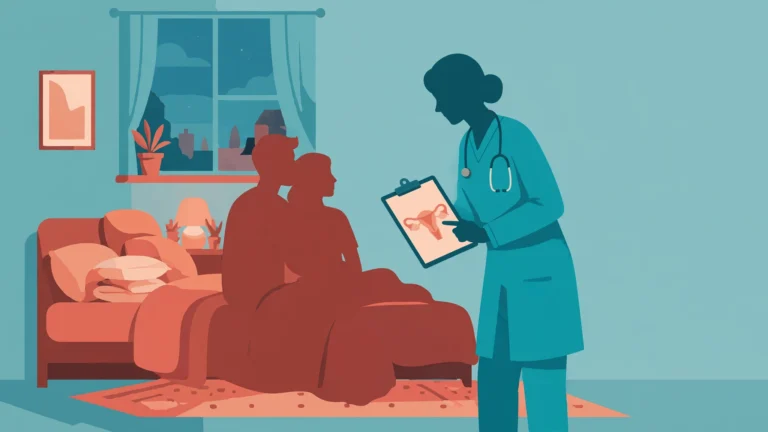
Here is the step most advice articles skip: before treating a libido mismatch as purely relational, rule out the medical ones. When libido mismatch is new — when one partner’s desire changed noticeably within months, or tracks with a new medication, illness, or surgery — a clinical evaluation is the responsible first move.
| Signal | What it may indicate | What to ask your doctor |
|---|---|---|
| Sudden desire drop, no obvious relationship cause | Hormonal shift, thyroid issue, medication side effect | Hormone and thyroid blood work; medication review |
| Sex is painful or uncomfortable | Vaginal dryness, genitourinary syndrome of menopause | Pelvic exam; treatments for pain with intercourse |
| Low mood, anxiety, or exhaustion alongside low desire | Depression, burnout, SSRI-related side effects | Mental health screening; whether medication can be adjusted |
| Fatigue, weight change, hair or skin changes | Thyroid disorder, diabetes, metabolic conditions | Thyroid panel, blood sugar testing |
| Erection difficulty or signs of low testosterone | Vascular, hormonal, or medication-related issues | Cardiovascular and hormone evaluation; urology referral |
Mayo Clinic’s clinical guidance explains that a clinician may do a pelvic exam, recommend hormone and thyroid testing, and refer to a counselor or sex therapist for emotional and relationship factors. You do not need a formal diagnosis to seek help — being bothered by a persistent change is reason enough.
How Couples Cope: 7 Proven Strategies for Libido Mismatch
Once medical causes are ruled out or being managed, coping becomes a skills question. These are the strategies sex therapists return to most often:
1. Move the conversation out of the bedroom. The worst moment to solve a long-term mismatch is right after an initiation was declined. Choose a neutral time — a walk, a coffee, a weekend morning — when neither person fears the talk will lead to sex tonight.
2. Ask the right question. “Why do you never want sex?” puts a partner on trial. Better: “How often would you ideally like to have sex?” Couples are consistently closer in actual desire than they believe — the perceived gap is usually larger than the real one.
3. Widen the definition of intimacy. When “sex” means only intercourse, the mismatch looks binary: yes or no. A broader menu — affectionate touch, massage, closeness without performance pressure — lets the lower-desire partner say yes to connection without fearing obligation.
4. Schedule it — without shame. Scheduled intimacy removes the pressure of constant initiation. A planned evening gives the responsive-desire partner time to mentally arrive and gives the higher-desire partner certainty. Many couples find anticipation itself becomes pleasurable.
5. Let “maybe” replace the automatic no. Agree to begin with affectionate touch, with explicit permission to stop. Much of the time, responsive desire does awaken — and when it doesn’t, both partners agreed in advance that stopping is fine. That safety makes the next “maybe” possible.
6. Protect non-sexual affection. Make an explicit pact: a hug is a hug. When the lower-desire partner learns affection won’t be hijacked into a sexual bid, they stop avoiding touch — and touch is the raw material desire is built from.
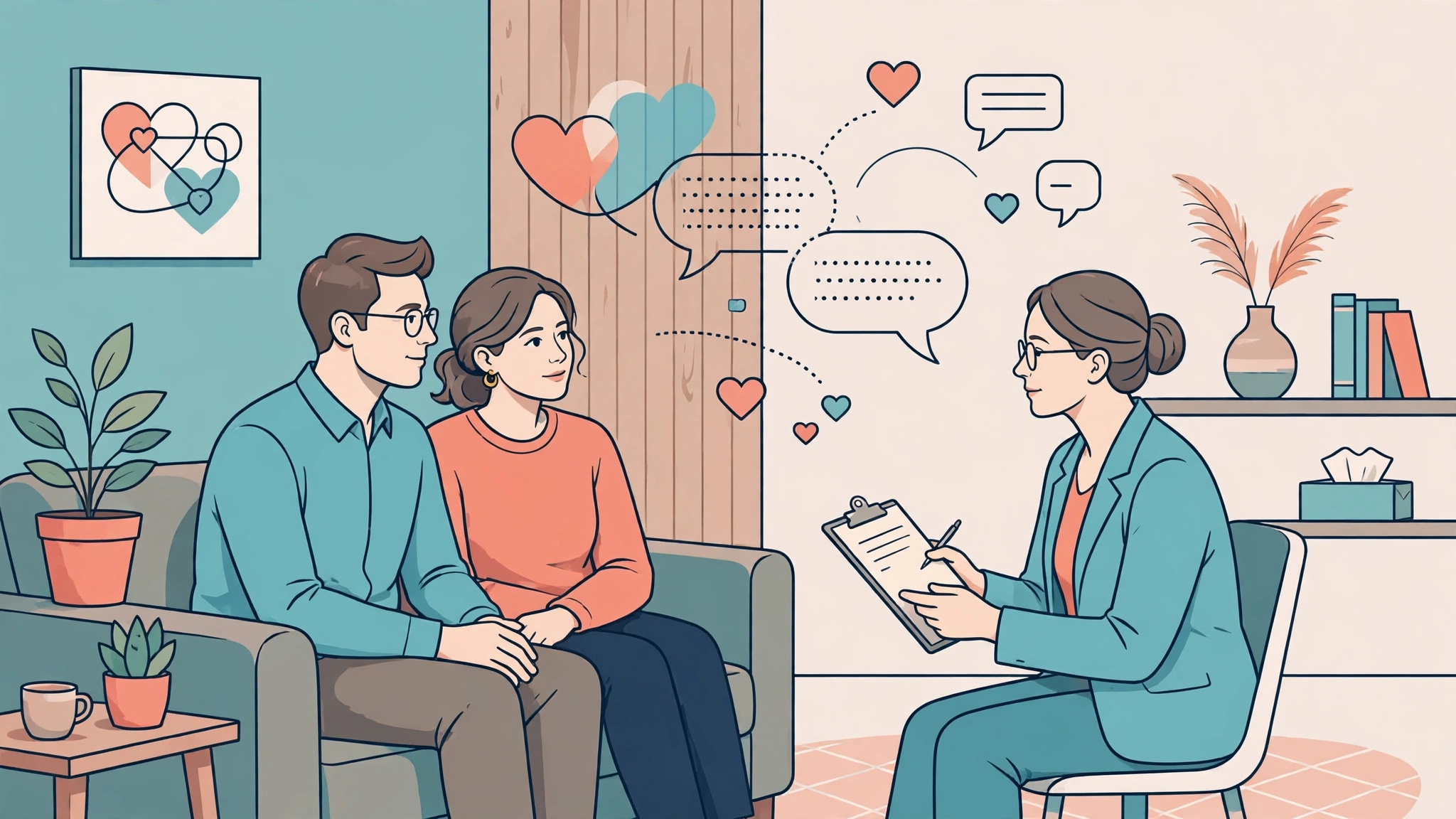
7. Get professional guidance early. A certified sex therapist or couples counselor gives both partners language for their feelings and mediates the blame cycle. Research shows couples who communicate better about sex report higher frequency and satisfaction.
The Weekly Desire Check-In: A Script You Can Use Tonight
Talking about libido mismatch once rarely resolves anything, because desire keeps changing. What works is a light, recurring ritual: a 20-minute weekly check-in, separate from date night and never in bed. Rules are simple — no criticism of the past week, no negotiating frequency minimums, and either partner can pause if emotions spike.
Take turns answering these six questions. Write answers down; they change month to month, and the record itself builds understanding:
- On a scale of 1–10, where was my desire this week — and what moved the number?
- When did I feel most connected to you? When most distant?
- What kind of affection felt good, even when I didn’t want sex?
- Did any initiation feel pressuring? What would have made it inviting?
- Is anything outside our relationship — stress, sleep, health, medication — affecting my desire?
- What is one small thing we could try this week that we haven’t tried before?
Couples who run this ritual report two surprises. First, the higher-desire partner discovers their libido mismatch is often smaller than feared — many lower-desire partners land at “a few times a month,” which reframes the problem. Second, the lower-desire partner starts volunteering information instead of defending against questions. The check-in converts a standoff into a collaboration.
When the Gap Becomes a Red Flag
Most cases of libido mismatch are healthy variations managed with communication. But some patterns signal something beyond a libido mismatch:
- Coercion or threats: pressuring or guilting a partner into sex is not a libido mismatch — it is coercive behavior. Consent is required in marriage, every time; our guide on what consent means in relationships explains why “no” must always be respected.
- Sex as a weapon: deliberately withholding all intimacy to punish or control a partner, or demanding sex as the price of basic kindness, indicates a power dynamic therapy must address.
- Total, prolonged affection withdrawal: months with zero physical affection of any kind, plus refusal to discuss it, suggests avoidance or a deeper issue — depression, trauma, or an affair — that “coping with the gap” cannot fix.
- “Duty sex” causing distress: agreeing to dreaded sex is not compromise — it is harm, and a therapist should be involved immediately.
If any of these describe your marriage, speak with a licensed counselor or therapist — individually first, if joint sessions feel unsafe. If you ever feel physically unsafe, contact local support services in your area.
FAQs
Is it normal to have libido mismatch?
Yes. Libido mismatch is one of the most commonly reported sexual concerns in long-term relationships, and research finds it the norm rather than the exception. The gap becomes a problem only when it creates sustained distress, pressure, or avoidance the couple cannot resolve through communication.
Can a marriage survive libido mismatch?
Absolutely. Studies show couples with large desire gaps can report high satisfaction when communication is strong and compromises honor both needs. What predicts poor outcomes is not the gap’s size but the blame, pressure, and silence around it. Treat the difference as shared data to solve together, not as proof either partner is at fault.
How do I bring up libido mismatch without hurting my partner?
Choose a neutral time outside the bedroom, use “I” statements about your feelings rather than accusations, and frame it as a team problem: “I want us both to feel good about our intimate life — can we figure this out together?” Ask curious questions instead of demanding explanations for past refusals.
What medical problems can cause low libido?
Common contributors include thyroid disorders, diabetes, cardiovascular disease, chronic pain, depression, and hormonal shifts like postpartum changes, perimenopause, or low testosterone. SSRIs and some blood pressure medications frequently suppress desire too. If desire dropped suddenly and you cannot explain why, do not wait — early evaluation rules out the most treatable causes.
Does scheduling sex actually work for libido mismatch?
Many sex therapists recommend it. Scheduling removes initiation anxiety for the higher-desire partner and gives the responsive-desire partner time to mentally prepare — exactly what their desire system needs. Couples often find planned intimacy genuinely enjoyable, with anticipation building desire rather than killing spontaneity.
When should we see a doctor or therapist about libido mismatch?
See a doctor if the change was sudden, tracks with a new medication or illness, or comes with pain, fatigue, or mood changes. See a counselor or certified sex therapist if communication keeps breaking down or resentment is building. Either step signals commitment, not failure.
Learning to navigate libido mismatch is one of the most valuable skills a couple can build — it teaches communication, empathy, and flexibility that strengthen the whole relationship. Start with an honest, blame-free conversation, rule out medical causes with your doctor, and consider professional guidance sooner rather than later.
Medical disclaimer: This article is for educational purposes only and is not medical advice. Sexual health concerns vary widely, and only a qualified healthcare professional who has evaluated you can diagnose conditions or recommend treatments. If you are experiencing persistent changes in sexual desire, pain, or related symptoms, please consult your doctor, gynecologist, urologist, or a certified sex therapist.