How to Make Sex Last Longer: Doctor-Backed Tips
If you are searching for how to make sex last longer, you are far from alone — surveys suggest 20 to 30 percent of men share this concern, especially between ages 18 and 30. The good news: lasting longer is a skill, not just a trait. Behavioral techniques, targeted exercises, and smart timing strategies work. This guide brings together everything doctors recommend — plus a structured training plan most articles skip.
What “Lasting Longer” Actually Means
Before reaching for techniques, it helps to know what is actually normal. Researchers measure ejaculatory timing with “intravaginal ejaculation latency time” (IELT): the interval from penetration to ejaculation, measured by stopwatch rather than guesswork. A multinational study found the median IELT is about 5.4 minutes, ranging from around 33 seconds to over 44 minutes. Separately, the Mayo Clinic notes that premature ejaculation is defined less by a number and more by whether ejaculation happens sooner than a man or his partner would like, with minimal stimulation, causing distress.
Sex therapists surveyed in a study by the Society for Sex Therapy and Research rated 7 to 13 minutes of intercourse as “desirable,” while 3 to 7 minutes was considered adequate. And a 2020 study found the average woman needs about 13.4 minutes of stimulation to reach orgasm from intercourse. That gap — not a fixed number of minutes — is the real reason couples ask how to make sex last longer.
How to Make Sex Last Longer During Sex: 7 Proven Techniques
These are the methods with the strongest backing from sexual medicine. They all work on the same principle: learning to recognize and manage arousal before the point of no return.
1. The stop-start method
The most researched behavioral technique is the stop-start method (also called edging). When arousal reaches about 7 or 8 out of 10 — close to the point of no return but not there yet — pause all stimulation for 20 to 30 seconds until the urge fades to around a 4 or 5, then resume. Repeat 3 to 4 times before finishing. Practice solo first to learn your arousal cues without performance pressure; studies show noticeable improvement within a few weeks.
2. The squeeze technique
When arousal is high, the man or his partner firmly squeezes the head of the penis between the thumb and forefinger for 10 to 20 seconds, which dulls the immediate urge. Release, wait about 30 seconds, then resume stimulation. Repeat 3 to 4 times. Like stop-start, it is safe to repeat many times — and many couples find it easier together, since the partner can deliver the squeeze.
3. Change positions and pace
Position and rhythm change how much direct stimulation the penis receives. Side-by-side positions reduce depth and let both partners control the pace; positions where the partner on top controls angle and depth tend to work better than deep, rapid thrusting. Slower, shallower movement keeps arousal from spiking, and pausing for 10 to 20 seconds at high arousal — then resuming slowly — builds stop-start into the rhythm of sex. Switching positions during the pause doubles as a natural reset.
4. Build longer foreplay into the session
“Sex” does not only mean penetration. Many partners need 10 to 20 minutes of stimulation to reach orgasm, and penetration alone is frequently not enough — only about 18 percent of women in one large survey said intercourse alone was sufficient. Extending foreplay moves focus away from penetration, where time usually runs out fastest, and often means both partners finish satisfied regardless of exact timing.
5. Try the “refractory round two”
Many men experience less sensitivity during a second erection, so a second round naturally lasts longer. If ejaculation happens sooner than you wanted, use the recovery window to keep pleasuring your partner manually or orally, then start again. This takes pressure off the first round and is one of the easiest real-session answers to how to make sex last longer.
6. Desensitizing products (used carefully)
Products work by reducing sensation rather than fixing what causes early ejaculation. Delay condoms carry a mild numbing agent (usually benzocaine or lidocaine) built into the latex; topical delay sprays and creams use similar ingredients at higher strength, applied about 20 to 30 minutes before sex and rinsed off before penetration so numbness does not transfer to the partner. One study found benzocaine wipes helped 88 percent of participants after two months of use.
7. Thicker lubricant
Often overlooked, a thicker lubricant reduces friction rather than sensation. Less friction means slower arousal buildup, and it makes sex more comfortable for both partners — a simple, side-effect-free way to add a little time alongside every other technique here.
For many couples, the most complete answer to how to make sex last longer is progressive training: a few minutes of focused practice several times a week builds control steadily, the way fitness training builds strength.
The 4-Week Training Plan (Our #1 Competitor Gap)
Almost every article lists techniques, but almost none tells you how to practice them in order. Ejaculatory control is like a muscle: it responds to progressive training. Here is a structured four-week plan that combines the best-supported behavioral methods.
Week 1: Learn your arousal scale (solo)
Practice solo, stopping all stimulation at arousal level 7 out of 10 (1 = nothing, 10 = point of no return). Your only goal is to notice where 7, 8, and 9 actually feel like. Most men discover they have been going from 5 straight to 10 without noticing the middle. Two to three sessions this week.
Week 2: Master the stop-start cycle (solo)
Run the full cycle this week: stimulate to 7 or 8, pause 20 to 30 seconds until arousal drops to 4 or 5, then resume — 3 to 4 cycles before finishing. Jot down how many cycles you complete; watching the number grow normalizes the process.
Week 3: Add pelvic floor control (solo + daily)
Combine stop-start practice with pelvic floor contractions (see the next section for the routine). Practice pausing and gently contracting the pelvic floor during the pause phase — this trains the muscles that physically delay ejaculation.
Week 4: Bring it to partnered sex
Introduce the techniques with your partner, starting with foreplay-focused sessions where penetration timing does not matter. By week four, most men can feel how to make sex last longer in real sessions — and control keeps improving with a few maintenance sessions per week.
Pelvic Floor Training: Kegels, Reverse Kegels, and Breathing
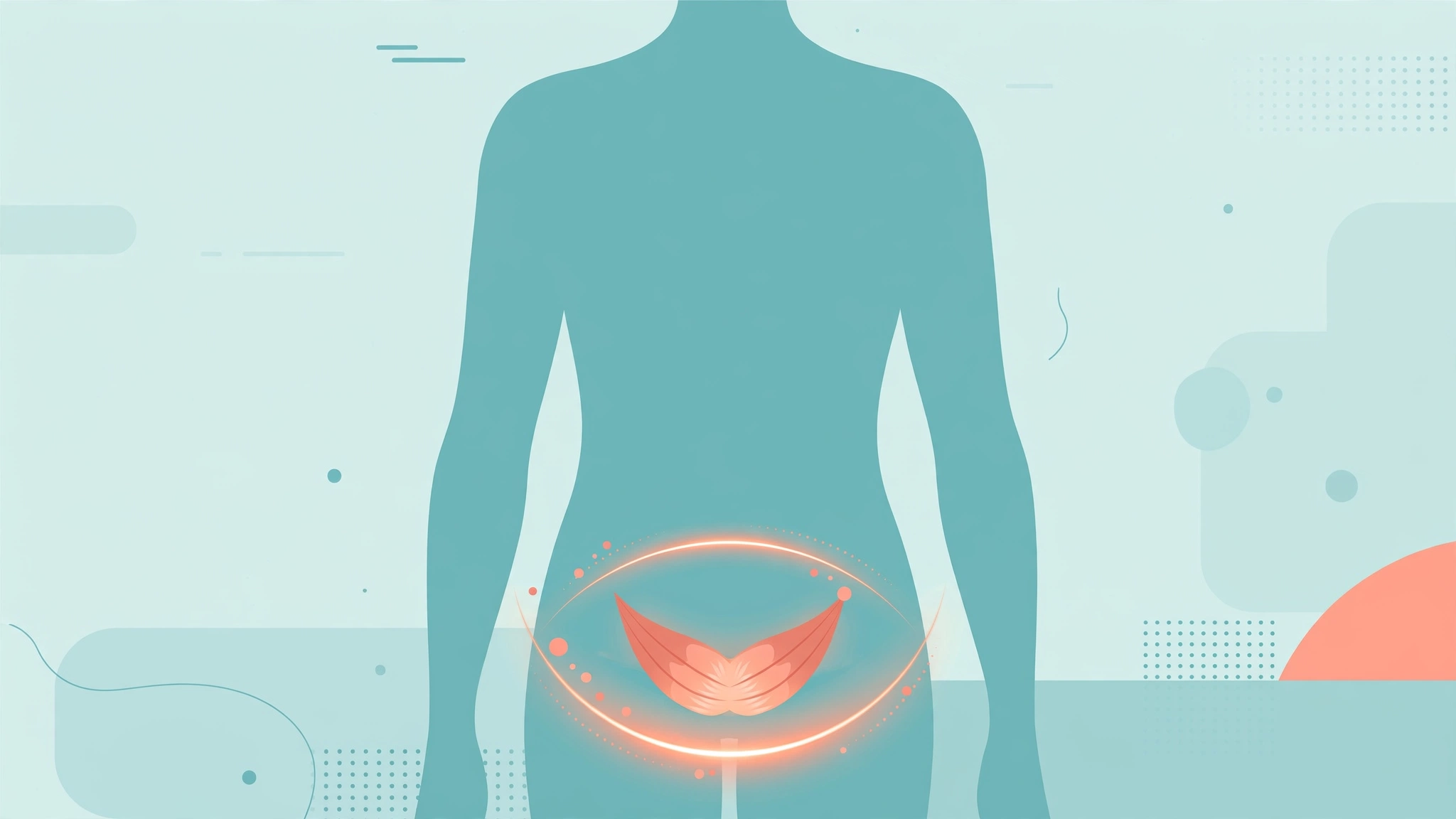
The pelvic floor muscles — the same ones that stop urine mid-stream — are directly involved in ejaculatory control, making pelvic training one of the most underrated answers to how to make sex last longer. A 12-week pelvic floor program in men with lifelong premature ejaculation raised average ejaculation time from 31.7 to 146.2 seconds, with 33 of 40 men improving. Here is how to train them properly.
The basic Kegel routine
Find the muscle by pausing your urine flow once (only for identification, not as a regular exercise). Then: contract for 5 seconds, release for 5 seconds, repeat 10 to 15 times, three times daily. Practice lying down first, then sitting, then standing. Increase hold time as it strengthens — but do not overdo it, since a fatigued muscle slows progress.
Reverse Kegels: the missing half
Most articles mention Kegels but miss this: a chronically tense pelvic floor can contribute to early ejaculation. Reverse Kegels mean gently bearing down as if releasing urine — the deliberate relaxation of the pelvic floor. Alternate 5-second contractions with 5 seconds of conscious release; men who carry pelvic tension (from stress or desk work) often find this half of the routine produces the biggest improvement.
Box breathing during sex
When arousal climbs, slow down and breathe: in for 4 counts, hold for 4, exhale slowly for 6 to 8, pause for 4. The longer exhale activates the parasympathetic nervous system, which counters the “fight-or-flight” arousal spike that drives ejaculation. Practice outside the bedroom first — during meditation or before sleep — so it is automatic when you need it.
Sensate Focus: The Therapist-Approved Exercise
Sensate focus is a structured exercise developed by sex researchers Masters and Johnson, and therapists still consider it the gold standard for timing and performance pressure — yet online guides barely mention it. Here is a simplified version:
- Sessions 1-3 (touch without goal): Take turns touching each other’s bodies, avoiding genitals, with an explicit agreement that sex is off the table. Focus purely on what touch feels like — warm, cool, light, firm.
- Sessions 4-6 (genital touch included): Include genital touching, but with a ban on intercourse or orgasm. The goal is pleasure without performance.
- Sessions 7+ (gradual intercourse): Add penetration back slowly, stopping whenever arousal climbs too fast.
Because orgasm is deliberately removed from the first sessions, performance anxiety — a major driver of early ejaculation — dissolves. Research on couples who communicate more about sex consistently finds they report better sexual satisfaction, and sensate focus is essentially communication through touch.
Lifestyle Habits That Quietly Affect Timing
Daily habits shape arousal and control as much as any technique:
- Stress and anxiety: Stress raises cortisol and heightens arousal sensitivity; worry about finishing early creates a self-fulfilling cycle. Meditation and mindfulness help — the Cleveland Clinic lists psychological factors among the most common contributors.
- Sleep: Poor sleep can disrupt testosterone and leave you more reactive to stimulation; consistent sleep supports steadier arousal.
- Alcohol and smoking: Heavy drinking and smoking are linked to reduced blood flow and nerve signaling that affect both erections and timing. Cutting back is one of the most boring and most effective tips.
- Fitness: Aerobic exercise improves circulation and nervous system regulation, while lower-body moves like squats strengthen the hip and groin muscles that assist the pelvic floor.
- Masturbation timing: Masturbating one to two hours before partnered sex can raise the threshold for the second round — a short-term tool, not a permanent fix.
For more on how habits and health intersect with sexual function, see our guides on erectile dysfunction causes and masturbation and erectile dysfunction.
Myths About Lasting Longer — Busted
| Myth | Reality |
| “Thinking about baseball” or distracting yourself works. | Mental distraction usually produces detached, unsatisfying sex — and it does nothing to train real arousal control. Use stop-start instead. |
| Stamina pills and gas-station supplements are safe. | Many have been caught laced with undeclared drugs. The FDA has issued warnings about “tainted sexual enhancement products” — avoid them entirely. |
| Lasting longer is only about penetration time. | Partner satisfaction depends on total stimulation, not penetration alone. Foreplay, manual, and oral stimulation count as sex — and often matter more. |
| Only older men have timing problems. | Early ejaculation is most common in men aged 18 to 30, often driven by anxiety, novelty, and habit rather than disease. |
| A penis ring fixes timing. | Rings help maintain erections by restricting blood flow but have little evidence for delaying ejaculation specifically. |
When to Talk to Your Doctor
Self-help techniques work for many men learning how to make sex last longer, but see a doctor if early ejaculation happens consistently (most encounters over several months), causes real distress, strains your relationship, or you notice other symptoms such as erectile difficulty or pain.
Doctors have additional options when behavioral methods alone are not enough. Behavioral therapy, pelvic floor physical therapy, and biofeedback — where a clinician uses sensors to help retrain arousal response — are all evidence-based. Prescription medications are generally reserved for diagnosed cases when other treatments have not worked; discuss benefits and side effects with a qualified professional rather than ordering anything online.
Also note the overlap with erectile dysfunction: some men rush to finish before an erection fades, which looks like a timing problem but is really an erection problem — the treatments differ, so a doctor can sort out which condition applies.
FAQs
How can I stop finishing too early naturally?
The most evidence-backed natural methods for how to make sex last longer are the stop-start and squeeze techniques plus daily pelvic floor exercises. One 12-week program raised average time from about 32 seconds to over two minutes. Practice solo first to learn your arousal cues, then bring the techniques into partnered sex.
Does masturbating before sex help you last longer?
For many men, yes. Masturbating one to two hours before partnered sex raises the stimulation needed to reach ejaculation again, so the second round tends to last longer. It works through the natural refractory period. Treat it as a short-term timing strategy rather than a permanent fix, and results vary with stress and arousal levels.
How long should a man last before ejaculating?
The median time from penetration to ejaculation in multinational research is about 5.4 minutes; sex therapists rate 7 to 13 minutes as “desirable,” with 3 to 7 considered adequate. The Mayo Clinic defines premature ejaculation by whether timing causes distress, not by a fixed number of minutes — which is why how to make sex last longer has no single answer.
Do delay sprays and creams work, and are they safe?
Delay products with mild numbing agents like benzocaine or lidocaine genuinely reduce sensitivity and can extend time — one study found benzocaine wipes helped 88 percent of participants after two months. They are generally safe when used as directed, but rinse off excess before penetration so numbness does not transfer to your partner.
How long do pelvic floor exercises take to work?
Most men notice improvement within a few weeks of consistent daily practice. In the key 12-week study, 33 of 40 participants improved, with average time rising roughly fourfold. The basic routine is 10 to 15 contractions held for 5 seconds, three times daily, plus relaxation practice (reverse Kegels).
Can performance anxiety make it harder to last longer?
Yes — anxiety is one of the biggest drivers of early ejaculation. Stress and worry about timing heighten arousal sensitivity, creating a cycle where fear of finishing early makes it happen sooner. Mindfulness, sensate focus, and open communication with your partner all help break that cycle.
Medical disclaimer: This article is for educational purposes only and is not a substitute for professional medical advice, diagnosis, or treatment. Ejaculatory concerns can have medical, psychological, or medication-related causes, so always seek the advice of your physician or another qualified healthcare professional with any questions you may have about a medical condition.