Does Vaping Affect Male Fertility?
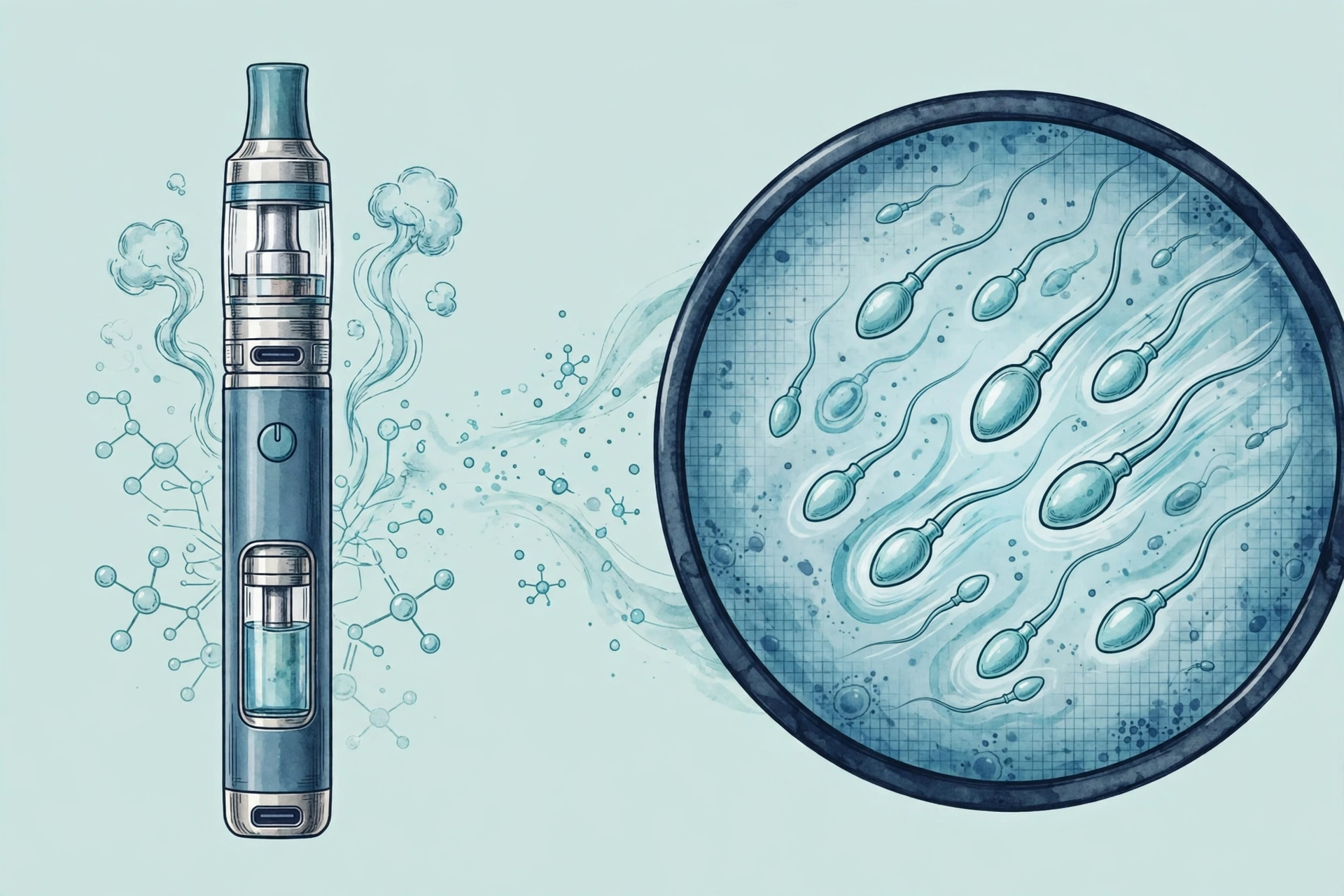
If you have ever wondered, does vaping affect male fertility, you are not alone. Millions of men switched from cigarettes to e-cigarettes believing they were making a healthier choice. But when couples start trying for a baby and months pass without a pregnancy, that habit starts to look different. Research into vaping and male reproductive health is still young, yet the evidence so far points in one direction: e-cigarettes are not harmless for sperm. This article walks through what scientists have found, how vaping compares with smoking, and what you can do if you are planning fatherhood.
Does Vaping Affect Male Fertility? What the Research Shows
The short answer is that vaping appears to harm several measures of sperm quality, although the research base is smaller than it is for cigarette smoking. Scientists have studied this question in two main ways: laboratory studies on human and animal reproductive cells, and observational studies comparing vapers with non-vapers and with cigarette smokers.
Across these studies, a consistent pattern emerges. Men who vape regularly tend to show lower sperm counts and reduced sperm motility (the ability of sperm to swim effectively) compared with men who neither smoke nor vape. Markers of oxidative stress and sperm DNA damage also tend to be higher in vapers. Oxidative stress matters because sperm cells are unusually vulnerable to it: their cell membranes are rich in fatty acids that oxidize easily, and they carry very little antioxidant defense of their own.
It is worth being honest about the limits of the evidence. Most human studies are observational, which means they show associations rather than proving cause and effect. Vapers may differ from non-vapers in other ways (alcohol use, sleep, stress) that also influence fertility. Sample sizes in vaping-specific studies are often small. Still, the direction of the findings is consistent enough that fertility specialists increasingly ask about vaping history, and several national health bodies now caution that e-cigarettes may impair fertility.
How Nicotine Damages Sperm Quality
Nicotine is the main pharmacologically active ingredient in most e-liquids, and it is the most studied compound when it comes to vaping and male fertility. Nicotine reaches the bloodstream within seconds of inhalation and distributes widely, including to the testicles. Researchers believe it affects sperm through several overlapping pathways.
Lower sperm count
Multiple studies have found that men exposed to nicotine produce fewer sperm per milliliter of semen. One frequently cited analysis reported roughly 17 percent lower sperm concentration among e-cigarette users compared with non-users, while cigarette smokers in the same comparison showed an even larger reduction. Lower sperm concentration means fewer sperm reach the egg, which can lengthen the time it takes to conceive. If you have been told your count is borderline, reviewing the known causes of low sperm count can help you and your doctor identify every factor worth addressing.
Reduced sperm motility
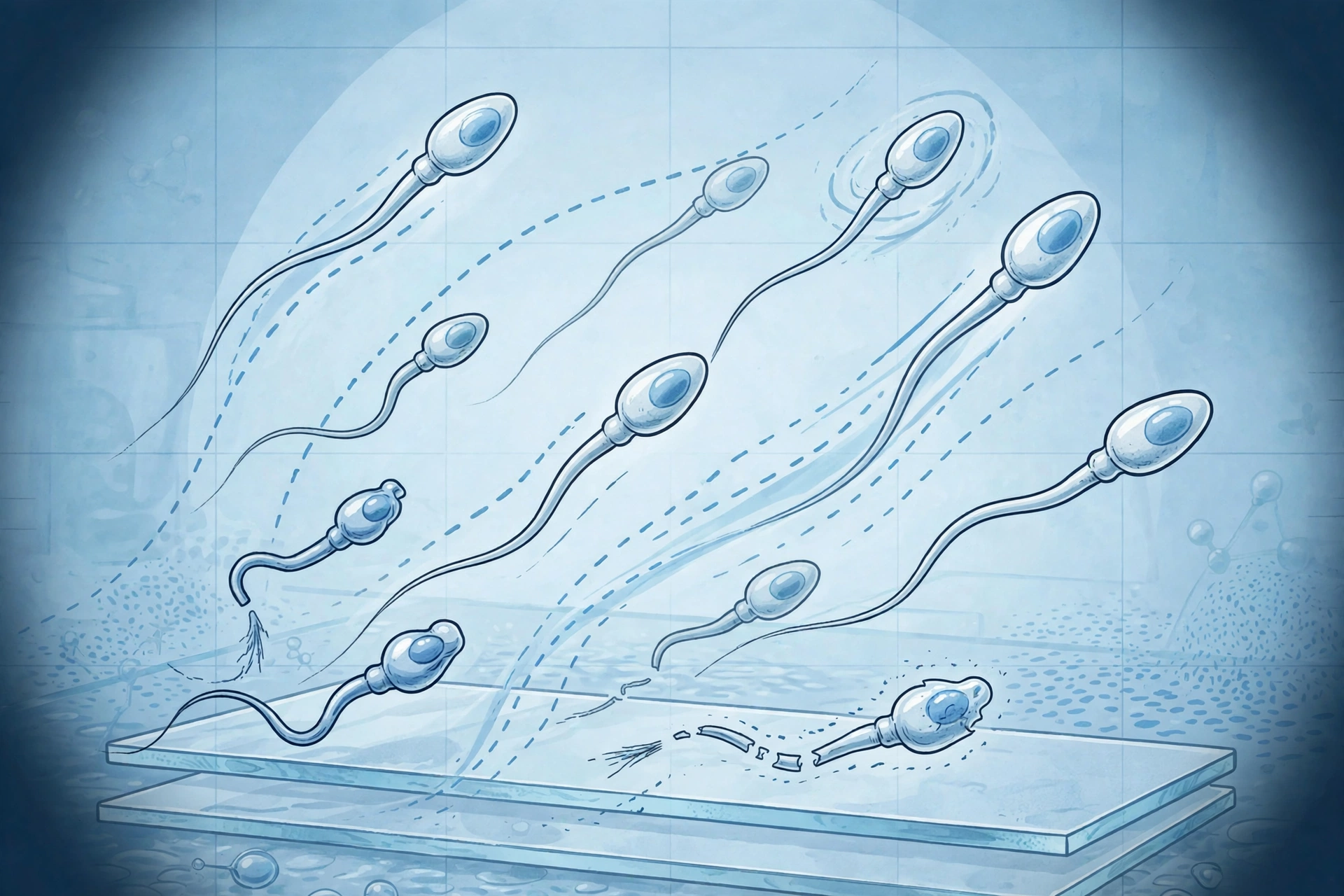
Motility is how well sperm swim, and it is one of the most important predictors of natural conception. Nicotine appears to interfere with the mitochondria, the energy-producing structures in the sperm midpiece that power the tail. When mitochondrial function falters, sperm move more slowly and with less forward progression. A study published in Andrologia found significantly reduced progressive motility in men with nicotine exposure. Poor motility is one reason some couples need fertility treatment even when the sperm count itself looks acceptable.
Abnormal sperm shape (morphology)
A smaller body of research suggests vaping may increase the share of sperm with abnormal head or tail shapes. Morphology matters because only normally shaped sperm can navigate the female reproductive tract and penetrate the egg’s outer layer. When the proportion of normally formed sperm falls below reference thresholds, conception becomes harder and the chance of successful fertilization in treatment cycles drops.
Sperm DNA fragmentation
Perhaps the most concerning finding is that nicotine exposure is linked to higher levels of DNA fragmentation inside sperm. DNA fragmentation means the genetic material carried by the sperm is broken or damaged. A man can have a normal-looking semen analysis yet carry high DNA fragmentation, which is associated with lower fertilization rates, poorer embryo development, and higher miscarriage risk. Research published in the European Journal of Endocrinology connected nicotine exposure to this type of damage, suggesting that vaping’s effects may extend beyond what a standard semen analysis can show.
Beyond Nicotine: Flavorings, Heavy Metals, and Heating Byproducts
One of the angles most articles on this topic miss is that vaping delivers far more than nicotine. E-liquid typically contains propylene glycol, vegetable glycerin, flavoring chemicals, and whatever leaches from the device’s heating coil. Each of these can contribute to reproductive harm.
Flavoring chemicals. Research from University College London found that certain e-liquid flavorings damage male reproductive cells directly. Bubblegum-flavored liquid was shown to be toxic to testicular cells, while cinnamon-flavored liquid impaired sperm motility. When heated, flavorings such as diacetyl and pentanedione break down into compounds that trigger oxidative stress, the same type of cellular damage implicated in sperm DNA fragmentation.
Heavy metals from the coil. The heating element in a vape device is made of metal alloys, and with repeated heating cycles, tiny amounts of metals including nickel, chromium, lead, and cadmium can end up in the aerosol that the user inhales. Cadmium is of particular concern for male fertility: animal studies link cadmium exposure to testicular damage and impaired sperm production, and human data show that smoking-related cadmium exposure raises cadmium levels in semen while lowering zinc, a mineral that sperm need. Because vapes also use metal coils, researchers consider heavy metal exposure a plausible, under-studied pathway by which vaping could harm male fertility.
Thermal breakdown products. When propylene glycol and vegetable glycerin are heated past certain temperatures, they break down into formaldehyde, acetaldehyde, and acrolein, all of which are known cellular toxins. High-wattage devices and “dry puffs” (when the wick is nearly dry) produce more of these compounds. This matters because it means even nicotine-free vaping is not necessarily safe for sperm: the base liquid and the heating process themselves generate harmful substances.
Is Vaping Safer Than Smoking for Male Fertility?
Many men switched to vaping specifically to reduce harm, so this comparison matters. The honest summary of the evidence is: vaping appears less damaging than cigarette smoking for sperm health, but the gap is smaller than most people assume.
Cigarette smoke contains thousands of chemicals, including established reproductive toxins, and its effects on sperm count, motility, and DNA integrity are larger in most comparative studies. In the comparative analysis mentioned earlier, smoking was associated with roughly a 29 percent reduction in sperm concentration, versus around 15 to 20 percent for vaping. A South Korean study of couples undergoing IVF and ICSI treatment found that male partners who vaped had better outcomes than those who smoked cigarettes: higher sperm motility, a higher live birth rate, and a lower clinical miscarriage rate.
That relative advantage comes with three important caveats. First, “less harmful than smoking” is not the same as safe; vapers still showed measurable deficits compared with non-users. Second, many people who vape are dual users who still smoke some cigarettes, and dual use likely combines the harms of both. Third, frequency matters: heavy daily vaping delivers more nicotine, more flavoring chemicals, and more coil-derived metals than occasional use, so dose-response almost certainly applies even though it is not yet precisely quantified.
Secondhand exposure deserves a brief note. The CDC notes that e-cigarette aerosol is not harmless water vapor; it can expose bystanders to nicotine, heavy metals, and volatile organic compounds. While the fertility effects of secondhand vape exposure have barely been studied, couples trying to conceive may reasonably prefer a vape-free home. Our guide to smoking and sexual health covers how tobacco and nicotine affect intimacy more broadly.
Vaping, Testosterone, and Erectile Function
Fertility is not only about sperm. Nicotine affects the hormonal system that governs male reproduction, the hypothalamic-pituitary-gonadal axis. Some studies of nicotine users show lower testosterone levels and altered levels of follicle-stimulating hormone (FSH) and luteinizing hormone (LH), the signals the brain sends to the testicles to make sperm. Because sperm production depends on high levels of testosterone inside the testicles, anything that disrupts this hormonal conversation can reduce fertility even before sperm parameters change.
Nicotine is also a vasoconstrictor: it narrows blood vessels and reduces blood flow throughout the body. Good blood flow to the testicles supports sperm production, and good blood flow to the penis supports erections. A 2020 study in the Journal of Endocrinological Investigation found reduced blood flow to testicular tissue in connection with nicotine exposure. Men who vape and notice changes in libido or erectile quality should know these can be early, reversible signs that nicotine is affecting their reproductive system, and they are worth raising with a doctor rather than ignoring.
What About Nicotine-Free Vapes?
Switching to zero-nicotine e-liquid is a reasonable harm-reduction step for general health, but the current evidence suggests it does not fully remove the fertility risk. Laboratory studies have found that nicotine-free e-liquids can still damage male reproductive cells, pointing to the flavorings, base liquids, and heating byproducts discussed above. Cinnamon and bubblegum flavorings showed toxicity in studies that tested liquids with and without nicotine. Until better research exists, men who are trying to conceive should treat nicotine-free vaping as “possibly less harmful” rather than “safe,” and the safest option for fertility remains avoiding vaping altogether.
Can Male Fertility Recover After Quitting Vaping?
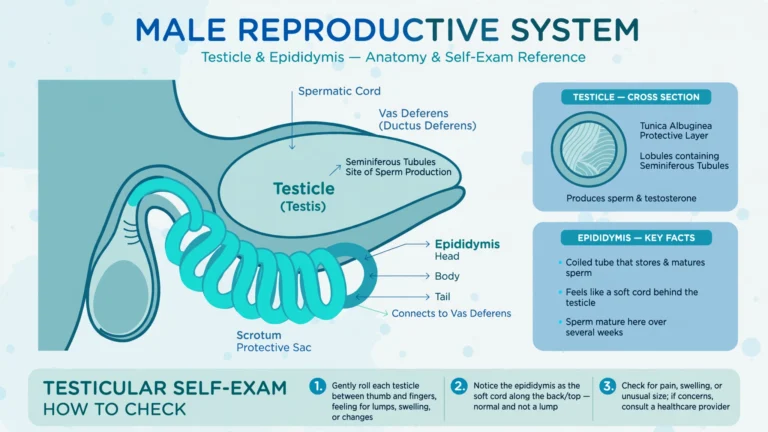
This is where the news gets encouraging. Sperm are made continuously: the full cycle of sperm production (spermatogenesis) takes about 72 to 74 days, plus roughly two more weeks for sperm to mature during transit through the epididymis. That means the sperm you produce today began developing nearly three months ago, and conversely, that positive changes you make now can show up in a semen analysis within two to three months.
Recovery is not instant, and different parameters improve at different rates:
| Time after quitting | What typically improves |
|---|---|
| 2 to 4 weeks | Nicotine clears from the body; oxidative stress begins to fall; erectile function and libido may improve |
| 6 to 8 weeks | Sperm motility often starts to improve as new, less-exposed sperm enter the ejaculate |
| 3 months | A full new cohort of sperm has developed; count, motility, and morphology may show meaningful gains |
| 6 months or more | Sperm DNA fragmentation, which reflects cumulative damage, tends to need the longest recovery window |
A semen analysis is the standard way to check where you stand. It measures volume, concentration, motility, and morphology, and some clinics offer additional DNA fragmentation testing. Because results vary from sample to sample, doctors usually recommend two analyses a few weeks apart before drawing conclusions. Our guide on how to read a semen analysis explains what each number means and when a result warrants follow-up. Alongside quitting, the evidence supports the same lifestyle measures that help sperm generally, which we cover in natural ways to improve sperm health: maintaining a healthy weight, exercising regularly, eating a Mediterranean-style diet rich in antioxidants, limiting alcohol, and avoiding excessive heat to the groin.

Protecting Your Fertility: A Practical Pre-Conception Plan
If you are planning to try for a baby, fertility specialists generally recommend that the male partner stop vaping at least three months before you start trying, one full sperm production cycle. A practical plan looks like this:
- Set a quit date and stick to it. Behavioral support, quitlines, and nicotine replacement therapy (used short-term and tapered) can help. Ask your doctor what is appropriate while you are trying to conceive.
- Avoid dual use. Cutting back on cigarettes while vaping heavily does not protect your sperm; aim for complete cessation of both.
- Time your attempt. If you can, wait about 90 days after your last vape before trying to conceive, so a fresh cohort of sperm is available.
- Get checked. Consider a semen analysis three months after quitting to confirm recovery, and sooner if you have been trying unsuccessfully.
- See a specialist on time. Guidelines generally advise couples to seek fertility evaluation after 12 months of trying (or after 6 months if the female partner is over 35), but there is no reason to wait that long if you have a known risk factor such as heavy vaping history, very low counts, or other symptoms.
Finally, be honest with your doctor about your vaping history, including how often you vape, the nicotine strength, and whether you also smoke. Clinicians can only give useful advice with the full picture, and what you share in the exam room stays confidential.
Frequently Asked Questions
Does vaping affect male fertility even if I only vape occasionally?
Occasional vaping almost certainly carries less risk than daily heavy use, because nicotine, flavoring chemicals, and metal exposure are all dose-dependent. However, no study has established a “safe” level of vaping for fertility, and even intermittent use delivers reproductive toxins to the testicles. If fatherhood is on your horizon, quitting entirely is the evidence-backed choice.
How long after quitting vaping does sperm quality improve?
Because sperm take about 72 to 74 days to develop, most specialists advise allowing at least three months after quitting before expecting meaningful improvement in a semen analysis. Motility often improves first, while count and morphology may take a full cycle or more. DNA fragmentation, which reflects cumulative damage, can take six months or longer to normalize.
Is vaping worse than smoking for sperm?
Current evidence suggests vaping is less harmful to sperm than cigarette smoking, but still harmful compared with not vaping at all. Comparative studies show smaller reductions in sperm count and better IVF outcomes for vapers than for smokers, yet vapers consistently score worse than non-users. Switching from smoking to vaping is a harm-reduction step, not a fertility-safe one.
Do nicotine-free vapes affect male fertility?
Probably yes, though less is known. Laboratory studies show that e-liquid flavorings and heating byproducts such as formaldehyde and acrolein can damage male reproductive cells even without nicotine. Nicotine-free vaping removes one major toxin but leaves others in place, so it should not be considered fertility-safe.
Can vaping cause erectile dysfunction?
Nicotine narrows blood vessels and reduces blood flow, including to the penis and testicles, which provides a plausible mechanism for vaping-related erectile difficulties. Studies link nicotine exposure to reduced testicular blood flow, and many men report improved erectile function within weeks of quitting. Persistent problems deserve a medical evaluation, since ED can also signal cardiovascular or hormonal issues.
Does vaping lower testosterone?
Some research associates nicotine use with lower testosterone and disrupted signaling hormones (FSH and LH) in men, though findings are not entirely consistent. Because sperm production depends on healthy testosterone levels within the testicles, hormonal disruption is one more pathway by which vaping may reduce fertility. A morning blood test can check your levels if you have symptoms such as low libido, fatigue, or reduced muscle mass.
Should my partner also quit vaping while we try to conceive?
Yes. Research also links vaping to female fertility problems, including disrupted hormone levels and impaired embryo implantation, and the CDC advises that e-cigarettes should not be used by people who are pregnant or trying to become pregnant. Quitting together removes secondhand exposure, improves both partners’ fertility, and makes the habit change easier to sustain. You can read the CDC’s overview of e-cigarette health effects for the broader picture.
Medical disclaimer: This article is for educational purposes only and is not medical advice. It does not diagnose any condition or replace professional care. Vaping’s effects on fertility vary from person to person, and research in this area is still developing. If you are concerned about your fertility or planning to conceive, please consult a qualified clinician, such as a urologist or reproductive endocrinologist, for advice tailored to your situation.