Oral Sex and HPV: What Research Shows
When people ask whether oral sex can transmit infections, human papillomavirus (HPV) deserves special attention. Research on the oral sex HPV risk shows that HPV — the most common sexually transmitted infection in the United States — can be transmitted through oral sex, and that persistent infection with high-risk HPV types is now the leading cause of cancers of the throat (oropharyngeal cancers). The good news is that most oral HPV infections clear on their own, and vaccination offers strong protection.
This article walks through what peer-reviewed studies have actually found about the oral sex HPV risk: how common oral HPV is, how transmission happens, who faces the greatest risk, the link to throat cancer, and the most effective ways to protect yourself.
How Common Is Oral HPV?
HPV is a group of more than 200 related viruses, about 40 of which infect the genital area or the mouth and throat. According to U.S. Centers for Disease Control and Prevention (CDC) data, studies in the United States have found that about 7% of people have oral HPV, but only about 1% carry HPV type 16 — the specific type found in most HPV-related throat cancers.
Two patterns stand out in the research:
- Oral HPV is about three times more common in men than in women. This gender gap is one of the most consistent findings across large surveys, including the National Health and Nutrition Examination Survey (NHANES) — one of the key data sources behind current estimates of the oral sex HPV risk.
- Most infections are silent. Like genital HPV, oral HPV typically causes no symptoms and no visible changes, so most people who have it do not know they are infected — and cannot tell whether a partner is infected either, a key reason the oral sex HPV risk is easy to underestimate.
These numbers matter because they put the risk in perspective: oral HPV is relatively common, while the dangerous outcomes are rare. The bridge between the two is persistence — whether the infection clears or lingers — which we will return to below.
Understanding these prevalence numbers is the first step in assessing your own oral sex HPV risk: infection is common, but serious outcomes are not.
How Does Oral Sex Transmit HPV?
HPV spreads through skin-to-skin and mucosa-to-mucosa contact. During oral sex, the virus can move from infected genital or anal tissue to the mouth and throat of the partner performing oral sex. The reverse is also possible: a person with oral HPV who performs oral sex can transmit the virus to a partner’s genital area.
Neither partner needs to have visible warts or any symptoms for transmission to occur, because HPV can be present and infectious without causing any sign of infection. This silent transmission is central to understanding the oral sex HPV risk.
The landmark NHANES research led by Dr. Maura Gillison found that oral sexual behavior was the primary determinant of oral HPV infection, regardless of age, race, sex, or sexual orientation.
In a study of 43 women with genital HPV-16 infection, more than half developed oral infection when they both gave and received oral sex with their partners — a strong signal of how efficiently the virus can move between sites, and a vivid illustration of the oral sex HPV risk in practice.
Deep (open-mouthed) kissing has also been linked to higher oral HPV rates in several studies, with researchers noting that saliva may be a favorable medium for HPV transmission. The evidence on kissing is less conclusive than for oral sex, and the CDC notes that more research is needed to understand exactly how people acquire oral HPV. For a general overview of infection routes, the U.S. National Library of Medicine’s page on oral HPV infection summarizes the medical basics.
Researchers continue to study exactly how the oral sex HPV risk varies across different sexual behaviors, but oral sex remains the best-established route.
Why the Tonsils and Base of the Tongue Are Most Vulnerable
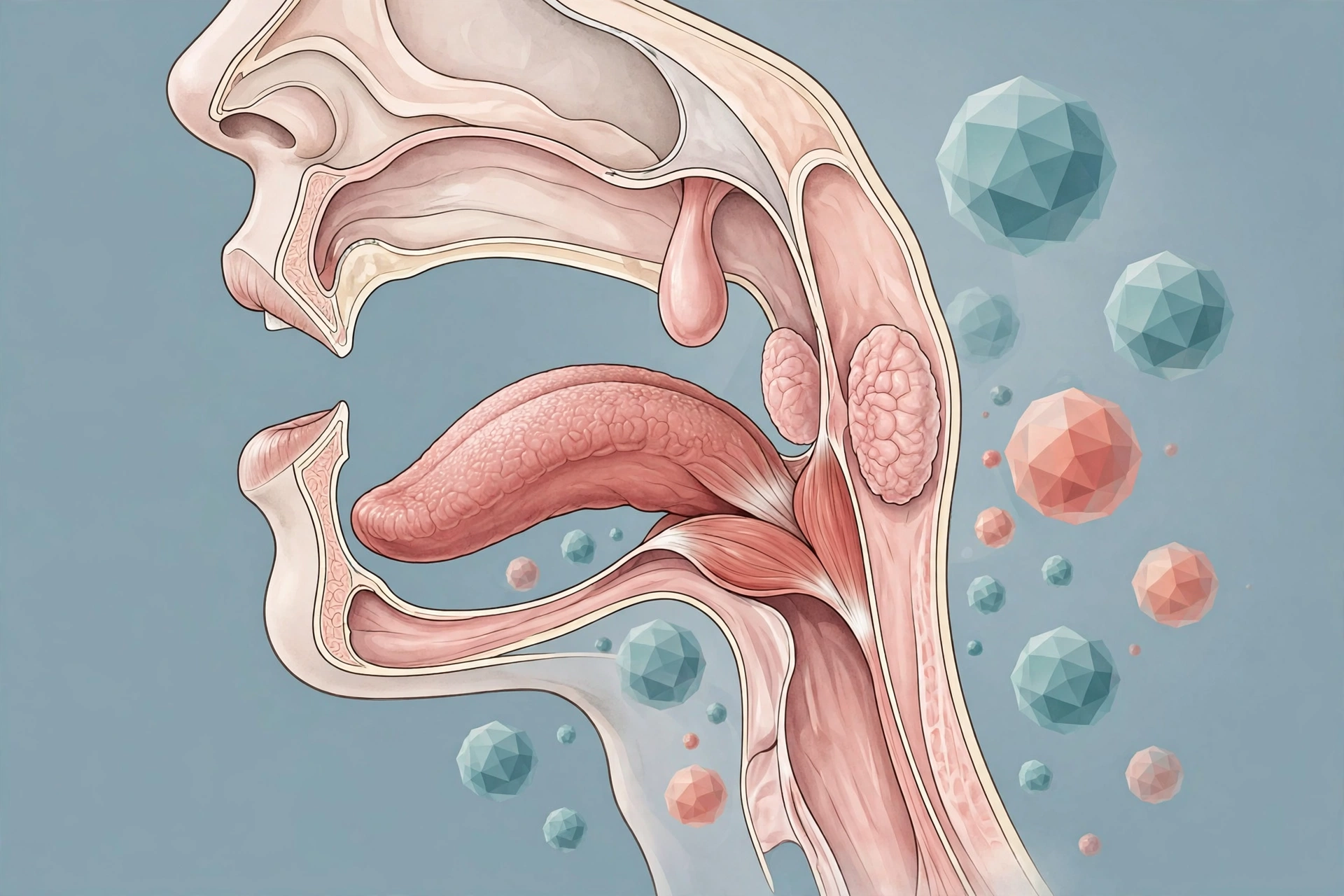
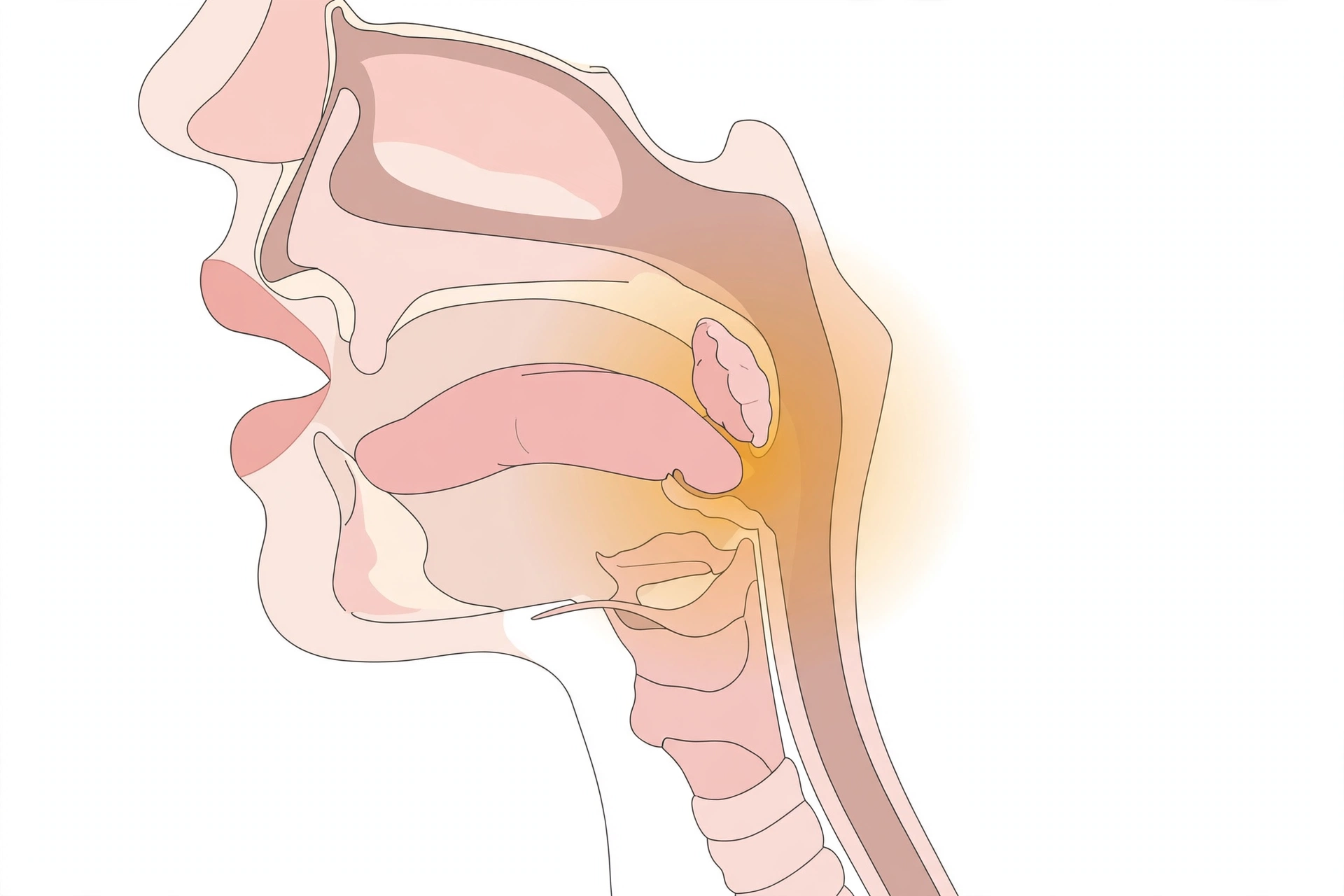
HPV-related throat cancers do not appear randomly throughout the mouth. They concentrate in the oropharynx — the middle part of the throat that includes the tonsils and the base of the tongue. This anatomical pattern is a cornerstone of research into the oral sex HPV risk.
The data support this anatomical pattern:
- High-risk HPV types were detected in 80% of tonsillar cancers examined in a CDC-supported tissue study.
- HPV-16 alone was present in about 60% of all oropharyngeal cancers, with other high-risk types found at much lower frequencies.
- HPV-16/18 prevalence in these tumors was notably higher in men (66%) than in women (53%).
This explains why public-health guidance focuses on the throat rather than the lips or front of the mouth: the back of the throat is where the oral sex HPV risk concentrates and where HPV does its most serious damage. If you want a deeper look at this connection, see our article on HPV, throat cancer, and oral sex.
What Raises Your Oral Sex HPV Risk
The oral sex HPV risk is not the same for everyone. Researchers have identified several factors that measurably raise the likelihood of acquiring oral HPV or developing an HPV-related throat cancer:
- Number of oral sex partners. This is the strongest behavioral factor, and the relationship is dose-dependent — more partners means higher risk. In the landmark Johns Hopkins study published in the New England Journal of Medicine, people with more than six lifetime oral sex partners were 8.6 times more likely to develop HPV-linked oropharyngeal cancer. A later Johns Hopkins study in the journal Cancer found that 10 or more prior oral sex partners was linked to a 4.3-times greater risk of HPV-related mouth and throat cancer.
- Early sexual debut and partner age. The same Cancer study found that beginning oral sex at a younger age, having partners who were older, and accumulating many partners in a short timespan were each independently linked to higher risk.
- Being male. Oral HPV is roughly three times more common in men, and CDC estimates show about 16,200 HPV-associated oropharyngeal cancers diagnosed each year in men compared with about 3,500 in women. Scientists are still investigating why; one leading hypothesis is that first exposure through the genitals triggers a stronger immune response than first exposure through the mouth — and since women are more likely to encounter HPV genitally first, they may clear oral exposures more effectively.
- Tobacco and alcohol use. These raise the risk of acquiring HPV infection. Interestingly, the Gillison study found that among people who were already HPV-positive, smoking and drinking did not add further cancer risk — suggesting that once the virus has disrupted the cells, the virus itself drives the cancer process.
- Mouth health. Cuts, bleeding gums, canker sores, gum disease, or recent dental work can create entry points for the virus. Clinicians note that brushing or flossing vigorously immediately before oral sex may cause micro-bleeding in the gums; waiting at least 30 minutes after brushing is a commonly suggested precaution — a small step that modestly lowers the oral sex HPV risk.
- Weakened immunity. People with suppressed immune systems (for example, due to HIV or immunosuppressive medication) are less able to clear HPV, making persistent infection — and its consequences — more likely.
| Risk factor | What the research shows |
|---|---|
| 6+ lifetime oral sex partners | ~8.6x higher risk of HPV-linked throat cancer (NEJM, 2007) |
| 10+ lifetime oral sex partners | ~4.3x higher risk of HPV-related mouth/throat cancer (Cancer journal) |
| Male sex | ~3x higher oral HPV prevalence; ~4.6x more HPV throat cancers per year |
| Early sexual debut / older partners | Each independently raises risk of oral HPV exposure |
| Tobacco and alcohol | Raise risk of acquiring HPV infection |
| Poor oral health / mouth sores | May facilitate viral entry through damaged tissue |
Most Oral HPV Infections Clear — Persistence Is the Real Danger
Perhaps the most reassuring finding in the research is that the immune system clears most oral HPV infections within one to two years, just as it does with most genital HPV infections. Infection alone is not cancer; cancer develops only when a high-risk infection persists for years and progressively disrupts cell growth.
This long timeline is why the oral sex HPV risk is best thought of in terms of years and partners, not single encounters.
This distinction matters for how to think about risk. A single exposure may lead to a transient infection that the body eliminates without consequence. The danger grows when the virus establishes a long-term presence — which is why the number of exposures (partners) and factors that impair clearance (smoking, immune suppression) show up so strongly in the cancer data. Follow-up studies have found that a majority of people with detectable oral HPV still test positive at six months, underscoring that persistence, not mere exposure, is the outcome to worry about.
This is why clinicians describe the oral sex HPV risk as a persistence problem rather than an exposure problem.
Oral HPV and Throat Cancer: What the Research Shows
The link between oral HPV and throat cancer is one of the best-documented stories in cancer epidemiology:
- In the pivotal 2007 New England Journal of Medicine study, people with evidence of prior oral HPV infection were 32 times more likely to develop oropharyngeal cancer — far exceeding the roughly threefold increase seen with smoking. Oral HPV infection was the strongest risk factor for the disease, regardless of tobacco and alcohol use.
- The CDC estimates that about 70% of oropharyngeal cancers are caused by HPV, with HPV-16 responsible for the large majority of those — the statistic that most clearly quantifies the oral sex HPV risk.
- Each year in the United States, roughly 22,585 HPV-associated oropharyngeal cancers are diagnosed, and about 16,000 are estimated to be actually caused by HPV — around 13,600 in men and 2,400 in women.
- These cancers have been rising steadily for years, even as smoking-related throat cancers decline. HPV-positive patients tend to be younger, are often non-smokers, and report histories of oral sex and multiple oral sex partners — a distinctly different profile from the classic tobacco-driven cases.
These studies form the backbone of what we know about the oral sex HPV risk today.
It is equally important to keep the absolute risk in view: oropharyngeal cancer remains relatively uncommon, and the overwhelming majority of people with an oral HPV infection will never develop throat cancer. The researchers who established the link emphasize this point themselves.
Because there is no screening test (see below), knowing the warning signs matters.
Possible symptoms of oropharyngeal cancer include a persistent sore throat, difficulty or pain when swallowing, hoarseness lasting more than a couple of weeks, a lump in the neck, jaw pain or swelling, and swollen lymph nodes. These symptoms usually have benign causes, but any that do not resolve deserve a prompt medical evaluation.
Why There Is No “Throat Pap Smear”: The Screening Gap
One of the least-discussed aspects of this topic is a genuine gap in preventive care: there is no FDA-approved screening test for oral HPV or for HPV-related throat cancer. Cervical cancer became largely preventable because the Pap smear and HPV testing catch precancerous changes early. No equivalent exists for the throat. Oral-rinse HPV tests used in research studies are not validated or recommended for routine clinical use.
Because the oral sex HPV risk cannot currently be caught by a routine test, awareness of symptoms and risk factors matters even more.
What this means in practice:
- You cannot walk into a clinic and get a routine “oral HPV test” the way you can get cervical HPV testing.
- Early detection currently depends on noticing persistent symptoms and seeking care — which is why the symptom list above matters.
- Dental checkups pull double duty. Dentists routinely examine the mouth, tongue, and visible throat during exams and are often the first clinicians to spot suspicious lesions. Keeping up with dental visits is a practical, evidence-aligned habit and a sensible response to the oral sex HPV risk.
- If you have persistent throat symptoms and risk factors, ask your primary-care clinician or an ENT (ear, nose, and throat) specialist directly — do not assume a standard STI panel covers the throat, because it does not.
The American Cancer Society’s overview of HPV and HPV testing is a reliable place to read more about what testing can and cannot do today.
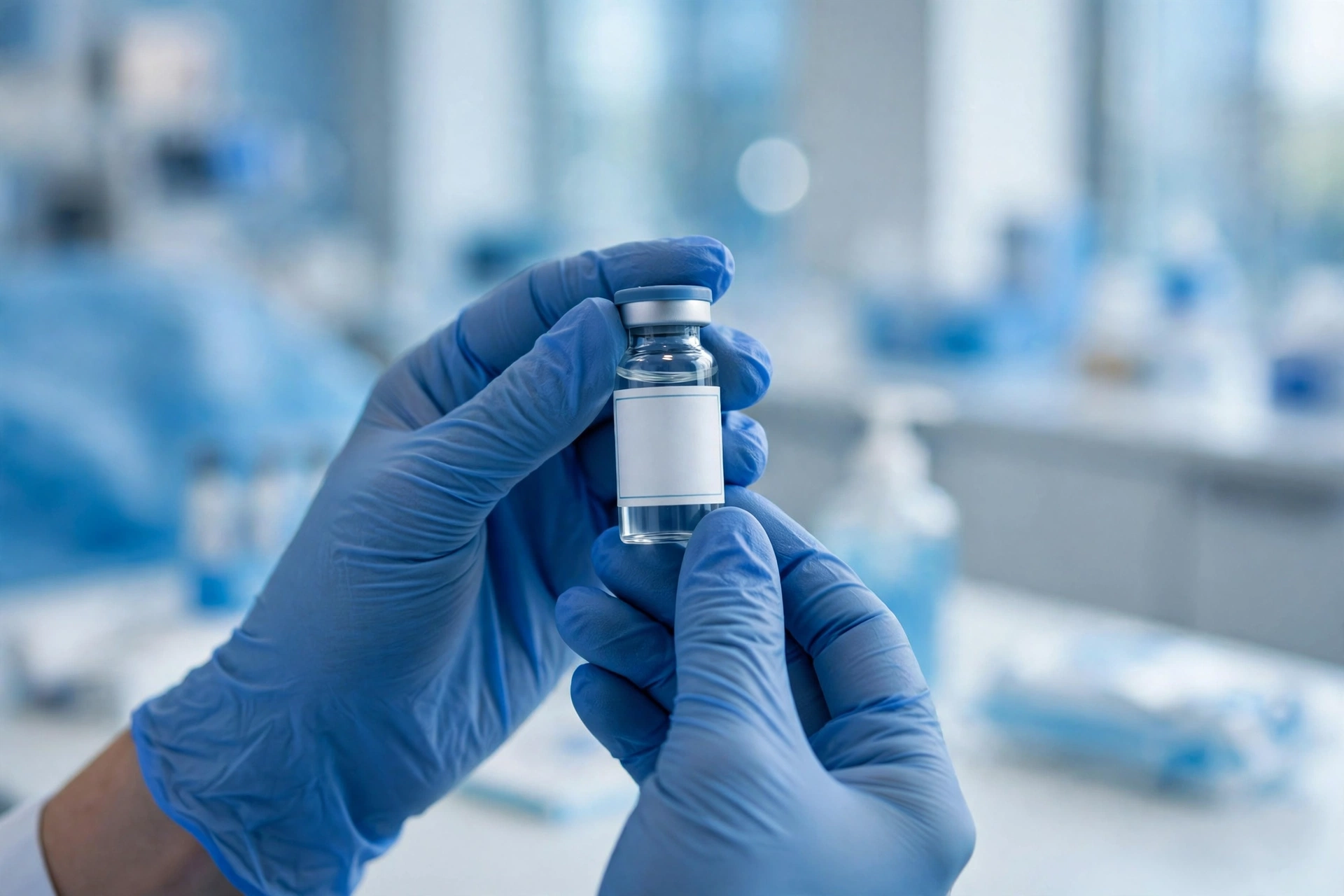
The HPV Vaccine Protects Against Oral HPV Too
The HPV vaccine (Gardasil 9 in current use) covers HPV-16 and HPV-18 — the types behind most HPV-related throat cancers — plus several other high- and low-risk types. Although the vaccine was first promoted for cervical cancer prevention, the evidence for oral protection has grown steadily:
- A systematic review found a significant decrease in vaccine-type oral HPV infections among vaccinated participants, with many developing protective antibodies in their oral fluid.
- Data presented at a major oncology meeting estimated that vaccination reduced oral HPV infection prevalence by about 88% among young adults in the United States.
- U.S. National Cancer Institute researchers have reported evidence of herd protection against oral HPV in men as female vaccination coverage rose — relevant because men carry the heaviest burden of HPV throat cancer.
Current guidance in the United States recommends routine vaccination at ages 11–12, catch-up vaccination through age 26 for those not fully vaccinated, and shared decision-making with a clinician for adults ages 27–45 who were not previously vaccinated. If you missed vaccination as a teenager, it is worth discussing with your doctor — protection against the cancer-causing types is the goal at any eligible age. Read our detailed guide on who should get the HPV vaccine for the full breakdown by age group.
For anyone weighing the oral sex HPV risk, vaccination is the single most effective protection available.
Practical Ways to Lower Your Risk
No strategy makes oral sex completely risk-free, but several measures meaningfully reduce the oral sex HPV risk:
- Get vaccinated. This is the single most effective step, and it protects against the HPV types most likely to cause cancer.
- Use barriers. Condoms for oral sex on a penis and dental dams for oral contact with the vulva or anus reduce exposure. Be aware that barriers cannot fully prevent HPV, because the virus can live on skin not covered by the barrier — but consistent use still lowers risk for HPV and other STIs.
- Limit the number of sexual partners and be aware that risk rises with each additional partner.
- Protect your mouth. Maintain good oral health, avoid oral sex when you have active mouth sores, bleeding gums, or have just had dental work, and wait at least 30 minutes after vigorous brushing or flossing.
- Do not rely on mouthwash. Laboratory studies once suggested antiseptic mouthwash might kill oral bacteria, but a randomized trial (the OMEGA study) found that daily antiseptic mouthwash did not reduce oral gonorrhea incidence — and there is no evidence it prevents oral HPV.
- Avoid tobacco and limit alcohol, both of which raise the risk of acquiring HPV infection.
- Keep up with dental visits, since dentists screen the mouth and visible throat during routine exams.
- Communicate with partners about sexual health and testing. For broader context on reducing STI risk during oral sex, see our guide to oral sex and STI risks.
Taken together, these steps address every known driver of the oral sex HPV risk.
Myths vs. Facts About Oral Sex and HPV
Clearing up misconceptions is part of managing the oral sex HPV risk. Here is what the evidence says about common claims:
| Myth | What the evidence says |
|---|---|
| “You would know if your partner had HPV.” | Oral and genital HPV are usually completely asymptomatic. Neither partner can tell by looking. |
| “Mouthwash after oral sex prevents HPV.” | No clinical evidence supports this. A randomized trial found antiseptic mouthwash did not reduce oral STI incidence. |
| “Only women need to worry about HPV.” | Men have about 3x the oral HPV prevalence and account for the large majority of HPV-related throat cancers. |
| “Oral sex is safe sex.” | It carries lower HIV risk than vaginal or anal sex, but real risks for HPV, herpes, gonorrhea, and syphilis remain. |
| “You can get tested for oral HPV at any clinic.” | There is no FDA-approved screening test for oral HPV; research-use oral-rinse tests are not for routine care. |
| “The HPV vaccine is only for teenagers.” | Catch-up vaccination is recommended through 26, and adults 27–45 may benefit after discussion with a clinician. |
Frequently Asked Questions
These are the questions readers ask most often about the oral sex HPV risk:
Can you get HPV from oral sex even once?
Yes, transmission is possible from a single exposure if the partner carries HPV, because the virus spreads through skin- and mucosa-to-mucosa contact and is often present without symptoms. That said, risk accumulates with exposure: studies show a clear dose-dependent relationship, so one encounter carries far less risk than repeated exposures with multiple partners.
Can oral HPV go away on its own?
In most cases, yes. Like genital HPV, the majority of oral HPV infections are cleared by the immune system within one to two years. Only persistent infections — particularly with high-risk types like HPV-16 — carry a meaningful risk of progressing toward cancer over many years. Factors that impair clearance, such as smoking and immune suppression, make persistence more likely.
Is there a test for oral HPV?
No. There is currently no FDA-approved screening test for oral HPV or for HPV-related throat cancer, and no clinical equivalent of the cervical Pap smear for the throat. Oral-rinse HPV tests exist only as research tools. If you have persistent throat symptoms, see a clinician or an ENT specialist rather than seeking an HPV test.
Does the HPV vaccine help if I am already sexually active?
It can. The vaccine protects against HPV types you have not yet encountered, so prior sexual activity does not make it useless — though it cannot clear an infection you already have. In the United States, catch-up vaccination is recommended through age 26, and adults ages 27–45 can consider vaccination through shared decision-making with their clinician.
Can oral HPV cause throat cancer?
Persistent infection with high-risk HPV types — overwhelmingly HPV-16 — is the main driver of oropharyngeal (throat) cancers today, accounting for about 70% of cases. When people ask about the oral sex HPV risk, this cancer link is usually what they mean. However, the absolute risk remains low: the overwhelming majority of people with oral HPV never develop cancer. The cancers that do occur typically develop years or decades after infection.
Can deep kissing transmit oral HPV?
Possibly. Several studies, including NHANES-based research, found that deep (open-mouthed) kissing was associated with higher oral HPV rates, and researchers have suggested saliva may facilitate transmission. The evidence is weaker and less consistent than for oral sex, and the CDC notes that more research is needed on exactly how oral HPV is acquired.
Does using a condom or dental dam fully prevent oral HPV?
No — but it reduces the risk. Barriers lower exposure to infected tissue and fluids during oral sex, yet HPV can live on skin around the genitals that a condom or dam does not cover, so transmission remains possible. Consistent barrier use is still worthwhile because it also protects against other STIs.
Should I avoid oral sex entirely because of HPV?
That is a personal decision, not a medical requirement. Most clinicians frame it as risk management rather than abstinence: get vaccinated, use barriers, limit partner numbers, maintain good oral health, avoid tobacco, and stay alert to persistent throat symptoms. These steps reduce the oral sex HPV risk substantially while keeping the decision in your hands.
The Bottom Line
Research has established a clear, dose-dependent link between oral sex and oral HPV infection — in other words, the oral sex HPV risk rises with exposure — and between persistent oral HPV (especially type 16) and throat cancer. The numbers that matter most: about 7% of U.S. adults carry oral HPV, men are affected about three times more often than women, risk climbs steeply with the number of partners, and roughly 70% of oropharyngeal cancers are HPV-driven. At the same time, most infections clear on their own, throat cancer remains uncommon, and the HPV vaccine offers powerful protection — including, evidence increasingly shows, in the mouth and throat. Vaccination, barriers, fewer partners, good oral health, and attention to persistent symptoms are the practical tools the science supports.
Medical disclaimer: This article is for educational purposes only and is not medical advice. It does not diagnose any condition or replace professional evaluation. HPV and its complications vary from person to person; if you have concerns about HPV, oral symptoms, or vaccination, please consult a qualified clinician or other licensed healthcare professional.