Sperm Allergy (Semen Hypersensitivity): Signs, Tests, and Options
Burning, itching, or swelling that starts shortly after sex is easy to blame on an infection — but for some people, the true culprit is far rarer and frequently missed. Understanding semen allergy matters because this condition, known medically as seminal plasma hypersensitivity (SPH), hides behind familiar diagnoses like yeast infections and STIs, delaying proper care for months or even years. Although it was long considered extraordinarily rare, newer research suggests it is underdiagnosed rather than uncommon, and recognizing it can change everything about how you and your doctor approach recurring post-sex symptoms.
This guide explains what a semen allergy is, the full range of symptoms, what scientists believe causes it, the exact tests doctors use to confirm it, the treatments available, and how it affects fertility and relationships. It is written from mainstream medical sources for education only — never a substitute for a diagnosis from your own clinician.
What Is a Sperm Allergy?
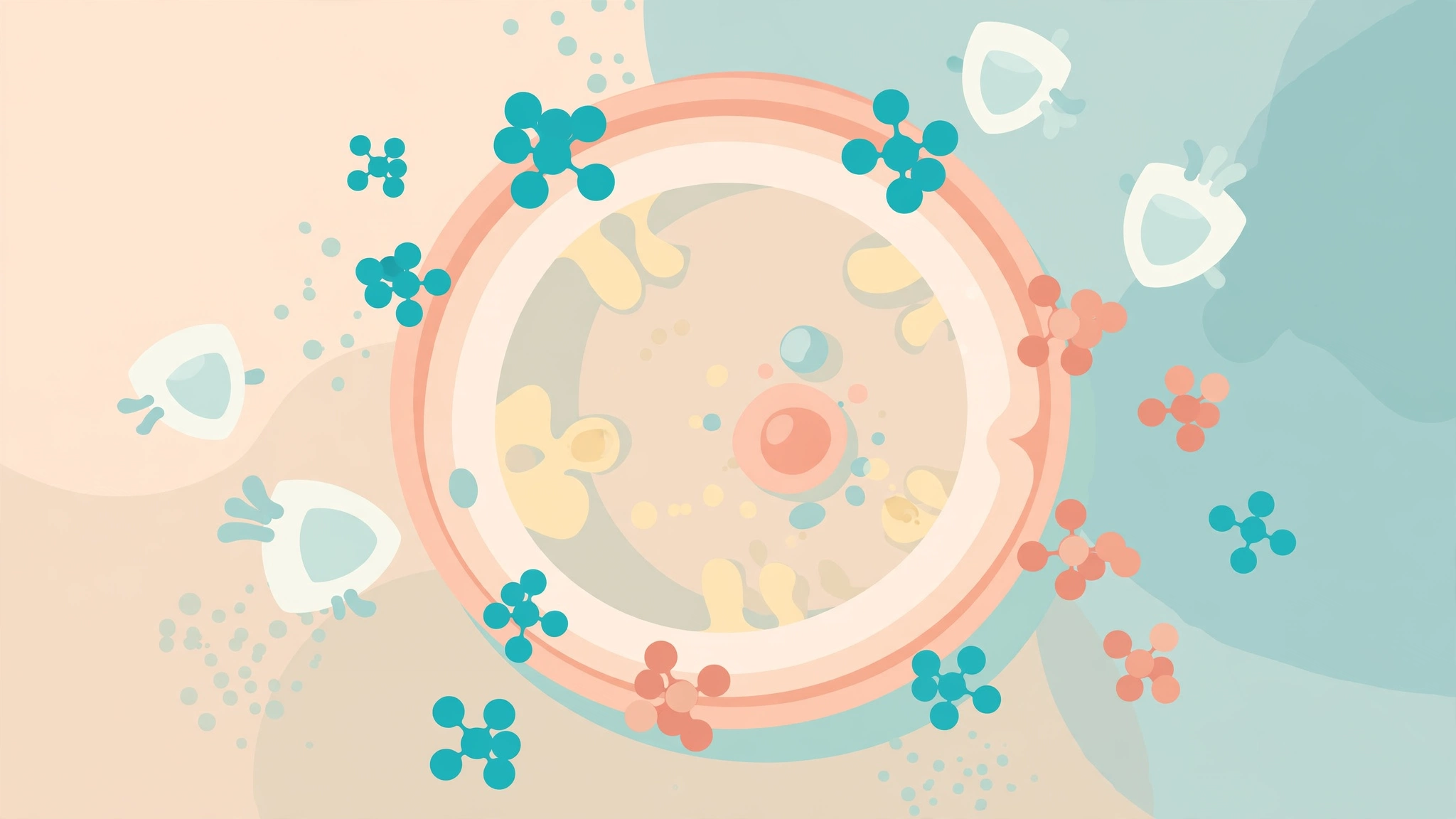
A sperm allergy — more accurately called semen allergy or seminal plasma hypersensitivity — is an immune system reaction to proteins in semen. When researchers map out semen allergy, one finding is decisive: the sperm cells themselves are almost never the trigger. The main allergen is prostate-specific antigen (PSA), a glycoprotein in the seminal plasma — the fluid that carries sperm — rather than in the sperm themselves.
Medically, SPH is a type I (IgE-mediated) hypersensitivity reaction, the same immune category as hay fever, peanut allergy, and cat allergy. When semen contacts skin or mucous membranes, the immune system of a sensitized person releases histamine and other inflammatory mediators, producing symptoms within minutes to an hour. It was first documented in 1967, when a woman was hospitalized after a severe allergic reaction following intercourse.
For decades, fewer than 100 cases appeared in the medical literature, and the condition was considered vanishingly rare. But an influential study by allergist Jonathan Bernstein found that among women reporting postcoital symptoms, nearly 12% could be classified as having probable SPH. A 2024 study reinforced this finding, suggesting the condition is both more common and more commonly misdiagnosed than previously believed — many cases go unreported because people feel embarrassed discussing sex-related symptoms, and because clinicians default to treating recurring infections.

Semen Allergy Symptoms: What to Watch For
The most useful clue in understanding semen allergy is the timing: symptoms begin shortly after semen contact — usually within minutes, sometimes up to an hour — and do not occur when exposure is avoided. Reactions fall into two patterns: localized and systemic.
Localized symptoms
- Burning or stinging sensation in or around the vagina, often starting during or immediately after intercourse
- Itching of the vulva or perineal skin
- Redness and swelling of the vulvar tissues
- Deep vaginal pain or rawness that can linger for hours or days
- A localized rash or small blisters on skin that contacted semen
Systemic (whole-body) symptoms
A smaller proportion of people experience a widespread response beyond the genital area:
- Hives (raised, itchy welts), sometimes far from the contact site
- Generalized itching and a runny or congested nose
- Chest tightness, wheezing, or shortness of breath
- Dizziness or faintness
- Nausea, vomiting, or diarrhea
- In rare cases, anaphylaxis — a life-threatening reaction with throat swelling, difficulty breathing, a sudden drop in blood pressure, or loss of consciousness
Most localized symptoms improve within about 24 hours, though some linger for days or weeks. A revealing diagnostic clue: symptoms consistently disappear when condoms are used. If post-sex discomfort vanishes with barrier protection, an allergy to semen should be on your doctor’s differential list.
What Causes a Sperm Allergy?
Doctors do not fully understand why some people develop this sensitivity, but research on semen allergy points to several drivers:
- Immune reaction to seminal plasma proteins. The immune system mistakenly identifies PSA and other seminal plasma glycoproteins as invaders and produces IgE antibodies against them. On re-exposure, these antibodies trigger rapid histamine release.
- General allergy predisposition. People who already have eczema, asthma, hay fever, or food allergies appear more vulnerable to developing a widespread reaction, suggesting an atopic background plays a role.
- Cross-reactivity. Some semen proteins structurally resemble allergens elsewhere. Can f 5, a protein in male dog dander, resembles human PSA — so a person allergic to dogs may also react to semen. Trace food proteins in a partner’s semen have likewise triggered reactions in people with food allergies.
- New or different partners. A reaction can begin with the very first sexual encounter, appear suddenly in a long-term relationship, or start after a new partner — because each person’s semen carries a slightly different protein profile.
- Hormonal shifts. Hormonal changes during the menstrual cycle or after pregnancy may modulate immune responsiveness, influencing when symptoms first appear or how severe they are.
- Non-seminal lookalikes. Not every post-sex reaction is semen itself. Latex condoms, lubricants, spermicides, and even residual detergents can provoke nearly identical symptoms — a major source of diagnostic confusion.
Importantly, a sperm allergy is not contagious, is not an STI, and is not caused by poor hygiene. It is also distinct from antisperm antibodies, an immunological factor involved in some infertility cases that does not cause immediate allergic symptoms.
Conditions Often Confused With a Sperm Allergy
One of the biggest gaps in coverage of this topic is how often the condition is mistaken for something else. Many people spend years receiving repeated courses of antifungals or antibiotics before anyone considers an allergy. The table below compares the most common lookalikes:
| Condition | Typical Pattern | Key Distinguishing Clue |
| Seminal plasma hypersensitivity | Burning, itching, swelling within minutes of semen contact | Symptoms disappear when condoms are used |
| Yeast infection (thrush) | Intense itching, thick white discharge | Not tied to intercourse timing; responds to antifungals. See our guide on recurrent yeast infections and their causes. |
| Bacterial vaginosis (BV) | Thin discharge with a fishy odor | Odor and discharge persist regardless of sex; diagnosed with a swab test |
| STIs (chlamydia, gonorrhea, trichomoniasis) | Discharge, burning during urination, pelvic pain | Symptoms persist between encounters; confirmed by lab testing, not by timing after sex |
| Latex condom allergy | Burning and redness where the condom touched | Occurs only with latex products; switching to non-latex condoms resolves it |
| Lubricant or spermicide sensitivity | Burning or irritation with specific products | Tracks the product, not the semen; a body-safe lubricant eliminates it |
| Vulvodynia | Chronic vulvar pain without an identifiable cause | Pain is not tied to semen exposure and occurs in other contexts too |
| Post-orgasmic illness syndrome (POIS, in men) | Flu-like fatigue, headache, brain fog after ejaculation | Affects the man himself after orgasm; may represent an allergy to his own semen |
If you have been treated repeatedly for infections that never fully resolve, bring this comparison to your appointment — it gives your clinician a structured starting point.
How Doctors Diagnose a Sperm Allergy
Because no single blood test definitively diagnoses SPH, the workup for a semen allergy is stepwise:
- Detailed sexual and medical history. Your clinician will ask about the timing of symptoms, whether they occur with every partner, whether condoms prevent them, and whether you have other allergies.
- The condom test. A practical at-home step many allergists recommend: use a non-latex condom for intercourse several times. If symptoms vanish completely, semen allergy becomes much more likely. (Latex-free matters, because a latex allergy could otherwise muddy the result.)
- Ruling out infections. Swabs and urine tests check for yeast, BV, chlamydia, gonorrhea, and trichomoniasis, which must be excluded first.
- Skin prick testing with the partner’s semen. In an allergy clinic, a drop of the partner’s semen (or diluted seminal plasma) is applied to the forearm with a tiny prick. A raised, itchy wheal indicates sensitization.
- PSA-specific IgE blood testing. Some centers test for IgE antibodies against prostate-specific antigen, the leading candidate allergen.
- Testing with washed spermatozoa. Testing against sperm cells washed free of seminal plasma helps confirm the trigger is the fluid, not the sperm — useful when fertility treatment is being planned.
Because partner semen samples are involved, testing is usually coordinated through an allergist or immunologist, often alongside an OB-GYN or fertility specialist.

Treatment Options: What Doctors Recommend
There is no permanent cure, but several evidence-backed strategies manage a semen allergy effectively. Your clinician will tailor the plan to your symptom severity and whether you are trying to conceive:
- Avoidance with condoms. For couples not trying to conceive, barrier protection — ideally non-latex, to exclude a second allergy — is the simplest and most effective approach.
- Pre-treatment with antihistamines. For mild symptoms, some allergists recommend taking an antihistamine before anticipated exposure, which can blunt itching and swelling. Topical anti-inflammatory creams may also calm localized skin reactions.
- Graded desensitization. In a specialist clinic, the body can be desensitized through intravaginal graded challenge — exposure to progressively less-diluted seminal plasma under supervision — or through subcutaneous immunotherapy. This approach works best for systemic reactions. One underappreciated detail: desensitization must be maintained with regular exposure — allergists note that continued frequent intercourse helps keep tolerance from fading.
- Emergency planning for severe reactions. Anyone who has had a systemic reaction or anaphylaxis should discuss an adrenaline auto-injector prescription with their doctor, plus a written action plan: recognize throat tightness or breathing difficulty, use the auto-injector, and seek emergency care immediately.
- Assisted reproduction. When natural exposure remains too risky or conception is the goal, intrauterine insemination (IUI) with washed sperm removes the allergenic plasma proteins before placement. In more severe cases, in vitro fertilization (IVF) or intracytoplasmic sperm injection (ICSI) bypasses the trigger entirely.
According to the Cleveland Clinic, semen allergy does not itself cause infertility, though it can make conception difficult — and assisted options exist for couples in that situation. Mayo Clinic staff similarly note, in their semen allergy FAQ, that desensitization treatment may allow pregnancy to occur naturally, and that IUI or IVF are options when sensitivity is severe.
Can You Get Pregnant With a Sperm Allergy?
Yes. A semen allergy is not a direct cause of infertility, and many people with SPH conceive successfully. For couples weighing a semen allergy diagnosis against family plans, the practical obstacles are behavioral and immunological: avoiding semen prevents conception too, and severe reactions make unprotected intercourse unsafe.
Options include desensitization under an allergist’s care, IUI using sperm washed free of seminal plasma proteins, and IVF or ICSI for severe cases. Because treatment choices interact with fertility plans, couples benefit from a coordinated team — an allergist, an OB-GYN, and, when needed, a fertility specialist.
Sperm Allergy and Your Relationship
The emotional side of this condition gets far less attention than the medical side. Painful or frightening reactions after intimacy breed anxiety around sex: some people avoid intercourse altogether, partners may quietly blame themselves, and communication stalls under embarrassment. Surveys have found that a significant share of symptomatic women never raised the issue with a doctor at all.
A few practical steps help couples navigate it together:
- Name it early. Tell your partner what you are experiencing and that it is about a semen allergy, not rejection. Framing it as “my immune system reacts to a protein” removes the sting of unexplained avoidance.
- Go to appointments together. When both partners hear the diagnosis and the plan from the clinician, the allergy stops being one person’s private burden.
- Protect intimacy during treatment. While avoiding unprotected sex, couples can maintain closeness through non-penetrative intimacy — desensitization or assisted conception plans work better when the relationship feels connected, not suspended.
- Address the anxiety directly. If fear of a reaction is shrinking your sex life, a few sessions with a therapist experienced in sexual health can help.
FAQs
How do I know if I am allergic to sperm or just have an infection?
The strongest home clue is timing plus the condom test. Infections cause itching and discharge that persist regardless of when you had sex and respond to treatment. In sperm allergy symptoms causes, timing is decisive: symptoms start within minutes to an hour after semen contact and disappear when non-latex condoms are used. If ruled-out infections keep returning after intercourse, ask your doctor about allergy testing.
Can a sperm allergy develop suddenly after years without problems?
Yes. Some people react from their first sexual encounter, but many develop symptoms later — after a new partner, suddenly in a long-term relationship, or around hormonal shifts. Research suggests many women first notice symptoms in their early thirties. A change in a partner’s semen protein profile or your own immune sensitivity can trigger sensitization at any point.
Can men be allergic to their own semen?
In rare cases, yes. Some men experience post-orgasmic illness syndrome (POIS) — flu-like fatigue, headache, and brain fog after ejaculation — which researchers believe may be an autoimmune or allergic reaction to their own seminal plasma. Skin testing with a man’s own semen can yield a positive result. Men with these symptoms should see a urologist or allergist.
Is there a cure for semen allergy?
There is currently no permanent cure. Management focuses on avoiding exposure with condoms, reducing symptoms with antihistamines, or undergoing graded desensitization with an allergist, which can produce lasting tolerance as long as exposure is maintained regularly. For couples trying to conceive, IUI with washed sperm or IVF bypasses the allergen. With proper management, most people control their symptoms effectively.
Can you be allergic to semen from swallowing it?
Yes. Some people report allergic reactions when semen contacts the skin of the lips or the mucous membranes of the mouth and throat — including itching, swelling, or hives. Anyone experiencing oral symptoms should discuss them with an allergist, since systemic reactions can escalate and an emergency plan may be needed.
When should I see a doctor about post-sex symptoms?
See a clinician if burning, itching, swelling, or hives consistently follow semen contact, or if infections have been ruled out but symptoms persist. Bring notes on timing and condom-test results to shorten the diagnostic journey. Seek emergency care immediately for signs of anaphylaxis: swelling of the lips, tongue, or throat, difficulty breathing, faintness, or confusion.
If you recognize yourself in this guide, talk to your doctor — ideally an allergist. You can also explore our related guides on post-sex symptoms to understand the full picture before your appointment.
Medical disclaimer: This article is for educational purposes only and is not medical advice. Sperm allergy symptoms causes can only be evaluated and diagnosed by a qualified healthcare professional through proper testing. Do not start desensitization, antihistamine regimens, or fertility treatments on your own — consult your doctor or an allergist to determine the right approach for your situation.