Hormonal Birth Control and Mood: What Women Should Know
Millions of women rely on hormonal contraception every day, and a significant number notice something their clinician never warned them about: a shift in how they feel emotionally. If you have experienced birth control mood changes, you are far from alone. Mood-related symptoms rank among the most common reasons women stop or switch their method, yet they remain one of the least openly discussed side effects in the exam room.
So does hormonal birth control actually change your mood? The honest answer is more nuanced than a simple yes or no. Large population studies show a real, measurable link for some women, while controlled trials suggest most users notice no meaningful change, and some even feel better. This guide covers what the research says, who is most vulnerable, how different methods compare, and exactly what to do if your mood shifts.

What Birth Control Mood Changes Feel Like
Women describe birth control mood changes in a few recognizable patterns:
- Emotional flattening. Feeling less reactive to good and bad news alike, as though the volume on emotions has been turned down.
- Irritability. Snapping over small things that would normally roll off, or a low simmer of frustration through the day.
- Tearfulness. Crying more easily or feeling overwhelmed by minor setbacks.
- Low motivation and mental fog. Dragging through routine tasks, struggling to concentrate, or losing interest in hobbies and plans.
- Anxiety or restlessness. A background hum of worry or trouble winding down at night without a clear cause.
- Persistent low mood. Feeling sad, empty, or hopeless on most days, which can overlap with clinical depression.
These experiences exist on a spectrum. Many women notice mild, temporary shifts that settle within a few months. A smaller group finds the changes severe enough to affect work or relationships. Both experiences are valid, and neither should be dismissed.
What the Research Actually Shows
The science here is genuinely mixed, and understanding why helps you read headlines without panic or false reassurance.
Large observational studies have repeatedly found an association between hormonal contraceptive use and depression-related outcomes. The most cited is a Danish nationwide cohort following more than one million women and girls: contraceptive users were more likely to be prescribed an antidepressant or receive a first depression diagnosis than non-users, with the strongest signal among teenagers and users of progestin-only products. A 2023 population cohort added that the elevated risk concentrates in the first two years of use.
Randomized controlled trials, the gold standard of medical evidence, tell a calmer story. A 2021 systematic review and network meta-analysis of randomized trials concluded that hormonal contraceptives did not cause more depressive symptoms than placebo across the groups studied.
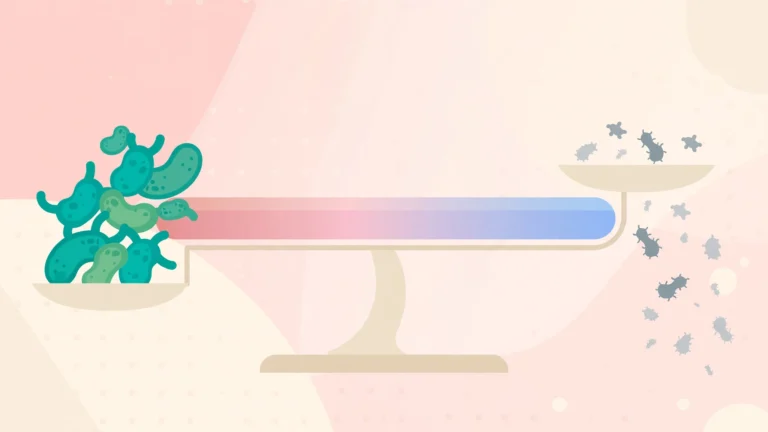
Both can be true. Trials average results across whole groups, which can wash out effects that only occur in susceptible subgroups. There is also a “healthy user” effect: women who feel worse tend to stop, so long-term user groups are enriched with women who tolerate the method well. Finally, researchers distinguish clinical depression, a diagnosable disorder, from mood changes and depressed feelings, which are real and distressing but harder to measure in trials.
The practical takeaway: for most women hormonal contraception appears mood-neutral, while a meaningful minority experiences genuine birth control mood changes.
Why Hormonal Contraception Can Affect Mood
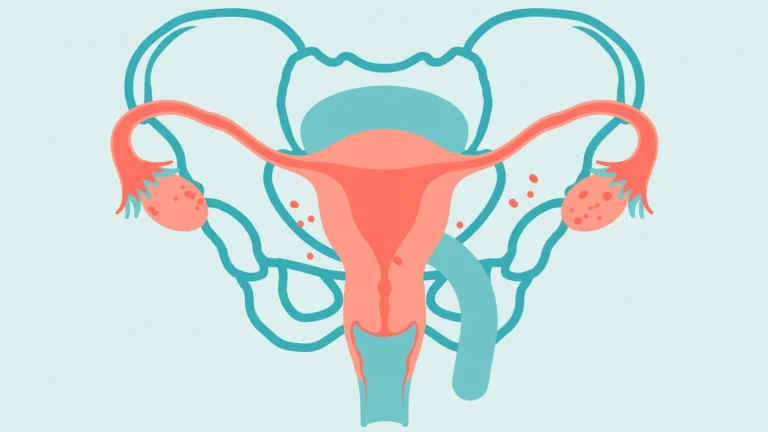
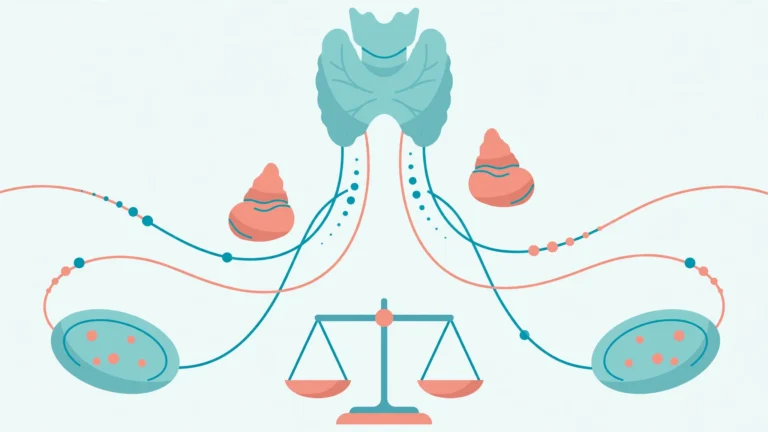
The synthetic estrogen and progestin in hormonal contraceptives do not stay confined to the reproductive system. They act on receptors throughout the brain, including regions that process emotion, and interact with the chemical systems that regulate mood. Proposed mechanisms include:
- Neurotransmitter shifts. Sex hormones influence serotonin, dopamine, and GABA, the chemicals that stabilize mood, motivation, and calm. Some brains adapt easily; others do not.
- Negativity bias. Some studies find contraceptive users react more strongly to negative emotional cues or interpret neutral expressions more negatively.
- Blunted reward response. Evidence suggests hormonal contraceptives may dampen the brain’s reward circuitry in some women, which can feel like reduced pleasure from normally enjoyable activities.
- Stress-response disruption. Hormonal shifts may leave some users more reactive to everyday stressors or slower to recover from them.
- Altered GABA signaling. Contraceptive hormones change levels of neuroactive hormone metabolites that modulate GABA receptors, which govern anxiety and emotional regulation. Women already sensitive to their natural cycle fluctuations may be most affected.
No single mechanism explains every woman’s experience; sensitivity likely reflects a mix of genetics, brain chemistry, and personal history.
Who Is Most at Risk of Mood Side Effects
Research has identified groups that appear more vulnerable:
- Adolescents and young women. Teenage users show higher rates of depression and antidepressant use than adult users in multiple studies. The developing brain may be more sensitive to hormonal influence.
- Women with a history of depression. Adverse mood effects are most consistent in women with prior depressive symptoms or previous negative experiences with hormonal contraception.
- Women with severe premenstrual symptoms or PMDD. Responses split: some improve as contraception flattens hormonal swings, while others worsen. Prior cycle sensitivity is worth mentioning to your clinician.
- Women with certain coexisting conditions. A Swedish study found young contraceptive users with ADHD had a markedly higher depression risk than users without it.
- New users in the first two years. The elevated-risk window is concentrated early, so deliberate mood monitoring matters most in this period.
Belonging to one of these groups does not rule out hormonal contraception. It means choosing the method thoughtfully and watching for birth control mood changes closely in the early months.
Mood Risk by Method: Pill, Patch, Ring, Shot, Implant, and Hormonal IUD
Does the type of hormonal contraception matter for mood? The evidence suggests it does. If you are still choosing a method, our guide comparing birth control methods walks through effectiveness, convenience, and side effects side by side; here is how birth control mood changes compare by method.
Combined pills, patch, and ring. These deliver estrogen plus progestin systemically, and the evidence on mood is the most mixed: some studies find no increased depression risk, others do. Different progestin types and doses may carry different profiles, and if one combined formulation causes mood problems, switching to another is reasonable before abandoning hormonal methods.
Progestin-only pills. In the large Danish cohort, progestin-only products were linked to a higher likelihood of depression diagnosis and antidepressant prescribing than combined products, particularly among adolescents. Many women still use them without mood effects, and they remain the standard option for those who cannot use estrogen.
The shot. The three-month injection delivers a high progestin dose, and mood changes and depression are listed among its known possible effects. Because each injection lasts months, side effects cannot be reversed quickly, so mood-sensitive women may prefer a method that stops immediately.
The implant. The progestin-releasing rod works for up to three years; mood changes are listed as possible but usually temporary side effects. It can be removed at any time, an advantage over the shot.
The hormonal IUD. Levonorgestrel IUDs act mostly locally in the uterus at a fraction of the hormone dose found in pills, and many clinicians suggest them first for women sensitive to systemic hormones. Mood changes are still reported by some users, and NHS sexual health guidance lists them among possible side effects while noting the evidence for a definitive link remains limited. See the NHS overview of the hormonal IUD for a balanced summary.
When Birth Control Actually Improves Mood
For many women, hormonal contraception improves psychological wellbeing. Women with severe PMS or PMDD often feel dramatically better once contraception flattens hormonal fluctuations, replacing a monthly mood crash with a steadier baseline. Some studies have found improved depression scores among certain contraceptive users versus non-users.
There is also the underappreciated benefit of reliable contraception itself. For women who would find an unintended pregnancy deeply distressing, effective birth control removes a constant background anxiety. That relief is a genuine psychological gain, and it is one reason blanket statements in either direction fail: the same pill that destabilizes one woman’s mood may be why another finally feels like herself.
The 8-Week Mood-Tracking Protocol
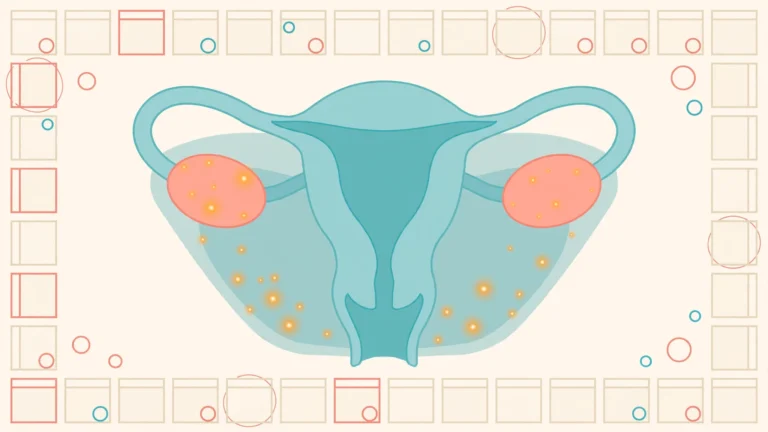
Most articles skip the practical question: how do you find out whether you are experiencing birth control mood changes? Memory is unreliable, so keep a simple daily log for eight weeks after starting or switching a method.
Each evening, rate these five items from 1 to 5: overall mood, irritability, anxiety or restlessness, motivation and concentration, and last night’s sleep quality. Add one line of notes about anything notable, such as a stressful day or where you are in your pill pack. A phone notes app is fine.
Give your body an adjustment window: mild symptoms in the first two to three months often settle. But watch for patterns rather than single bad days. A downward trend across weeks, symptoms clustering in specific pill-pack weeks, or scores clearly worse than your pre-contraception baseline are all signals worth bringing to your clinician. And trust your own perception: women’s subjective reports of mood change deserve to be taken seriously even when averaged trial data looks reassuring.
Contact your clinician promptly, not at the next annual visit, if low mood or anxiety persists most days for more than two weeks, if symptoms are worsening after the first couple of months, or if they are interfering with work, school, or relationships.
Treating Depression While on Birth Control
You do not have to choose between contraception and mental-health treatment. Depression and anxiety can be treated while you continue hormonal contraception, and many women do both successfully.
Commonly prescribed SSRI antidepressants generally do not reduce the effectiveness of hormonal birth control, so needing an antidepressant does not automatically mean giving up your method. Interactions still deserve a clinician’s review in both directions: some anti-seizure medicines and mood stabilizers can make hormonal contraception less effective, while hormonal contraception can lower blood levels of certain medicines, including the mood stabilizer lamotrigine. Never adjust doses on your own.
One interaction catches many women off guard: the herbal supplement St. John’s Wort, often taken for low mood, can reduce the effectiveness of hormonal contraceptives. Because it is sold over the counter, many users never think to mention it. Tell your clinician and pharmacist about every supplement you take. Birth control mood changes and depression-related low sex drive also frequently travel together, so mention both if they appeared after starting contraception; they may share a cause. If an antidepressant is part of your picture, our article on antidepressants and sex drive covers another common side effect worth discussing with your doctor.
Lifestyle measures support emotional resilience alongside any medical plan: regular sleep, daily movement, and a nutrient-rich diet. Some clinicians note that hormonal contraception may lower levels of nutrients involved in mood regulation, such as B vitamins, magnesium, and zinc; a varied whole-foods diet is a reasonable step, and supplementation should be discussed with your clinician rather than self-prescribed.
Non-Hormonal Alternatives Worth Knowing
If hormonal methods do not suit you, effective non-hormonal options exist:
- The copper IUD. Hormone-free, over 99% effective, and lasts up to a decade. It can make periods heavier for some women, but leaves your natural hormonal cycle untouched.
- Barrier methods. Condoms, diaphragms, and cervical caps involve no hormones; condoms add STI protection no hormonal method provides.
- Fertility awareness methods. Tracking temperature, cervical mucus, and cycle timing to identify fertile days. Highly effective when taught well and used consistently, but effectiveness drops with inconsistent practice.
Switching methods is normal. A large share of users try more than one method before finding their fit, and birth control mood changes are one of the most common reasons for switching.
What to Tell Your Doctor Before You Start
A short, honest history at the prescribing visit can steer you toward a better first choice. Mention any personal or family history of depression, anxiety, or bipolar disorder; how your mood normally behaves across your cycle, especially severe premenstrual symptoms; any previous bad experience with a hormonal method and exactly what you felt; all medicines and supplements you take, including St. John’s Wort; and whether reliable pregnancy prevention is itself a major source of anxiety relief for you.
The Mayo Clinic’s overview of combination birth control pills lists depression and severe mood swings among the symptoms that warrant contacting your clinician promptly, a useful reference for what counts as “call now” versus “watch and wait.”
When to Seek Help Right Away
Most contraception-linked mood changes are uncomfortable rather than dangerous. But some symptoms are urgent regardless of cause: thoughts of harming yourself or others, or feeling that life is not worth living; severe depression that appears suddenly or escalates rapidly after starting or changing a method; inability to work, attend school, or carry out daily activities because of your mood; or signs of mania, such as racing thoughts or a drastically reduced need for sleep.
If you experience any of these, contact your clinician immediately, call your local emergency number, or reach a crisis helpline. In the United States, you can call or text 988. Do not wait for your next scheduled appointment.

Frequently Asked Questions
Can birth control cause depression?
Hormonal birth control can contribute to depression or mood changes in some women, but it is not a common or inevitable outcome. Large observational studies show a modest increase in depression diagnoses and antidepressant use among users, especially teenagers and those on progestin-only methods, while randomized trials generally find no average mood difference versus placebo. The effect appears individual: a susceptible minority experiences real mood effects, while most women notice little or no change.
How long do mood changes last after starting birth control?
Mild birth control mood changes in the first two to three months often settle as the body adjusts. If symptoms persist beyond three months, are worsening rather than easing, or interfere with daily life, talk to your clinician about switching methods rather than waiting it out.
Which birth control is least likely to affect mood?
No method is guaranteed mood-neutral, but hormonal IUDs are often suggested first for mood-sensitive women because they act mainly locally with far lower systemic hormone levels than pills. Non-hormonal options, particularly the copper IUD, remove hormonal mood effects entirely. Discuss your history with your clinician to choose.
Can I take antidepressants while on birth control?
Yes, in most cases. Common SSRI antidepressants do not reduce the effectiveness of hormonal contraception. Some other medicines, including certain anti-seizure drugs and mood stabilizers, can interact in either direction, and St. John’s Wort can make hormonal contraception less effective. Review your full medicine and supplement list with your clinician.
Will my mood go back to normal if I stop birth control?
For most women, contraception-linked mood symptoms improve after stopping, typically within weeks to a few months as natural cycles resume. The timeline varies by method: the pill usually allows quick cycling recovery, while the shot can take many months to wear off. If low mood persists long after stopping, it deserves its own evaluation.
Should I stop birth control immediately if I feel depressed?
Do not stop abruptly without a plan, since you would lose pregnancy protection and may misread what is happening. Instead, contact your clinician promptly, describe what you feel and when it started, and discuss switching methods, adding treatment, or stopping. If you are having thoughts of harming yourself, seek emergency help immediately.
This article is for educational purposes only and is not medical advice. It does not diagnose any condition or replace personalized guidance from a qualified healthcare professional. Contraceptive choices and mental-health treatment should always be made with your clinician. If you are experiencing thoughts of suicide or self-harm, contact your local emergency number or a crisis helpline right away.