Perimenopause in Your 40s: Early Signs and What to Do About Them
Perimenopause symptoms in your 40s often start subtly: if something feels ‘off’ — your sleep is lighter, your patience is thinner, your cycle has a mind of its own — you may be noticing some of the earliest signs. This guide walks through the complete checklist, explains why these changes happen, and shows what actually helps.
Most women expect hot flashes to announce the menopause transition, but the first clues are often subtler: a cycle that arrives a few days early, a mid-afternoon fog you can’t shake, or a mood swing that doesn’t match the day you’re having. This guide walks through the complete picture — what perimenopause is, the full range of early perimenopause symptoms, what to do about them, and when it’s time to talk to your doctor.
What Is Perimenopause?
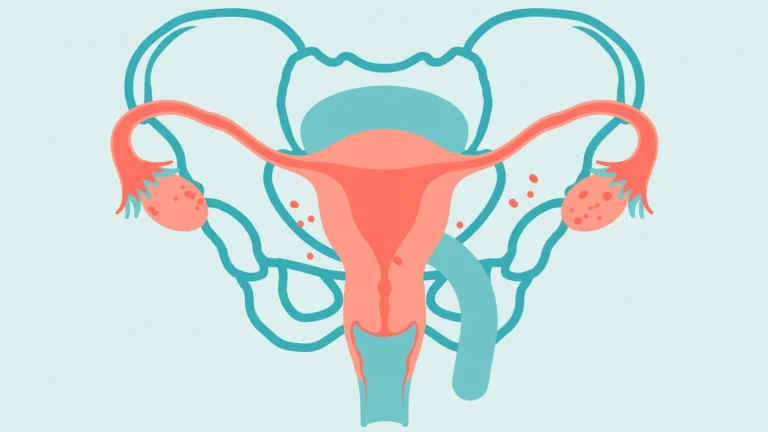
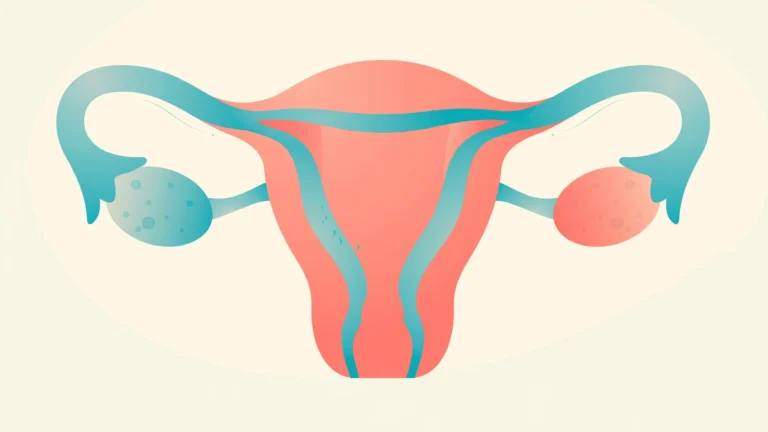
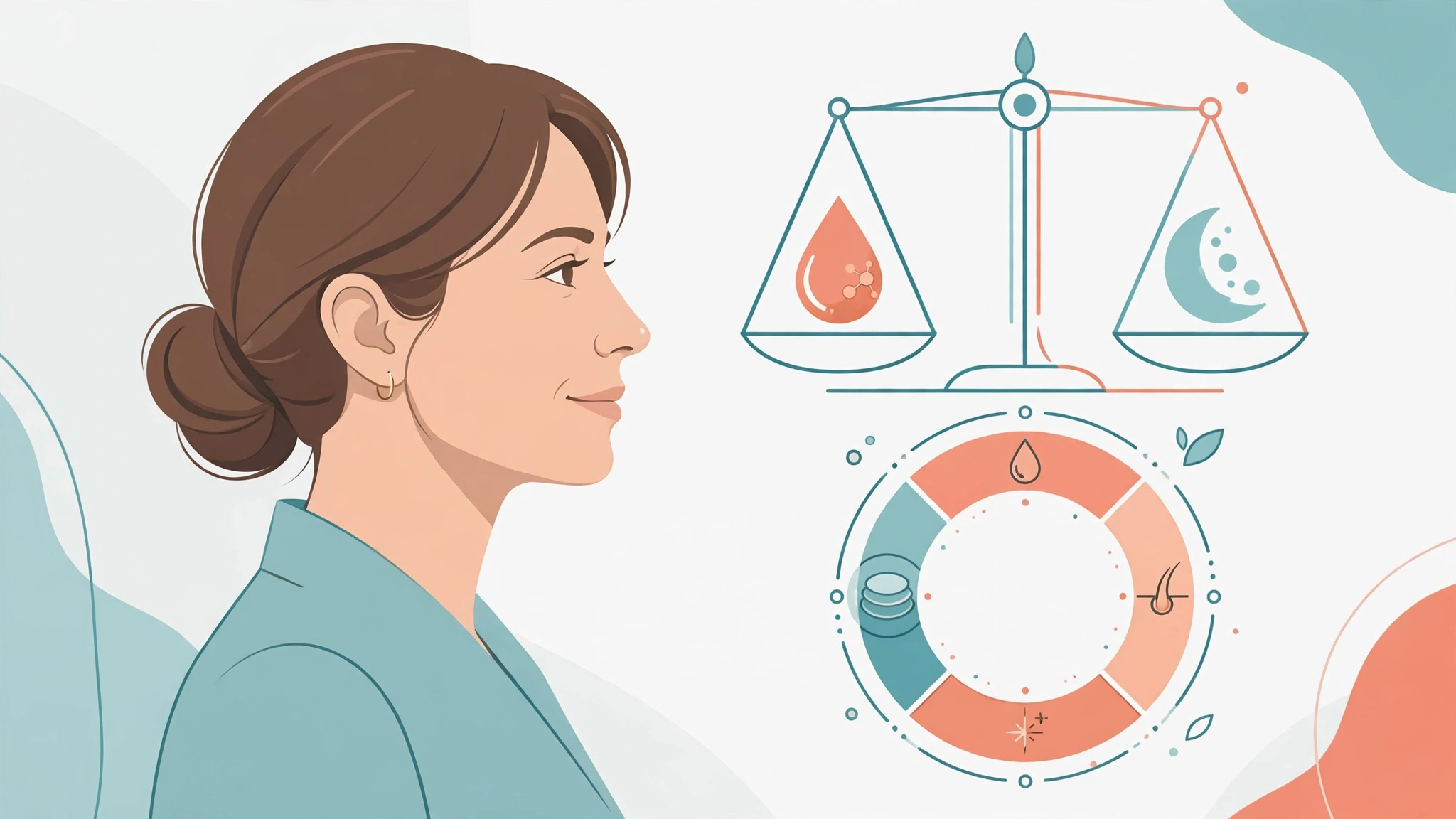
Perimenopause — the menopause transition — is the phase when your ovaries gradually begin producing less estrogen and progesterone, and hormone levels fluctuate unpredictably. It starts years before your final period and ends 12 months after it, the point at which you officially reach menopause. This hormonal shift is what triggers the wide range of perimenopause symptoms.
Most women begin noticing perimenopause symptoms in their 40s rather than later, which is why recognizing them early matters. Learning to spot perimenopause symptoms early gives you more options for managing them. The transition usually begins in the mid-40s, though it can start in the late 30s, and on average it lasts about four years — though some women move through it in months and others over a decade. According to the Mayo Clinic, nearly 90% of people going through perimenopause experience at least some menopause-type symptoms.
It helps to keep the terminology straight. Premenopause is the stretch of reproductive life before the transition begins — regular cycles, no menopause-related symptoms. Perimenopause is the transition itself, with fluctuating hormones and irregular cycles. Menopause is confirmed looking backward: after 12 consecutive months without a period, assuming you are not using hormonal contraception.
Why Perimenopause Symptoms in Your 40s Are So Easy to Miss
Early perimenopause flies under the radar for a simple reason: the symptoms arrive out of order and in disguise. Only a small share of women in their late 30s even ask their doctors about the menopause transition, and many don’t connect the dots until their 50s — even though the hormonal shift likely began around 40, which is why perimenopause symptoms in your 40s deserve attention even when they seem vague. Three things conspire to hide it:
- The psychological symptoms often come first. Research surveys show mood and cognitive symptoms — irritability, anxiety, trouble focusing — peak in early perimenopause, often while periods are still regular. The NHS lists these among the transition’s common symptoms. Because of this, many women assume they are simply stressed, burned out, or developing an anxiety disorder.
- Hormone tests can be misleading. Estrogen and FSH levels swing dramatically day to day during perimenopause, so a single blood test can look perfectly normal even when the transition is underway. From about age 45, clinical guidelines advise doctors to diagnose perimenopause from age, cycle history, and symptoms rather than relying on hormone tests.
- The symptoms mimic other conditions. Fatigue, mood changes, brain fog, and weight gain overlap heavily with thyroid problems, anemia, depression, chronic stress, and poor sleep. A doctor’s job is to sort these out — more on that below.
The Early Perimenopause Symptoms in Your 40s: A Complete Checklist
No two women experience the same set, but this is the full roster clinicians watch for as perimenopause symptoms emerge:
Changes to your menstrual cycle
For most women, the first physical sign is a change in periods: cycles that arrive a few days earlier than usual (often the first change, as progesterone starts declining), then later become longer, heavier, lighter, or skipped entirely. Spotting between periods can also occur. Because hormones rise and fall unevenly, the pattern can differ month to month. Cycle changes are often the very first perimenopause symptoms women notice.
Sleep disruption
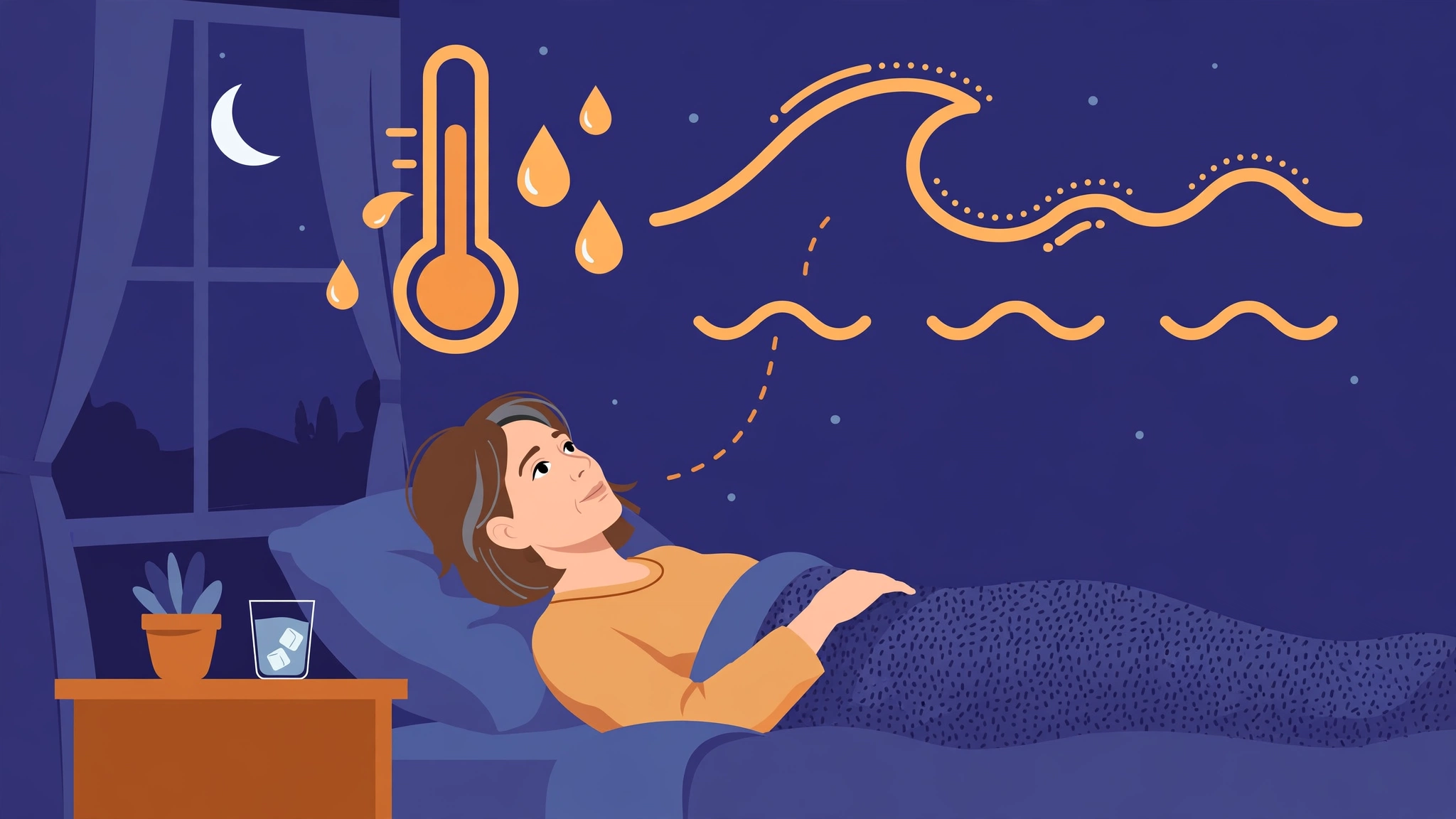
Waking at 3 a.m., tossing restlessly, or rising exhausted despite a full night in bed are classic early signs, affecting up to nearly half of perimenopausal women. Among perimenopause symptoms in your 40s, disrupted sleep is often the first symptom tied to falling progesterone, which supports restful sleep. Night sweats may join later, but early on, poor sleep often arrives alone. Night sweats and insomnia rank among the most disruptive perimenopause symptoms.
Hot flashes
Sudden, brief waves of heat in the face, neck, and chest — sometimes with sweating, flushing, or a rapid heartbeat — are the most recognized symptom. They affect around 80% of women at some point in the transition and are the most recognized perimenopause symptoms, typically emerging more strongly through the mid-to-late 40s. For many women, hot flashes are the most recognizable of all perimenopause symptoms.
Mood changes, anxiety, and irritability
Estrogen helps regulate serotonin and dopamine, the brain chemicals behind mood. When estrogen fluctuates, women with no prior anxiety history can develop it, and low mood can deepen into perimenopausal depression — the symptom most often misattributed to ‘just stress.’ Mood-related perimenopause symptoms often improve once hormones stabilize.
Brain fog and trouble concentrating
Forgetting words mid-sentence, losing your train of thought, or feeling mentally ‘cloudy’ is one of the most reported — and most alarming — signs. Women frequently fear it means early cognitive decline, but imaging research shows the brain changes during perimenopause are largely transient. Knowing that these perimenopause symptoms have a hormonal basis keeps panic at bay. Like other perimenopause symptoms, brain fog usually lifts after the transition.
Lower sex drive and changes in intimate comfort
Declining estrogen can reduce desire, arousal, and sexual response, while thinning vaginal tissues cause dryness or discomfort. Many women blame the relationship rather than hormones — yet these are common, treatable changes worth raising with a clinician. Our guide on hormones and female libido covers the full picture.
Bladder and vaginal changes
An increased urgency to urinate, leaking when coughing or sneezing, and new vaginal dryness or itching all stem from estrogen’s effect on pelvic tissues. Recurrent urinary tract infections can also become more frequent during the transition. These intimate perimenopause symptoms are common — and treatable.
Joint aches and heart palpitations
Two of the least-known signs: unexplained stiffness — sometimes called the ’50-year-old shoulder’ — affects up to around 70% of perimenopausal women, and heart palpitations affect up to about 45%. Estrogen supports connective tissue and helps regulate heart rhythm, so its fluctuations register in joints and chest. New palpitations still deserve a cardiac check to rule out other causes. Even these lesser-known perimenopause symptoms usually ease with time and care.
Breast tenderness and body changes
Sore or tender breasts, heavier PMS-type symptoms, thinning hair, drier skin, and a shift of weight toward the waistline are all part of the transition’s reach across the body. These visible perimenopause symptoms often respond well to lifestyle tweaks.
What Perimenopause Looks Like at 40 vs 45 vs 50
Most competitor guides list the same symptoms for everyone, but perimenopause symptoms in your 40s differ meaningfully from what arrives later. Understanding your stage explains a lot:
| Age window | Typical stage | What usually shows up |
|---|---|---|
| 40–43 | Early perimenopause | Cycles quietly shorten (28 to 25–26 days) while staying regular. Progesterone declines first, bringing stronger PMS, lighter sleep, mid-cycle anxiety, and mood lability — often before periods look irregular. |
| 44–48 | Mid perimenopause | Estrogen swings widely — sometimes above baseline before dropping. Cycles become visibly irregular: skipped months alternating with heavy periods. Classic symptoms emerge: hot flashes, night sweats, joint aches, migraines, brain fog. About 80% of women experience vasomotor symptoms in this window. |
| 49–51 | Late perimenopause | Periods space out further; the final menstrual period marks menopause (average age around 51). Genitourinary symptoms — vaginal dryness, recurrent UTIs, reduced libido — become prominent, and the full-body effects of lower estrogen begin to compound. |
Wherever you fall on this timeline, the pattern matters more than any single symptom: a cluster of new sleep, mood, and cycle changes in your 40s is the signature of early transition, not coincidence — and tracking perimenopause signs in 40s across a few months makes that pattern unmistakable.
The Hidden Long-Term Health Risks Doctors Watch For
Most symptom lists miss this: perimenopause isn’t just a collection of inconveniences — it is a window when the body’s long-term protection shifts. Estrogen and progesterone help protect the cardiovascular system and regulate cholesterol and blood sugar. As these hormones decline, many women in their 40s and 50s begin to develop higher cholesterol, rising blood pressure, and blood-sugar changes — which is why noticing perimenopause signs in 40s makes this the ideal moment for preventive care, not just symptom management.
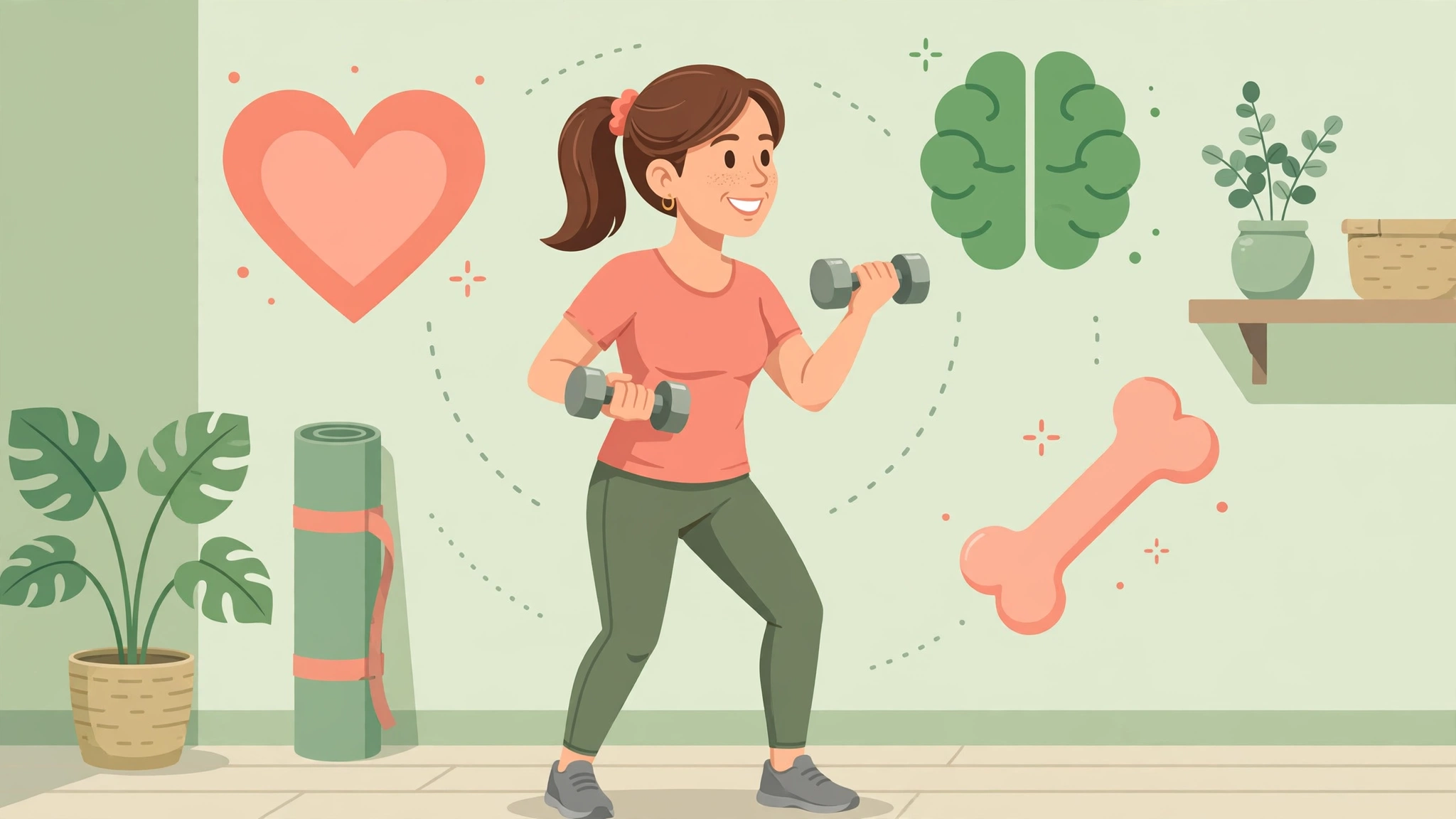
Bone density is the other quiet concern. Declining estrogen accelerates bone loss, which is why clinicians often start discussing calcium, vitamin D, and weight-bearing exercise during the 40s rather than waiting until menopause. Two habits carry outsized benefit in this decade:
- Strength training twice a week. Resistance exercise preserves muscle mass (which otherwise declines faster after 50), supports bones, and improves insulin sensitivity. It is one of the highest-yield habits of the perimenopause years.
- Enough protein at every meal. Protein needs rise as muscle preservation becomes harder; spreading intake across meals supports maintenance and keeps energy steadier through hormonal swings.
Ask your doctor whether your preventive screening should expand during this decade — blood pressure, lipids, blood sugar, and bone density checks are reasonable topics to raise at your 40s physicals.
How Doctors Confirm It’s Perimenopause (and Rule Out Look-Alikes)
There is no single test that proves perimenopause, so diagnosis is clinical — based on your age, menstrual history, and symptom pattern. Two practical markers guide diagnosis: a persistent change of about 7 days or more in cycle length signals the early transition, and gaps of 60 days or more mark the late transition. The most useful thing you can bring to your appointment is a symptom log — a few weeks of notes on cycle dates, sleep, mood, and hot flashes give your doctor far more to work with than any single lab result.
Because so many conditions mimic the transition, doctors assessing perimenopause symptoms in your 40s typically rule out the main look-alikes first:
- Thyroid disorders — can cause fatigue, weight change, mood shifts, and irregular cycles; checked with a TSH test.
- Iron deficiency or anemia — especially with heavier periods; checked with ferritin and a full blood count.
- Fibroids or polyps — a common cause of heavy or irregular bleeding in the 40s; evaluated with pelvic ultrasound.
- Vitamin D and B12 deficiency — can contribute to fatigue, brain fog, and low mood.
- Depression or anxiety disorders — mood symptoms may be primary rather than hormonal, and they deserve their own treatment either way.
Per guidelines like those from NICE, hormone tests are generally not needed to identify perimenopause from age 45 onward; between 40 and 45, an FSH test may help, and under 40 it becomes part of checking for premature ovarian insufficiency. If your periods stop or you develop menopause-type symptoms before 40, see your doctor promptly — that is earlier than the usual window and deserves evaluation.
What You Can Do About Perimenopause Symptoms
Doctors approach treatment of perimenopause symptoms by matching the intervention to your most bothersome symptoms and your health history. Options your clinician may discuss include:
- Lifestyle foundations: regular exercise, consistent sleep and wake times, limiting alcohol and caffeine (both can worsen hot flashes and sleep), stress-management practices, and quitting smoking — smoking is associated with earlier onset of the transition.
- Hormonal options: low-dose contraceptive pills or hormone therapy can stabilize hormone levels and ease hot flashes, cycle irregularity, and sleep. Your doctor will weigh benefits against risks for heart health, stroke, blood clots, and certain cancers, typically recommending the lowest effective approach for the shortest needed time.
- Non-hormonal medications: low-dose antidepressants can help both mood symptoms and hot flashes, and other prescription options exist for vasomotor symptoms — your doctor can explain which suit your situation.
- Local treatments: vaginal moisturizers and prescription vaginal options can relieve dryness and discomfort during intimacy.
You can still get pregnant during perimenopause. Until you have gone 12 consecutive months without a period, ovulation can still occur — so continue contraception if pregnancy is not desired. Conversely, fertility declines noticeably through this decade, so see a reproductive specialist early if becoming pregnant is the goal.
Red Flags: When Bleeding Isn’t ‘Just Perimenopause’
Irregular bleeding is expected in the transition, but some patterns warrant prompt medical attention to rule out fibroids, polyps, or — rarely — more serious causes. See your doctor if you notice:
- Periods that are heavy, include blood clots, or last several days longer than usual
- Spotting between periods or bleeding after sex
- Periods arriving much closer together than usual
- Any bleeding after 12 months with no period
Symptoms of fibroids — which can worsen during perimenopause — include heavy cycles, pelvic pressure or pain, frequent urination, and anemia. If you experience bleeding after sex, our guide on bleeding after sex causes explains what to watch for. Don’t let these signs sit — they are highly treatable once evaluated.
If you recognize several perimenopause symptoms in yourself, book that conversation with your doctor — and keep exploring our Women’s Health guides while you wait for the appointment.
FAQs
What are the first signs of perimenopause in your 40s?
For most women, the earliest sign is a subtle cycle change — periods arriving a few days earlier while still regular — often accompanied by lighter sleep, new mood swings, or brain fog. Hormonal shifts begin years before cycles become visibly irregular, so sleep and mood symptoms frequently lead the way among perimenopause signs in 40s.
Can perimenopause start while my periods are still regular?
Yes. In the early 40s, declining progesterone can cause poor sleep, anxiety, and heavier-feeling PMS while cycles still look normal on the calendar. A persistent change of about seven days or more in cycle length is the formal marker of the early transition, but symptoms commonly appear before that threshold.
How long does perimenopause last in your 40s?
The transition typically lasts four to eight years, though some women move through it in months and others over a decade. Tracking studies show hot flashes and night sweats alone can persist for a median of over seven years in total, sometimes continuing past the final period.
Can you get pregnant during perimenopause?
Yes. Although fertility declines through the 40s and erratic ovulation makes timing unpredictable, pregnancy remains possible until you have gone 12 consecutive months without a period. Keep using contraception if pregnancy is not wanted, and see a reproductive specialist early if it is.
Is there a blood test that confirms perimenopause?
Not reliably. Estrogen and FSH swing dramatically from day to day during the transition, so a single normal result doesn’t rule it out. From about age 45, diagnosis is clinical — based on age, menstrual history, and symptoms. A symptom and cycle log gives your doctor more useful information than any single lab draw.
Can perimenopause cause anxiety even if I’ve never had anxiety before?
Yes. Estrogen helps regulate serotonin and dopamine, the brain chemicals that stabilize mood. When estrogen fluctuates in perimenopause, women with no history of anxiety can experience it for the first time, and low mood can deepen into depression. If mood changes affect daily life, talk to your doctor — they are treatable whatever the cause.
Medical disclaimer: This article is for educational purposes only and is not medical advice. Perimenopause symptoms overlap with many treatable conditions, so please consult a qualified healthcare professional about your own situation before making decisions about treatment.