Epididymitis: Symptoms, Causes, and When to See a Doctor
Scrotal pain is one of those symptoms nobody wants to talk about and nobody can ignore. When it arrives, it usually brings a wave of questions: Is this serious? Did I injure myself? Could it be an infection? Understanding epididymitis symptoms early makes a real difference, because this common condition is very treatable when caught promptly, while confusing it with a true emergency can cost precious hours. This guide covers what epididymitis is, how symptoms unfold, causes, diagnosis, treatment, and when to seek medical care.
About 600,000 cases are reported each year in the United States, most in males between the ages of 14 and 35, though males of any age can develop it. Most cases resolve fully with proper treatment, and knowing the warning signs helps you act at the right time.
What Is Epididymitis?
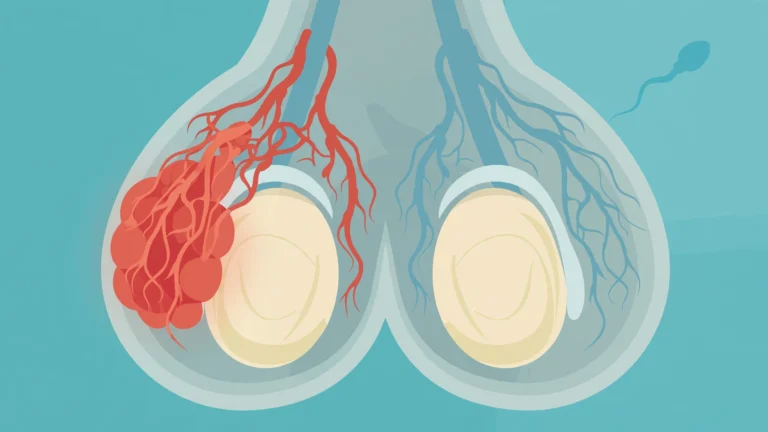
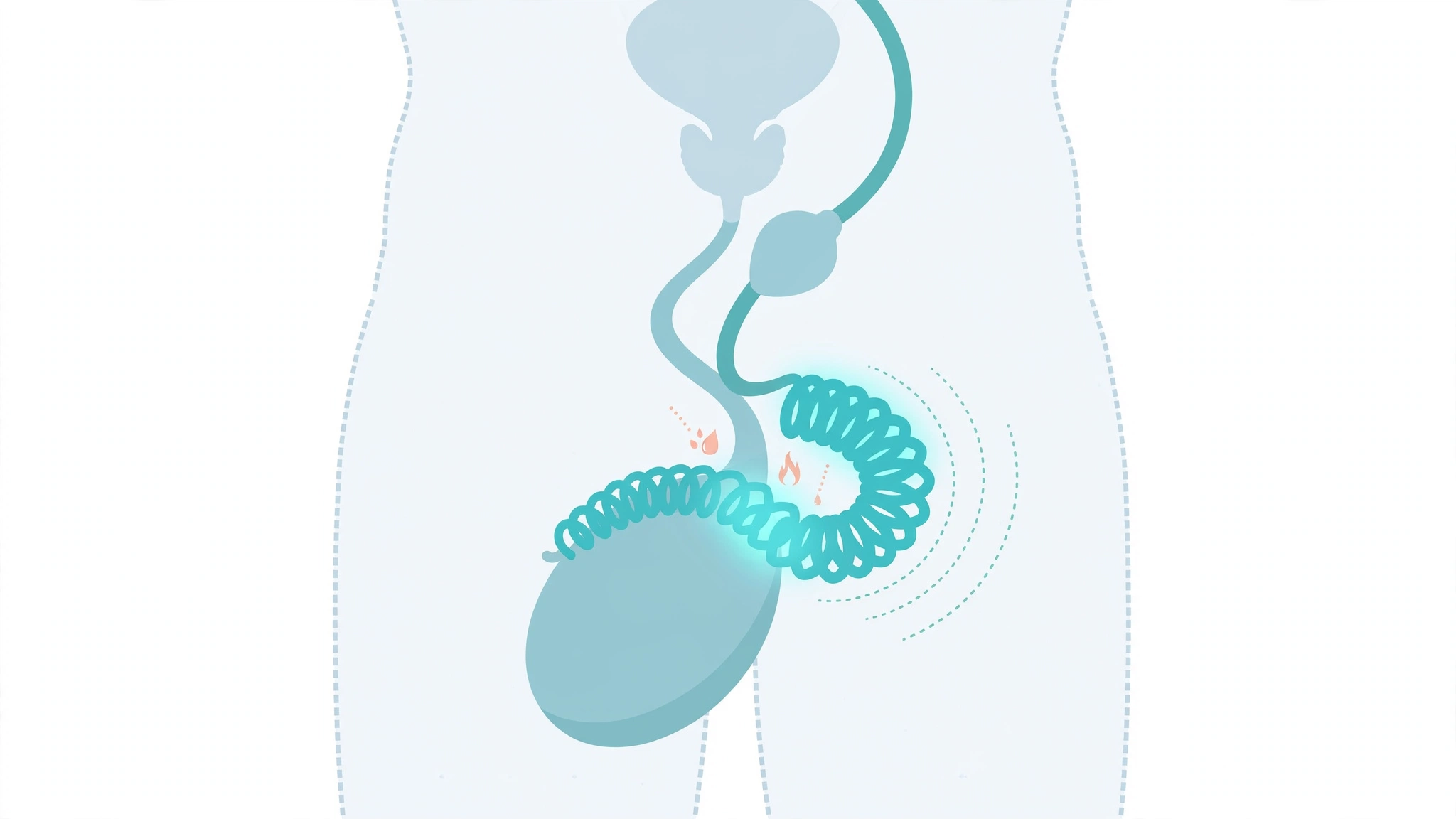
The epididymis is a long, tightly coiled tube that sits at the back of each testicle. Uncoiled, it would stretch nearly 20 feet. Its job is to collect sperm produced in the testicle and carry it onward as it matures, a journey taking roughly two weeks. Epididymitis means this tube has become inflamed, usually by infection or irritation.
When the epididymis becomes inflamed, it swells and turns tender, and the whole scrotal area can feel affected. If infection spreads into the testicle itself, the condition is called epididymo-orchitis.
Epididymitis Symptoms: The Complete List
The classic pattern behind epididymitis symptoms is pain and swelling that build gradually over one to two days, affecting only one side of the scrotum. The pain often begins as a dull ache at the back of the testicle and then spreads across the whole scrotum. Here is the fuller symptom picture reported in clinical practice:
- Scrotal pain and tenderness, usually on one side, that develops gradually
- Swelling of the scrotum, which may feel warm to the touch or look red
- Painful urination or a burning sensation when passing urine
- An urgent or unusually frequent need to urinate
- Discharge from the penis, particularly when an STI is the cause
- Pain or heaviness in the lower abdomen or groin, sometimes with enlarged groin lymph nodes
- Pain during ejaculation
- Blood in the semen
- A palpable lump or thickening at the back of the testicle
- Fever and chills, which tend to appear with more established bacterial infections
Not everyone gets every symptom. A man whose epididymitis follows a urinary tract infection, for example, may notice urinary burning and frequency but no discharge. The specific mix of symptoms often points doctors toward the underlying cause, which is one reason describing every symptom at your appointment matters.
The Symptom Timeline: What the First 72 Hours Look Like
Most patient guides list epididymitis symptoms but never explain how they arrive. Because this progression is so characteristic, tracking it helps you and your doctor tell epididymitis apart from other causes of scrotal pain.
Hours 0 to 12: A vague ache or heaviness on one side of the scrotum. Many men first notice it while walking or sitting, and it is easy to dismiss as a strain. Tenderness at the back of the testicle may be the only finding.
Hours 12 to 36: The ache deepens into unmistakable pain, and swelling becomes visible. The scrotal skin may redden and feel warm. Walking normally starts to hurt, and urinary symptoms, if present, usually appear during this window.
Hours 36 to 72: Pain typically peaks. The scrotum may be markedly swollen, and a low-grade fever can develop. This is the point where most people who tried to wait it out decide they need a doctor.
Beyond 72 hours untreated: Pain may plateau at a high level rather than improve, and the risk of complications, including spread to the testicle or scarring that affects fertility, rises the longer treatment is delayed. This timeline is the strongest argument for not ignoring scrotal pain.
What Causes Epididymitis?
Bacterial infection is behind most cases, but the likely culprit depends heavily on age. Understanding which category you fall into helps explain why your doctor asks the questions they do.
In sexually active men under 35, sexually transmitted infections are the most common cause, with chlamydia and gonorrhea topping the list. Bacteria travel from the urethra backward into the epididymis, which is why discharge from the penis or burning urination so often accompanies the scrotal pain.
In men over 35, urinary tract and prostate infections are the usual source: bacteria from the bladder or prostate spread to the epididymis, which is why prostate enlargement, frequent UTIs, and urinary catheters raise the risk.
Non-infectious causes are often missed. Heavy lifting or severe straining can force urine backward into the epididymis, where its chemicals irritate the tube. A blow to the groin, the heart medication amiodarone, and rarely tuberculosis, the mumps virus, or a recent catheter procedure can also trigger it.
Acute vs. Chronic Epididymitis
Acute epididymitis is inflammation lasting less than six weeks, arriving over a day or two with the full set of symptoms. This form responds most reliably to antibiotics and accounts for the large majority of cases.
Chronic epididymitis lasts longer than six weeks or recurs repeatedly. Its hallmark is discomfort in the scrotum or epididymis without the dramatic swelling or redness of an acute episode. Sometimes the original infection was never fully cleared; sometimes no cause is identified. In both forms, the core epididymitis symptoms overlap; what differs is their duration and intensity. Treatment for chronic cases focuses on pain management, anti-inflammatory measures, and hunting down any lingering underlying cause.
Epididymitis vs. Testicular Torsion: Knowing the Difference Can Save a Testicle
This comparison deserves special emphasis, because confusing these two conditions is the most dangerous mistake a man can make with scrotal pain. Epididymitis develops gradually and is treated with medication. Testicular torsion, where the cord twists and cuts off blood flow, is a surgical emergency in which a testicle can be lost if treatment is delayed beyond roughly six hours.
| Feature | Epididymitis | Testicular Torsion |
|---|---|---|
| Onset of pain | Gradual, building over hours to days | Sudden, severe, often within minutes |
| Swelling | Builds slowly over 1 to 2 days | Can appear very quickly |
| Urinary symptoms | Often present (burning, urgency, discharge) | Usually absent |
| Nausea or vomiting | Uncommon | Common |
| Treatment | Antibiotics and supportive care | Emergency surgery, ideally within hours |
The practical rule: if scrotal pain arrives suddenly and severely, treat it as an emergency and go to the emergency department immediately. Doctors use a color Doppler ultrasound to check blood flow to the testicle when torsion is a possibility. When in doubt, urgent evaluation beats waiting.
How Doctors Diagnose Epididymitis
Because several conditions mimic epididymitis symptoms, diagnosis begins with a physical examination and a careful history: when the pain started, whether it came on gradually, any urinary symptoms, recent sexual activity, UTIs, procedures, or injuries. If the tenderness is localized to the epididymis, that supports the diagnosis. Authoritative references such as the Mayo Clinic’s epididymitis guide describe this evaluation in detail.
- Urine test and urine culture: checks for bacteria and identifies the organism
- Urethral swab: a sample of any discharge tested for chlamydia and gonorrhea
- Blood tests: can reveal signs of infection and systemic inflammation
- Color Doppler ultrasound: images the scrotum, rules out torsion and testicular cancer, and confirms epididymal swelling
- Rectal examination: sometimes used to check the prostate for infection feeding the problem
If you are under 30 and the findings are not clearly limited to the epididymis, guidelines generally call for a Doppler ultrasound right away to exclude torsion. The scan is painless and standard practice, so the recommendation should not alarm you.
Treatment: What Doctors Recommend
In most bacterial cases, antibiotics are the mainstay, and doctors often start them before lab results return because waiting would let the infection progress. The specific regimen depends on the suspected organism; since epididymitis symptoms overlap with other scrotal conditions, proper diagnosis matters more than self-medicating. Guidance from sources like Harvard Health aligns with this approach.
- Finish the full course of antibiotics even if you feel dramatically better after two or three days. Stopping early is a common route to relapse.
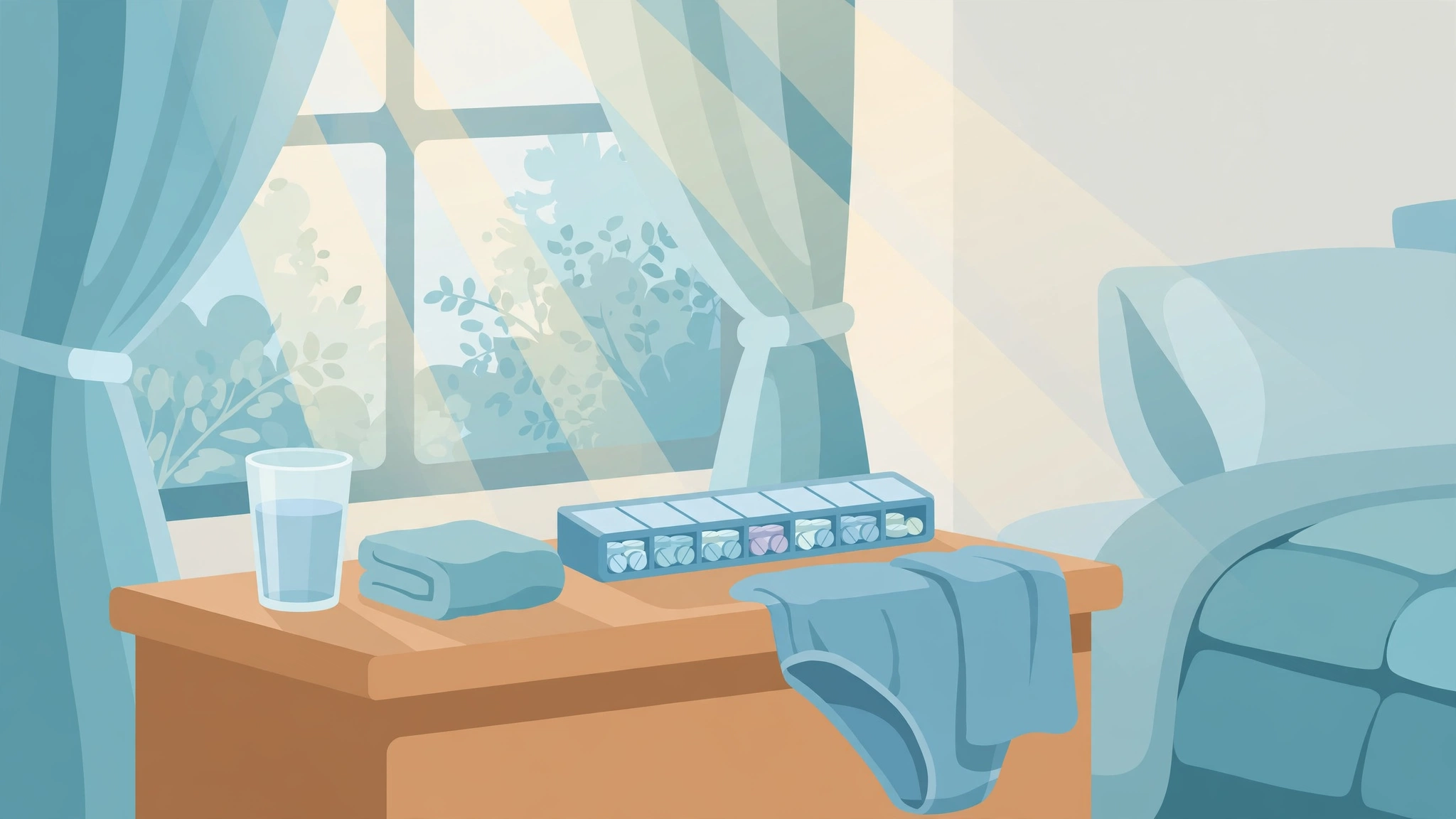
- Supportive care speeds recovery: rest, preferably lying down with the scrotum elevated on a folded towel, cold compresses wrapped in a cloth, and supportive underwear such as a jockstrap.
- Over-the-counter pain relievers such as ibuprofen can ease both pain and inflammation; ask your doctor or pharmacist which option suits you.
- Hold off on sex and vigorous activity until the infection has cleared and symptoms have resolved. Partners from recent weeks should be notified and treated if an STI is diagnosed, or reinfection is likely.
- Severe cases with heavy vomiting or signs of spreading infection may need hospital care; rarely, an abscess must be drained or part of the epididymis removed surgically.
Most men feel better within a few days of starting antibiotics, though some swelling and soreness can linger for weeks. Your doctor will want to confirm the infection has cleared; persistent symptoms warrant investigation for an underlying cause.
Recovery: A Week-by-Week Roadmap
Patient guides rarely describe what recovery actually feels like. While the worst epididymitis symptoms usually fade within days of starting antibiotics, here is a realistic week-by-week picture so you know whether your healing is on track.
Week 1: The hardest stretch. Pain and swelling peak in the first few days, then should ease noticeably within 48 to 72 hours of starting antibiotics. Rest as much as possible, avoid lifting, and wear supportive underwear consistently. No sex, no strenuous exercise, no heavy lifting.
Weeks 2 to 3: Pain fades substantially, but many men still notice tenderness and a firm epididymis. This is normal and does not mean treatment failed. Light daily activity is fine; keep avoiding heavy lifting. If pain worsens again, call your doctor.
Weeks 4 to 6: Residual swelling and occasional twinges gradually disappear. Sex can generally resume once symptoms have fully resolved and any STI treatment is complete; confirm with your doctor. Follow-up testing, such as a repeat urine culture, confirms the infection is gone.
Beyond 6 weeks: If pain persists, the episode is classified as chronic, and the strategy shifts toward imaging, prostate evaluation, or a urology referral. Persistent pain is not something to simply endure.
During recovery, men often worry about whether their condition affects their broader sexual health. Reading about how sexual health concerns like masturbation and erectile dysfunction interact can help separate genuine medical issues from anxiety during recovery.
Complications of Untreated Epididymitis
Most complications arise from delayed or incomplete treatment: chronic pain, spread of inflammation into the testicle, scrotal abscess, fluid collection around the testicle, and rarely reduced fertility if infection scars the epididymis. Severe infections can enter the bloodstream and cause sepsis, signaled by fast heart rate, confusion, or trouble breathing alongside scrotal pain. These outcomes are uncommon when treatment starts promptly; ignoring epididymitis symptoms is what allows them to develop, which is why doctors take even mild-looking scrotal pain seriously.
Prevention
Use condoms consistently during sex, including oral and anal sex, to reduce STI risk. Get prompt treatment for urinary tract and prostate infections before they can spread. Avoid severe straining when lifting heavy objects, do not sit for extremely long periods without moving, and stay hydrated. If one partner is diagnosed with an STI-related case, both partners need testing and treatment, since untreated partners are the most common reason epididymitis symptoms come back.
When to See a Doctor
Do not ignore scrotal pain or swelling. Seek emergency care if pain is sudden and severe, if you develop fever with scrotal swelling, or if you notice confusion, rapid heartbeat, or trouble breathing. See your doctor promptly if pain builds gradually over a day or two, if you notice discharge from the penis or pain when urinating, if swelling does not improve within a few days of treatment, or if symptoms keep returning.
Chronic pelvic or testicular discomfort can also quietly affect desire and intimacy. If lingering issues are spilling into your sex life, our guide on low libido and the common causes worth ruling out first walks through how physical conditions like this one can influence drive.
FAQs
These are the questions men ask most often about epididymitis symptoms, treatment, and recovery.
What does epididymitis feel like?
It typically starts as a dull ache or heaviness at the back of one testicle, building over one to two days into deeper, more persistent pain. The scrotum becomes tender, swollen, warm, and sometimes red. Walking can hurt enough to cause a limp, and burning when urinating or urinary urgency may follow.
Can epididymitis go away on its own?
Mild non-infectious cases sometimes settle without antibiotics, but bacterial epididymitis generally needs treatment. Because you cannot tell the cause by symptoms alone, and delaying treatment risks abscess, chronic pain, or fertility problems, doctors advise getting evaluated rather than waiting promptly.
How long does epididymitis pain last?
With prompt antibiotic treatment, pain usually starts improving within two to three days, and most men feel much better within a week. Some swelling and tenderness can linger for several weeks, which is normal. Pain persisting beyond six weeks is classified as chronic and needs further evaluation.
Is epididymitis contagious?
Epididymitis itself is not contagious, but if it is caused by an STI such as chlamydia or gonorrhea, that underlying infection can be passed to a partner. In STI-related cases, recent partners should be notified, tested, and treated, and sex should wait until treatment is complete.
Can you have sex with epididymitis?
Wait until antibiotics are finished and all symptoms have fully resolved. Sex during an active infection risks re-irritating the inflamed epididymis, worsening pain, and transmitting an STI to your partner if one caused the episode. Ask your doctor for the all-clear first.
Can epididymitis cause infertility?
Rarely. Most treated cases have no effect on fertility. Risk rises when treatment is delayed, letting infection scar the epididymis and block sperm transport, or when severe infection shrinks a testicle. Prompt, complete treatment makes these outcomes uncommon, so early care remains the best protection.
If scrotal pain has you worried, do not wait for it to pass on its own. Talk to your doctor and describe your symptoms fully. Early evaluation turns a frightening symptom into a manageable condition.
This article is for educational purposes only and is not medical advice. Scrotal pain can signal several different conditions, some of them emergencies. Always consult a qualified healthcare professional for diagnosis and treatment, and seek urgent care for sudden or severe testicular pain.