Sex After Vasectomy: Recovery Timeline, Comfort Tips, and What Changes
Navigating sex after vasectomy recovery is one of the most common questions men ask their urologist — and one of the least discussed before the procedure. You have had the surgery, you are healing, and now you want to know when intimacy can safely return, what it will feel like, and when you can finally rely on the vasectomy for contraception. The short answer from doctors: most men can resume sexual activity about a week after the procedure, but you are not protected from pregnancy until a semen test confirms your sample is sperm-free — typically 8 to 16 weeks later.
This guide walks you through the full timeline of sex after vasectomy recovery, practical comfort tips for the first time, exactly what changes in your sex life (and what does not), how the clearance test works, and when lingering pain means you should call your doctor.
Sex After Vasectomy Recovery: The Week-by-Week Timeline
Every surgeon gives slightly different instructions, and technique matters — no-scalpel vasectomies often heal a little faster. But clinical guidance on sex after vasectomy recovery is consistent on the overall shape of recovery. Here is what most urologists recommend:
| Timeframe | What to expect | Sex and activity guidance |
|---|---|---|
| Days 0–2 | Rest at home. Soreness, mild swelling, and bruising are normal. Ice packs (15–20 minutes at a time) and supportive underwear help. | No sexual activity. Avoid heavy lifting and exercise. |
| Days 3–7 | Swelling and soreness ease. Light walking and desk work are fine; avoid sports, cycling, and lifting over ~15 pounds. | Hold off on sex and ejaculation until the surgical area is no longer tender — usually by the end of this window. |
| Around week 1 | Most men feel ready. If there is no pain, swelling, or discharge, doctors generally clear a gentle return to sexual activity. | Sex and ejaculation are usually safe if comfortable. Keep using birth control — you are not sterile yet. |
| Weeks 2–3 | Lingering tenderness can continue. Gradually reintroduce workouts and heavier chores as tolerated. | Normal sex life resumes. Ejaculation actually helps flush residual sperm from the reproductive tract. |
| Weeks 8–16 | Your doctor schedules a post-vasectomy semen analysis (PVSA) — the clearance test. | Only stop other contraception after your doctor confirms the all-clear. |
This timeline is a guide, not a deadline. If your scrotum is still tender at day seven, give it more time — resuming sex after vasectomy recovery too early is uncomfortable and can prolong healing.
Why Waiting That First Week Matters
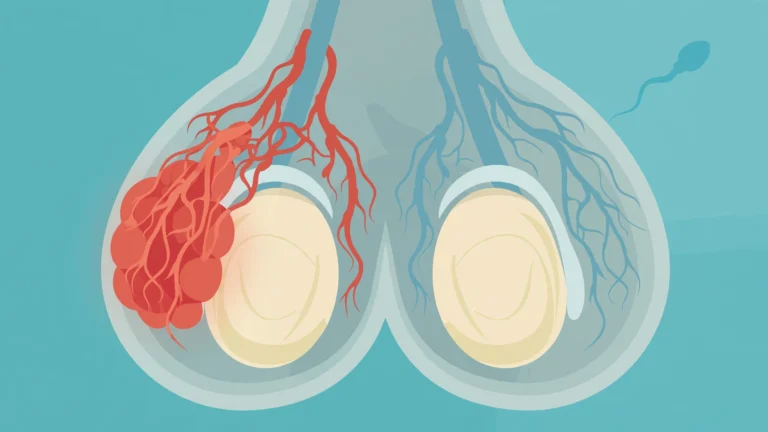
A vasectomy is a small operation, but it is still surgery. The vas deferens — the tubes that carry sperm from the testicles — are cut and sealed, and the surrounding tissue needs time to heal. Sexual activity involves pelvic movement, muscle contractions, and ejaculation itself. Returning too soon can reopen healing tissue, increase swelling, and, in theory, invite infection.
Doctors also warn against ejaculation during the first few days because the muscular contractions involved can be painful while the vas is freshly healing. After that initial window, however, ejaculation becomes part of the process: clinicians often suggest aiming for around 20 ejaculations before the clearance test, because each one helps clear remaining sperm from beyond the sealed site. Sex, once comfortable, is therefore not just allowed — it is useful.
Comfort Tips for the First Time After a Vasectomy
Competitor guides tell you when to resume but rarely address how to make the return comfortable. Here is the practical playbook for sex after vasectomy recovery that urologists and pelvic-health specialists actually give:
- Ease back in gently. Treat the first session like a soft launch, not a celebration. Keep the pace unhurried and skip anything acrobatic. Positions that put pressure on the scrotum or pelvis — deep thrusting, partner-on-top with weight bearing down — can wait a week or two.
- Choose low-pressure positions. Side-lying positions or missionary with your partner taking the lead give you control over depth and angle while keeping your weight off the healing area.
- Use extra lubrication. A good water-based lubricant reduces friction and the need for vigorous movement, which is exactly what you want while residual tenderness lingers.
- Keep supportive underwear nearby. A snug brief or athletic supporter right after the session can ease the dull ache some men feel once arousal fades.
- Expect the first ejaculation to feel odd. A strange sensation or mild discomfort during the first few ejaculations after surgery is common and usually settles quickly. Sharp pain is not normal — stop and give yourself more time.
- Talk to your partner first. Many couples find the first post-vasectomy session carries performance anxiety — from both sides. Saying “go slow, tell me if it’s uncomfortable” removes pressure and makes the experience better for both of you.

What Changes After a Vasectomy — and What Does Not
Once sex after vasectomy recovery is complete, most men notice little to no difference in their sex life. The physiology behind sex after vasectomy recovery explains why:
- Testosterone and hormones: unchanged. The procedure blocks the vas deferens, not hormone production, so the testicles continue producing testosterone at normal levels.
- Libido: typically unchanged. Sex drive is driven by hormones, health, and relationship factors — none of which a vasectomy alters.
- Erections: unaffected. The nerves and blood vessels involved in erections are untouched by the procedure.
- Orgasm: feels the same for most men. Sperm make up a tiny fraction of semen, so there is no noticeable change in ejaculate volume or appearance.
What does change for many couples is psychological — and often for the better. Research and patient reports consistently note that removing the fear of an unplanned pregnancy can make sex more spontaneous and relaxed. The trade-off is a period of adjustment: some men report anxiety about “whether it worked,” which is exactly why the clearance test matters. Until that result comes back, the worry-free phase has not truly begun.
The Clearance Test: Your Post-Vasectomy Semen Analysis, Explained
This is the step most online guides gloss over — and it is the single most important part of sex after vasectomy recovery. Resuming sex at one week is about healing. Stopping other contraception is about sterility, and only a semen test proves it.
How the test works
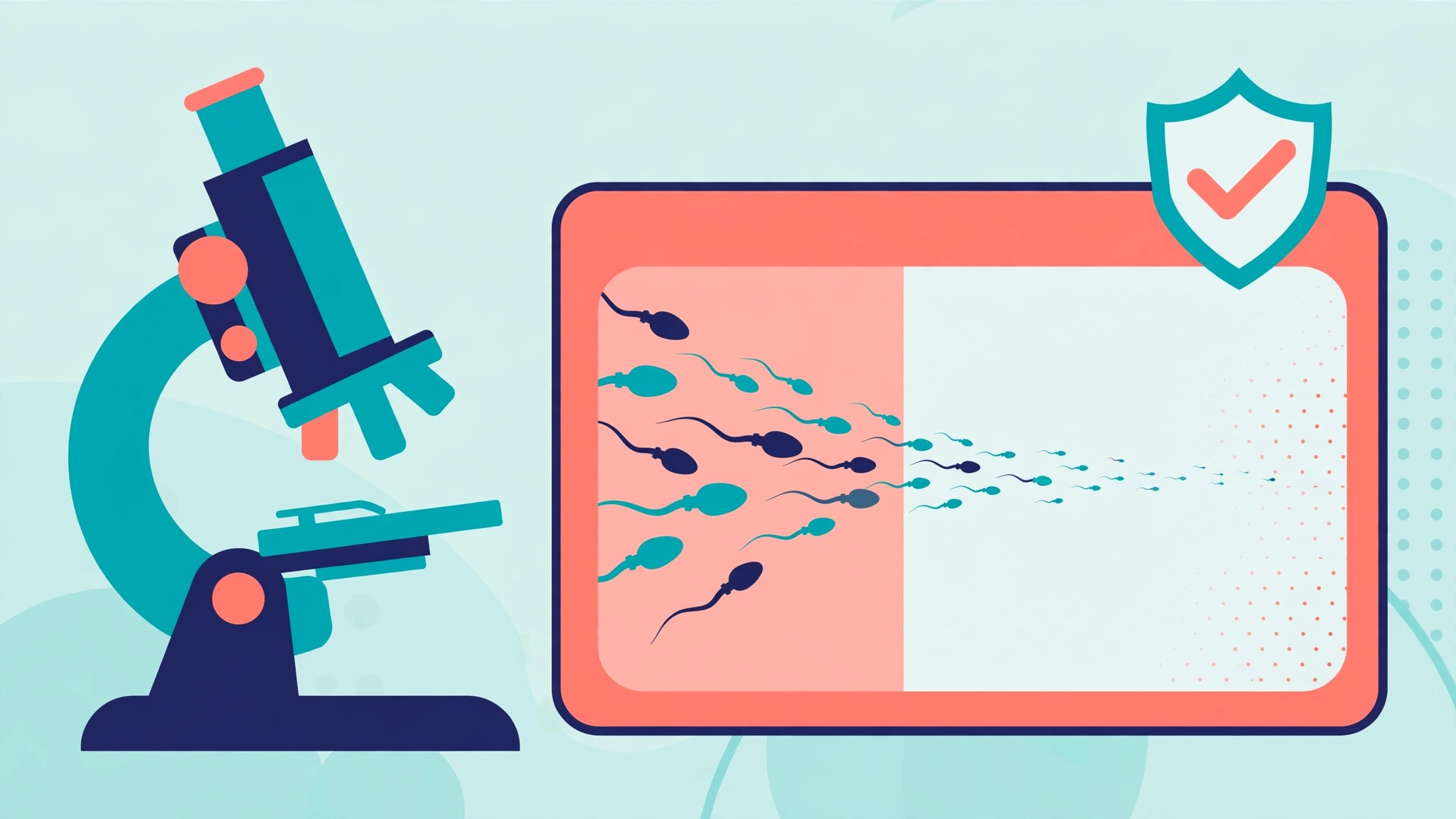
About 8 to 16 weeks after your procedure (after roughly 20 ejaculations), your doctor will order a post-vasectomy semen analysis (PVSA). You provide a semen sample — usually collected at home into a sterile container after 2 to 7 days of abstinence, then delivered to the lab within an hour — and the lab checks for sperm under the microscope.
What “cleared” actually means
According to the American Urological Association, you are cleared when a fresh sample shows either no sperm at all (azoospermia) or rare non-motile sperm at fewer than 100,000 per milliliter. Until you receive that result in writing, keep using birth control. For a comparison of temporary methods to use during the waiting period, see our birth control options comparison.
What if sperm are still present?
Occasionally, a first sample still shows sperm. That does not mean the procedure failed — it usually means more flushing is needed, and the test is repeated in a few weeks. True vasectomy failure (early or late recanalization, where the sealed tubes rejoin) is rare: roughly 1 in 2,000. But it is precisely why doctors insist on the test rather than a calendar date.
When Sex Still Hurts: Pain Beyond the Waiting Period
Mild tenderness for a few weeks is normal. Pain that persists or worsens is not. A small minority of men — around 1 to 2 percent — develop post-vasectomy pain syndrome, chronic scrotal or pelvic pain caused by nerve irritation or sperm buildup behind the sealed vas. It can show up weeks or months after the procedure and may be felt during or after sex.
Know the difference between normal and concerning:
- Normal: a dull ache that fades over 2–3 weeks, mild discomfort with the first few ejaculations, tenderness that improves day by day.
- Call your doctor: pain that worsens rather than improves, persistent swelling or a growing lump, fever, discharge, difficulty urinating, or any pain that disrupts sex months after the procedure.
Doctors typically start with conservative treatment — anti-inflammatory medication, scrotal support, and rest — and escalate to nerve blocks or, rarely, referral to a specialist only if needed. The key message: lingering pain is not something to “tough out.” It is treatable, and your doctor would rather hear about it early.
The Couple’s Side: Anxiety, Trust, and the Spontaneity Bonus
Vasectomy recovery is usually framed as a solo physical event, but the sexual side is a couple’s story. Two dynamics deserve honest attention:
Partner anxiety is real. Many partners hesitate to trust the vasectomy — and they are right to, until the clearance test confirms it. Having an open conversation about the test timeline, and committing to use backup contraception until the all-clear, builds more trust than the surgery alone ever could. Once cleared, couples often describe the biggest change as freedom: no more interrupted moments, no more forgotten pills, no more background worry.
Your own head may need recovery too. It is common to feel tentative the first few times — worrying that ejaculation will hurt, or that the vasectomy “didn’t take.” This anxiety typically fades with a few comfortable experiences and the arrival of the clearance result. If low desire lingers for weeks after physical healing, that is a different conversation: our guide to mismatched libidos in marriage and how couples cope can help you and your partner identify what is really going on.
Warning Signs: When to Call Your Doctor
Contact your healthcare provider promptly if you notice any of the following after your vasectomy:
- Increasing pain or swelling after the first few days, rather than gradual improvement
- Fever or chills, or redness, discharge, or a foul odor at the surgical site
- Sudden or severe swelling — which can indicate a hematoma or infection
- Pain during sex or ejaculation that persists weeks after the procedure
- Difficulty urinating
Complications are uncommon — vasectomy is one of the safest surgical contraceptive methods — but early treatment prevents small problems from becoming big ones. Guidance from Mayo Clinic and Medical News Today echo the same rule: when something feels off, call.
FAQs
How long after a vasectomy can I have sex?
Most men can resume sex about a week after a vasectomy, provided the pain, swelling, and bruising have resolved. Your surgeon may give a slightly different timeframe depending on the technique used. The rule of thumb for sex after vasectomy recovery: if the area is still tender or swollen, wait longer. Always follow your own doctor’s instructions over any general timeline.
Does ejaculation hurt after a vasectomy?
The first few ejaculations after the procedure can feel strange or mildly uncomfortable for some men, and this usually settles quickly. Ejaculation itself does not undo the vasectomy. Sharp or persistent pain during ejaculation is not normal — pause sexual activity and speak with your doctor if it happens.
Can I masturbate after a vasectomy?
Masturbation should wait the same one week as sex, because the muscular contractions of ejaculation can be painful while the healing site is fresh. Once comfortable, regular ejaculation — by any means — actually helps clear residual sperm from the reproductive tract before your clearance test.
When can I stop using birth control after my vasectomy?
Only after your doctor confirms a clear post-vasectomy semen analysis, typically at 8 to 16 weeks and after about 20 ejaculations. The American Urological Association defines clearance as no sperm, or rare non-motile sperm below 100,000 per milliliter. Never rely on a calendar date alone.
Will a vasectomy change my sex drive, erections, or orgasms?
No. A vasectomy does not affect testosterone levels, so libido stays the same. The nerves and blood vessels involved in erections are untouched, and orgasm feels the same for most men because sperm are only a tiny fraction of semen. Most couples report their sex life is unchanged — or improves from the freedom of not fearing unplanned pregnancy.
Does the amount or look of semen change after a vasectomy?
There is no noticeable change. Because sperm account for only a small percentage of ejaculate volume, semen looks and feels the same after the procedure. Any visible blood in the semen during the first few ejaculations after surgery is usually harmless, but report it to your doctor if it persists.
Talk to your doctor about your individual timeline for sex after vasectomy recovery at your follow-up appointment — and explore our related guides on contraception and low libido to keep the conversation going at home.
Medical disclaimer: This article is for educational purposes only and is not a substitute for professional medical advice, diagnosis, or treatment. A vasectomy is a personal medical decision with benefits and risks that vary by individual. Always consult a qualified healthcare professional — such as your urologist or primary care doctor — about your specific situation before making decisions about contraception, sexual activity, or treatment.