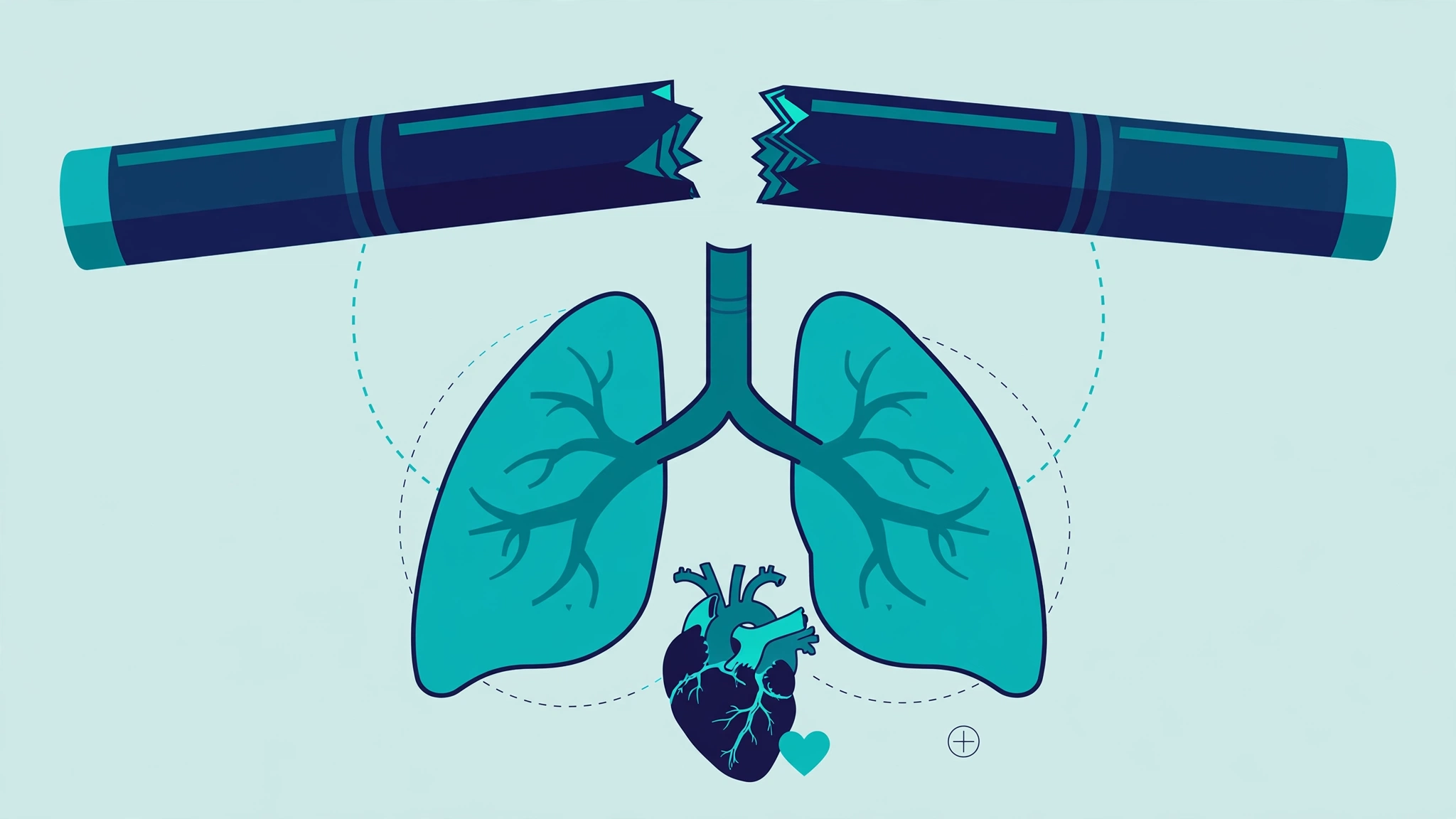
Smoking and Sexual Health: What Doctors Want You to Know
Most smokers can recite the big risks by heart: lung disease, heart disease, cancer. What far fewer people realize is that the connection between smoking and sexual health is just as well documented by medical research — and it affects desire, arousal, performance, and fertility in both men and women.
Doctors hear these questions in clinic every week: Can smoking really affect my sex life? Is the damage reversible if I quit? Do e-cigarettes carry the same risks? This guide brings together what clinicians and researchers say about smoking and sexual health in both men and women — the mechanisms, the evidence, what quitting changes, and how to talk to your doctor about it.
Smoking and Sexual Health: The Circulation Link
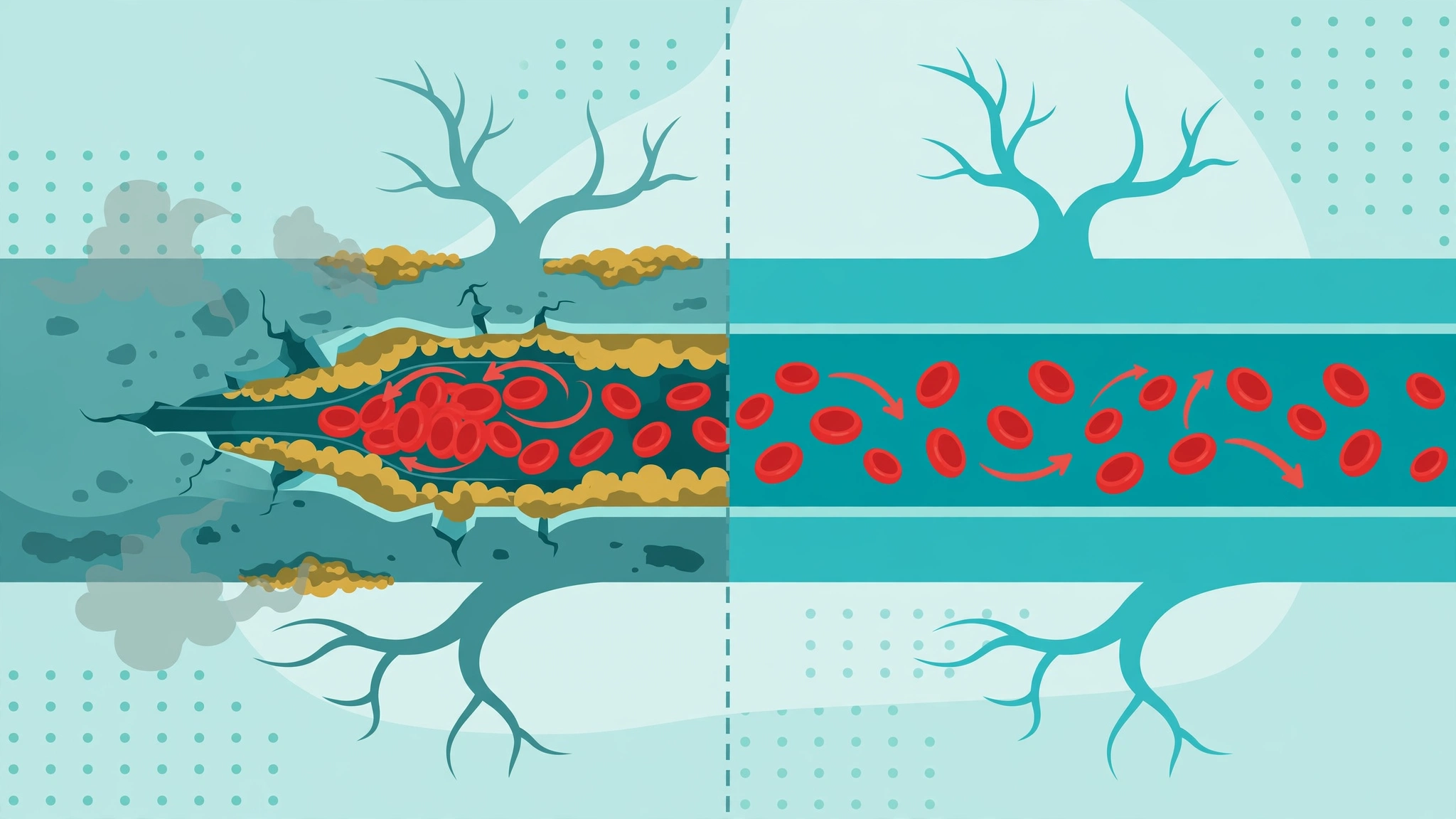
Healthy sexual function depends on healthy circulation. Arousal — in both sexes — requires blood vessels to dilate and deliver blood quickly to genital tissue, a process driven by nitric oxide, the molecule that tells vessel walls to relax and widen. This is where tobacco does its damage. Nicotine is a vasoconstrictor: it narrows blood vessels and reduces nitric oxide availability. Over time, the thousands of other chemicals in cigarette smoke damage the delicate inner lining of arteries (the endothelium), accelerate the buildup of fatty plaques (atherosclerosis), and increase oxidative stress throughout the body.
The result is that smokers develop stiffer, narrower blood vessels — everywhere, including the small arteries that supply the genitals. Because sexual response is one of the body’s most circulation-dependent processes, it is often among the first things to show the effects of vascular damage. Clinicians sometimes describe erectile difficulty in a smoker as an early warning signal for broader cardiovascular risk, since the same atherosclerotic process that restricts penile arteries can later threaten the coronary arteries. The FDA and the CDC both list reproductive and sexual effects among the established consequences of smoking, and the World Health Organization has stated plainly that tobacco use is associated with sexual dysfunction in men and infertility in women — conclusions that sit at the center of the medical literature on smoking and sexual health.
Smoking and Sexual Health in Men
Erectile function and blood flow
An erection is essentially a vascular event: nerves signal the release of nitric oxide, the smooth muscle of the penile arteries relaxes, and blood rushes into the erectile tissue. Every step of that chain is vulnerable to tobacco. Nicotine constricts the arteries, smoke-induced endothelial damage reduces nitric oxide, and progressive atherosclerosis narrows the vessels themselves.
Research published in peer-reviewed journals, including reviews in Andrologia and the International Journal of Impotence Research, has consistently found that smokers carry a higher risk of erectile dysfunction than non-smokers, and that the severity of ED tracks with the amount smoked — a dose-response relationship, meaning heavier smokers face greater risk. Importantly, these studies report that smoking cessation is associated with improvement or at least a halt in progression of ED, with some research showing measurable gains in erectile function within months of quitting. For clinicians, smoking and sexual health are now discussed together when evaluating ED.
Testosterone, energy, and libido
Smoking’s effects go beyond plumbing. Research has found that tobacco exposure can interfere with testosterone production: one mechanism is the rise in carbon monoxide in the blood, which has been linked to reduced testosterone synthesis, while the chronic stress of smoking — oxidative stress, poor sleep quality, and lower cardiovascular fitness — further dampens desire. Surveys comparing smokers and non-smokers have found that current smokers report low libido more frequently than non-smokers, and that former smokers report libido levels closer to those of people who never smoked — another encouraging signal that quitting may help restore desire. Chronic fatigue from reduced lung function also chips away at the energy and stamina intimacy requires — a quieter but real part of the smoking and sexual health picture.
Sperm health and fertility
The male fertility picture is equally sobering. Meta-analyses of semen parameters have reported that men who smoke regularly show lower sperm density — on the order of 13 to 17 percent lower than non-smokers — along with reduced sperm count, lower motility, and a smaller ejaculate volume. Toxic heavy metals formed during tobacco combustion, such as cadmium and lead, accumulate in the reproductive tract and increase oxidative stress around developing sperm, which can damage sperm DNA and impair the mechanisms needed for fertilization.
Sperm DNA damage is one reason fertility specialists now treat the male partner’s smoking as a core part of the smoking and sexual health workup for couples struggling to conceive. The WHO’s 2026 evidence summary, based on a review of 44 studies involving more than 60,000 men, linked smoking to semen abnormalities, absence of sperm in semen, poor sperm motility, abnormal sperm shape, and sexual dysfunction including ejaculation problems. For couples trying to conceive, fertility clinics commonly advise both partners to stop smoking well before attempting pregnancy, since smoking and sexual health are directly linked to conception success.
Smoking and Sexual Health in Women
The relationship between smoking and sexual health in women is less widely discussed but extensively researched. Nicotine directly interferes with genital arousal: in a randomized, double-blind, placebo-controlled crossover trial, women given nicotine gum showed reduced physiological sexual arousal compared with placebo, suggesting that nicotine disrupts the normal vascular events of arousal. In practice, this can translate to diminished sensation, reduced vaginal lubrication, and less satisfaction during intimacy — all consequences of the same vasoconstriction that harms erectile function in men.
Hormones, the menstrual cycle, and earlier menopause
Smoking disrupts estrogen metabolism in the ovaries, lowering estrogen availability. Because estrogen supports vaginal tissue health and lubrication, this shift can contribute to dryness and diminished arousal. Regular smokers also report a higher risk of moderate-to-severe premenstrual syndrome in early adulthood, and irregular periods are more common among women who smoke. Perhaps most consequentially, large meta-analyses have identified cigarette smoking as an independent risk factor for early natural menopause — women who smoke tend to reach menopause years earlier than non-smokers, shortening the reproductive window and bringing forward the hormonal changes of menopause, including declining libido and vaginal changes — one reason smoking and sexual health counseling now addresses menopause timing.
A warning for smokers who use combined hormonal contraception
One risk that doctors emphasize most urgently — and that most overviews of smoking and sexual health miss entirely — concerns women who both smoke and use combined oral contraceptives (the pill containing estrogen and progestin). The combination sharply raises cardiovascular risk: women aged 35 and older who smoke are generally advised to avoid combined hormonal contraception altogether because of the elevated risk of blood clots, stroke, and heart attack, and even younger smokers face a meaningfully higher risk than non-smoking pill users. If you smoke and use hormonal birth control, this is a conversation to have with your clinician rather than a decision to guess at.
Fertility, pregnancy, and the female partner’s timeline
Women who smoke face faster egg loss, a greater risk of infertility, and a higher likelihood of miscarriage and premature labor. The WHO’s systematic review of studies from 2000 to 2026 found that women who currently smoke have roughly a 40 percent higher risk of infertility than non-smokers — and, encouragingly, that women who had quit smoking had about a 25 percent lower infertility risk than women who continued. Fertility specialists typically recommend quitting at least three months before trying to conceive.
| Effect | Men | Women |
|---|---|---|
| Blood flow and arousal | Erectile dysfunction, reduced firmness | Diminished arousal, less lubrication |
| Hormones and desire | Lower testosterone, reduced libido | Disrupted estrogen, lower desire |
| Fertility | Lower sperm count and motility, DNA damage | Faster egg loss, ~40% higher infertility risk |
| Reproductive timeline | Ejaculation and semen abnormalities | Earlier menopause, cycle irregularity |
| Stamina and satisfaction | Shortness of breath, reduced satisfaction | Fatigue, reduced sexual satisfaction |
Do Vaping and Nicotine Pouches Affect Sexual Health Too?
This is one of the most common questions doctors hear about smoking and sexual health now, and the honest clinical answer is: the evidence is still accumulating, but the early signals are not reassuring. E-cigarettes avoid tar and carbon monoxide, so public-health agencies consider them substantially less harmful than combustible cigarettes overall — yet they still deliver nicotine, the vasoconstrictor at the heart of the circulation problem.
Emerging research on vaping has reported effects on sex hormones in both sexes — potentially lower testosterone in men and disrupted estrogen and progesterone in women — along with reduced lubrication and lower frequency of orgasm reported by some vapers. Heat-not-burn devices sit in a similar middle ground: lower exposure to combustion products than cigarettes, but not risk-free, and clinicians advise that complete abstinence from nicotine remains the only “safe” approach where smoking and sexual health is concerned. Switching is a harm-reduction step for cancer and lung risk; for the vascular mechanisms behind sexual dysfunction, doctors advise quitting nicotine entirely.
Secondhand Smoke and Your Partner’s Sexual Health
The link most articles skip: the partner who doesn’t smoke may still be affected. The WHO’s recent evidence summary warns that exposure to secondhand tobacco smoke may itself carry reproductive risks, meaning non-smoking partners face possible fertility effects simply from living or spending time around smoke. Beyond fertility, the relationship costs are measurable: nearly one in four adults in a national survey had turned down intimacy because a potential partner smoked, and most adults — smokers included — said they did not find smoking attractive. Quitting, then, is a gift to the relationship as well as to the body — a couple-level reason to take smoking and sexual health seriously.
The Recovery Timeline: What Changes After You Quit
The most encouraging part of the smoking and sexual health story is reversibility: circulation begins recovering quickly, and studies show former smokers’ sexual function trending back toward that of non-smokers. Here is what the evidence suggests about the timeline:
| Time after quitting | What may improve |
|---|---|
| Within 20 minutes – 24 hours | Heart rate and blood pressure begin to normalize; carbon monoxide clears from the blood |
| 2 – 12 weeks | Circulation improves and lung function starts to recover; stamina during physical activity — including intimacy — increases |
| 1 – 9 months | Breathing eases, energy improves; many former smokers report better erectile function and desire in this window |
| 1 year | Risk of coronary heart disease is roughly halved; vascular health continues to improve |
| Before conception (3+ months) | Sperm quality begins to recover; for women, ovulatory function and fertility prospects improve — fertility clinics advise quitting at least one full egg/sperm maturation cycle ahead |
Recovery varies with smoking history and overall health, but the direction of the smoking and sexual health evidence is consistent: quitting helps, and sooner is better.
How to Quit: What Doctors Recommend
If smoking is affecting your sex life, doctors treat quitting as first-line therapy for the sexual symptoms themselves — alongside, not instead of, any evaluation for ED or low libido. Clinical guidelines commonly recommend a combination of behavioral support (counseling, quit-lines, structured programs) and, where appropriate, medication-based approaches such as nicotine replacement therapy or prescription stop-smoking medicines, chosen with your clinician based on your health history.
Smokefree.gov offers free quit plans and text support, and the CDC’s tobacco pages list evidence-based quitting strategies. Many people find that naming sexual health as a motivation — rather than an abstract future risk — makes the quit attempt feel more personal and urgent. Tell your doctor that this is one of your reasons — because smoking and sexual health are so closely connected, clinicians say this motivation genuinely helps them tailor the quit plan.
Talking to Your Doctor (and Your Partner)
Sexual symptoms are hard to bring up, but doctors emphasize that they hear them constantly and treat them as medical information, not embarrassment. A simple opener works: “I’ve read that smoking can affect sexual health, and I’ve noticed [symptom]. Could my smoking be contributing, and what should we check?” Expect questions about smoking history, medications, alcohol use, sleep, stress, and cardiovascular risk factors. With your partner, framing matters: “I want us to feel closer, and I think quitting could help both of us” lands better than blame.
FAQs
Can smoking really cause erectile dysfunction?
Yes. Multiple peer-reviewed reviews link smoking to a higher risk of erectile dysfunction through damaged blood vessels, reduced nitric oxide, and atherosclerosis — and the risk rises with the amount smoked. The encouraging news is that studies show quitting smoking is associated with improvement in erectile function or at least a halt in its progression, so the damage is often at least partly reversible.
Does smoking lower testosterone and sex drive?
Research indicates smoking can interfere with testosterone production, partly through elevated carbon monoxide in the blood and partly through chronic oxidative stress and poorer overall fitness. Surveys find current smokers report low libido more often than non-smokers, while former smokers report desire levels closer to those of never-smokers — suggesting quitting may help restore libido.
How long after quitting smoking does sexual function improve?
There is no single guaranteed timeline, but circulation begins improving within weeks, and many former smokers report better erectile function, arousal, and desire within one to nine months. Studies show former smokers’ sexual function trends toward that of non-smokers over time. The longer and heavier the smoking history, the longer recovery may take — another reason to quit sooner.
Does vaping affect sexual health the way cigarettes do?
The evidence is still developing, but early research is not reassuring: nicotine from vaping is still a vasoconstrictor, and studies have reported hormonal disruption, reduced lubrication, and lower orgasm frequency in vapers. E-cigarettes avoid tar and carbon monoxide and are considered less harmful overall than smoking, but for sexual health specifically, doctors advise that quitting nicotine entirely remains the safest choice.
How does smoking affect a woman’s sexual arousal?
Nicotine constricts blood vessels and reduces genital blood flow, which can diminish sensation, arousal, and lubrication. A controlled trial found nicotine gum reduced physiological arousal in women compared with placebo. Smoking also disrupts estrogen, which supports vaginal tissue health — contributing to dryness and reduced sexual response over time.
Can smoking affect my partner’s fertility if I smoke and they don’t?
Possibly. The WHO has warned that secondhand smoke exposure may carry reproductive risks for non-smokers, and its evidence summary found higher infertility risk in women exposed to tobacco smoke. If you are trying to conceive, fertility specialists advise both partners to avoid smoking — and secondhand smoke — for at least three months before attempting pregnancy.
Your sex life is part of your health, not separate from it — and few changes pay off across desire, performance, and fertility the way quitting does. If anything in this guide sounded familiar, bring it to your next appointment: your doctor can help you build a quit plan and check for anything else contributing. You can also keep exploring how everyday habits shape intimacy — and support smoking and sexual health recovery — in our guides on exercise and sexual health and sleep and sex drive.
Medical disclaimer: This article is for educational purposes only and is not medical advice. Smoking-related sexual symptoms can have many causes, and quitting support works best when personalized. Please consult a qualified healthcare professional about your symptoms, contraception choices, and any plan to quit smoking or start medication.