How Alcohol Affects Sexual Performance and Desire
Few topics in sexual health carry as much mythology as alcohol and sexual performance. One or two drinks can make someone feel more relaxed, confident, and socially at ease — and that feeling is easy to mistake for a genuine boost to desire and function. But what actually happens inside the body tells a different story. Alcohol is a central nervous system depressant, and the gap between how drinking feels and what it does to arousal, erection, lubrication, and orgasm is one of the most clinically significant misunderstandings in sexual wellness.
This guide covers the science of alcohol and sexual performance and desire, the difference between short-term and long-term effects, what differs between men and women, how much drinking matters, and when it is time to talk to a doctor. If you want a single phrase to remember, it is this: the relationship between alcohol and sexual performance is dose-dependent — and mostly negative.
The Paradox: Why Alcohol Feels Like It Helps
Shakespeare put it best centuries ago: drink “provokes the desire, but it takes away the performance.” Modern research backs him up. A small amount of alcohol reduces social inhibition, eases performance anxiety, and can create the expectation of greater desire — and expectations shape experience. Researchers have documented that this placebo-like expectation can make people feel more aroused even when physiological measures show reduced genital response.
In practical terms, this creates a deceptive two-phase effect:
- Phase one (1 drink): relaxation, lowered inhibitions, perceived increase in desire.
- Phase two (2+ drinks): the depressant effect takes over — slower nerve signals, reduced blood flow, and declining physiological arousal.
Understanding this disconnect is the first step toward seeing alcohol and sexual performance as they really relate: inversely, once you move past a small amount.
How Alcohol and Sexual Performance Are Connected in the Body
Alcohol does not act on a single organ; it interferes with the coordinated systems that produce sexual response. Three pathways matter most.
The Brain and Nervous System Slow Down
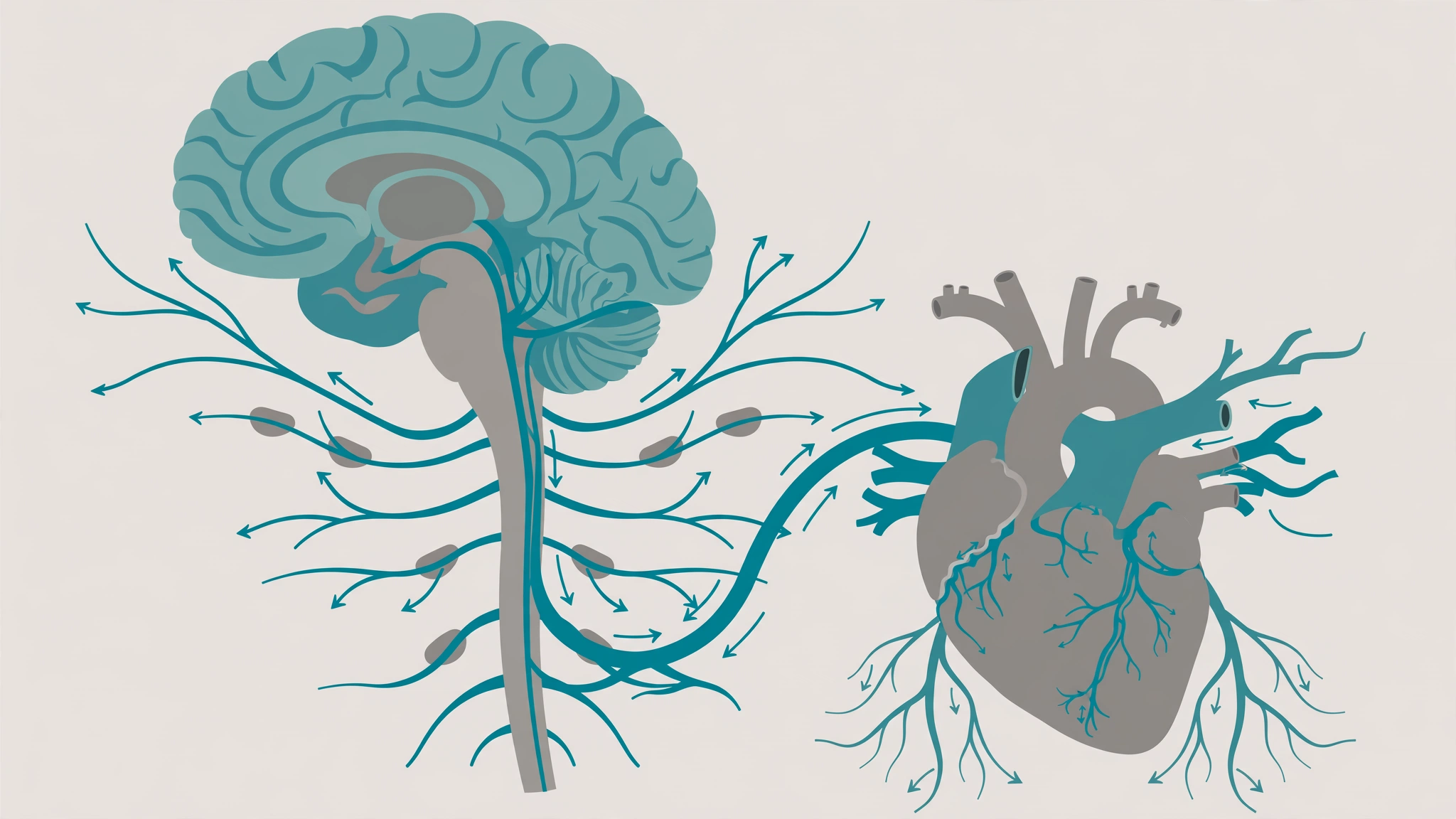
Sexual arousal begins in the brain. Alcohol suppresses the central nervous system, dampening the signals that travel from the brain to the genitals. Nerve-ending sensitivity drops, respiration and circulation slow, and the precise timing of the arousal response becomes sluggish. This is why both desire and physical response dull after heavier drinking — the command center is working at reduced capacity. This neurological dampening is a core reason alcohol and sexual performance decline together.
Blood Flow and Nitric Oxide Are Disrupted
Erections depend on healthy blood flow, and blood flow depends on nitric oxide — a chemical produced by nerves and blood vessels that initiates and maintains erections. Alcohol damages nitric oxide production. At the same time, alcohol is a diuretic: it dehydrates the body, reducing blood volume and increasing angiotensin, a hormone linked to erectile dysfunction. With long-term heavy use, research indicates alcohol can damage the peripheral nerves involved in triggering erections — and this damage has been shown in some studies to persist even when the person is sober. In short, the link between alcohol and sexual performance runs through the vascular system as much as the nervous system.
Hormones Take a Hit
Alcohol disrupts the hormones that drive libido in both men and women. In men, studies show that drinking lowers testosterone production; in one study, men given about 120 grams of ethanol showed a 23% drop in testosterone measured 10 to 16 hours after drinking. Testosterone is central to sexual desire, and lower levels mean lower libido — plus downstream effects on fertility, since testosterone is part of the sperm production process. Women experience hormonal disruption too, along with reduced serotonin and dopamine balance with chronic use, which can contribute to depression and anxiety that further suppress desire. These hormonal shifts are another way alcohol and sexual performance undermine each other over time.
Alcohol and Sexual Performance in Men
Men carry the heaviest burden of research evidence on alcohol and sexual performance, and the findings are consistent. Heavy or regular drinking is strongly associated with:
- Erectile dysfunction: roughly 61% of alcohol-dependent patients report ED in clinical studies, with some estimates reaching 72%. Episodic erection failure is common in men who regularly drink more than three standard drinks a day.
- Reduced sexual desire: lower testosterone directly suppresses libido, and chronic drinkers report diminished interest in sex even when sober.
- Orgasm and ejaculation problems: alcohol is linked to both premature ejaculation and delayed or absent ejaculation — about 11% of alcohol users in one study reported trouble reaching orgasm.
- Sexual aversion: in severe dependence, some men develop an active avoidance of sexual contact.
If erection problems are already a concern, sex therapists generally advise limiting drinking to one drink in the hour or two before sex — or skipping it entirely. Our guide on erectile dysfunction causes explains the other major contributors worth ruling out.
Alcohol and Sexual Performance in Women
The female data on alcohol and sexual performance follow the same paradox: women often report feeling more aroused after drinking, while physiological measures show the opposite — reduced genital arousal at higher doses. Common effects include:
- Reduced vaginal lubrication: dehydration impairs the body’s ability to produce natural lubrication, making intercourse uncomfortable.
- Lower genital sensitivity: dampened nerve signals reduce pleasure and sensation.
- Difficulty reaching orgasm: studies show fewer and more inconsistent orgasms in women after significant drinking.
- Delayed climax: alcohol slows the central nervous system, pushing orgasm further out of reach.
Women should also be aware of the hormonal picture: alcohol disrupts estrogen balance and, with chronic heavy use, is linked to menstrual irregularities and fertility changes — another reason consistent drinking deserves a hard look.
Does Alcohol Make You Last Longer in Bed? The Truth
This is one of the most persistent myths about alcohol and sexual performance. The honest answer: alcohol can delay ejaculation — because it numbs sensation and slows the brain-to-body signals that trigger climax. But this “benefit” comes with serious costs:
- The same numbing reduces pleasure for both partners.
- Delayed ejaculation can become an inability to climax at all.
- Lowered sensitivity often pairs with weaker erections — the infamous “whiskey dick” — which ruins the encounter anyway.
- Over time, what feels like “lasting longer” becomes a pattern of unsatisfying sex and declining intimacy.
Healthier strategies for timing — like the behavioral techniques in our guide on how to make sex last longer — work without the physiological trade-offs.
Short-Term vs Long-Term Effects: A Comparison
Viewed side by side, the way alcohol and sexual performance interact over time becomes hard to ignore.
| Timeframe | Desire | Physical Function | Other Effects |
|---|---|---|---|
| After a few drinks (hours) | Feels higher, then drops as blood alcohol rises | Weaker erections, less lubrication, delayed or blocked orgasm | Risky decisions, unprotected sex, impaired consent |
| Regular moderate drinking (weeks–months) | Gradually declining libido as testosterone and neurotransmitters dip | Episodic erectile problems, less consistent orgasms | Sleep disruption, weight gain, mood changes |
| Chronic heavy drinking (years) | Hypoactive sexual desire disorder is common | Persistent erectile dysfunction (present even when sober), possible nerve damage | Depression, anxiety, relationship strain, fertility problems |
Dose Matters: How Much Alcohol Before It Affects Sex?
The link between alcohol and sexual performance is dose-dependent — and that matters for practical decision-making. Research consistently shows:
- One standard drink (a small glass of wine, a single beer, or one measure of spirits) generally has little effect on erection or orgasm function for most people — and some evidence suggests very light, regular drinking is not harmful to sexual function.
- Two or more drinks within an hour or so is where most men begin to experience erection impairment — and the impairment can persist for several hours after drinking stops, even once a person no longer feels intoxicated. Researchers note that “the penis gets hung over before the rest of the body.”
- Binge drinking (4–5+ drinks in a session) significantly depresses testosterone — in both men and women — for up to a day or two afterward.
Different drink types (beer, wine, spirits) do not meaningfully change the equation; what counts is total alcohol consumed. If sex is planned, sticking to one drink — or skipping alcohol and connecting another way — is the safer choice.
The Recovery Question: Is Alcohol-Related Sexual Dysfunction Reversible?
This is the part most articles on alcohol and sexual performance skip — and it is the most hopeful part. The evidence for recovery is encouraging:
- Hormones bounce back quickly: testosterone, serotonin, and dopamine levels typically begin re-stabilizing within the first 4 weeks after cutting back or quitting. A dip in libido during the first weeks is normal and usually resolves.
- Sexual function improves measurably: studies have found that men’s sexual function improves significantly within about three months of sustained reduced drinking.
- Most alcohol-induced dysfunction is reversible: multiple studies show that when the body is free of alcohol, the adverse signs and symptoms contributing to poor sexual performance fade.
The exception is long-term nerve damage from years of heavy abuse, which may only partially recover. That is all the more reason to address drinking sooner rather than later. When it comes to alcohol and sexual performance, earlier action means a better prognosis.
Alcohol, Consent, and Relationship Health
The risks of mixing alcohol and sex go beyond physiology. Lowered inhibitions increase the likelihood of unprotected sex, inconsistent contraception use, and — critically — sex where one or both partners cannot clearly consent. Consent cannot be given when someone is heavily intoxicated; couples should treat that as a firm rule.
When drinking is affecting a couple’s intimate life, doctors and therapists recommend an honest conversation about alcohol and sexual performance rather than blame. Try:
- Agreeing together on a drink limit before social evenings.
- Planning intimate time for mornings or alcohol-free evenings.
- Noticing patterns: if performance problems reliably follow drinking, the link is worth naming out loud.
- Exploring connection rituals that do not involve alcohol — a walk, a massage, or simply uninterrupted time together.
Rebuilding closeness when habits have shifted is possible; our guide on rebuilding intimacy in a long-term relationship offers a practical framework.
When to See a Doctor About Alcohol and Sexual Performance
Talk to a doctor if alcohol and sexual performance are becoming a recurring concern for you — specifically, if any of the following apply:
- Erection problems or low desire persist even on days you have not been drinking.
- You regularly need alcohol to feel comfortable being intimate.
- You are drinking more than you intend to, or cutting back feels difficult — these are signs of possible alcohol dependence, and dependence deserves professional support, not shame.
- You take erectile dysfunction medication: alcohol is generally fine alongside it in moderation, but binge drinking combined with these drugs can cause dizziness and blood pressure drops — ask your prescribing doctor.
- You and your partner are trying to conceive: heavy drinking affects sperm quality and hormonal balance in both partners.
A urologist, your primary care doctor, or a sexual health specialist can check testosterone levels, cardiovascular risk, and other contributors — our overview of low testosterone symptoms and testing explains what that evaluation looks like.
FAQs
Still have questions about alcohol and sexual performance? Here are the answers readers ask for most.
Can alcohol cause erectile dysfunction?
Yes. Alcohol impairs erections by slowing nerve signals, reducing blood flow through dehydration, and damaging nitric oxide production in blood vessels. Heavy or regular drinking is strongly linked to erectile dysfunction, with clinical studies finding ED in roughly 61–72% of alcohol-dependent men.
Does drinking increase libido?
It can feel that way after one drink, because alcohol lowers inhibitions and eases anxiety — creating the expectation of higher desire. But physiological measures show the opposite: as blood alcohol rises, actual arousal and genital response decline. The perceived boost is largely a placebo effect of disinhibition.
How long after drinking can you have normal sex?
For most people, the erection-impairing effects of several drinks can last several hours after drinking stops — even once you no longer feel tipsy. Testosterone can remain depressed for up to a day or two after a heavy session. If intimacy matters, one drink or none is the safest approach.
Is it safe to take Viagra after drinking?
Light or moderate drinking generally does not make erection medications ineffective, according to the limited research available. However, heavy drinking combined with these drugs can cause dizziness, headaches, and blood pressure drops. Always check with your prescribing doctor about your drinking habits.
Will quitting alcohol improve my sex life?
Very likely. Hormones typically begin recovering within about four weeks of cutting back, and studies show sexual function improves noticeably within roughly three months of sustained reduced drinking. Many people also report better energy, mood, sleep, and emotional connection — all of which support a healthier sex life.
Does alcohol affect women’s sex drive more than men’s?
The pattern is similar in both sexes — reduced physiological arousal despite feeling more uninhibited. Women specifically face reduced vaginal lubrication, lower genital sensitivity, and more difficulty reaching orgasm after drinking, which can make sex uncomfortable. Chronic heavy drinking also disrupts estrogen balance and fertility.
Medical disclaimer: This article is for educational purposes only and is not medical advice. Sexual health concerns — including erectile dysfunction, changes in libido, and alcohol use — are personal medical matters that vary by individual. Always consult a qualified healthcare professional for diagnosis and treatment of any medical condition, and seek professional support if you are struggling with alcohol use.
If drinking is quietly affecting your intimate life, the most constructive first step is a conversation — with your partner, and then with your doctor. Understanding how alcohol and sexual performance interact gives you the information to make better choices. You might also explore related guides on our site to understand the full picture.