Infertility Causes in Couples: When to See a Specialist
Struggling to conceive can feel isolating, but you are far from alone. Understanding the infertility causes couples most often face is the first step toward finding answers, because infertility is almost never one partner’s “fault” — it is a shared medical question that involves both people. Doctors define infertility as the inability to achieve pregnancy after 12 months of regular, unprotected intercourse (or 6 months if the female partner is 35 or older). This guide walks through the most common medical reasons couples face difficulty conceiving, the warning signs that deserve prompt attention, and exactly when fertility specialists recommend booking an evaluation.
How Common Are Infertility Causes in Couples?
Infertility is remarkably common. Roughly 1 in 6 couples worldwide experiences difficulty conceiving at some point, according to the World Health Organization. The causes break down in a way that surprises many people: female factors account for about one-third of cases, male factors for another third, and the remaining third involves both partners or remains unexplained after thorough testing.
This matters because couples often assume the evaluation should focus on the female partner. Fertility specialists strongly recommend that both partners be evaluated from the start. Research on the infertility causes couples encounter most often consistently shows that when both partners are tested early, couples get accurate diagnoses faster and can make better-informed decisions about their next steps.
Infertility Causes in Couples: What Can Affect Female Fertility
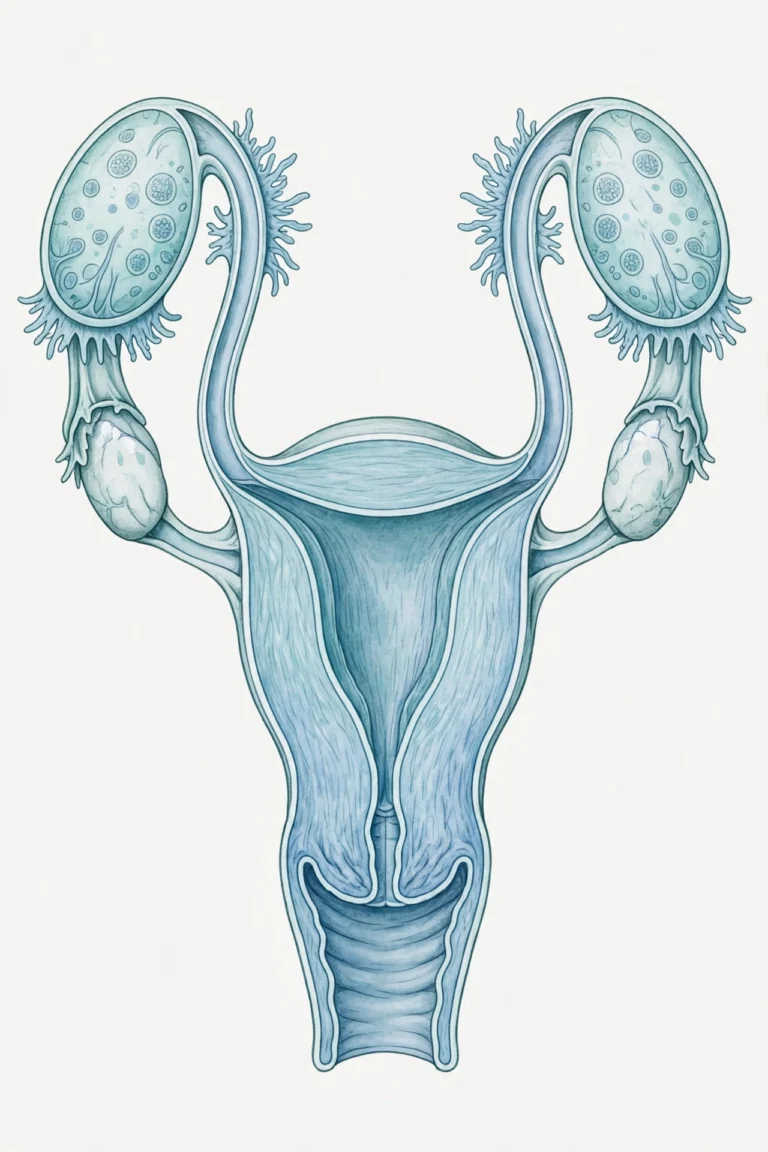
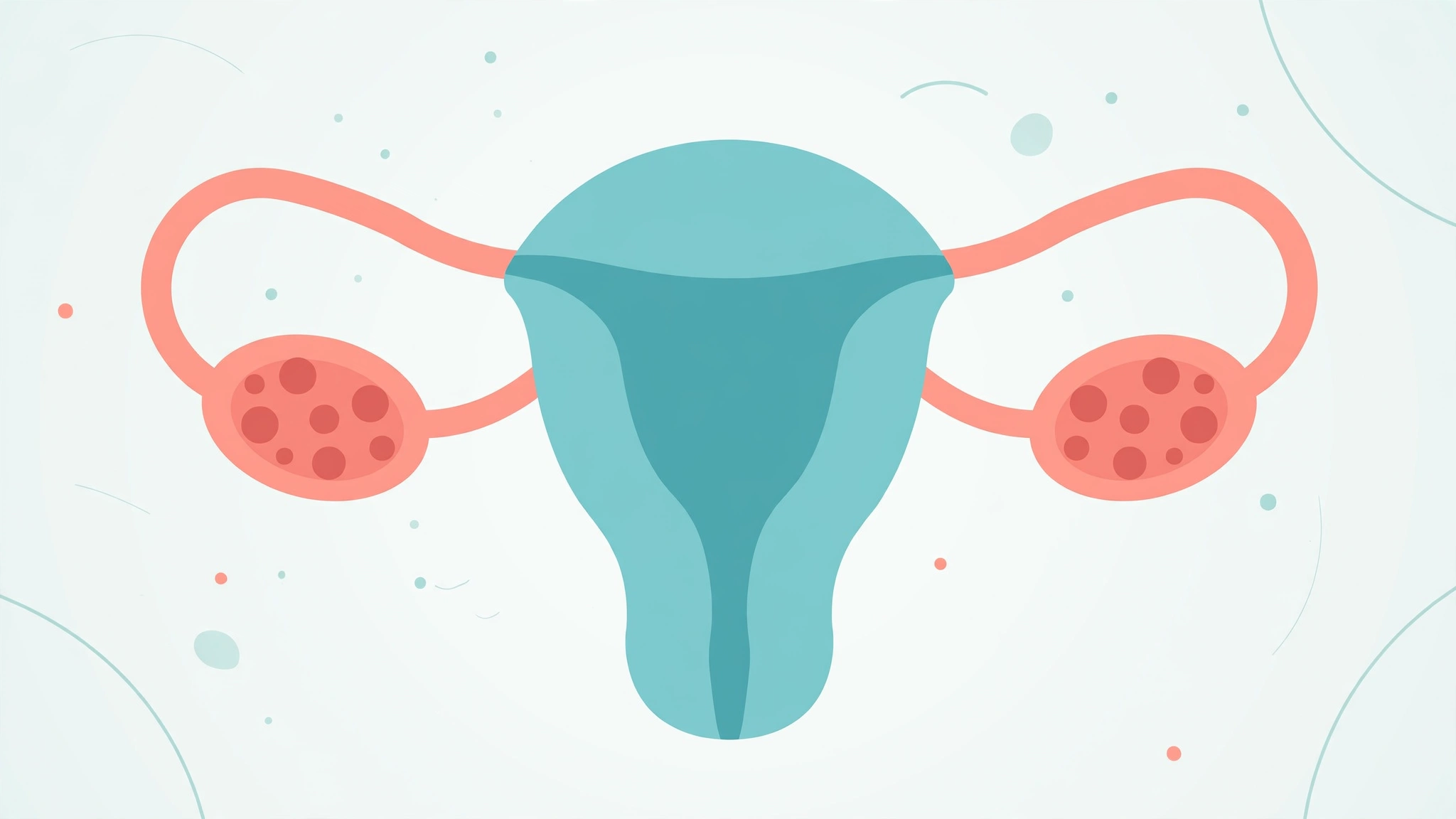
Female fertility depends on a chain of events — ovulation, an open pathway through the fallopian tubes, a healthy uterus, and balanced hormones. A problem at any point in this chain can make conception difficult. Here are the infertility causes couples ask their doctors about most often, starting with female factors.
Ovulation disorders
Polycystic ovary syndrome (PCOS) is the leading cause of ovulation disorders, disrupting the hormonal signals that trigger egg release (see our PCOS and fertility guide). Thyroid disorders, high prolactin levels, and significant weight changes can also interfere with ovulation.
Damage to the fallopian tubes
The fallopian tubes are where fertilization actually happens — the egg and sperm meet there before the fertilized egg travels to the uterus. Tubes can become blocked or damaged by pelvic infections (particularly chlamydia and gonorrhea that progress to pelvic inflammatory disease), endometriosis, or previous pelvic or abdominal surgery. Even when partially open, damaged tubes may not transport the egg or embryo properly.
Endometriosis
Endometriosis — where tissue similar to the uterine lining grows outside the uterus — affects an estimated 25–40% of women with infertility. It can cause inflammation, scarring, and distorted pelvic anatomy that interferes with egg release, fertilization, and implantation. Read more in our endometriosis and fertility guide. Mild endometriosis may not be visible on imaging, which is why specialists sometimes recommend a closer look when other tests come back normal.
Uterine conditions
Structural problems can also prevent implantation: uterine polyps, fibroids growing into the uterine cavity, internal scar tissue from prior procedures, and congenital uterine abnormalities. Many are treatable once identified through ultrasound or specialized imaging.
Age and diminished ovarian reserve
Primary ovarian insufficiency (loss of normal ovarian function before age 40) can cause early infertility and is sometimes linked to genetic factors, autoimmune conditions, or prior cancer treatments. Less commonly, hostile cervical mucus or hormonal imbalances involving the thyroid, prolactin, or adrenal glands can also interfere with conception.
Infertility Causes in Couples: What Can Affect Male Fertility
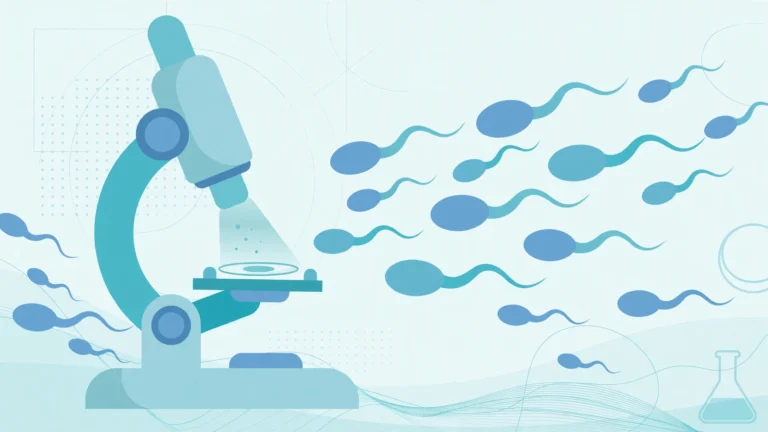
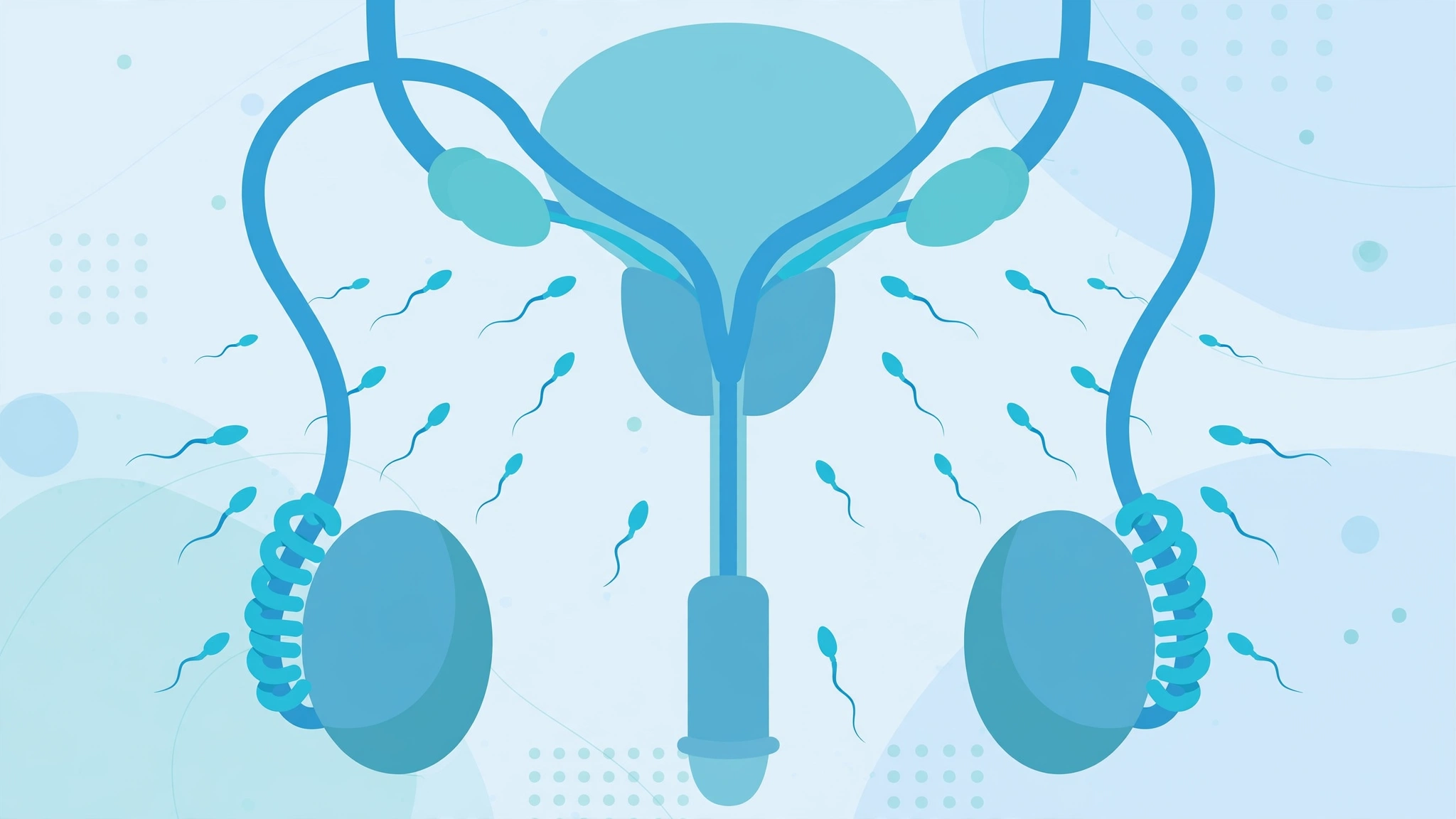
Male fertility depends on producing enough healthy, mobile sperm and delivering them effectively. When reviewing the infertility causes couples deal with, doctors evaluate the male partner with a semen analysis — one of the simplest, least invasive, and most informative tests in the entire fertility workup. Common male-side causes include:
Sperm production and quality problems
The most common male factors involve the sperm themselves: low sperm count (fewer than 15 million sperm per milliliter of semen), poor motility (sperm that do not swim well enough to reach the egg), and abnormal morphology (a high percentage of unusually shaped sperm). A complete absence of sperm in the ejaculate is called azoospermia. These issues may reflect problems with sperm production in the testicles or with the hormonal signals that drive production.
Varicocele
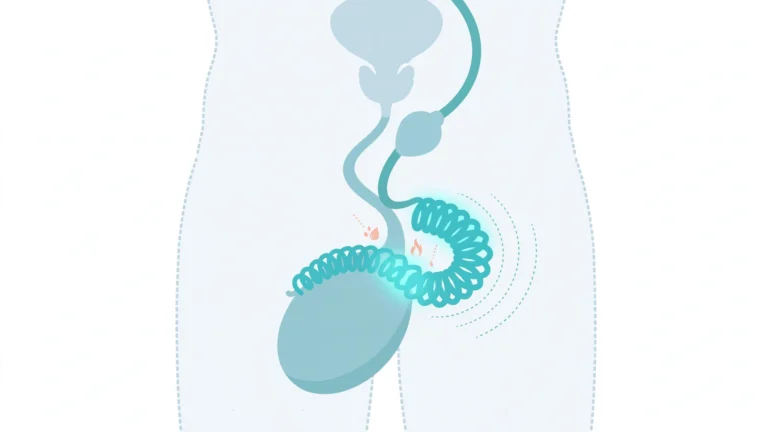
A varicocele — enlarged veins in the scrotum, similar to varicose veins — is one of the most common correctable causes of male infertility. The extra blood flow raises testicular temperature and may reduce sperm quality. Many men with varicoceles are fully fertile, but when semen analysis is abnormal and no other cause is found, specialists often discuss treatment options with the couple.
Blockages and ejaculation disorders
Sperm may be produced normally but blocked from reaching the ejaculate. Obstructions can occur in the vas deferens or epididymis, sometimes related to prior infections, surgery (including vasectomy), or congenital absence of the vas deferens. Retrograde ejaculation — where semen enters the bladder instead of exiting the penis — and erectile or ejaculatory difficulties can also contribute.
Hormonal and genetic causes
Low testosterone or imbalances in the hormones that regulate sperm production (FSH, LH, prolactin) can reduce fertility. Genetic conditions such as Klinefelter syndrome, Y-chromosome microdeletions, or cystic fibrosis gene mutations are found in a meaningful share of men with very low or absent sperm counts, and specialists may recommend genetic testing in these situations. The Mayo Clinic’s guide to male infertility offers a detailed overview of these causes.
Infections and medical history
Prior infections of the reproductive tract — including sexually transmitted infections and inflammation of the testicles (orchitis) — can impair fertility. A history of undescended testicles, groin or testicular surgery, hernia repair, and certain cancer treatments (chemotherapy or radiation) are all red flags that warrant early evaluation. Paternal age matters too: advancing male age is associated with lower sperm quality and slightly higher risks for the child.
Combined, Unexplained, and Secondary Infertility
Not every case fits neatly into a “male” or “female” box — and this is one of the least understood aspects of the infertility causes couples face. In clinical studies, a majority of infertile couples have contributing factors in both partners at once: for example, mild endometriosis in one partner combined with borderline sperm motility in the other. Neither issue alone might prevent pregnancy, but together they can tip the balance. This is exactly why fertility specialists test both partners rather than working through one person at a time.
Unexplained infertility — where comprehensive testing reveals no clear cause — affects roughly 10–20% of couples. An “unexplained” diagnosis does not mean nothing is wrong; it means current tests cannot pinpoint the issue. Subtle problems with egg quality, fertilization, or implantation may be involved, and many of these couples do go on to conceive, with assistance or on their own.
Secondary infertility is difficulty conceiving after previously having a child, and it is surprisingly common. Its causes overlap with primary infertility — advancing age (the most common driver), new-onset ovulation problems, tubal damage from infections or complications after a prior delivery, progressing endometriosis, declining sperm quality, and new medical conditions or medications. Couples with secondary infertility should follow the same timelines for seeking help below, without assuming a previous pregnancy guarantees future fertility.
Lifestyle and Environmental Factors Both Partners Can Address
While lifestyle rarely explains the infertility causes couples struggle with on its own, several modifiable factors influence reproductive health in both partners:
- Smoking — damages eggs and sperm alike and is linked to earlier menopause and reduced treatment success.
- Alcohol — heavy drinking is associated with ovulation problems in women and reduced sperm production in men; specialists generally advise limiting or avoiding it while trying to conceive.
- Weight — both obesity and very low body weight can disrupt hormones, ovulation, and sperm quality. Even modest weight changes toward a healthy range can help.
- Heat and occupational exposures — frequent high heat exposure (hot tubs, saunas, laptops on laps) may temporarily reduce sperm quality; exposure to certain chemicals, pesticides, and heavy metals has been linked to fertility problems in both sexes.
- Chronic stress and poor sleep — may affect hormonal balance and sexual function, though the direct link to conception is less clear; managing stress supports overall health during a demanding process.
- Timing — couples are most likely to conceive with intercourse every 1–2 days during the fertile window (the days leading up to and including ovulation).
When to See a Fertility Specialist: The Exact Timelines
One of the most common questions couples ask is how long to try before seeking help. Fertility specialists — reproductive endocrinologists for women, and urologists specializing in male fertility for men — follow widely accepted guidelines:
- Under age 35: seek evaluation after 12 months of regular, unprotected intercourse without pregnancy.
- Ages 35–40: seek evaluation after 6 months of trying, because fertility declines more quickly in this window.
- Over age 40: consider evaluation right away, or after only a few months of trying.
Beyond these timelines, certain situations warrant immediate referral without waiting, according to guidance from the Mayo Clinic and the American College of Obstetricians and Gynecologists (ACOG):
- Irregular, absent, or very painful periods, or known ovulation problems
- Known or suspected endometriosis, pelvic inflammatory disease, or prior pelvic surgery
- Two or more miscarriages
- Prior cancer treatment with chemotherapy or radiation
- For the male partner: erection or ejaculation problems, testicular pain or swelling, a history of testicular or prostate conditions, prior groin/testicle surgery, or a known low sperm count
- A known genetic condition affecting fertility in either partner
Earlier evaluation is never harmful — at worst, it confirms everything looks normal and gives you a clear plan. The sooner the infertility causes couples face are identified, the more options they typically have. Waiting, on the other hand, can cost valuable time when age-related decline is a factor.
What Happens at the First Specialist Visit
Knowing what to expect removes much of the anxiety around that first appointment. A fertility evaluation focused on the infertility causes couples most commonly encounter is methodical and usually completed within one or two visits:
- Detailed history for both partners — menstrual history, pregnancy history, medical and surgical history, medications, lifestyle factors, and how long you have been trying.
- Hormone blood tests — typically drawn on specific cycle days (for example, day 2–4 testing of FSH, LH, and estradiol), plus thyroid and prolactin levels. AMH (anti-Müllerian hormone) gives an estimate of ovarian reserve and can be drawn on any cycle day.
- Semen analysis — usually the first test for the male partner; it assesses sperm count, motility, and shape. If results are abnormal, it is repeated and hormone or genetic testing may follow.
- Pelvic ultrasound — checks the uterus and ovaries for fibroids, polyps, cysts, and counts the small resting follicles (antral follicle count) that indicate ovarian reserve.
- Fallopian tube check — a hysterosalpingogram (HSG), where dye or saline is passed through the cervix to confirm the tubes are open, often combined with an assessment of the uterine cavity.
Bring any prior test results, a record of menstrual cycles, and a list of medications. Based on the findings, the specialist will explain the most likely causes and outline options — which may range from timed intercourse or ovulation support, to intrauterine insemination (IUI), to in vitro fertilization (IVF) or surgery for correctable problems.
Supporting Each Other Through the Process
Infertility affects both partners emotionally, even when testing identifies a cause in only one person. Couples who communicate openly, attend appointments together, and make treatment decisions jointly cope better. Because the infertility causes couples navigate are medical rather than personal failings, facing them as a team protects the relationship itself. If stress, grief, or relationship strain builds, consider a therapist experienced in fertility issues — many clinics can refer you — and know that support groups, in person or online, can ease the isolation infertility often brings.
FAQs
What are the most common infertility causes in couples?
The most common infertility causes couples face include ovulation disorders such as PCOS, blocked or damaged fallopian tubes, endometriosis, uterine conditions, and age-related egg decline in women — plus low sperm count, poor sperm motility, varicocele, blockages, and hormonal problems in men. In about a third of cases, both partners contribute, and in 10–20% no cause is found.
How long should we try before seeing a fertility specialist?
Try for 12 months if the female partner is under 35, and 6 months if she is 35 or older. Seek help immediately — without waiting — if you are over 40, have irregular or very painful periods, known endometriosis or pelvic infections, a history of miscarriages, prior cancer treatment, or if the male partner has erection, ejaculation, or testicular concerns.
Can infertility be caused by the male partner?
Yes — among the infertility causes couples encounter, male factors are involved in roughly a third of all infertility cases and contribute to up to half. The main male causes are low sperm count, poor sperm movement or shape, varicocele, blockages in the sperm ducts, hormonal imbalances, infections, and prior testicular surgery or injury. A simple semen analysis is usually the first test.
Does having regular periods mean my fertility is normal?
Not necessarily. Regular periods usually suggest ovulation is happening, but they do not rule out blocked fallopian tubes, endometriosis, uterine conditions, age-related egg quality decline, or male-factor issues. That is why specialists evaluate both partners even when cycles appear completely normal — many infertility causes couples face are invisible on the surface.
Can we experience infertility if we already have a child?
Yes — this is called secondary infertility, and it is common. Causes include advancing age, new ovulation problems, tubal damage from infections or complications after a previous delivery, progressing endometriosis, declining sperm quality, and new medical conditions or medications. The same timelines for seeking specialist help apply, since secondary infertility involves the same infertility causes couples face with primary infertility.
Can birth control cause infertility?
No — there is no evidence that standard contraception, including the pill, causes lasting infertility. Fertility typically returns within a few cycles after stopping most methods. The one exception is pelvic infection related to an IUD, which is rare. If pregnancy does not occur within several months of stopping contraception, or you suspect any of the infertility causes couples commonly face, speak with your doctor.
When in Doubt, Talk to a Specialist
Whatever the infertility causes couples are dealing with turn out to be, the single most important step is getting evaluated rather than wondering in silence. Modern fertility medicine can identify a cause in the majority of couples and offers effective paths forward for most of them. If the timelines above describe your situation, schedule a consultation with a reproductive endocrinologist or a urologist specializing in male fertility — an early conversation costs little and can save precious time. You may also find our related guides on PCOS and fertility and endometriosis and fertility helpful as you prepare.
Medical disclaimer: This article is for educational purposes only and is not medical advice. Infertility evaluation and treatment should always be guided by a qualified healthcare professional. If you are concerned about your fertility, please consult your doctor or a board-certified fertility specialist for personalized guidance.