12 PCOS Symptoms Every Woman Should Know About
If your periods show up whenever they please, your jawline keeps breaking out no matter what you try, and weight piles on without any change in your habits — you are not imagining things. These are classic pcos symptoms in women, and they point to polycystic ovary syndrome, one of the most common hormone conditions in women of reproductive age.
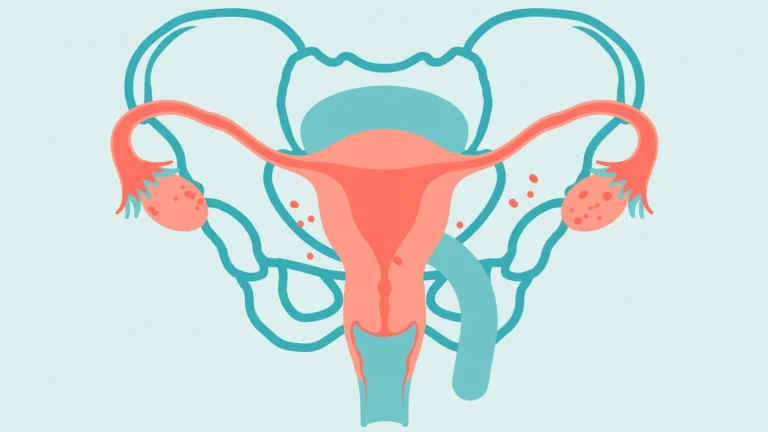
PCOS affects roughly 1 in 10 women. In PCOS, the ovaries often contain many small fluid-filled follicles and produce higher-than-normal levels of androgens — sometimes called 'male' hormones. That imbalance drives most of the symptoms below.
The frustrating part is that PCOS is frequently missed or brushed off for years. The reassuring part: once it is identified, there are proven ways to manage it. Here are the 12 signs worth knowing.
What Is PCOS, Exactly?
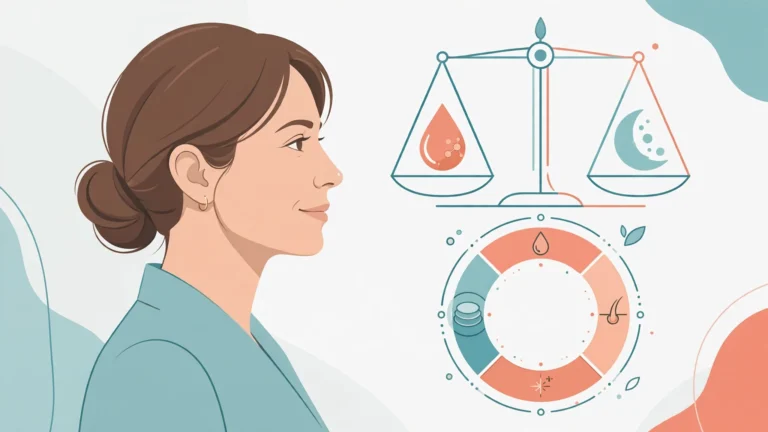
PCOS is a hormonal disorder — not an infection, and not one single cyst problem. Despite the name, many women with PCOS do not have actual cysts. The core issue is a hormonal imbalance: higher androgens plus, very often, insulin resistance, where the body struggles to use insulin properly.
No one knows the exact cause, but genes and lifestyle both play a role. It often runs in families — if your mother or sister has PCOS, your odds are higher.
12 Key PCOS Symptoms in Women
You do not need all of these to have PCOS. Most women have a mix.
Cycle-Related Signs
1. Irregular, missed, or absent periods. Periods that arrive less often than every 35 days, fewer than 8 or 9 periods a year, or periods that vanish for months. This happens because ovulation is irregular or does not happen at all.
2. Very heavy or very light periods. When ovulation does not occur regularly, the uterine lining builds up and sheds unpredictably — causing heavy bleeding with clots, or unusually light spotting.
3. Trouble getting pregnant. Irregular ovulation makes conceiving harder. PCOS is one of the most common causes of infertility — but many women with PCOS do conceive, especially with treatment.
Hair and Skin Changes
4. Excess facial or body hair. Coarse, dark hair on the upper lip, chin, chest, or back, driven by higher androgen levels. This is one of the most distressing symptoms — and one of the most treatable.
5. Thinning hair on the scalp. Hair may thin at the crown or the part may widen, a pattern sometimes called female-pattern hair loss.
6. Stubborn adult acne. Breakouts along the jawline, chin, and lower face that resist typical treatments. If acne flares with your cycle or arrives with other symptoms on this list, hormones may be the driver — see our guide on birth control for acne.
Weight and Body Changes
7. Weight gain that is hard to reverse. Many women with PCOS gain weight easily, especially around the middle, and find it unusually hard to lose. Insulin resistance plays a big role — and even modest weight loss (5–10%) can noticeably improve symptoms.
8. Dark, velvety patches of skin. Darkened skin on the neck, armpits, or groin (called acanthosis nigricans) is a sign of insulin resistance and worth mentioning to your doctor.
9. Skin tags. Small, soft skin tags — especially around the neck and armpits — show up more often in women with PCOS.
The Hidden Ones
10. Pelvic aching. A dull ache in the lower abdomen, sometimes around ovulation or during periods, can occur with PCOS.
11. Low mood, anxiety, and fatigue. Women with PCOS report higher rates of depression and anxiety — partly hormonal, partly the stress of dealing with visible symptoms. Exhaustion that sleep does not fix is common too.
12. Loud snoring or daytime sleepiness. Sleep apnea is more common with PCOS. If you snore heavily or wake up unrefreshed despite enough sleep, it is worth getting checked.
PCOS or Something Else?
Thyroid disorders, high prolactin, and certain adrenal conditions can mimic PCOS closely. Blood tests and a pelvic ultrasound help sort it out — which is why self-diagnosing from a checklist alone is never enough. A proper workup rules the lookalikes out.
When to See a Doctor
Book an appointment if you notice any of these:
- Missed periods for 3 or more months (and you are not pregnant)
- Two or more symptoms from the list above at the same time
- Trying to conceive for 12 months without success (6 months if you are over 35)
- Dark skin patches, rapid hair changes, or sudden severe acne
- Signs of depression or anxiety that affect daily life
This article is for information only and is not medical advice. If several of these sound familiar, please talk to a healthcare professional.
What Helps? Treatment Basics
There is no single cure, but PCOS responds well to treatment. Options depend on your symptoms and whether you want to conceive:
- Lifestyle first: regular movement, balanced meals, and 5–10% weight loss can restore ovulation for many women. Our guide on PCOS, insulin resistance, and weight goes deeper on the connection.
- Hormonal birth control: regulates periods, lowers androgens, and improves acne and unwanted hair.
- Metformin: commonly prescribed when insulin resistance is part of the picture.
- Fertility treatments: medications like letrozole or clomiphene help trigger ovulation, and most women respond well.
- For excess hair: laser hair removal, prescription eflornithine cream, or anti-androgen medications.
For a trustworthy medical overview, see the Mayo Clinic's guide to PCOS.
How Is PCOS Diagnosed?
Doctors usually use the Rotterdam criteria: you need at least two of three signs — irregular or absent ovulation, signs of high androgens (blood tests or symptoms like excess hair and acne), and polycystic-looking ovaries on ultrasound.
Expect blood tests checking testosterone, insulin, blood sugar, thyroid hormones, and prolactin — this rules out lookalike conditions. A pelvic ultrasound looks at the ovaries. The whole workup is straightforward and usually done in one or two visits.
Living Well With PCOS: Habits That Help
Medication matters, but daily habits do heavy lifting too:
- Move regularly: 150 minutes of moderate activity a week improves insulin sensitivity — brisk walking counts.
- Eat for steady blood sugar: protein and fiber at each meal, fewer sugary drinks and refined carbs.
- Protect your sleep: 7–9 hours; poor sleep worsens insulin resistance and cravings.
- Manage stress: chronic stress raises cortisol, which can worsen hormonal imbalance — even short daily walks help.
- Get support: PCOS affects mood and body image. Talking to others with PCOS, online or in person, genuinely helps.
Frequently Asked Questions
Can you have PCOS and still get regular periods?
Yes. Not everyone has every symptom — some women with PCOS have regular cycles but deal with acne, hair growth, or weight issues instead.
Does PCOS mean I cannot get pregnant?
No. PCOS makes ovulation irregular, which makes timing harder, but many women with PCOS conceive — often with simple fertility medications.
Is there a cure for PCOS?
There is no permanent cure, but symptoms can be managed very effectively, and many women find their cycles regulate with treatment.
Do I need an ultrasound to be diagnosed?
Not always. Diagnosis is usually based on a combination of symptoms, blood tests, and sometimes an ultrasound — your doctor decides what is needed.
The Bottom Line
Irregular periods, stubborn acne, unwanted hair growth, and hard-to-shift weight are not flaws to hide — they are clues. If these pcos symptoms in women sound familiar, a simple doctor visit and a few blood tests can give you answers, and treatment can make a real difference in how you feel day to day.