Can You Get Pregnant From Precum? What Doctors Say
Can You Get Pregnant From Precum? What Doctors Say
It's one of the most searched questions in all of sexual health, usually typed late at night in a moment of worry: can you get pregnant from precum? Maybe you were relying on the withdrawal method. Maybe a condom went on a little late. Either way, you want a straight answer — not a lecture.
Here it is, the way doctors give it: yes, you can get pregnant from precum. It's less likely than pregnancy from full ejaculation, but it is absolutely possible, and it happens to real couples every year. This guide explains why, when the risk is highest, what the research actually says, and exactly what to do if you're worried right now.
Can You Get Pregnant From Precum? What It Is, Exactly
Precum — also called pre-ejaculate or pre-seminal fluid — is the clear, slippery fluid that leaks from the penis during sexual arousal, before ejaculation. It's produced by the Cowper's glands, two pea-sized glands near the base of the penis.
It has two jobs: to lubricate the urethra and to neutralize leftover acidity from urine, creating a more welcoming path for sperm. Here's the important part: pure precum, straight from the Cowper's glands, contains no sperm. That's where the confusion starts — because in real life, precum rarely stays pure.
How Does Sperm Get Into Precum?
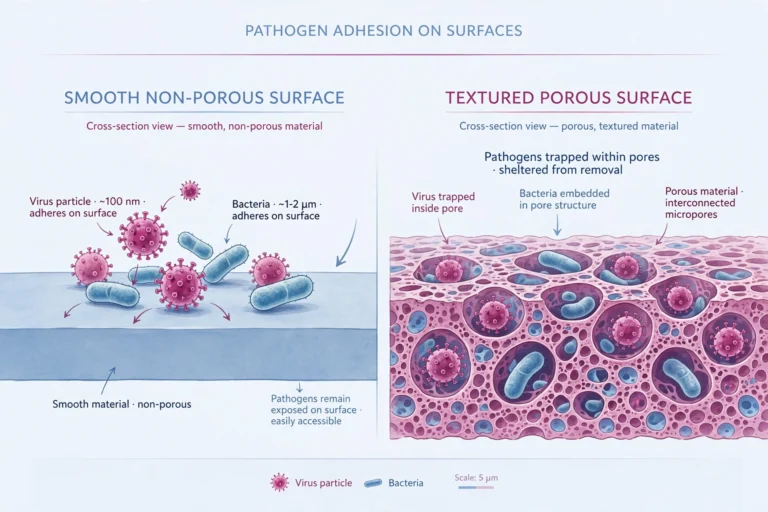
The male urethra is a shared highway. Urine travels through it, and so does semen. After a man ejaculates — from sex or masturbation — small amounts of sperm can linger in the urethra. The next time precum flows through that same passage, it can pick up those leftover sperm and carry them out.
Doctors also point to a second, less-known fact: some men naturally leak small amounts of sperm into their pre-ejaculate, even without recent ejaculation. Planned Parenthood describes pregnancy from precum as "unlikely but possible" when motile sperm is present, and OB-GYNs echo the same caution in clinical interviews.
This is the core reason the withdrawal method is so unreliable. Even with perfect timing on the pull-out, precum has been entering the vagina throughout intercourse — the exposure happens before withdrawal ever does.
What Does the Research Say?
Several studies have tested precum samples for sperm, and the results are consistent enough to take seriously:
- A 2010 study in the journal Human Fertility found sperm in the precum of 41% of participants — and about 37% of that sperm was motile, meaning it could swim.
- A 2016 study found mobile sperm in the precum of nearly 17% of participants.
- An earlier 2011 study found motile sperm in 37% of samples from 27 participants.
The numbers vary because the studies were small and methods differed. But they all point in the same direction: the chance is not zero. And since it only takes a single sperm reaching an egg to start a pregnancy, even a small amount of motile sperm matters.
Does Urinating Before Sex Help?
Urinating before sex may flush some leftover sperm from the urethra, which could reduce — but never eliminate — sperm in precum. Doctors consider it a reasonable habit, not a contraceptive strategy. Never rely on it as protection.
When Is Pregnancy From Precum Most Likely?
Pregnancy can only happen when sperm meets an egg, so where you are in the menstrual cycle changes the risk dramatically:
- Around ovulation — highest risk. An egg lives only 12–24 hours after release, but sperm can survive inside the reproductive tract for up to 5 days. That means sex up to five days before ovulation can still lead to pregnancy. Doctors call this stretch the fertile window: roughly the five days before ovulation plus ovulation day itself. If you're not tracking your cycle, this is the part most people get wrong — you don't need to be ovulating on the day you have sex. Sperm that arrived days earlier may still be waiting.
- Right after your period — low but not zero. Ovulation typically happens about 14 days before the next period, not a fixed number of days after the last one. In irregular or short cycles, ovulation can arrive earlier than expected — after stress, illness, or travel, for example.
- During your period — very low but not zero. For people with very short cycles, sperm surviving in the body could theoretically meet an early-released egg.
- On reliable birth control — very low. If you're using a hormonal method, an IUD, or condoms correctly from start to finish, precum isn't a meaningful threat. The risk appears when a condom is put on after contact has already begun — one of the most common condom mistakes.
If you want to understand your own fertile days, our guide on tracking your fertile window walks through the signs step by step.
Why the Withdrawal Method Fails So Often
Withdrawal — the pull-out method — fails about 20 out of 100 couples per year with typical use. That's roughly one in five. Two problems drive that number:
1. Precum exposure happens the entire time. Every moment of unprotected contact before withdrawal is a moment precum may be carrying sperm into the vagina.
2. Perfect timing is nearly impossible. Ejaculation doesn't always come with a clear, reliable warning — especially for younger or less experienced men.
Doctors are blunt about this: if avoiding pregnancy truly matters to you, withdrawal should not be your only plan. Mayo Clinic's own guidance confirms the same point: pre-ejaculate fluid can contain sperm, making withdrawal an unreliable method of birth control.
Does Precum Carry STIs Too?
Yes — this is the part people forget. Precum can transmit sexually transmitted infections even without ejaculation. STIs like chlamydia, gonorrhea, and HIV can be present in pre-ejaculate. Withdrawal offers zero protection against infections, which is another reason clinicians recommend condoms for anyone not in a mutually monogamous, tested relationship.
What to Do If You've Already Had Unprotected Sex
If this article found you in a moment of worry, here's what actually matters, in order:
1. Consider emergency contraception (EC). EC can significantly reduce the risk of pregnancy when used within 3–5 days of unprotected sex, depending on the method. Copper IUDs are the most effective option and must be placed by a clinician. For a full breakdown of your options and timing, see our guide on emergency contraception options.
2. Don't wait to act. Every EC method works best the sooner you use it.
3. Take a pregnancy test if your period is late. Most home tests are reliable from the first day of a missed period; testing earlier often gives a false negative.
4. Talk to a doctor or pharmacist if you're unsure which EC option fits your situation or health history.
How to Protect Yourself Going Forward
- Use a reliable method every time: condoms, hormonal contraception, an IUD, or a combination of methods.
- Put condoms on before any genital contact begins — not partway through.
- If you currently rely on withdrawal, talk to your doctor about adding a primary method. Many people keep withdrawal as a backup while using condoms or hormonal birth control as the main protection.
- No method except abstinence is 100% effective — but the gap between withdrawal (~78% effective with typical use) and an IUD (over 99%) is enormous.
When to See a Doctor
- Your period is late and a home test is positive — or repeatedly unclear.
- You need emergency contraception and aren't sure which option suits you.
- You notice unusual symptoms after unprotected sex — burning, discharge, sores, or pelvic pain — which can signal an STI.
- You want to switch to a more reliable contraceptive method and need personalized guidance.
FAQ
Can you get pregnant from precum if he pulls out in time?
Yes. Pulling out "in time" only prevents pregnancy from full ejaculation. Precum is released throughout arousal, so sperm it carries can enter the vagina long before withdrawal happens.
Can you get pregnant from precum while ovulating?
This is when the risk is highest. If sperm from precum reaches the egg within its 12–24 hour window — or is already waiting in the reproductive tract when ovulation occurs — pregnancy can happen.
Does peeing before sex prevent pregnancy from precum?
No. Urinating may flush some residual sperm from the urethra, but it doesn't make precum sperm-free, and some men leak sperm into precum regardless. Never rely on it as contraception.
How likely is pregnancy from precum, exactly?
There's no single number — it depends on whether sperm is present, where you are in your cycle, and individual fertility. The honest medical answer: less likely than with ejaculation, but possible enough that no doctor counts withdrawal as real protection.
The Bottom Line
Can you get pregnant from precum? Yes — doctors are unanimous on this. Pure precum contains no sperm, but real-world precum often picks up enough motile sperm to cause pregnancy, especially during the fertile window. Studies have found sperm in a meaningful share of samples, and the withdrawal method's ~20% annual failure rate tells the rest of the story.
If avoiding pregnancy matters to you, treat precum as a real risk: use condoms from the start, consider a more reliable primary method, and know your emergency options. And if you're already worried about a recent encounter, act quickly — emergency contraception is most effective the sooner you use it.