Late Period but Not Pregnant: 10 Common Reasons
Late Period but Not Pregnant: 10 Common Reasons
Few things spike anxiety faster than a period that doesn't show up on time. Your mind jumps straight to pregnancy — and when the test says negative, the worry doesn't exactly disappear. It just changes shape: then why is my period late? The reassuring truth is that a late period not pregnant is extremely common, and most of the time it comes down to everyday factors like stress, sleep, weight changes, or hormones doing their unpredictable dance. Here are the 10 most common reasons, plus exactly when a late period deserves a doctor's visit.
Late Period Not Pregnant? First Make Sure the Test Is Right
Before running through the reasons below, confirm the negative result is trustworthy:
- Tested too early? Home pregnancy tests detect hCG, which needs time to build up. Testing before your missed period — or with very diluted urine — can give a false negative. Retest in 5 to 7 days using first-morning urine.
- Irregular ovulation? If you ovulated later than usual this cycle, your period is simply on a delayed schedule, and an early test may have missed the hCG window.
- Very rare false negatives can also come from expired tests or certain medications.
If two tests a week apart are both negative and your period still hasn't arrived, pregnancy is very unlikely — and the reasons below are the far more probable explanation.
10 Common Reasons for a Late Period When You're Not Pregnant
1. Stress
The number-one, most underestimated cause. When you're under sustained pressure — exams, work deadlines, grief, relationship turmoil — your brain pumps out cortisol. High cortisol interferes with the hypothalamus, the brain region that signals your ovaries to ovulate. No ovulation, no period on schedule. Even good stress (a wedding, a big move, an exciting new job) can delay a cycle by days or weeks.
2. Intense exercise or sudden weight loss
Training hard for a marathon, ramping up to daily high-intensity workouts, or losing weight quickly can all suppress the hormones that drive ovulation. The body essentially decides reproduction can wait until energy is less scarce — a condition doctors call hypothalamic amenorrhea. Athletes and dancers experience this often. Easing back on training intensity usually brings cycles back.
3. Significant weight gain
The flip side matters too. Excess body fat produces extra estrogen, and too much estrogen disrupts the delicate hormonal choreography of the cycle — delaying ovulation or stopping periods altogether. Even moderate, rapid weight changes in either direction can throw timing off for a cycle or two.
4. Polycystic ovary syndrome (PCOS)
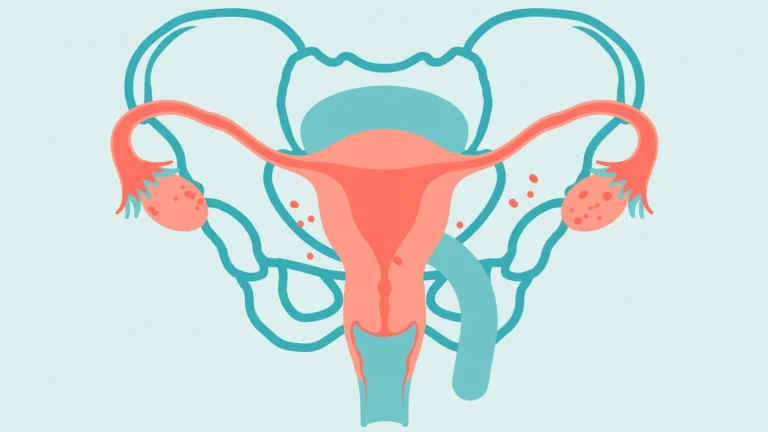
PCOS is the most common hormonal condition in women of reproductive age, and irregular or missing periods are its headline symptom. The ovaries produce higher levels of androgens (male-type hormones), which prevents regular ovulation. Clues that point toward PCOS: consistently irregular cycles, acne that won't quit, weight gain, and excess facial or body hair. A simple ultrasound and blood hormone panel can confirm it — and it is very manageable once diagnosed.
5. Thyroid problems
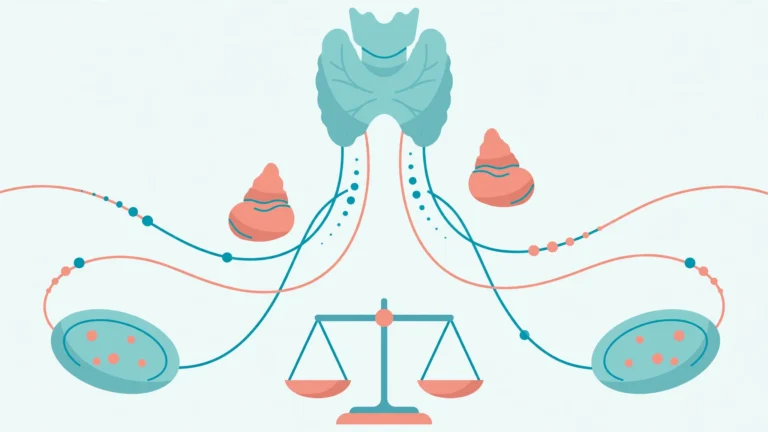
Your thyroid gland quietly regulates metabolism and interacts closely with reproductive hormones. An underactive thyroid (hypothyroidism) can make periods infrequent or very late; an overactive one (hyperthyroidism) can make them lighter and farther apart. Thyroid disorders are commonly missed because their calling cards — fatigue, mood changes, weight shifts — get blamed on everything else. A basic blood test (TSH) checks it in minutes.
6. Starting, stopping, or switching birth control
Hormonal contraception — pills, patches, rings, shots, implants, hormonal IUDs — works by controlling your cycle, so changing the formula changes the schedule. It is completely normal for periods to be late, light, or absent for a few months after starting, stopping, or switching methods. Progestin-only methods (the shot, the implant, hormonal IUDs) stop ovulation in many users, which can pause periods entirely for as long as you use them.
7. Perimenopause
If you're in your late 30s or 40s and cycles are getting erratic — sometimes early, sometimes late, sometimes skipped — you may be entering perimenopause, the transition years before menopause. Declining estrogen makes ovulation unpredictable. Hot flashes, night sweats, sleep disruption, and mood shifts often tag along. It can begin a full decade before menopause itself.
8. Medications
Several common drug classes list cycle changes as a side effect: certain antidepressants and antipsychotics (which can raise prolactin, a hormone that suppresses ovulation), some blood pressure drugs, allergy medications, and chemotherapy agents. If your late periods started soon after a new prescription, check the leaflet — and mention it to your prescriber rather than stopping the drug on your own.
9. Travel, shift work, and sleep disruption
Crossing time zones, switching to night shifts, or a stretch of terrible sleep can confuse your circadian rhythm — the internal clock that helps regulate hormone release. Research links circadian disruption to irregular cycles. Usually the cycle self-corrects once your sleep stabilizes, but chronic shift workers may notice a persistent pattern.
10. Chronic health conditions
Ongoing illnesses can quietly interfere with hormones: diabetes with poor blood sugar control, celiac disease, pituitary gland disorders, and premature ovarian insufficiency, among others. If late or missing periods come with other unexplained symptoms — extreme fatigue, excessive thirst, digestive issues, headaches with vision changes — the underlying condition deserves investigation, not just the missed period.
How Late Is "Late"?
A typical cycle runs 21 to 35 days, and even clockwork-regular women occasionally have an outlier cycle. General guidance:
- A few days late: almost always normal variation. Wait and watch.
- 7+ days late with negative tests: start paying attention to patterns and possible causes above.
- 90 days without a period (and not pregnant, breastfeeding, or on period-suppressing contraception): this is the medical threshold where doctors recommend an evaluation.
- Sudden change after years of regular cycles: worth discussing even before the 90-day mark.
Tracking your cycles — with an app or a simple calendar — turns vague worry into useful data your doctor can actually work with.
When to See a Doctor About a Late Period
Book an appointment if:
- You have missed periods for 3 months or more and are not pregnant.
- Your previously regular cycles suddenly become irregular.
- You have bleeding between periods, very heavy bleeding, or severe cramps when it does arrive.
- You notice possible PCOS or thyroid signs: excess hair growth, persistent acne, unexplained weight changes, hair thinning, constant fatigue, or feeling unusually cold or hot.
- You have milky nipple discharge or vision changes (possible prolactin or pituitary issues).
- You are trying to conceive and cycles are irregular — earlier evaluation helps.
- You are under 45 with hot flashes and missed periods — perimenopause or premature ovarian insufficiency needs checking.
At the visit, expect questions about your cycle history, weight changes, stress, medications, and symptoms — plus likely blood tests (thyroid/TSH, prolactin, androgens) and possibly a pelvic ultrasound. For background on cycle-related bleeding concerns, the American College of Obstetricians and Gynecologists' FAQ on abnormal uterine bleeding is a trustworthy reference.
Can You "Bring On" a Late Period?
You'll find endless home remedies online — parsley tea, vitamin C megadoses, vigorous exercise. Be skeptical: there is no safe, proven home method to force a period to start, and some suggested "remedies" are ineffective at best. What actually helps is addressing the likely cause: managing stress, stabilizing sleep, eating adequately, easing off extreme training, and reviewing medications with your doctor. If a hormonal cause like PCOS or thyroid disease is found, treating that restores the cycle properly.
Understanding how hormones drive both your cycle and your desire can also put symptoms in context — our piece on hormones and libido explores that connection.
FAQ: Quick Answers About a Late Period When Not Pregnant
How late can a period be without being pregnant?
A single cycle can run up to 35 days and still be within the normal range. Occasional outliers of a week or two happen to most women at some point, usually from stress, illness, or routine hormonal fluctuation.
Can stress really delay a period by weeks?
Yes. Sustained high cortisol can suppress ovulation for an entire cycle — meaning a delay of weeks, or a skipped period altogether. This is one of the most common causes doctors see.
Should I worry if my period is 10 days late but the test is negative?
Not urgently, but take a second test in a few days to rule out a too-early false negative. If tests stay negative and your period still doesn't come, review the 10 reasons above and track your next cycle.
Does a late period mean I'm infertile?
No — not by itself. One late period says almost nothing about fertility. But chronically irregular or absent periods (as in untreated PCOS or thyroid disease) can affect ovulation and are worth evaluating, especially if you're trying to conceive.
The Bottom Line
A late period not pregnant is usually your body's response to something — stress, a schedule upheaval, a medication change, or hormones shifting gears — not a crisis. Rule out pregnancy properly, give it a little time, and track what happens next. But don't ignore the pattern if it repeats: three months without a period, or a sudden change in a previously regular cycle, is your cue to get checked. Most causes are common, diagnosable with simple blood tests, and very treatable — and knowing the reason beats worrying about it every time.