Does Masturbation Lower Testosterone? Science Finally Settles the Debate
Does masturbation lower testosterone? This question pops up everywhere — in locker rooms, online forums, and "NoFap" communities that promise life-changing benefits if you simply stop. The short answer: no, masturbation does not lower testosterone in any lasting or meaningful way.
But the short answer doesn't explain why the myth refuses to die, or what science actually shows. In this article, we'll walk through the real research, untangle the studies people misquote, and look at what genuinely affects your testosterone levels. What you learn here may change how you think about the topic entirely.
Does Masturbation Lower Testosterone? The Quick Answer
Testosterone is the hormone most associated with male energy, sex drive, muscle mass, and overall vitality. So it's natural to worry that regular sexual activity might "use it up." But that's not how hormones work.
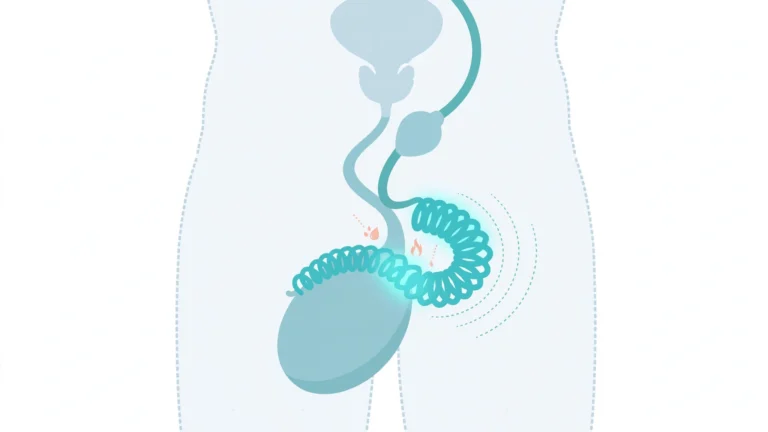
Your body produces testosterone continuously through a system called the HPG axis (hypothalamic-pituitary-gonadal axis). Think of it like a thermostat: when levels dip, your brain signals your testes to make more. A single act of masturbation doesn't break this thermostat or drain your reserves. The system simply adjusts and keeps going.
Every credible medical review on this question reaches the same conclusion: there is no evidence that masturbation — even frequent masturbation — causes a sustained or significant decrease in testosterone levels.
What Science Actually Shows
Let's look at what researchers have found, rather than what the internet claims.
Sexual activity can briefly raise testosterone
Multiple studies show that sexual activity, including masturbation, is linked to a temporary increase in testosterone — the opposite of what the myth predicts.
- A 2021 review in Frontiers in Psychology reported that testosterone tends to increase temporarily with sexual activity, while periods of abstinence showed no clear effect on levels either way.
- A 2017 study in the Journal of Sexual Medicine compared testosterone levels after ejaculation in 988 men and found no meaningful differences between groups — including men with and without delayed ejaculation.
- Researchers in Germany (2021) found that masturbation seemed to counteract the body's natural daily dip in testosterone, especially when visual stimulation was involved.
The pattern is consistent: small, short-term hormonal shifts happen around orgasm, but baseline testosterone stays where it was.
The famous "day-7 spike" study was retracted
You may have heard that one week of abstinence raises testosterone by 145%. That claim comes from a small 2003 study that measured a temporary peak around day 7 of abstinence — after which levels returned to normal.
Here's what the myth leaves out: the journal retracted that study in 2021, so it can't be relied on. And even before retraction, it showed a single brief spike that didn't last with continued abstinence — and it said nothing at all about masturbation lowering anything.
The refractory period isn't a testosterone crash
After orgasm, many men feel relaxed, sleepy, and temporarily less interested in sex. Some interpret this as their testosterone dropping. What's actually happening is a rise in prolactin and a settling of dopamine — a normal, short-term neurochemical shift that resolves within hours.
This is your body's natural "cool down" phase, not a hormonal deficit. It says nothing about your long-term testosterone levels, libido, or masculinity.
Where the Myth Came From
If the science is so clear, why does the claim persist? Three sources keep it alive.
Confusing porn problems with masturbation itself
This is where the myth has the most substance. Heavy, compulsive porn use may dysregulate the brain's dopamine reward system — similar to other compulsive behaviors — which can reduce motivation, dampen libido, and contribute to erectile difficulties in young men who have completely normal testosterone levels.
But that's a problem with compulsive porn consumption, not with masturbation itself. The hormone myth gets the villain wrong.
NoFap stories aren't evidence
Online communities full of men reporting higher energy and confidence after quitting masturbation make for compelling reading. But personal stories aren't controlled studies. Many of these men also sleep better, exercise more, socialize more, and stop binge-watching porn — all of which genuinely improve energy, mood, and confidence. The improvement gets credited to abstinence, but the lifestyle changes are doing the real work.
The athlete "depletion" myth
Coaches have warned for decades that sex before competition drains strength. A recent (2026) laboratory study of high-level male athletes found the opposite: pre-exercise sexual activity did not lower testosterone or impair performance. The researchers even suggested a possible "priming" effect, where sexual activity before exercise increased physiological drive and motor neuron activity. The only variable that mattered was belief — athletes who thought sex would hurt their performance tended to perform worse.
What Really Moves Your Testosterone Levels
If masturbation isn't the culprit, what is? The factors with real scientific backing are far less controversial:
Things that lower testosterone:
- Chronic sleep deprivation (under 6–7 hours a night)
- Obesity and excess belly fat
- Heavy alcohol use
- Chronic stress and high cortisol
- Certain medications and medical conditions
- Anabolic steroid use (which shuts down natural production)
Things that support healthy testosterone:
- Regular strength training and exercise
- Enough quality sleep
- A balanced diet with adequate calories, protein, zinc, and vitamin D
- Maintaining a healthy body weight
- Managing stress
- Avoiding heavy smoking and excessive drinking
Notice that masturbation appears on neither list. It simply isn't a lever that moves this dial.
If you're concerned about fertility specifically, it's worth noting that while very frequent ejaculation can temporarily reduce sperm concentration, it doesn't reduce testosterone or long-term fertility. (For more on habits that do affect male fertility, see our article on does vaping affect male fertility.)
Practical Takeaways for Your Health
Here's what to do with this information:
- Stop worrying about it. Anxiety about "lost testosterone" causes more harm — through stress and guilt — than masturbation ever could.
- Watch for compulsive patterns. If porn or masturbation is interfering with your work, relationships, or sleep, that's worth addressing — as a behavioral concern, not a hormonal one.
- Focus on what matters. Sleep, exercise, diet, and stress management are where your real hormonal gains live.
- Talk to a professional if libido drops suddenly. A real, sustained change in sex drive can signal medical issues (thyroid problems, depression, medication side effects) that deserve proper evaluation. If mismatched desire is creating tension with a partner, our guide on mismatched sex drives in couples can help you navigate the conversation.
Frequently Asked Questions
Can masturbation cause low testosterone long-term?
No. Research consistently shows no link between masturbation frequency and long-term testosterone levels. Short-term fluctuations around orgasm are normal and resolve within hours.
Does abstaining from masturbation increase testosterone?
Not in any meaningful or lasting way. The one study claiming a day-7 spike was retracted in 2021. A 2021 research review found abstinence has no clear effect on testosterone either way.
Does masturbation reduce muscle gains or gym performance?
No evidence supports this. A 2026 study of elite male athletes found that sexual activity before exercise did not reduce testosterone or impair physical performance.
When should I actually worry about low testosterone?
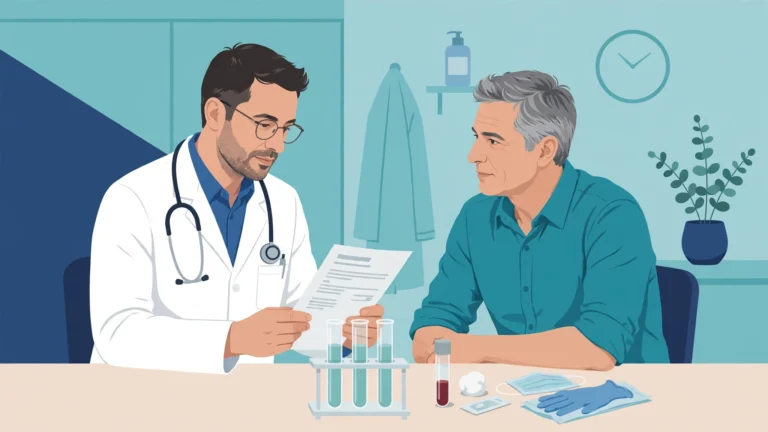
See a doctor if you notice persistent fatigue, noticeably low libido, erectile difficulties, loss of muscle mass, mood changes, or difficulty concentrating over weeks or months. These symptoms deserve a proper hormone blood test — not self-diagnosis from internet forums.
This article is for informational purposes only and isn't medical advice. For a medically reviewed breakdown of the same question, see Verywell Health's review. If you have symptoms of low testosterone, talk to your healthcare provider.