Digital Detox: How to Unplug Without Quitting Your Life
Digital Detox: How to Unplug Without Quitting Your Life
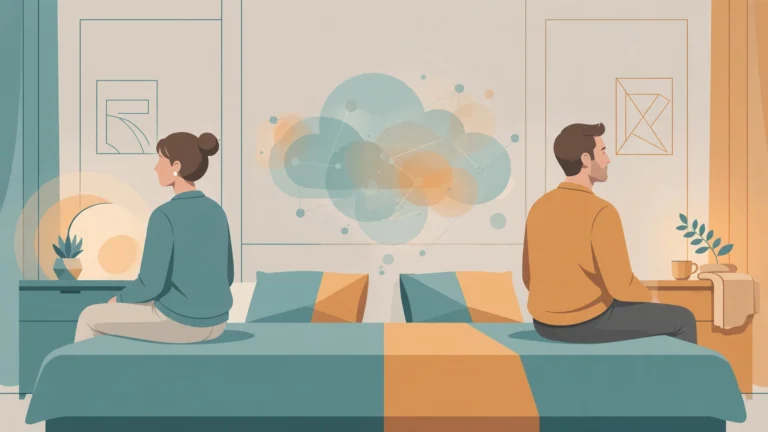
The average person now checks their phone dozens of times a day — first thing in the morning, last thing at night, and in nearly every gap in between. Meals, conversations, even moments that used to be quiet are now filled with scrolling.
You do not need to throw your phone in a river. But if your screen time has started to feel less like a tool and more like a habit you cannot quite control, a digital detox might be exactly what you need. Done right, it is not about quitting technology — it is about taking back control of your attention, your sleep, and your presence. Here is how to do it without quitting your life.
Do You Actually Need a Digital Detox?
Not everyone does. But be honest with yourself about these signs:
- You reach for your phone first thing in the morning, before you are even fully awake.
- You feel anxious or restless when your phone is not nearby.
- You scroll for an hour and feel mentally drained afterward, not entertained.
- You compare your life to what you see online and come away feeling worse.
- You struggle to focus on a task without checking something.
- You check work messages during downtime, evenings, and weekends.
- Your sleep has gotten worse, and late-night scrolling is part of the pattern.
- You feel disconnected from the people right in front of you — even in the same room.
If several of these sound familiar, you are not weak and you are not alone. It simply means your brain is craving stillness, and your habits have drifted further from your intentions than you would like.
What Unplugging Gives Back
A digital detox is a period of intentionally reducing time on your devices — not a permanent goodbye, but a reset of your relationship with technology. Even small reductions pay real dividends.
Better sleep. Screens before bed suppress melatonin and keep the mind buzzing. Cutting evening screen time is one of the simplest sleep upgrades available — and better sleep improves nearly everything else.
Sharper focus. Every notification fragments attention, and research suggests it can take many minutes to fully refocus after a single glance at your phone. Fewer interruptions mean deeper work and faster flow.
Calmer mood. Less comparison, less outrage, less information overload. Many people report feeling noticeably less anxious within days of cutting back.
Real presence. This is the big one. Without a screen mediating every moment, conversations get deeper, meals get slower, and you start noticing your actual life again.
More creativity. Boredom is where ideas come from. When every idle moment is filled with input, the mind never gets the quiet it needs to wander, connect, and create.
The Realistic Way: Three Levels
The all-or-nothing approach fails because modern life genuinely requires technology. Instead, pick the level that fits your life right now.
Level 1: Micro-breaks. Device-free pockets in your existing day — meals, the first hour after waking, the hour before bed. No announcements needed, no one inconvenienced. This alone transforms many people's evenings.
Level 2: Partial detox. Target your worst offenders. Delete social apps from your phone (keep them on desktop if needed), mute all non-essential notifications, set daily app limits, take one full screen-free day per week. Your phone becomes a tool again instead of a slot machine.
Level 3: Full detox. A weekend or a few days with minimal screens — phone on emergency-only, laptop closed. Tell people in advance, set an out-of-office reply, and plan offline activities so you are not just sitting there missing your feed. This is the deep reset, best done occasionally.
Start at Level 1. Only move up if it felt good rather than punishing.
9 Simple Ways to Start Your Digital Detox
You do not need a retreat in the mountains. These small, concrete changes do most of the work.
1. Guard your first hour. Do not check your phone for the first 30 to 60 minutes after waking. Your brain needs time to fully wake up, and starting the day reacting to messages and headlines sets a frantic tone. Stretch, drink water, step outside — start on your own terms.
2. Create a digital sunset. Choose a time — say, an hour before bed — when screens go off. Use that time for a bath, a paperback, journaling, or gentle stretching. Your sleep will thank you, and so will your mornings.
3. Make meals phone-free. Put phones in another room during meals. Focus on the food, the flavors, and the people. It guarantees several screen-free breaks a day and turns eating back into an experience rather than a refueling stop.
4. Charge your phone outside the bedroom. This single change kills two birds: no late-night scrolling, no first-thing scrolling. Buy a cheap alarm clock. Your bedroom becomes a sanctuary again.
5. Mute ruthlessly. Turn off notifications for everything except actual humans trying to reach you — calls and texts from real contacts. Email, social, and news alerts can all wait until you choose to check them.
6. Remove apps from your home screen. Or delete the worst offenders entirely and access them only from a browser. Every extra tap of friction weakens the autopilot loop. Unfollow or mute accounts that drain your energy while you are at it.
7. Take a daily walk without your phone. Even ten or fifteen minutes. Leave it at home or keep it silenced in a pocket. Notice the sky, the sounds, your own thoughts. Walking without a podcast lets your mind wander, which is surprisingly restorative.
8. Swap scrolling for an analog hobby. Keep a book, sketchpad, puzzle, instrument, or gardening tools within reach. When boredom strikes, reach for those instead of your phone. Hobbies that use your hands give your brain a different kind of focus and leave you feeling genuinely fulfilled.
9. Use tech to tame tech. It sounds ironic, but built-in Screen Time or Digital Wellbeing dashboards, app timers, Do Not Disturb schedules, and focus apps can enforce the limits your willpower cannot. Set a daily social media cap and let the phone nag you instead of the other way around.
The Couples' Digital Detox
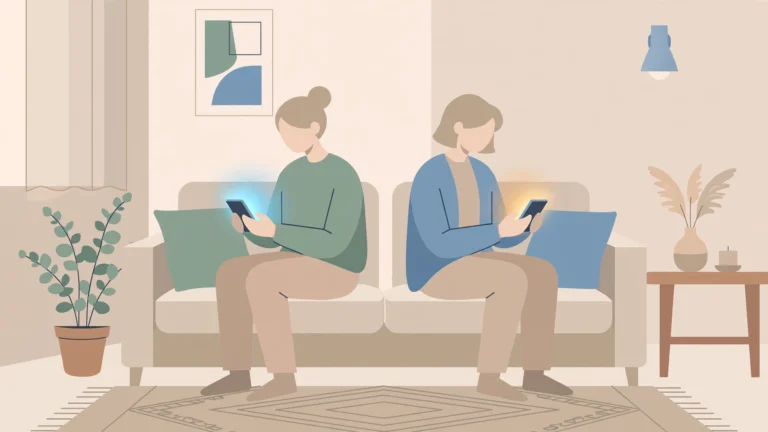
Here is where a digital detox pays off most visibly: your relationship. Many couples spend their together-time in parallel scrolling — same couch, different worlds. Over time, that quiet disconnection erodes intimacy more than any single argument.
Try a shared version. Agree on phone-free zones together: no phones at dinner, none in the bedroom, none during your evening walk. Put both phones in a basket by the door when you get home — it feels silly for about a day, then it feels like freedom. Plan one screen-free date a week: cook together, take a drive, play a board game, talk the way you used to.
Presence is a form of affection. Giving your partner your full, undivided attention — no glances at a buzzing screen — communicates value more clearly than words. It is also one of the simplest ways to rebuild emotional closeness, which is the soil intimacy grows in. Our guide on mindfulness and intimacy goes deeper on being truly present with your partner, and if late-night scrolling has been wrecking both of your sleep, read sleep and sex drive to see why that matters more than you think.
After the Detox: Keeping the Good Habits
The point was never the detox itself — it is what comes after. Before you fully plug back in, decide what stays different:
- Which apps earned their place back, and which did not?
- Which notifications stay off permanently?
- What is your ongoing screen-free window each day?
- What offline activity will you protect each week?
Write these down. Vague intentions evaporate; specific rules survive. And give yourself grace — you will slip. The goal is not perfection but a better average: less autopilot, more intention, over months and years.
For a structured take on building sustainable screen boundaries, this practical digital detox guide is a solid companion read.
The Bottom Line
A digital detox is not about rejecting technology — it is about refusing to let it run your life on autopilot. Start small: guard your mornings, sunset your screens, free your meals and your bedroom. Notice what comes back — the sleep, the focus, the calm, the presence with the people you love.
Your attention is the most valuable thing you own. Spend it on purpose.
Frequently Asked Questions
How long should a digital detox last?
There is no required length. Micro-breaks (device-free meals, mornings, evenings) can become permanent daily habits. A partial detox of one to two weeks resets entrenched habits well. A full weekend offline is a great occasional deep reset. Start small and extend only what felt good.
Can I do a digital detox if I need my phone for work?
Yes — that is exactly why the realistic approach works. Keep what work requires, cut the recreational loops. Mute non-essential notifications, batch your email checks, and keep your evenings and weekends guarded. It is about boundaries, not absence.
What should I do instead of scrolling?
Anything that leaves you feeling better afterward rather than emptier: reading, walking, cooking, exercise, hobbies, journaling, in-person conversation, time in nature. Make a physical list before you start so boredom does not send you back to your phone.
Will a digital detox actually improve my sleep?
Very likely, especially if you cut screens in the hour before bed. Late-night screen use suppresses melatonin and keeps the mind activated. Combined with charging your phone outside the bedroom, most people notice easier sleep onset within days.