Anxiety Meds and Libido: What the Data Shows
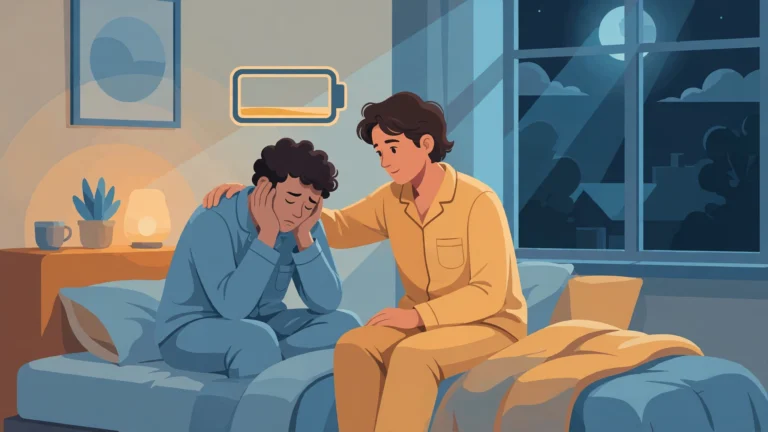
If you started taking medication for anxiety and noticed your sex drive slipping away, you are dealing with one of the most common — and least discussed — side effects in psychiatry. The relationship between anxiety meds and libido is real, well documented, and affects people of all ages and genders. Studies report that somewhere between 20% and 70% of people taking the most common anxiety medications experience at least one sexual side effect, from reduced desire to difficulty reaching orgasm.
That range is wide, and the research behind it matters. Not every anxiety medication affects libido equally, the mechanism differs by drug class, and in some cases the anxiety itself — not the drug — is the main culprit behind a fading sex drive. This article walks through what the data actually shows, class by class, and what evidence-based options exist for protecting both your mental health and your intimate life.
How Anxiety Meds and Libido Interact in the Brain
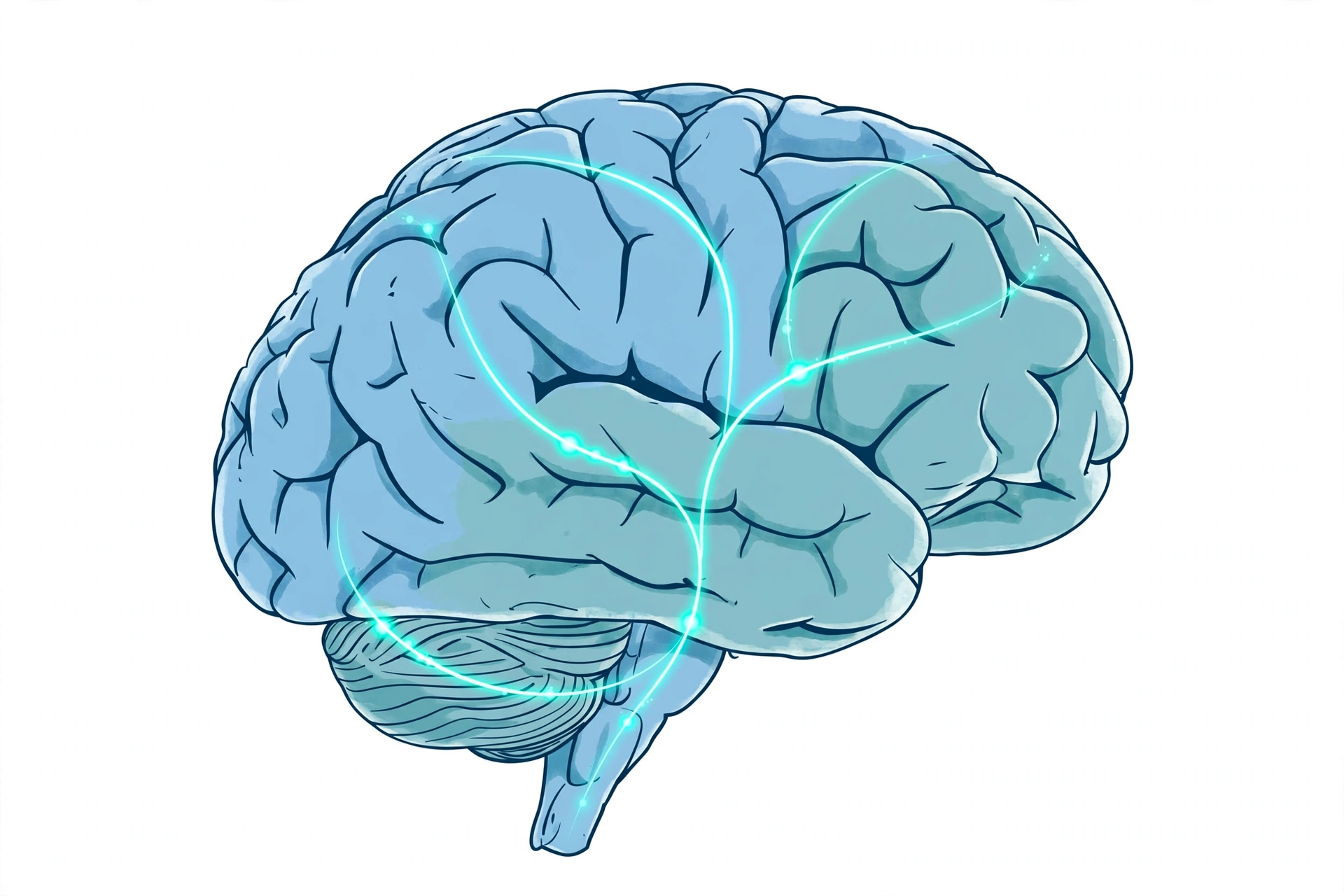
To understand the link between anxiety meds and libido, it helps to start with the brain chemistry involved. Most first-line anxiety medications — including selective serotonin reuptake inhibitors (SSRIs) such as sertraline, fluoxetine, escitalopram, and paroxetine — work by increasing the amount of serotonin available in the brain. That calmer, more stable serotonin signaling eases worry, rumination, and panic.
The trade-off is that serotonin also plays a braking role in the brain’s sexual response. Elevated serotonin can dampen the activity of two other neurotransmitters that are central to desire and pleasure: dopamine and norepinephrine. Dopamine is closely tied to motivation, reward, and sexual excitement; when its signaling is suppressed, interest in sex often fades along with it. Researchers have also found that SSRIs can reduce blood flow to genital tissue, which helps explain difficulties with arousal and lubrication.
Other anxiety medications act through different pathways. Benzodiazepines such as alprazolam, lorazepam, and diazepam enhance the calming neurotransmitter GABA. That sedation is exactly what makes them effective for acute anxiety — but generalized drowsiness and emotional blunting can also lower sexual interest and impair erection quality. Buspirone, an anti-anxiety medication that works through serotonin receptors in a more targeted way, appears to carry a much lower risk of sexual side effects. SNRIs such as venlafaxine and duloxetine raise both serotonin and norepinephrine; the norepinephrine effect partially offsets the serotonin brake, though sexual side effects remain common, especially with venlafaxine.
Which Anxiety Medications Affect Libido the Most?
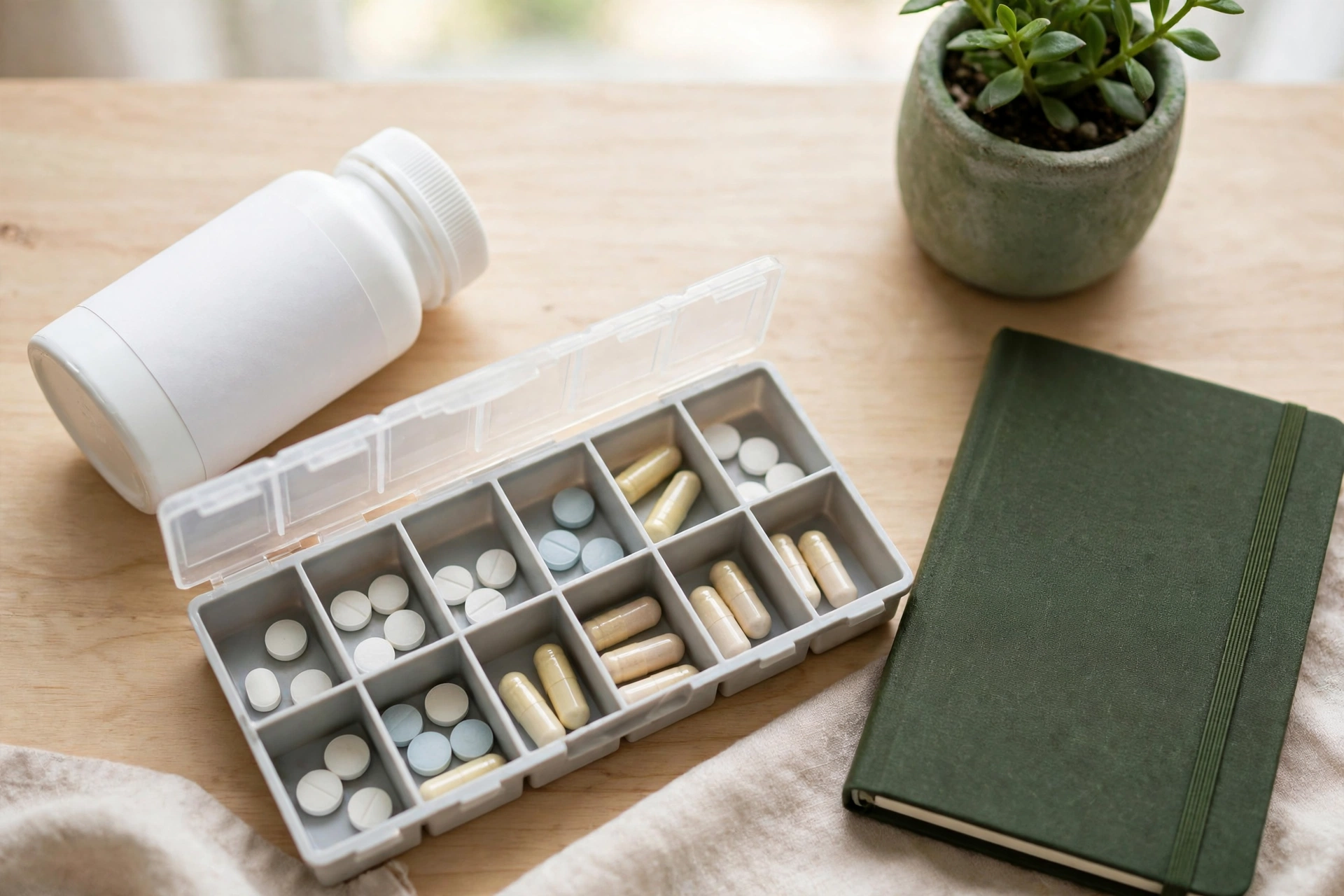
Research consistently ranks medication classes by their risk to sexual function. The Mayo Clinic’s comparison of antidepressant side effects — these medications are the same ones prescribed for anxiety disorders — places serotonin-affecting drugs at the highest risk and bupropion, mirtazapine, and similar agents at the lowest. Here is how the main anxiety medication classes compare:
| Medication class | Examples | Libido impact | Typical sexual effects reported |
|---|---|---|---|
| SSRIs | Paroxetine, sertraline, fluoxetine, escitalopram, citalopram | High | Reduced desire, delayed or absent orgasm, arousal difficulty, erectile difficulty; paroxetine carries the highest reported risk within the class |
| SNRIs | Venlafaxine, duloxetine, desvenlafaxine | Moderate to high | Reduced desire, delayed ejaculation, erectile difficulty; venlafaxine tends to carry the highest risk among SNRIs |
| Benzodiazepines | Alprazolam, lorazepam, diazepam, clonazepam | Moderate | Drowsiness-related loss of interest, blunted arousal, impaired erection quality; risk rises with dose and duration of use |
| Buspirone | Buspirone | Low | Minimal sexual side effects reported; sometimes added to other regimens to counteract libido loss |
| Bupropion | Bupropion | Low | Slightly decreased risk of sexual side effects; may preserve or even improve libido |
| Mirtazapine | Mirtazapine | Low | Lower reported rates of sexual dysfunction than SSRIs; any antidepressant can still cause sexual effects |
For readers already on an SSRI or SNRI, the same principles apply to related reading: our guide on how antidepressants affect sex drive breaks down the SSRI data in more depth, and the broader list of other medications that can lower libido covers blood pressure drugs and hormonal options that can compound the problem.
Is It the Anxiety or the Medication? How to Tell
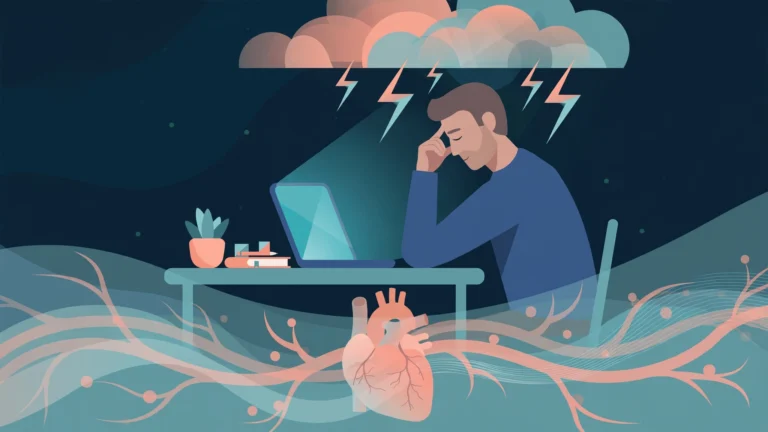
One of the biggest gaps in most coverage of anxiety meds and libido is also one of the most important questions a patient can ask: is my medication causing this, or is it the anxiety itself? Anxiety disorders independently suppress libido. Chronic worry raises cortisol, the body’s primary stress hormone, which in turn suppresses the sex hormones involved in desire. Physical anxiety symptoms — muscle tension, rapid breathing, racing thoughts — make it difficult to relax and stay present during intimate moments. And the self-consciousness that often accompanies anxiety can erode the body confidence that desire depends on.
Because both the condition and the treatment can point in the same direction, clinicians recommend tracking the timeline before assuming either cause:
- Note when the change began. If low libido started within the first few weeks of a new prescription or dose increase, the medication is the more likely explanation. If desire faded before treatment began, or tracks closely with anxiety flare-ups, the condition itself may be the primary driver.
- Look for the pattern of effects. Medication-related dysfunction often has a recognizable signature: delayed or blocked orgasm, reduced genital sensation, and in men, difficulty maintaining erections. Anxiety-driven loss of desire more often shows up as racing thoughts and inability to relax during intimacy, even when arousal itself is intact.
- Keep a simple symptom journal. Record the date you started or changed the medication, when sexual changes appeared, and whether they fluctuate with stress levels or dosing time. A few weeks of notes gives your clinician far more to work with than memory alone.
- Account for overlapping factors. Weight changes, sleep disruption, fatigue, and relationship strain can all sit alongside anxiety and medication. Our piece on how stress and anxiety themselves affect intimacy explores the non-medication side of this puzzle.
Getting this distinction right matters because the solutions differ. If anxiety is the main driver, better symptom control — through therapy, exercise, or medication adjustment — usually improves desire. If the medication is the main driver, the strategies below come into play.
What the Research Shows About Specific Effects
The data on anxiety meds and libido breaks down differently for men and women, and the differences are worth knowing before a conversation with your clinician:
- Desire: Reduced interest in sex is the single most commonly reported effect across genders, reported by a substantial share of SSRI users in study after study. It can feel like a dimming rather than a switch-off — less spontaneous interest, less response to a partner’s initiation.
- Arousal: Women frequently report delayed lubrication and diminished genital sensation, which can make intimacy uncomfortable and reduce satisfaction. Men commonly report difficulty achieving or maintaining erections. Some research also points to SSRIs reducing blood flow to genital tissue.
- Orgasm: Delayed or blocked orgasm is among the most medication-specific signatures of SSRI use, occurring even when desire and arousal are intact. For men, delayed ejaculation is the parallel effect and can be a marker that the drug rather than mood is the cause.
- Fertility-related findings: A 2022 review found that SSRIs were associated with reduced sperm levels in men. The clinical significance for couples trying to conceive is still being studied, but it is worth raising with a clinician when relevant.
- Effects after stopping: Most side effects resolve within weeks to months of tapering off, but the NHS notes that for some people sexual problems carry on after stopping antidepressants. Persistent post-discontinuation effects are uncommon but recognized; report them rather than assuming they will fade.
It is also worth noting what the data does not show. There is no strong evidence that anxiety medications cause permanent, irreversible sexual damage in the typical case. And not everyone experiences these effects — individual sensitivity, dose, and the specific drug all play large roles.
What You Can Do About It: Evidence-Based Strategies
If you and your clinician agree that medication is contributing to low libido, there are several approaches supported by clinical evidence and professional guidelines. All of these should be discussed with your prescriber before making any change — adjusting psychiatric medication on your own can cause withdrawal symptoms and relapse.
- Wait and monitor. For some people, sexual side effects fade as the body adjusts over the first several weeks of treatment. Clinicians often suggest giving it at least a month or two before changing anything, with a clear review date set in advance.
- Adjust the dose. Higher doses carry a higher risk of sexual side effects. A modest reduction, under medical supervision, sometimes resolves the problem without sacrificing anxiety control.
- Adjust the timing. For once-daily medications, some clinicians suggest scheduling intimacy for the window when drug levels are lowest — typically shortly before the next dose. This works best for short-acting medications and is not suitable for every regimen.
- Switch medications. Switching to an agent with a lower sexual side-effect profile — such as bupropion, mirtazapine, or in some cases buspirone for anxiety — resolves the problem for many people. The Mayo Clinic’s guide to antidepressant sexual side effects ranks paroxetine as the highest risk within the SSRI class, so a lateral switch within the class sometimes helps too.
- Add a counteracting agent. In some cases clinicians add a second medication to offset the effects — bupropion is the most commonly used adjunct for libido, and buspirone is sometimes used for the same purpose with anxiety treatment. These combinations need careful medical oversight.
- Protect the basics. Regular aerobic exercise, adequate sleep, and limiting alcohol all support sexual function independently of medication. Exercise in particular has solid evidence for improving both mood and sexual desire, and mindfulness-based approaches can reduce the performance pressure that compounds the problem.
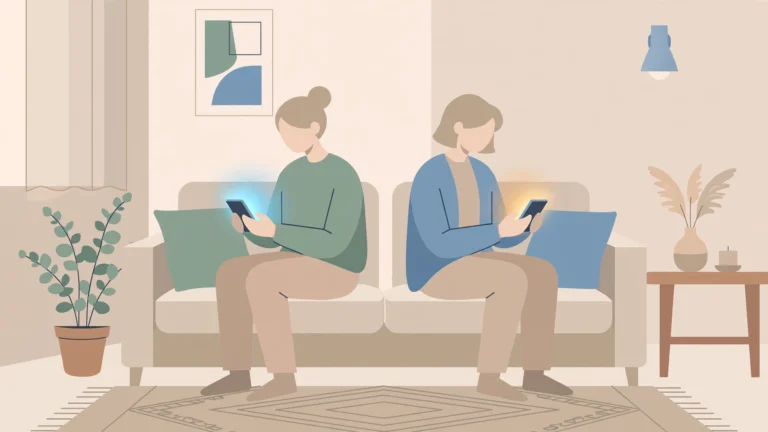
- Talk with your partner. Open, blame-free conversation about what has changed and why can relieve the guilt and withdrawal that often accompany medication-related dysfunction. Reframing intimacy around non-goal-oriented closeness — touch, cuddling, sensate-focus exercises used in sex therapy — takes pressure off performance while the medication situation is sorted.
One approach worth treating with caution is the “drug holiday” — deliberately skipping doses before planned intimacy. For medications with short half-lives, such as paroxetine and venlafaxine, even brief interruptions can trigger discontinuation symptoms like dizziness, nausea, and electric-shock sensations. The NHS advises against stopping suddenly and recommends any taper be gradual, over weeks or months, under a doctor’s guidance. Discuss holidays explicitly with your prescriber rather than experimenting. You can cross-check current guidance in the NHS overview of antidepressant side effects.

How to Talk to Your Doctor About Anxiety Meds and Libido
Many people find this conversation harder than the side effect itself. A practical approach is to bring specifics rather than general complaints. Consider opening with a timeline — “My desire dropped about three weeks after I started this medication” — and describing the pattern: desire, arousal, orgasm, or all three. Ask directly about the known sexual side-effect profile of your specific medication and whether a dose adjustment, a switch, or an adjunct might be appropriate.
It also helps to state your priorities honestly. If your anxiety was severe and the medication is working, say so — your clinician can then weigh the value of an effective treatment against the side effect and propose gentler changes first. If the loss of intimacy is straining your relationship, say that too. Clinicians hear about sexual side effects routinely; being specific helps them help you faster. Bring your symptom journal if you kept one, and ask for a review date so the issue does not drift unresolved.
Frequently Asked Questions
Which anxiety medication is least likely to lower libido?
Among medications prescribed for anxiety, buspirone and bupropion carry the lowest reported risk of sexual side effects. Buspirone is a dedicated anti-anxiety medication with minimal impact on sexual function, while bupropion (primarily an antidepressant) is associated with a slightly decreased risk and may preserve or improve libido. Mirtazapine also has lower reported rates than SSRIs and SNRIs. However, every medication can cause sexual side effects in some individuals, and these drugs are not suitable for every type of anxiety — discuss your specific situation with your prescriber.
How long do sexual side effects last after starting anxiety meds?
For many people, sexual side effects ease within the first few weeks to a couple of months as the body adjusts. If they persist beyond that, they tend to continue for as long as the medication is taken at the same dose. Most effects resolve within weeks to months after a supervised taper or switch to another medication, though timelines vary by individual and drug.
Can anxiety meds cause permanent sexual dysfunction?
Permanent, irreversible sexual dysfunction from anxiety medications is not what the data shows for the typical case. Most side effects are dose-related and reversible when the medication is adjusted or stopped under medical supervision. The NHS does note that a minority of people report sexual problems persisting after stopping antidepressants, so any effects that linger after discontinuation should be reported to your clinician rather than ignored.
Do benzodiazepines like alprazolam lower libido?
Yes, they can. Benzodiazepines work by enhancing the calming neurotransmitter GABA, which produces drowsiness and emotional blunting alongside anxiety relief. That sedation can reduce sexual interest, impair arousal, and affect erection quality. The risk rises with higher doses and longer use. Because benzodiazepines are typically prescribed for short-term anxiety management, any sexual effects are usually limited to the period of use.
Should I stop my anxiety medication if my libido drops?
No — not without talking to your prescriber first. Stopping suddenly can cause withdrawal symptoms and a return of anxiety or depression, and both outcomes can harm your sex life more than the side effect itself. Safer options include dose adjustment, switching to a medication with a lower sexual side-effect profile, or adding a counteracting agent. If your anxiety was severe and the medication is working, mental health comes first while you and your clinician work on the side effect.
Can anxiety itself lower libido without medication?
Absolutely — and this is one of the most underappreciated parts of the story. Anxiety raises cortisol, which suppresses sex hormones and desire. The physical symptoms of anxiety (tension, rapid breathing, racing thoughts) make it hard to relax and be present during intimacy, and anxiety-related self-consciousness can erode body confidence. Many clinicians recommend tracking when libido changes appeared relative to starting medication to help distinguish the two causes.
Medical disclaimer: This article is for educational purposes only and is not medical advice. It does not diagnose, treat, or prescribe for any individual. Medication decisions — including starting, stopping, adjusting, or switching anxiety medications — should always be made with a qualified clinician who knows your full medical history. If you experience suicidal thoughts or a mental health emergency, seek immediate help from your local emergency services.
The data on anxiety meds and libido tells a balanced story: these medications are among the most effective tools available for anxiety disorders, but their effects on sexual function are common, well studied, and — importantly — manageable. Knowing which drug classes carry the highest risk, tracking whether the cause is the medication or the anxiety itself, and having a clear, specific conversation with your clinician puts you in a position to protect both your mental health and your intimate life. You do not have to choose between them silently.