Vaginal Discharge: What’s Normal and What’s Not
Most people with a vagina notice it every day, yet few feel comfortable asking about it: vaginal discharge. Understanding vaginal discharge normal vs abnormal patterns is one of the simplest ways to look after reproductive and sexual health — and most of the time, what you see means everything is working as it should. This guide explains what healthy discharge looks like, how it shifts through your cycle, and which changes deserve a doctor’s attention.
What Is Vaginal Discharge and Why Does the Body Make It?
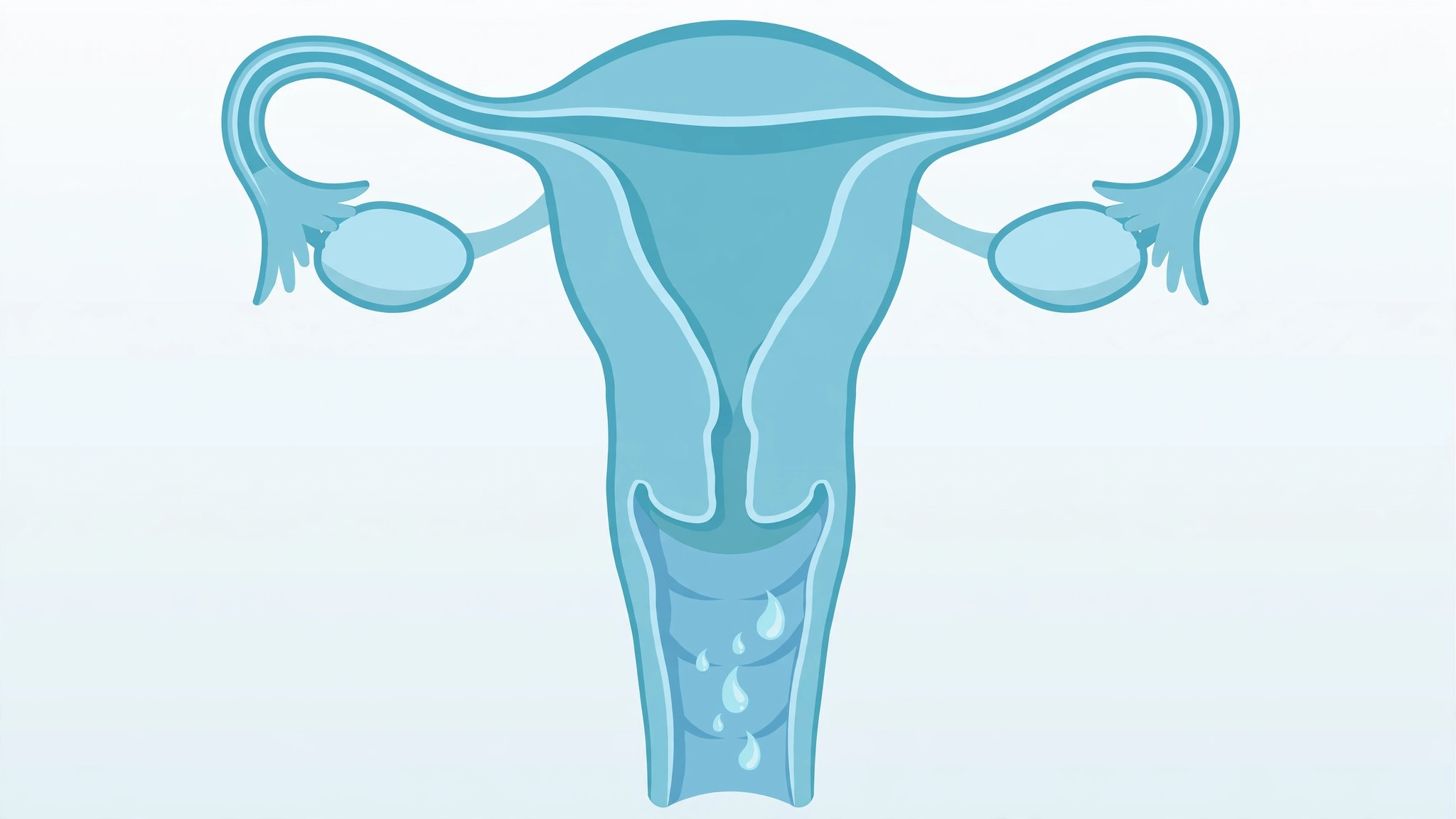
Vaginal discharge is the fluid produced by glands in the vaginal walls and cervix — a mixture of cervical mucus, lining cells, fluid, and beneficial bacteria. As Mayo Clinic explains, normal vaginal discharge keeps vaginal tissues healthy, provides lubrication, and protects against infection. Think of it as a self-cleaning system: the fluid continuously carries away dead cells and debris, keeping the vaginal environment balanced.
The amount, color, and consistency of normal discharge vary from person to person and from day to day. A healthy vagina typically produces about one to two teaspoons (roughly 4–5 mL) of discharge per day, though some people naturally produce more and some less. The key to judging vaginal discharge normal vs abnormal is learning what your usual pattern looks like, then noticing meaningful changes from it.
At the heart of this system sits the vaginal microbiome — a community of bacteria dominated by Lactobacillus species that produce lactic acid, keeping vaginal pH mildly acidic (typically 3.8–4.5). That acidity acts as a shield against harmful organisms. When this balance tips — because of antibiotics, infections, harsh hygiene products, or hormonal shifts — discharge often changes first, making it a useful early signal.
How Vaginal Discharge Changes Across Your Cycle
Estrogen and progesterone rise and fall through the menstrual cycle, and discharge follows their lead. Without hormonal contraception, expect roughly this pattern:
| Cycle phase | What discharge usually looks like |
|---|---|
| Right after your period | Very light or almost absent; sometimes a little brown as old blood clears |
| Before ovulation | Increasing; cloudy, creamy, white or off-white, thicker |
| During ovulation | Clear, slippery, stretchy — like raw egg white; the most abundant phase |
| After ovulation (luteal phase) | Thicker, stickier, less in amount; white or off-white as progesterone rises |

This egg-white stretchy discharge around ovulation has a purpose: it helps sperm travel through the cervix. The NHS notes that discharge is often slippery and wet for a few days between periods, when ovulation typically occurs. Learning to read this rhythm is the practical side of the vaginal discharge normal vs abnormal question. Hormonal contraception, pregnancy, and breastfeeding all change the pattern too — usually increasing the amount — which is still normal as long as the hallmarks below hold.
Vaginal Discharge Normal vs Abnormal: 5 Hallmarks of a Healthy Pattern
Doctors assess discharge by color, texture, smell, amount, and the company it keeps. Here is the healthy side of the vaginal discharge normal vs abnormal comparison:
- Color: Clear, milky white, or off-white. A pale-yellow tint — especially once discharge dries or is exposed to air — is usually still normal.
- Texture: Thin and watery to creamy, sticky, or stretchy depending on cycle phase. Around ovulation it becomes notably slippery and elastic.
- Smell: Mild, musky, or nearly odorless. A slight natural scent is expected; it should not be strong, fishy, or foul.
- Amount: Varies widely between individuals and across the cycle. More discharge around ovulation, during pregnancy, while sexually active, or on the pill is commonly normal.
- Comfort: Normal discharge causes no itching, burning, redness, or pain. The absence of discomfort is one of the most reliable signs that everything is fine.
A simple rule for the vaginal discharge normal vs abnormal question: clear-to-white, no strong smell, and no itching, burning, or pain means very likely normal — regardless of amount.
When Vaginal Discharge Turns Abnormal: A Color-by-Color Guide
Discharge becomes potentially abnormal when it changes in color, smell, texture, or amount — or arrives with itching, burning, pain during urination or sex, pelvic pain, or bleeding between periods. Use this reference to decide whether to book an appointment:
| Color / texture | What it may indicate |
|---|---|
| Thin, grayish-white with a strong fishy odor (often worse after sex) | Bacterial vaginosis (BV) — the most common cause |
| Thick, white, clumpy “cottage cheese” texture with itching | Yeast infection (vulvovaginal candidiasis) |
| Yellow-green, frothy or foamy with a foul smell | Trichomoniasis — a treatable STI |
| Yellow, cloudy, or pus-like, sometimes with pelvic pain or bleeding | Chlamydia or gonorrhea — both need testing and treatment |
| Brown or blood-tinged, unrelated to your period | Old blood is common around periods; persistent spotting between periods needs evaluation |
| Pink, watery | Light spotting around ovulation or implantation; investigate if it recurs |
Keep in mind that this table describes possibilities, not diagnoses — different infections can look alike. If you are judging the vaginal discharge normal vs abnormal line at home, this table mirrors the questions a clinician would ask first.
Common Causes of Abnormal Vaginal Discharge
About 70 percent of abnormal discharge cases trace back to three infections: bacterial vaginosis, yeast infection, or trichomoniasis. Here is what doctors know about each:
Bacterial Vaginosis (BV)
The most common cause of abnormal discharge. BV happens when normal lactobacilli are outnumbered by other bacteria, raising vaginal pH. It typically produces thin, grayish-white discharge with a strong fishy odor, often most noticeable after sex. Up to half of people with BV have no symptoms at all, and it usually causes little or no itching. Because BV can be nearly symptomless, checking the vaginal discharge normal vs abnormal signs above is the most reliable way to catch it early. Doctors diagnose it with a pH test and a microscopic look at the discharge.
Yeast Infection (Vulvovaginal Candidiasis)
Caused by an overgrowth of Candida fungus, which normally lives in the vagina in small numbers. It classically produces thick, white, clumpy discharge resembling cottage cheese, with intense itching, redness, and sometimes burning during urination. Yeast infections are more likely after antibiotics, with high blood sugar, or during pregnancy. A thick, clumpy discharge that appears during or just after a course of antibiotics is a common vaginal discharge normal vs abnormal scenario — mention the timing to your doctor.
Trichomoniasis
A sexually transmitted infection caused by the parasite Trichomonas vaginalis. Its signature is yellow-green, frothy discharge with an unpleasant odor, often with itching and discomfort during urination. Because it spreads through sexual contact, sexual partners typically need testing and treatment as well.
Chlamydia and Gonorrhea
These bacterial STIs often cause no symptoms, but when they do, discharge may turn yellow, cloudy, or pus-like and can come with pelvic pain, bleeding between periods, or pain during urination. Untreated, they can spread to the uterus and fallopian tubes and cause pelvic inflammatory disease (PID) — which is why testing matters even when symptoms are mild.
Forgotten Tampon or Foreign Body
A retained tampon can cause sudden, very foul-smelling brownish discharge. If you suspect one, a clinician can remove it safely.
Non-Infectious Causes
Not all abnormal discharge comes from infection. Douching and scented soaps, sprays, or wipes can irritate tissue and disrupt the microbiome. Hormonal shifts, pregnancy, and menopause change discharge too. For couples, this matters: hormones and medications affect the whole intimate picture, including desire — see our guide on the common causes of low libido worth ruling out first.

Vaginal Discharge and Sex: What Couples Should Know
Discharge and intimacy are closely linked, and understanding the connection helps couples respond calmly rather than anxiously. Sexual arousal itself increases clear, slippery vaginal lubrication — healthy function, not a problem — and it varies greatly from person to person and day to day. Needing more or less lubrication says nothing about desire or attraction.
After sex, it is normal to notice more discharge for a day or two. Semen is alkaline and temporarily raises vaginal pH, and condoms, lubricants, and spermicides can briefly change the environment. A short-lived shift in texture or mild change in scent right after intercourse usually settles on its own — part of the ordinary vaginal discharge normal vs abnormal picture, not a warning sign by itself.
What partners should take seriously: discharge that changes after a new sexual partner — new color, new strong odor, itching, or pain during sex — can signal an STI. Clinicians advise avoiding sex until evaluated. When in doubt, couples can walk through the vaginal discharge normal vs abnormal checklist in this guide together before calling the clinic. Talk about it early and without blame: BV and yeast infections are not anyone’s “fault,” and trichomoniasis, chlamydia, and gonorrhea are curable with treatment.
Medications, Contraception, and Life Stages That Change Discharge
Many things beyond infection reshape discharge, and recognizing them prevents unnecessary worry in the vaginal discharge normal vs abnormal check:
- Antibiotics: By killing bacteria indiscriminately, antibiotics can suppress protective lactobacilli and let yeast overgrow — a classic yeast-infection trigger. A yeast-type discharge during or after a course of antibiotics is common and worth reporting to your doctor.
- Hormonal contraception: Combined pills, patches, rings, and some IUDs often increase discharge or make it thicker and creamier. This is an expected effect of steady hormones — still on the normal side of the vaginal discharge normal vs abnormal line as long as there is no itching, odor, or pain.
- Pregnancy: Rising estrogen typically increases clear or milky, odorless discharge (leukorrhea), which helps protect the pregnancy from ascending infection. Sudden strong odor, color changes, itching, or watery leaking should be checked promptly.
- Perimenopause and menopause: Falling estrogen thins the vaginal walls and reduces natural discharge, sometimes causing dryness, irritation, or spotting instead. This condition — genitourinary syndrome of menopause — is treatable, so persistent dryness or spotting after menopause deserves a conversation with a doctor.
- Stress and lifestyle: Chronic stress can shift hormones and immune function, and very sugary diets are linked to more frequent yeast infections. Modest effects, but they add up alongside the bigger triggers above.
How to Learn Your Own “Normal”: A Simple Tracking Method
Because “normal” is personal, build your own baseline. For one full menstrual cycle, jot down brief daily notes: color, texture, amount, smell, and any symptoms — plus the cycle day, any new medications or antibiotics, sexual activity, and new hygiene products. Compare each day’s notes against the vaginal discharge normal vs abnormal descriptions above, and your personal pattern will start to emerge.
This log is also exactly what helps a doctor diagnose you faster: clinicians ask about onset, timing in the cycle, triggers, products used, medications, and sexual history. Bringing clear answers shortens the path to the right treatment. If you track digitally, keep the notes private and factual.
Equally important is what not to do while tracking. Do not douche, do not use scented “feminine” washes, and do not start over-the-counter antifungals before a diagnosis — many infections mimic each other, and the wrong treatment delays the right one. Wash the outer area gently with warm water and mild unscented soap, wear breathable cotton underwear, and wipe front to back.
What Happens at the Doctor’s Visit
Many people delay care because they dread the appointment — but a discharge evaluation is usually quick. Your clinician will ask about symptoms, cycle, medications, contraception, hygiene habits, and sexual history; honest answers help them help you.
The physical part typically includes a speculum examination, a pH test (BV raises pH above 4.5), and a microscopic look at a swab sample (“wet mount”) that can reveal yeast, BV clue cells, or trichomonads within minutes. Swabs may also be sent for STI testing. Bringing your own notes helps the clinician place your symptoms on the vaginal discharge normal vs abnormal spectrum quickly. Avoiding vaginal medications, douching, or intercourse for 24 hours before the visit keeps the sample clear — a practical tip most articles on vaginal discharge normal vs abnormal leave out.
When to See a Doctor: Red Flags
Book an appointment promptly if you notice any of the following:
- Green, gray, or bright yellow discharge, or discharge that is frothy, foamy, or cottage-cheese-like
- A strong, fishy, or foul odor — especially one that appears suddenly or worsens after sex
- Itching, burning, redness, swelling, or soreness around the vagina
- Pain during urination, pain during sex, pelvic or lower abdominal pain
- Bleeding between periods, after sex, or any spotting after menopause
- Discharge changes after unprotected sex or a new partner
- Fever along with abnormal discharge, or a suspected retained tampon
Pregnant people should contact their clinician sooner for any marked change, since some infections carry pregnancy risks. When in doubt, a quick visit beats weeks of worry — most causes are common, treatable, and nothing to be embarrassed about.
FAQs
Is it normal to have vaginal discharge every day?
Yes. Daily discharge is how the vagina cleans and protects itself. Amount and texture shift with your cycle, pregnancy, arousal, and contraception. Only a change in color, smell, or texture — or new itching, burning, or pain — turns everyday discharge into something worth checking with a doctor.
What does healthy vaginal discharge look like?
Healthy discharge is usually clear, milky white, or off-white, thin-to-creamy or stretchy depending on the cycle phase. It has a mild or nearly absent scent and causes no itching or irritation. A pale-yellow tint after drying in underwear is also commonly normal. This is the textbook vaginal discharge normal vs abnormal answer doctors give when patients ask.
Can stress or diet change vaginal discharge?
They can play a supporting role. Chronic stress may shift hormones and immune defenses, while diets very high in added sugar are associated with more frequent yeast infections. These factors rarely cause dramatic changes alone, but alongside antibiotics or hormonal shifts they can tip a sensitive balance.
Should I use scented washes or douche to “clean” discharge?
No — the vagina cleans itself, and douching disrupts protective lactobacilli and raises infection risk. Scented soaps and deodorants can irritate tissue and mask odors that are actually warning signs. Wash only the outer area gently with warm water and mild unscented soap.
Can vaginal discharge be a sign of an STI?
Yes. Yellow, green, or frothy discharge with a foul odor can indicate trichomoniasis; yellow or pus-like discharge with pelvic pain or bleeding may point to chlamydia or gonorrhea. Because STIs can spread to partners and the upper reproductive tract, unusual discharge after unprotected sex calls for prompt testing.
When is vaginal discharge an emergency?
Seek urgent care for abnormal discharge with fever, severe pelvic pain, heavy bleeding, a suspected retained tampon with foul odor, or leaking fluid during pregnancy. Most discharge concerns are not emergencies, but these combinations can signal conditions that need same-day treatment.
If this guide helped you understand the difference between vaginal discharge normal vs abnormal, consider sharing it with someone who may quietly have the same questions. And if anything here describes what you are experiencing, talk to your doctor. You can also explore our guide on the common causes of low libido, since hormones, stress, and medications often connect these concerns.
Medical disclaimer: This article is for educational purposes only and is not medical advice. It does not provide personal diagnoses, medication dosages, or prescriptions. Vaginal symptoms can have many similar-looking causes, so always consult a qualified healthcare professional for evaluation, diagnosis, and treatment of your individual situation.