Kegel Balls vs Kegel Exercises: What Works
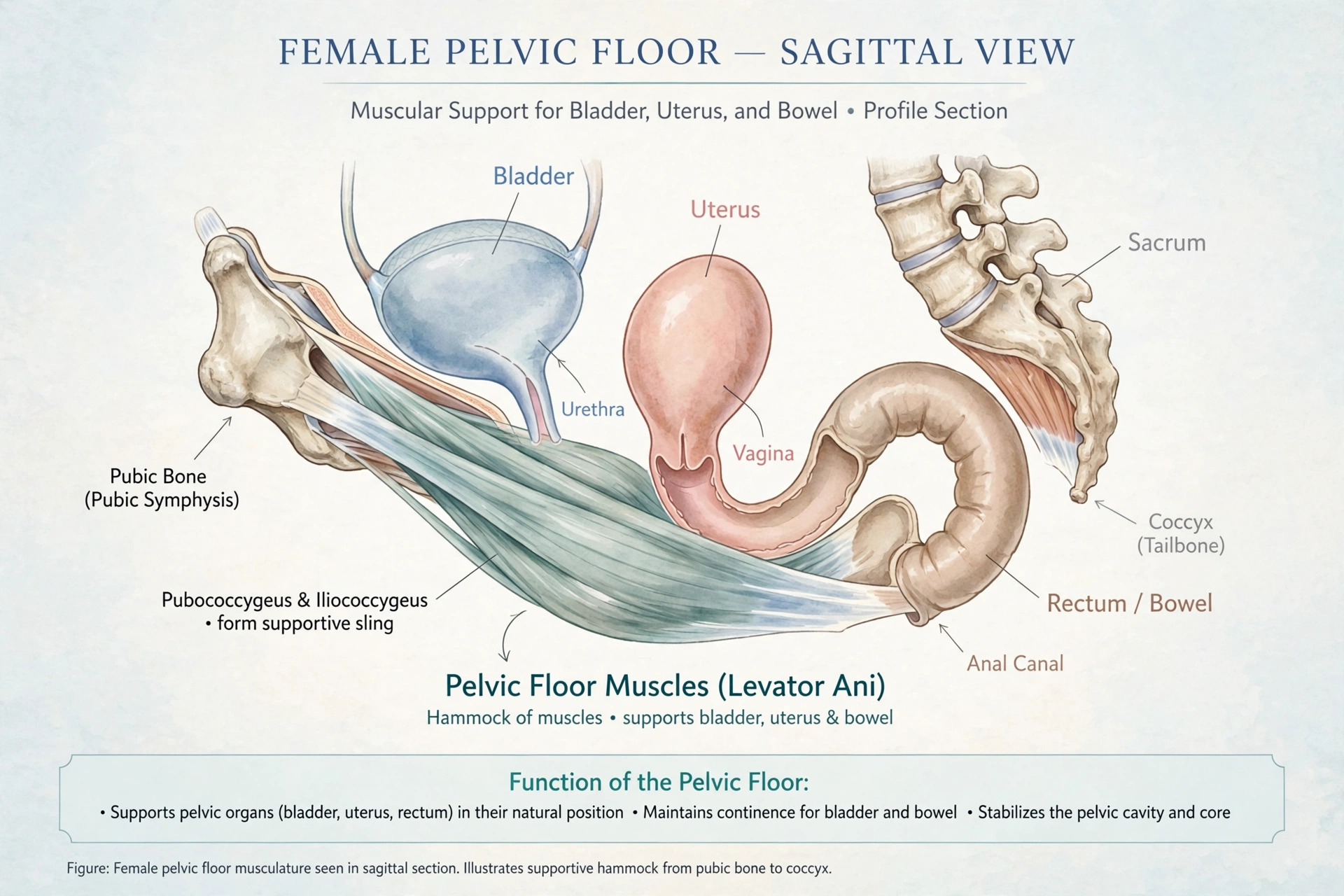
If you have ever searched for ways to strengthen your pelvic floor, you have probably run into the same question: kegel balls — is a weighted device better than doing plain Kegels with no equipment at all? Both methods target the same hammock of muscles that support the bladder, uterus, and bowel, and both are widely recommended by pelvic health clinicians. But they work in different ways, suit different bodies, and — importantly — the scientific evidence behind them is not identical. This guide walks through how each method works, what the research actually says, who should choose which, and how to combine them safely for the best results.
kegel balls: How Each Method Works
Plain Kegel exercises are voluntary contractions of the pelvic floor muscles. The classic instruction is to squeeze the muscles you would use to stop the flow of urine, hold for several seconds, then release. Because no equipment is needed, they can be done anywhere — at your desk, in the car, or in line at the grocery store. Physiotherapists call this bodyweight pelvic floor training: the resistance comes only from your own muscles working against themselves. For a fuller overview of why these muscles matter, see our guide to pelvic floor exercise benefits.
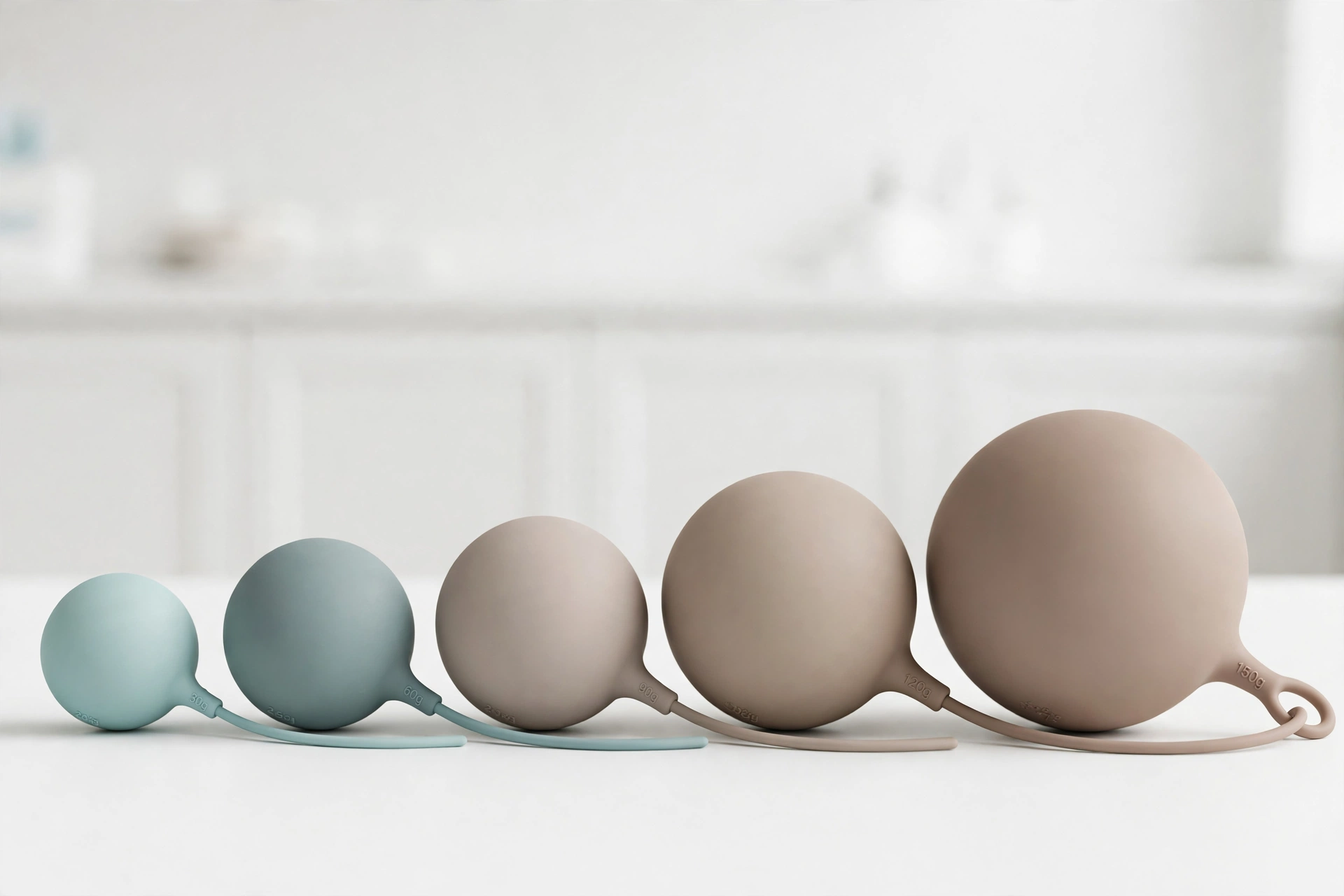
Kegel balls (sometimes sold as Ben Wa balls or pelvic floor trainers) add external resistance. They are small, weighted balls — typically between 15 and 100+ grams — that are worn vaginally for short periods. Once inserted, your pelvic floor muscles must contract, subtly and continuously, simply to keep the balls from slipping out. The added weight also gives you something physical to squeeze against during active contractions, similar to how a dumbbell turns a bodyweight curl into resistance training. Many sets come in graduated weights so you can progress as you get stronger.
In short, the difference between kegel balls is the difference between resistance training and bodyweight training for any other muscle group: one adds load and physical feedback, the other is simpler, free, and always available.
What the Evidence Actually Says About What Works
Here is an important distinction the marketing copy often skips. Pelvic floor muscle training (PFMT) — the plain, unweighted kind — is one of the most studied interventions in pelvic health. Major reviews, including Cochrane reviews, find that pelvic floor muscle training helps many women with stress urinary incontinence, and it is the standard first-line treatment recommended by clinical guidelines worldwide. The evidence for plain Kegels is strong because decades of research have tested them.
The evidence for kegel balls specifically is much thinner. There are no large, high-quality randomized trials directly comparing weighted vaginal devices against plain pelvic floor muscle training head to head. What we know is indirect: resistance makes muscles work harder, feedback helps people contract the correct muscles, and adherence matters more than the method. Pelvic health experts therefore tend to describe kegel balls as a reasonable adjunct to Kegels — potentially helpful, especially for motivation and progression — rather than a proven upgrade.
There is also an honest clinical voice worth hearing: some pelvic floor physical therapists recommend starting with plain bodyweight exercises first, for the simple reason that if the same outcomes can be achieved without buying a product or introducing anything into the body, that is the preferable clinical path. Weights come later, once you can contract correctly and your muscles are ready for the added challenge.
Head-to-Head Comparison
| Factor | Kegel Balls (Weighted) | Plain Kegel Exercises (Unweighted) |
|---|---|---|
| Cost | One-time purchase, usually moderate | Free |
| Where you can do them | Home or private settings only | Anywhere, anytime |
| Resistance | Adjustable by increasing weight | Limited to your own muscle force |
| Feedback | Physical: you can feel the weight and whether it slips | Relies on body awareness, which many beginners struggle with |
| Evidence base | Limited direct trials; plausibly effective as an adjunct | Strong — decades of clinical trials and guideline support |
| Best for | People who struggle to feel the right muscles; progression beyond basics | Beginners; maintenance; anyone who wants a free, private routine |
| Risks | Hygiene requirements; possible overuse strain; wrong for tight pelvic floors | Very few — but easy to do incorrectly without guidance |
| Time commitment | Typically 15–30 minutes per session | 5–10 minutes, 2–3 times daily |
When Kegel Balls Are the Better Choice
Kegel balls tend to earn their place in a few specific situations. First, they solve the single biggest problem beginners have: finding the right muscles. A large share of people who think they are doing Kegels are actually squeezing their abdominal or buttock muscles. A weighted ball gives you immediate, physical feedback — if it stays in place and you feel the lift, you are contracting the right muscles. That biofeedback effect is genuinely valuable.
Second, they make progressive overload possible. Once you can hold the lightest ball comfortably for 15 minutes, moving to the next weight up mirrors how you would add plates to a barbell. For people who find plain Kegels boring or hard to stick with, that sense of progression is motivating — and consistency is the single biggest predictor of results.
Third, the passive element helps on busy days. Simply wearing a ball while moving around the house gives the pelvic floor low-level endurance work without setting aside exercise time. This does not replace active contractions, but it adds volume.
A word of caution: kegel balls are sold in many countries as “novelty” products rather than medical devices, which means they are not held to the same manufacturing standards as medical equipment. Choose balls made of body-safe, non-porous materials such as medical-grade silicone, avoid porous materials like jade or crystal eggs that cannot be cleaned reliably, and stop using anything with cracks or surface changes. For more on safe materials, see our body-safe lubricant guide, which covers compatible products.
When Plain Kegel Exercises Win
Plain Kegels remain the default recommendation of most clinicians, and there are good reasons for that beyond the stronger evidence base. They are free, they require no cleaning routine, they can be done anywhere including at work or during travel, and they are suitable during pregnancy and immediately postpartum with your clinician’s guidance — situations where weighted devices are often advised against.
They are also the right starting point after childbirth, pelvic surgery, or any period of deconditioning. A pelvic floor physical therapist will almost always begin with bodyweight contractions to teach correct technique, breathing, and relaxation before ever adding load. Jumping straight to weights on a pelvic floor that is weak, injured, or poorly coordinated is a common beginner error.
Technique matters enormously, and poor technique is the main reason Kegels “don’t work” for people. Watch out for the usual pitfalls: holding your breath, squeezing your glutes or thighs instead, pushing downward rather than lifting upward, and forgetting the relaxation phase — muscles must release fully between repetitions. Our rundown of common Kegel exercise mistakes covers each of these in detail.
Who Should Avoid Kegels Altogether (For Now)
This is the point many consumer guides miss entirely, and pelvic floor specialists emphasize it strongly: not everyone with pelvic symptoms needs a stronger pelvic floor — some need a more relaxed one. Pelvic floor dysfunction has two main flavors. One is weakness (hypotonic), which causes stress incontinence and reduced support. The other is excessive tightness (hypertonic or non-relaxing), which can cause pelvic pain, painful intercourse, urgency, and constipation.
If your pelvic floor is already too tight, doing Kegels — weighted or not — can make symptoms worse. This is why clinicians advise seeing an ob-gyn or pelvic floor physical therapist before starting any strengthening program if you have pelvic pain, painful sex, pressure, or spasms. A therapist can assess whether you need strengthening, relaxation and mobility work, or a combination, and will build a program around your actual muscle tone rather than a guess. Read more about what a specialist visit involves in our guide to pelvic floor physical therapy.
How to Combine Both: A Sensible 8-Week Plan
For someone with a healthy or mildly weak pelvic floor and no pain symptoms, the best approach is usually not kegel balls but kegel balls plus exercises. Here is a conservative, clinician-style progression:
Weeks 1–2: Learn the movement
Plain Kegels only. Three short sessions per day on alternating days: 10 slow contractions (squeeze and lift for 5 seconds, relax fully for 5 seconds) plus 10 quick flicks (1-second squeeze and release). Focus on breathing normally and isolating the pelvic floor.
Weeks 3–4: Build consistency
Continue plain Kegels. If you can contract and release cleanly without squeezing your glutes or holding your breath, add one 10-minute passive kegel ball session on 2–3 days per week using the lightest weight, standing or walking gently.
Weeks 5–6: Add active work with the ball
Keep 2–3 plain Kegel sessions per week. During ball sessions, add active contractions while wearing the ball: squeeze and lift around it for 5 seconds, 8–10 repetitions. Still 15 minutes max per session, with rest days if the muscles feel fatigued.
Weeks 7–8: Progress the load
Move to the next weight up only when the current one feels easy to hold for a full 15-minute session while walking. Continue alternating plain and weighted sessions. After week 8, maintain 2–3 sessions per week total — whatever mix you enjoy most — because pelvic floor strength, like any fitness, requires maintenance.
Two rules govern the whole plan: stop and consult a clinician if you feel pain, pressure, or new symptoms, and more is not better — 15 to 30 minutes per session is the effective range, and muscles need rest days.

Hygiene and Safety Rules for Kegel Balls
Because these devices contact delicate tissue, hygiene is non-negotiable:
- Wash your hands and the balls with warm water and mild, unscented soap before and after every use; rinse thoroughly and let them air-dry completely.
- Use a water-based lubricant for insertion — silicone-based lubricants can degrade silicone balls.
- Never share kegel balls, and inspect them regularly for cracks or surface changes.
- Keep sessions to 15–30 minutes; do not wear them all day or during sleep.
- Do not use kegel balls during pregnancy, with an active vaginal infection, or before 6 weeks postpartum (12 weeks after a C-section) unless your clinician specifically approves.
Frequently Asked Questions
Are kegel balls actually better than regular Kegel exercises?
There is no strong clinical evidence that they are. Plain pelvic floor muscle training has decades of research and guideline support behind it. Kegel balls add resistance and helpful physical feedback, which can make training more effective and motivating for some people, but most clinicians consider them an adjunct to Kegels rather than a proven upgrade.
How long does it take to see results?
With consistent training, most people notice early changes — better muscle awareness — within 2–3 weeks. Meaningful improvements in bladder control typically appear after 4–6 weeks, and significant strength gains after 8–12 weeks. Consistency matters far more than the method you choose.
Can I use kegel balls and do Kegel exercises at the same time?
Yes, and this is the approach many clinicians prefer: use plain Kegels as your foundation and add weighted sessions 2–3 times per week for resistance and feedback. Never do both simultaneously at maximum effort, though — alternate days or sessions to allow recovery.
Can kegel balls get stuck or cause harm?
Kegel balls cannot get lost — the vaginal canal is a closed space. If removal feels difficult, relax, take deep breaths, and bear down gently while pulling the retrieval cord. Harm usually comes from overuse (sessions that are too long or too frequent) or using them with the wrong pelvic floor condition, such as an already overactive pelvic floor. Choose a retrieval cord or connected set rather than loose balls.
Should I start with kegel balls or exercises after having a baby?
Start with plain exercises and only after your clinician clears you — typically at least 6 weeks after a vaginal birth and 12 weeks after a C-section. Begin weighted devices only once you can contract and relax correctly and your pelvic floor has had time to heal. If you had tearing, surgery, or complications, get individual guidance from a pelvic floor physiotherapist.
Can men benefit from this comparison too?
Men also have a pelvic floor, and pelvic floor training is widely recommended for men recovering from prostate surgery, as well as for certain continence concerns. Most male pelvic health programs use plain Kegel-style exercises rather than weighted devices. Read our guide to Kegel exercises for men for the male-specific picture.
Is it safe to buy kegel balls online?
Buy from reputable manufacturers that disclose materials. Because many kegel balls are sold as novelty products rather than regulated medical devices, quality varies. Look for non-porous, body-safe materials such as medical-grade silicone or stainless steel, avoid porous stones or crystals, and check for a retrieval cord or connected design for safe removal.
Medical disclaimer: This article is for educational purposes only and is not medical advice. Pelvic floor training is not appropriate for every condition — particularly overactive or non-relaxing pelvic floor muscles, where strengthening can worsen symptoms. Do not begin a new pelvic floor program if you have pelvic pain, prolapse, or persistent incontinence without first consulting a qualified clinician such as an ob-gyn, urologist, or pelvic floor physical therapist. Nothing in this article is a diagnosis or a substitute for professional medical evaluation and care.
For general guidance on how clinicians teach proper pelvic floor contractions, the Mayo Clinic’s Kegel exercise guide is a reliable reference.