How to Increase Sperm Count Naturally
If you are trying to conceive and wondering how to increase sperm count naturally, you are not alone. Male factors contribute to roughly half of all couples’ difficulty conceiving, and a low sperm count is one of the most common findings. The encouraging news is that sperm production is highly responsive to lifestyle. The changes that protect your heart, your metabolism, and your sleep also tend to protect the cells that make sperm. This guide covers what the research actually supports — nutrition, exercise, sleep, heat, chemicals, and habits — plus the less-discussed details most articles skip, like the 74-day production cycle that explains why results take months, not weeks.
What Is Considered a Normal Sperm Count?
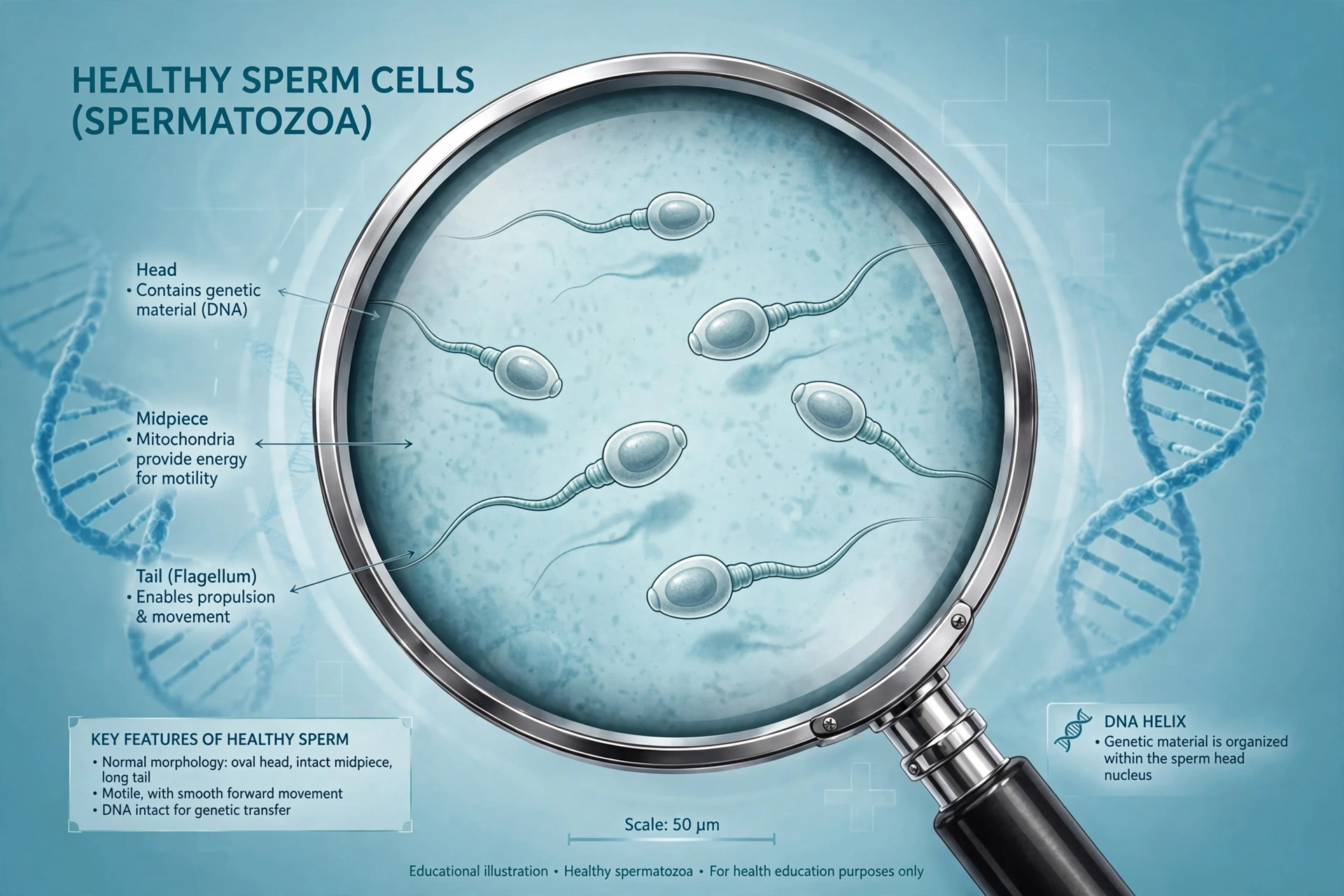
Before trying to raise your numbers, it helps to know what counts as low. A semen analysis (sperm test) measures several things, and count is just one of them. Under the World Health Organization’s 2021 laboratory reference values, a result is generally considered typical when it meets all of these lower reference limits:
| Parameter | WHO lower reference limit |
|---|---|
| Total sperm per ejaculate | 39 million |
| Sperm concentration | 15 million per milliliter |
| Total motility (moving sperm) | 40% |
| Normal-shaped sperm (morphology) | 4% |
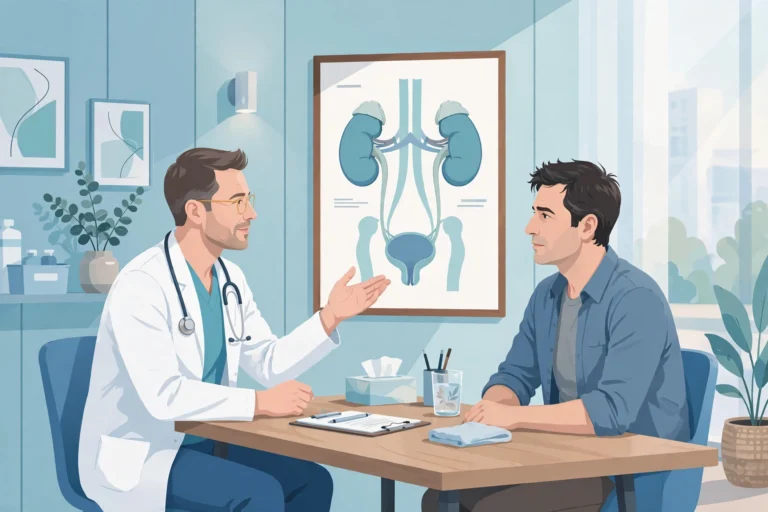
These cutoffs are reference points, not guarantees of fertility — men below them still conceive, and men above them can still have fertility problems. Count also fluctuates between samples, which is why clinicians usually recommend two tests before drawing conclusions. The Mayo Clinic’s overview of low sperm count explains how these measurements fit into a full fertility evaluation. If you have already had a semen analysis and want help making sense of the numbers, read our explainer on semen analysis results. And if you suspect an underlying cause, our guide to low sperm count causes and treatment covers the medical side in more depth.
Why Natural Improvements Take About Three Months
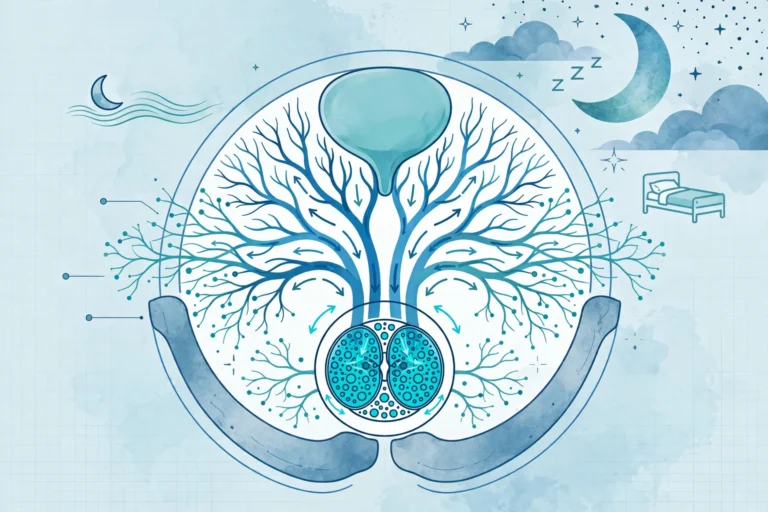
One of the most underreported facts in this topic is the timeline. A new sperm cell takes roughly 64–74 days to be produced and mature, plus about two more weeks of transport through the reproductive tract. That means the ejaculate tested today reflects choices made roughly three months ago.
Two practical consequences follow. First, do not judge a new routine after a few weeks — give any change a full three months before retesting. Second, a short-term stressor (a high fever, a month of poor sleep, a binge-drinking spell) can temporarily depress count, and the numbers usually recover once the underlying cause resolves and a fresh cycle completes. Patience is not just a virtue here; it is biology. Understanding this timeline is essential for anyone learning how to increase sperm count naturally.
How to Increase Sperm Count Naturally Through Nutrition
Diet is the area with the most research behind it, and the pattern is consistent: diets built around whole foods outperform diets heavy in processed foods, sugary drinks, and trans fats. Several specific nutrients stand out. If you are wondering how to increase sperm count naturally, the kitchen is the most evidence-backed place to start.
Antioxidants
Oxidative stress — an imbalance between free radicals and the body’s defenses — is a recognized threat to sperm DNA and membranes. Antioxidant-rich foods consistently show up in studies as beneficial: berries, citrus fruits, dark leafy greens, peppers, beets, nuts, sweet potatoes, and green tea are all strong sources.
Zinc and selenium
Zinc is concentrated in the prostate and seminal fluid, and low zinc status has been repeatedly linked to poor sperm quality. Food sources include beef, poultry, eggs, shellfish, pumpkin seeds, and lentils. Selenium supports the enzymes that protect developing sperm; a couple of Brazil nuts a day, or tuna and eggs, usually covers the need.
Omega-3 fatty acids
The sperm membrane is built partly from polyunsaturated fats. Oily fish such as salmon, mackerel, and sardines are the best sources; walnuts, flaxseed, and chia seed also contribute. In a 2019 review of supplementation trials, men with fertility problems who took omega-3s showed significant improvements in sperm concentration and motility compared with those who did not.
Folate, vitamin C, vitamin D, and lycopene
Folate (leafy greens, legumes) supports DNA synthesis during sperm production. Vitamin C (citrus, bell peppers) is a potent antioxidant in seminal fluid. Vitamin D receptors are present throughout the male reproductive tract, and deficiency is common worldwide — reasonable sun exposure, oily fish, and fortified foods are the main sources. Lycopene, the red pigment in tomatoes and watermelon, has been associated with improved sperm morphology in small studies.
| Nutrient | What it does for sperm | Best food sources |
|---|---|---|
| Zinc | Supports sperm formation and testosterone | Shellfish, beef, pumpkin seeds, lentils |
| Antioxidants (vitamin C, beta-carotene) | Protect sperm DNA from oxidative damage | Berries, citrus, leafy greens, peppers |
| Omega-3 fatty acids | Build healthy sperm membranes | Salmon, mackerel, walnuts, flaxseed |
| Folate | Supports DNA synthesis | Spinach, lentils, asparagus, beans |
| Vitamin D | Supports testicular function | Oily fish, fortified foods, sunlight |
| Lycopene | Linked to better sperm shape | Tomatoes, watermelon, pink grapefruit |

Reach and Maintain a Healthy Weight
Carrying excess body fat changes the hormonal environment in ways that work against sperm production. Fat tissue converts testosterone to estrogen, and obesity is associated with lower testosterone and reduced sperm concentration. On the other hand, crash diets and extreme weight-loss surgery have been reported to temporarily reduce sperm count, so the goal is gradual, sustainable weight loss — roughly 0.5 to 1 kg per week — built around diet and moderate exercise, not extreme restriction. Maintaining a healthy weight is one of the most reliable answers to how to increase sperm count naturally.
Exercise Regularly — Without Overdoing It
Moderate exercise is one of the most reliable natural supports for sperm health. In a 2017 study of sedentary men with obesity, a 16-week program of three 50-minute moderate aerobic sessions per week improved both sperm count and motility. Exercise helps by reducing body fat, improving insulin sensitivity, lowering oxidative stress, and supporting healthy testosterone levels. Men researching how to increase sperm count naturally should treat regular workouts as non-negotiable.
The caveat: excessive endurance training appears to go the other way. Very high training volumes have been linked to reduced semen quality, likely through hormonal disruption and heat exposure. A sensible target for fertility is 150–300 minutes of moderate activity per week — brisk walking, cycling in moderation, swimming, or resistance training — plus strength sessions a couple of times a week. Cyclists in particular should note the saddle-comfort advice in the heat section below.

Sleep Well and Manage Stress
Sleep is an underrated pillar of sperm production. Testosterone follows a daily rhythm, with much of it produced during sleep, and men who consistently sleep fewer than six hours tend to have lower semen quality in observational studies. Aim for seven to nine hours, keep a consistent schedule, and consider being screened for sleep apnea if you snore heavily or wake unrefreshed — untreated apnea is associated with lower testosterone and reduced sexual function. (See also our piece on how sleep affects sex drive.) Prioritizing deep, consistent sleep is an underrated part of how to increase sperm count naturally.
Chronic stress raises cortisol, which can suppress the reproductive hormone cascade. In one study of nearly 950 men entering fertility treatment, those reporting multiple major stressful life events were more likely to have low sperm count and motility. Daily walks, mindfulness practice, journaling, and talking with someone you trust are simple evidence-informed ways to lower the stress load. If stress is spilling into your sex life more broadly, our guide to stress management for a better sex life may help.
Quit Smoking and Vaping, and Limit Alcohol
Smoking is one of the most damaging lifestyle factors for sperm. A 2023 study of over 1,300 men found that those smoking more than 10 cigarettes a day had significantly lower semen volume, total sperm count, concentration, and motility than nonsmokers and lighter smokers. The damage scales with dose — but it also appears partly reversible after quitting, so every step toward quitting counts. Quitting smoking is one of the highest-impact steps for how to increase sperm count naturally.
Vaping is not a proven safe alternative. Research on e-cigarettes and male fertility is still early, but laboratory studies show that e-liquid aerosols can damage sperm cells, and several national health agencies advise treating vaping with the same caution as smoking during conception attempts. Read our overview of vaping and male fertility for the current evidence.
Heavy alcohol use is linked to decreased sperm production and lower testosterone, while light-to-moderate intake shows a less consistent effect. According to the CDC’s reproductive health resources, male factors are a significant contributor to couples’ infertility, which is why preconception lifestyle changes matter for both partners. The pragmatic target: keep drinking within low-risk guidelines, and consider cutting back to zero for the three months before trying to conceive. Cannabis and cocaine have also been linked to reduced sperm production in reviews of the available research.
Keep the Testicles Cool
The testicles sit outside the body for a reason: sperm develop best at a temperature a few degrees below core body temperature. Small, sustained heat increases can impair production. The evidence-based adjustments:
- Wear loose-fitting cotton underwear instead of tight briefs during the day.
- Limit hot tubs, saunas, and long hot baths, especially during the conception window.
- Avoid placing a laptop directly on your lap for long sessions; use a desk or tray.
- If your job involves long sitting or driving, stand and move around regularly.
- Aggressive long-distance cyclists should consider a split or cut-out saddle that reduces perineal pressure.
No single change here is dramatic on its own, but heat exposure adds up — and unlike genetics, it is entirely within your control. Staying cool is a simple, free tactic for how to increase sperm count naturally.
Cut Back on Hormone-Disrupting Chemicals
This is the angle most sperm-count articles barely mention. Certain environmental chemicals — sometimes called endocrine-disrupting chemicals — can mimic or block hormones involved in sperm production:
- Bisphenol A (BPA) and related compounds in some plastics, can linings, and thermal receipts can bind estrogen receptors. Reviews have linked BPA exposure to poorer male fertility measures.
- Phthalates, found in some fragranced personal-care products, air fresheners, and vinyl items, have been associated with reduced semen quality in human studies.
- Pesticides and heavy air pollution have also been linked to lower sperm counts; a 2019 study tied living in highly polluted industrial areas to poorer semen parameters.
Practical steps: store food in glass or stainless steel instead of heating it in plastic, choose fragrance-free personal-care products where possible, rinse produce well (or choose organic for high-residue items), ventilate workshops, and wash hands after handling thermal receipts. You cannot avoid these chemicals entirely, but reducing the background load is reasonable and costs nothing. Cutting chemical exposure is an often-overlooked part of how to increase sperm count naturally.
Review Medications and Be Skeptical of Quick-Fix Supplements
Several prescription and recreational products can temporarily lower sperm count: anabolic steroids and testosterone replacement therapy are the biggest offenders — they shut down the body’s own sperm production and can take months or longer to reverse after stopping. Some antibiotics, anti-androgens, certain antidepressants, antipsychotics, and opioids can also affect production. Never stop a prescribed medication on your own; instead, ask your clinician whether it could be affecting fertility and whether alternatives exist.
As for over-the-counter “male fertility” supplements: some ingredients have modest research behind them — zinc (if you are deficient), ashwagandha (a 2013 trial of 675 mg daily for three months in men with low sperm counts showed notable improvements), and omega-3s — but the market is full of overblown claims and proprietary blends. Supplements are unregulated in many countries, products can be contaminated, and high-dose single nutrients can cause harm. Treat any supplement as a three-month trial discussed with your clinician, not a shortcut. Discussing any supplement with your doctor is a sensible step when learning how to increase sperm count naturally.
Foods and Drinks Worth Limiting
Just as important as what you add is what you reduce. Diets high in processed meats, trans fats, sugary drinks, and refined carbohydrates are repeatedly associated with poorer semen quality. Cutting back on these foods is another practical part of how to increase sperm count naturally. Highly processed meats in particular (sausages, bacon, deli meats) show a stronger negative signal than unprocessed red meat. Excessive caffeine has mixed evidence, but keeping intake moderate — roughly up to 400 mg of caffeine daily, about four small cups of coffee — is a sensible ceiling.
When to See a Doctor
Natural strategies work best when no underlying medical condition is driving the problem. See a clinician promptly — rather than waiting through months of lifestyle changes alone — if you notice:
- A varicocele (a swollen, “bag of worms” feeling vein above the testicle), which is one of the most common correctable causes of low sperm count and can be treated surgically.
- Signs of a genital infection: pain, burning with urination, discharge, or blood in the semen.
- Symptoms of low testosterone: persistent low sex drive, erectile difficulties, fatigue, or loss of muscle mass. Our guide to low testosterone symptoms and testing explains the red flags.
- An undescended testicle history, prior cancer treatment, or use of anabolic steroids.
- No pregnancy after 12 months of regular unprotected intercourse (or 6 months if your partner is over 35).
A fertility specialist can arrange repeat semen analyses, hormone blood tests, and a physical exam, and will check that trying-to-conceive timing on your partner’s side is optimized too — because fertility is always a couple’s equation. For an overview of the male and female causes and when to seek specialist help, see our guide to infertility causes and when to see a specialist.
Frequently Asked Questions
These are the questions men ask most often about how to increase sperm count naturally.
How long does it take to increase sperm count naturally?
Plan on at least three months. A full sperm production and maturation cycle takes about 74 days, plus roughly two weeks of transport. Lifestyle changes made today typically show up in a semen analysis three months later, so consistency matters far more than intensity.
Can diet alone raise sperm count?
Diet is a meaningful lever but rarely the whole answer. Studies suggest nutrient-dense diets can improve sperm parameters by around 10–15%, and individual results vary. The best results come from combining nutrition with exercise, healthy weight, good sleep, and avoiding smoking and excess alcohol.
Does masturbation or ejaculation frequency affect sperm count?
Ejaculating very frequently (multiple times daily) temporarily lowers the concentration of sperm per sample, while long abstinence increases concentration but can reduce motility. For conception, most clinicians suggest ejaculating every 1–3 days. For a semen analysis, laboratories usually request 2–5 days of abstinence before the sample.
Do boxers really help compared to briefs?
The effect is modest but real: tight, heat-trapping underwear raises scrotal temperature, and studies have found slightly better sperm quality in men who wear loose-fitting underwear. It is a cheap, zero-effort change, so it is worth doing alongside bigger steps like quitting smoking.
What is the fastest way to increase sperm count?
There is no instant fix — biology sets the pace at about three months per sperm cycle. The biggest “fast” gains usually come from stopping something harmful (like heavy smoking, anabolic steroids, or a medication that suppresses production, in consultation with a doctor) rather than adding something new.
Can a low sperm count still lead to pregnancy?
Yes. Natural conception has occurred at very low counts, and only one healthy sperm is needed to fertilize an egg. Lower counts mainly reduce the monthly odds and extend the time it may take. If counts are extremely low or absent, fertility treatments such as ICSI can help.
Should my partner change anything too?
Absolutely — fertility is a shared project. Female age, ovulation health, smoking, and alcohol also strongly affect conception odds, so a preconception check for both partners is the ideal starting point.
Medical Disclaimer
This article is for educational purposes only and is not medical advice. Sperm count and fertility are influenced by many factors, and this information cannot replace an evaluation by a qualified clinician. Do not stop prescribed medications or begin supplements based on this article alone — consult your doctor or a fertility specialist for personalized guidance, especially if you have a known medical condition or have been trying to conceive without success.
Learning how to increase sperm count naturally is ultimately about giving your body the best possible conditions to do what it already knows how to do. Eat real food, move regularly, sleep deeply, keep cool, quit the harmful habits, and give it three months. That steady routine is the realistic, evidence-based path for how to increase sperm count naturally. If the numbers — or a pregnancy — do not follow, that is not a personal failure; it is a signal to bring in a specialist. The earlier you get evaluated, the more options you have.