Ovarian Cancer: Early Warning Signs
Ovarian cancer is one of the most serious cancers of the female reproductive system, not because it is especially common, but because it is so often found late. Unlike cervical cancer, which can be caught early through routine Pap smears, there is currently no reliable screening test for ovarian cancer. That makes knowing the ovarian cancer early signs one of the most powerful tools a woman has for protecting her own health.
For many years, ovarian cancer was described as a “silent” disease — the belief being that it produced no symptoms until it was advanced. Researchers and clinicians now know this is not the full story. Most women with ovarian cancer do experience symptoms, sometimes months before diagnosis. The problem is that these symptoms are vague and easy to dismiss as digestive trouble, stress, or normal hormonal changes. This guide walks you through every known early warning sign, explains why they get missed, shows you how to tell when a symptom deserves medical attention, and outlines the concrete steps that can lead to earlier detection.
Why Ovarian Cancer Is So Hard to Catch Early
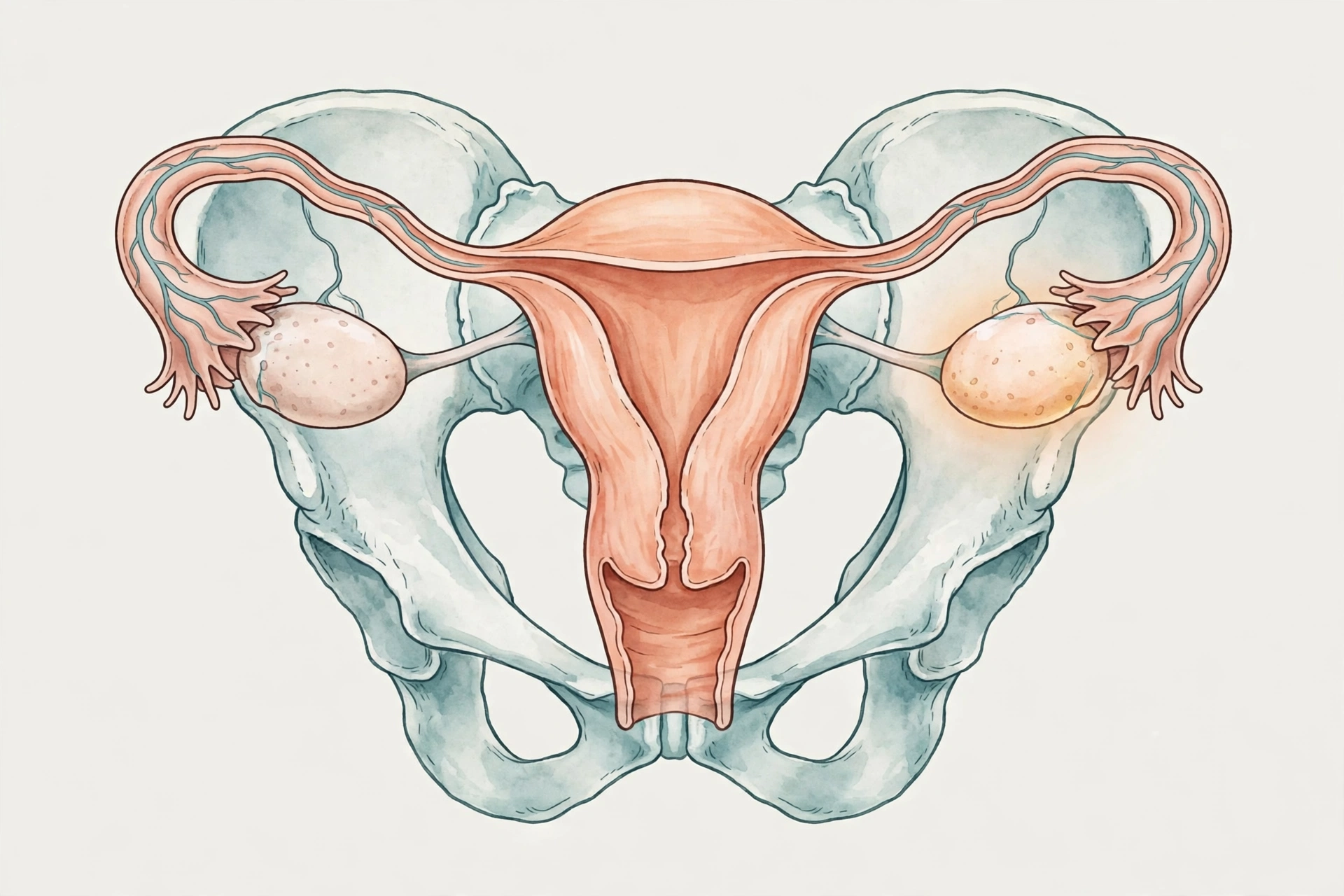
To understand the early warning signs, it helps to understand why this particular cancer hides so well. The ovaries sit deep inside the pelvic cavity, nestled among the bowel, bladder, and uterus. A tumor can grow there for some time before it is large enough to press on anything noticeable. Small ovarian tumors cannot be felt during a routine pelvic exam, and there is no equivalent of a mammogram for the ovaries.
There is another critical fact most women never hear: a Pap smear does not screen for ovarian cancer. Pap tests are designed to detect cervical cancer and precancerous changes of the cervix, not disease in the ovaries. If you have been reassured by normal Pap results, that is good news about your cervical health — but it says nothing about your ovaries. If you are unsure what a Pap test actually screens for, our guide on when to start Pap smears and what results mean explains the distinction in detail.
Researchers have also reshaped how they think about where ovarian cancer begins. Evidence now suggests that many of the most aggressive ovarian cancers — high-grade serous carcinomas — actually start in the fallopian tubes and spread to the ovary very early. This “tube-first” theory helps explain why the disease seems to appear suddenly and why catching it at a truly early stage remains so difficult. It also underscores why symptom awareness matters so much: your own observations may be the first screening tool available.
The 4 Core Ovarian Cancer Early Signs You Should Know
Cancer organizations and gynecologic oncologists around the world converge on four hallmark symptoms. You can remember them with the acronym BEAT:
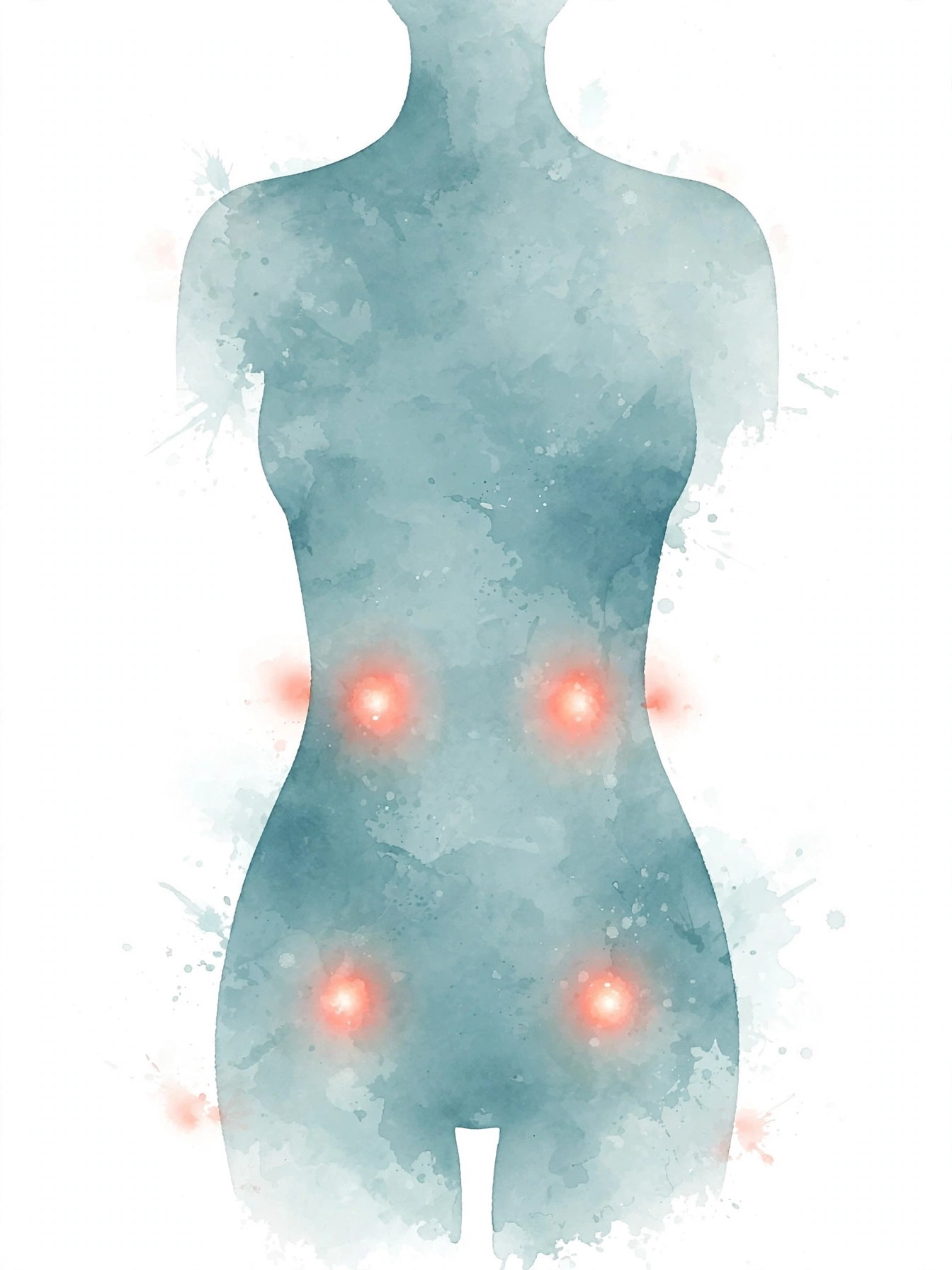
- B — Bloating. Persistent abdominal bloating or a feeling of swelling in the belly that does not come and go the way normal digestive bloating does. Many women describe their waistband feeling tighter or their abdomen looking visibly larger.
- E — Eating difficulty. Feeling full unusually quickly after eating small amounts, a loss of appetite, or new trouble eating. This happens when a growing mass or fluid presses against the stomach and intestines.
- A — Abdominal or pelvic pain. Aching, pressure, or discomfort in the abdomen or pelvis (the area between the hips). Unlike menstrual cramps, this pain tends to persist regardless of the menstrual cycle.
- T — Toilet changes. A new, persistent need to urinate more urgently or more often than usual. This can occur when a pelvic mass presses on the bladder.
These four are the most common ovarian cancer early signs, and they can appear even when the cancer is still at an early stage. On their own, each one is extraordinarily common and usually harmless. What makes them suspicious is the pattern: symptoms that are new for you, that persist day after day, and that do not respond to ordinary measures like dietary changes, laxatives, or extra rest.
Other Warning Signs That May Develop Over Time
Beyond the core four, ovarian cancer can produce a range of secondary symptoms. These are less specific on their own, but they gain significance when they appear alongside the hallmark signs or persist without explanation:
- Fatigue — unusual tiredness that does not improve with rest
- Back pain — aching in the lower back unrelated to injury or posture
- Indigestion and heartburn — an upset stomach or burning sensation that is new and persistent
- Constipation or changes in bowel habits — new, ongoing difficulty that does not resolve
- Unexplained weight changes — losing weight without trying, or weight gain that is really abdominal swelling
- Pain during intercourse — new pelvic discomfort during sex that was not present before
- Menstrual irregularities — bleeding between periods, heavier or irregular periods, or any vaginal bleeding after menopause
- Unusual vaginal discharge — discharge that is new, persistent, or different in character from what is normal for you
In more advanced stages, additional signs can include fluid buildup in the abdomen (ascites), shortness of breath from fluid around the lungs, and bowel obstruction. The goal of learning the early signs is to act long before the disease reaches that point.
The “New, Persistent, and Frequent” Rule: When Vague Symptoms Become Red Flags
Because every one of these symptoms can be caused by harmless conditions, clinicians use a simple framework to decide when evaluation is warranted. Consider seeking medical attention if your symptoms are:
- New — not normal for you. A change from your personal baseline matters more than the symptom itself.
- Persistent — they do not go away. Symptoms that linger for more than two to three weeks deserve a conversation with a clinician.
- Frequent — they occur more than 12 times in a month. This widely used threshold, cited by gynecologic cancer organizations, separates the kind of symptoms ovarian cancer causes from everyday digestive fluctuations.
Another useful test: symptoms that do not respond to ordinary measures. If bloating, pain, or urinary urgency persist despite changes to diet, exercise, hydration, and rest — or despite over-the-counter remedies — that persistence is itself information worth reporting. And always tell your clinician if ovarian cancer or breast cancer runs in your family, since hereditary risk changes how symptoms are interpreted.
Early Signs Can Differ by Cancer Type
Not all ovarian cancers behave the same way, and this is something general symptom lists rarely explain. Understanding the main categories can help you interpret what you feel:
- Epithelial ovarian cancers (about 85–90% of malignant cases) are the ones most associated with the classic BEAT symptoms — bloating, early fullness, abdominal pain, and urinary changes. The most common subtype, high-grade serous carcinoma, is the type researchers believe often begins in the fallopian tubes.
- Germ cell tumors (under 2% of ovarian cancers) develop in the egg-producing cells and occur mostly in teenagers and young women. Because they can grow rapidly, the first noticeable sign is often a quickly enlarging abdominal mass or sudden pelvic pain rather than the gradual BEAT pattern.
- Stromal tumors grow in the hormone-producing cells of the ovary and may announce themselves through hormonal symptoms rather than digestive ones: irregular menstrual bleeding, unusual hair growth, a deepening voice, or — paradoxically — signs of excess estrogen such as abnormal vaginal bleeding. Some are found at an early stage precisely because these hormonal changes are distinctive.
This matters because a young woman in her twenties or a teenager with a rapidly growing pelvic mass is dealing with a different likely picture than a postmenopausal woman with six weeks of bloating. Either way, persistent symptoms warrant evaluation — but knowing the type differences helps you describe what you are experiencing more precisely to a clinician.
Conditions That Look Like Ovarian Cancer
One of the greatest sources of diagnostic delay is how convincingly other conditions mimic ovarian cancer’s early signs. Part of learning the warning signs is learning what else they could be — so that neither you nor your clinician dismisses them too quickly:
- Ovarian cysts. Fluid-filled sacs on the ovary are extremely common, usually benign, and often cause identical symptoms: bloating, pelvic pain, pressure on the bladder. Cysts that change with the menstrual cycle or resolve on their own are typical of benign cysts; a persistent solid mass is more concerning. Our article on ovarian cyst symptoms and types explains how clinicians tell the difference.
- Irritable bowel syndrome and digestive disorders. Bloating, constipation, and abdominal discomfort are textbook IBS symptoms too. The distinguishing factor is usually the timeline: IBS symptoms tend to fluctuate with diet and stress over years, while cancer-related symptoms are new and steadily persistent.
- Ectopic pregnancy. In women of reproductive age, sudden pelvic or abdominal pain with abnormal bleeding can signal a pregnancy implanted outside the uterus — a medical emergency. If you are of childbearing age and experience these symptoms, review the signs of ectopic pregnancy and seek urgent care if they fit.
- Endometriosis and fibroids. Both cause pelvic pain, pressure, and menstrual changes. Endometriosis in particular is a known risk factor for certain ovarian cancer subtypes, so a long history of endometriosis deserves ongoing gynecologic follow-up.
- Menopause transition. Bloating, fatigue, urinary changes, and irregular bleeding are all common during perimenopause — which is exactly why new symptoms in this life stage should not be automatically attributed to hormones.
The takeaway is not to diagnose yourself, but to avoid the two most dangerous traps: assuming something is “just digestion” or “just hormones” without evidence, and assuming a gynecologic cause without considering the ovaries specifically.
Risk Factors — and Steps That May Lower Your Risk
You cannot change some of the strongest risk factors: increasing age (most cases occur after menopause), a family history of ovarian or breast cancer, and inherited gene mutations such as BRCA1, BRCA2, or the mutations associated with Lynch syndrome. If a first-degree relative has had ovarian cancer, or if your family has a pattern of breast and ovarian cancers, consider asking your clinician about referral to a genetic counselor. Genetic testing can identify high-risk individuals who may benefit from enhanced surveillance or preventive strategies.
There are also factors associated with a lower risk that are worth knowing about, because they illustrate how the disease develops:
- Pregnancy and breastfeeding. Having carried pregnancies to term, especially before age 35, and breastfeeding are associated with reduced ovarian cancer risk — likely because both reduce the total number of ovulatory cycles over a lifetime.
- Combined oral contraceptives. Long-term use of combined estrogen-progestin birth control pills is associated with a substantial reduction in ovarian cancer risk, an effect that appears to persist for years after stopping. This is a personal medical decision with its own risks and benefits, so it should be discussed with a clinician.
- Tubal ligation. Having the fallopian tubes tied or removed is associated with lower risk — a finding that supports the theory that many ovarian cancers originate in the tubes.
- Risk-reducing surgery. For women with confirmed BRCA1 or BRCA2 mutations, removal of the ovaries and fallopian tubes (salpingo-oophorectomy) after childbearing is the most effective preventive step available. This is a major decision made with genetic counselors and gynecologic surgeons.
Endometriosis, obesity, and postmenopausal hormone therapy are associated with elevated risk and deserve honest discussion with your clinician. None of these factors — protective or risky — guarantees any outcome; they shift probabilities, and awareness of them helps you and your doctor plan appropriately.
Preparing for Your Doctor’s Appointment: Keep a Symptom Diary
Here is the practical step that separates informed patients from everyone else: when you notice persistent abdominal or pelvic symptoms, start keeping a written symptom diary immediately. Clinicians consistently say that a clear, dated record transforms the quality of an evaluation. Most symptom articles tell you to “see your doctor” — far fewer tell you how to make that visit count.
For at least two to three weeks, record each day:
- Which symptoms you experienced (bloating, pain, fullness, urinary urgency, fatigue, bleeding)
- How severe each was on a simple 1–10 scale
- What time of day they occurred and how long they lasted
- What you ate, and whether eating made anything worse
- Any remedies you tried and whether they helped
- Your menstrual cycle day, if applicable
Bring this diary to your appointment, along with a list of your family cancer history, current medications, and hormonal contraceptive history. Ask direct questions: Could these symptoms be ovarian in origin? Would a transvaginal ultrasound or a CA-125 blood test be appropriate? Should I be referred to a gynecologist or a gynecologic oncologist? Transvaginal ultrasound can reveal ovarian masses (though it cannot confirm cancer on its own), and CA-125 is a blood marker that can support evaluation — though it can also be elevated by benign conditions, so it is never used alone for diagnosis. Only a biopsy can confirm ovarian cancer, and that decision belongs to specialists.

Frequently Asked Questions
What are the very first signs of ovarian cancer?
The earliest signs of ovarian cancer are usually subtle and digestive in nature: persistent bloating, feeling full quickly when eating, new abdominal or pelvic pain, and needing to urinate more urgently or more often. Individually these are common complaints; the warning pattern is that they are new for you, persistent over weeks, and increasingly frequent.
How is ovarian cancer usually detected?
There is no routine screening test for ovarian cancer. Most cases are detected when a woman reports persistent symptoms and her clinician orders a pelvic exam, transvaginal ultrasound, or CA-125 blood test — or when imaging done for another reason reveals an ovarian mass. Only a biopsy can confirm the diagnosis. This is why symptom awareness and prompt reporting are so important.
Does a Pap smear detect ovarian cancer?
No. Pap smears screen for cervical cancer and precancerous changes of the cervix, not for ovarian cancer. Normal Pap results provide no reassurance about ovarian health. Women at average risk still need gynecologic care that includes attention to ovarian symptoms, not just cervical screening.
Can ovarian cancer occur in young women?
Yes, though it is less common. Most ovarian cancers occur after menopause, but germ cell tumors predominantly affect teenagers and young women, often presenting as a rapidly growing pelvic mass or sudden pain. Any persistent pelvic symptom at any age deserves medical evaluation.
What is the survival rate if ovarian cancer is caught early?
Stage matters enormously. When ovarian cancer is confined to the ovaries, the five-year relative survival rate is roughly 92%. Once it has spread to distant organs, that figure falls to roughly 32%. Only about 15–20% of cases are diagnosed at the earliest stage — which is precisely why recognizing early warning signs can be life-saving.
Are ovarian cysts the same as ovarian cancer?
No. The vast majority of ovarian cysts are benign, fluid-filled sacs that form during normal ovulation and resolve on their own. However, cysts can cause the same symptoms as ovarian cancer — bloating, pain, urinary pressure — which is why persistent symptoms should be evaluated with imaging rather than assumed to be simple cysts. A cyst that does not resolve, is solid, or appears after menopause warrants closer investigation.
Should I get genetic testing for ovarian cancer risk?
Genetic testing is generally recommended if you have a personal or family history suggestive of hereditary risk: ovarian cancer at any age, breast cancer before 50, multiple relatives with breast or ovarian cancer, or known BRCA or Lynch syndrome mutations in the family. A genetic counselor can assess your history and advise whether testing is appropriate for you.
Can anything prevent ovarian cancer?
There is no guaranteed way to prevent ovarian cancer, but several factors are associated with lower risk: having carried pregnancies, breastfeeding, long-term use of combined oral contraceptives, and tubal ligation. For women with BRCA1 or BRCA2 mutations, risk-reducing removal of the ovaries and fallopian tubes after childbearing is the most effective preventive option. Discuss your personal risk profile with a clinician.
Medical disclaimer: This article is for educational purposes only and is not medical advice. It does not diagnose any condition and cannot replace evaluation by a qualified clinician. If you are experiencing persistent abdominal, pelvic, or urinary symptoms, please consult a healthcare professional promptly. Never disregard professional medical advice or delay seeking care because of something you have read online.
For authoritative, up-to-date information, consult the CDC’s overview of ovarian cancer and the American Cancer Society’s ovarian cancer guide, and talk with your own clinician about any symptoms that concern you.