Endometriosis Diet: What Research Suggests
An endometriosis diet plan will not cure the condition, but a growing body of research suggests that what you eat can meaningfully influence how you experience it. Endometriosis is driven by chronic inflammation and hormonal activity, and dietary patterns that calm inflammation, support gut health, and help the body manage estrogen may reduce pain, bloating, and fatigue for many people. This article gathers what the research currently suggests about the best eating approach, the nutrients that matter most, and how to build a practical, sustainable plan of your own.
What Is Endometriosis?
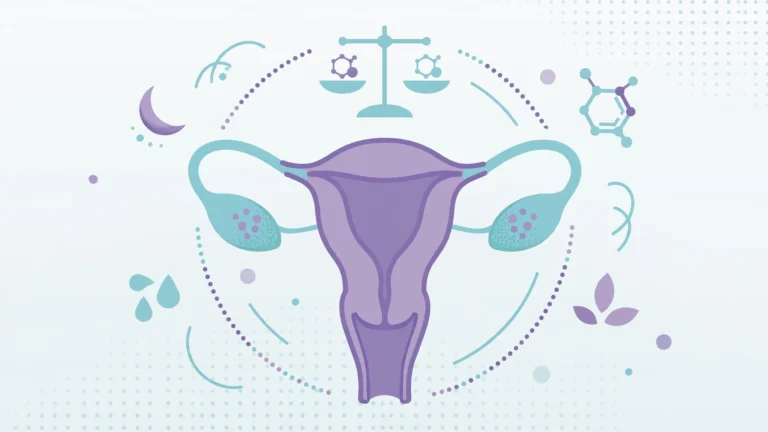
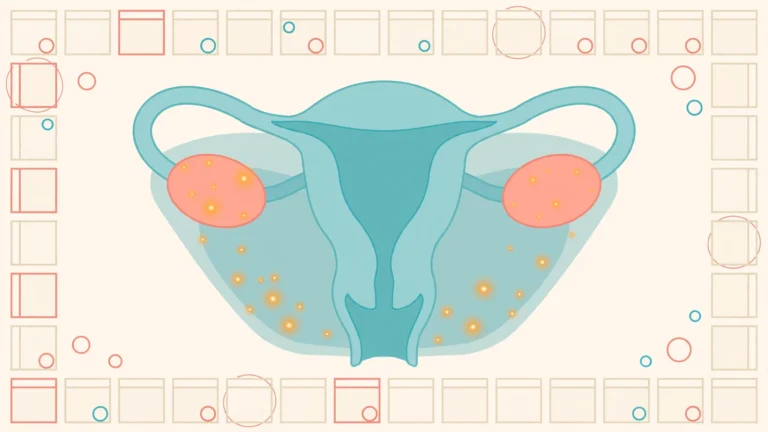
Endometriosis occurs when tissue similar to the lining of the uterus grows outside the uterus — on the ovaries, fallopian tubes, bowel, bladder, or the lining of the pelvis. Like the uterine lining, this misplaced tissue responds to hormonal changes each menstrual cycle: it thickens and breaks down, but unlike menstrual blood, it has no way to leave the body. The result is chronic inflammation, scar tissue, and often significant pain.
Around 1 in 10 women and people assigned female at birth live with endometriosis, according to the NHS. Common symptoms include painful periods, chronic pelvic pain, heavy menstrual bleeding, bloating and bowel changes, fatigue, pain during sex, and difficulty conceiving. For more on the reproductive side of the condition, see our guide on endometriosis and fertility.
There is no known cure. Medical treatment typically focuses on managing symptoms through medication, hormonal therapy, or surgery. Diet is not a replacement for these treatments — but it is one of the few factors you can adjust every single day, and researchers are taking its potential seriously.
Can Diet Really Help Endometriosis? What the Research Says
Research on nutrition and endometriosis is still emerging, and it is important to be honest about what it does and does not prove. Most studies are observational — they track eating habits and symptoms across groups of people — rather than large randomized trials. Still, several consistent findings have appeared across the literature:
- Anti-inflammatory eating patterns are linked with less pain. Reviews of the evidence consistently point to the Mediterranean diet — rich in vegetables, fruit, whole grains, legumes, nuts, seeds, olive oil, and oily fish — as the dietary pattern most associated with reduced inflammation and improved pelvic pain, bloating, and bowel symptoms in endometriosis.
- Omega-3 fats show promise. Some trials have found that women with endometriosis who consume more omega-3 fatty acids (from oily fish, flaxseed, or walnuts) report lower pain scores, likely because omega-3s help produce beneficial prostaglandins that ease cramping.
- Fiber supports estrogen balance. High-fiber diets help the body excrete excess estrogen through the digestive system instead of reabsorbing it. Since estrogen can stimulate endometrial-like tissue growth, fiber-rich eating is considered a plausible way to ease hormone-driven symptoms.
- Vitamin D deficiency is common. Observational studies have linked lower vitamin D levels with a higher likelihood of endometriosis, and some research suggests correcting a deficiency may ease symptoms — although trials have not yet settled the question.
The key caveat, echoed by specialist dietitians: there is no single “endometriosis diet” proven to work for everyone. The strongest evidence supports an overall eating pattern, not a magic food or a punishing list of bans. The Mayo Clinic similarly describes endometriosis management as multimodal — diet is a supporting tool, not a standalone treatment.
How an Endometriosis Diet Plan May Ease Symptoms
To understand why diet matters, it helps to know the three biological pathways researchers think it influences:
- Inflammation. Endometriosis is a chronic inflammatory condition. Pro-inflammatory foods — especially those high in added sugar, trans fats, and processed meats — may amplify the inflammatory response, while antioxidant- and omega-3-rich foods may dampen it.
- Prostaglandins. These hormone-like compounds trigger the uterine contractions behind menstrual cramps. Certain fats promote inflammatory prostaglandins; omega-3 fats encourage the beneficial kind associated with less cramping.
- Estrogen metabolism. The liver processes estrogen and the gut excretes it. A sluggish gut can allow estrogen to be reabsorbed and recirculated. Fiber, hydration, and a diverse gut microbiome all support efficient estrogen clearance — which is one reason gut symptoms and pelvic symptoms so often travel together in endometriosis.
An effective endometriosis diet plan targets all three of these pathways at once — which is exactly what the Mediterranean-style pattern below is designed to do.
Foods to Include in Your Endometriosis Diet Plan
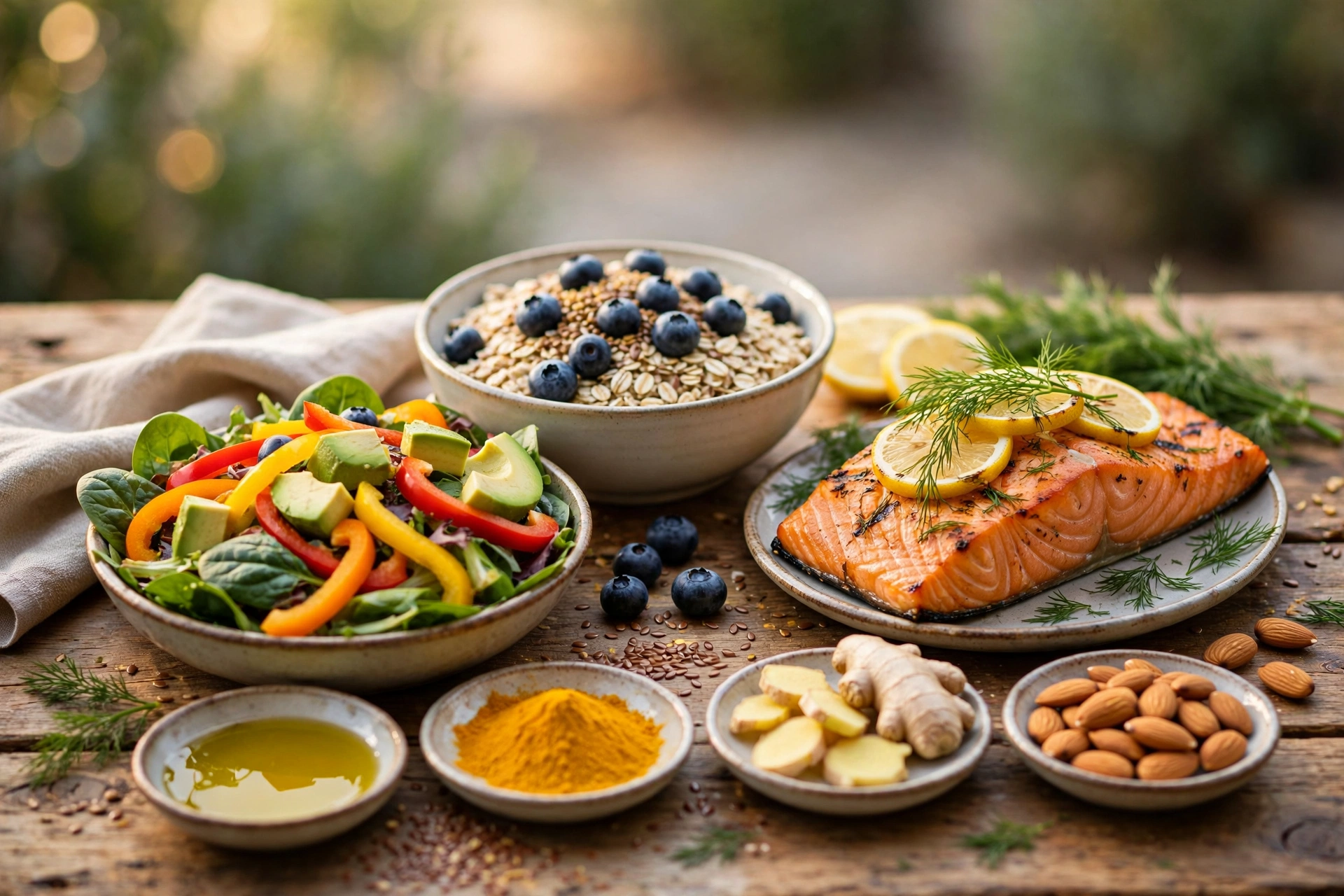
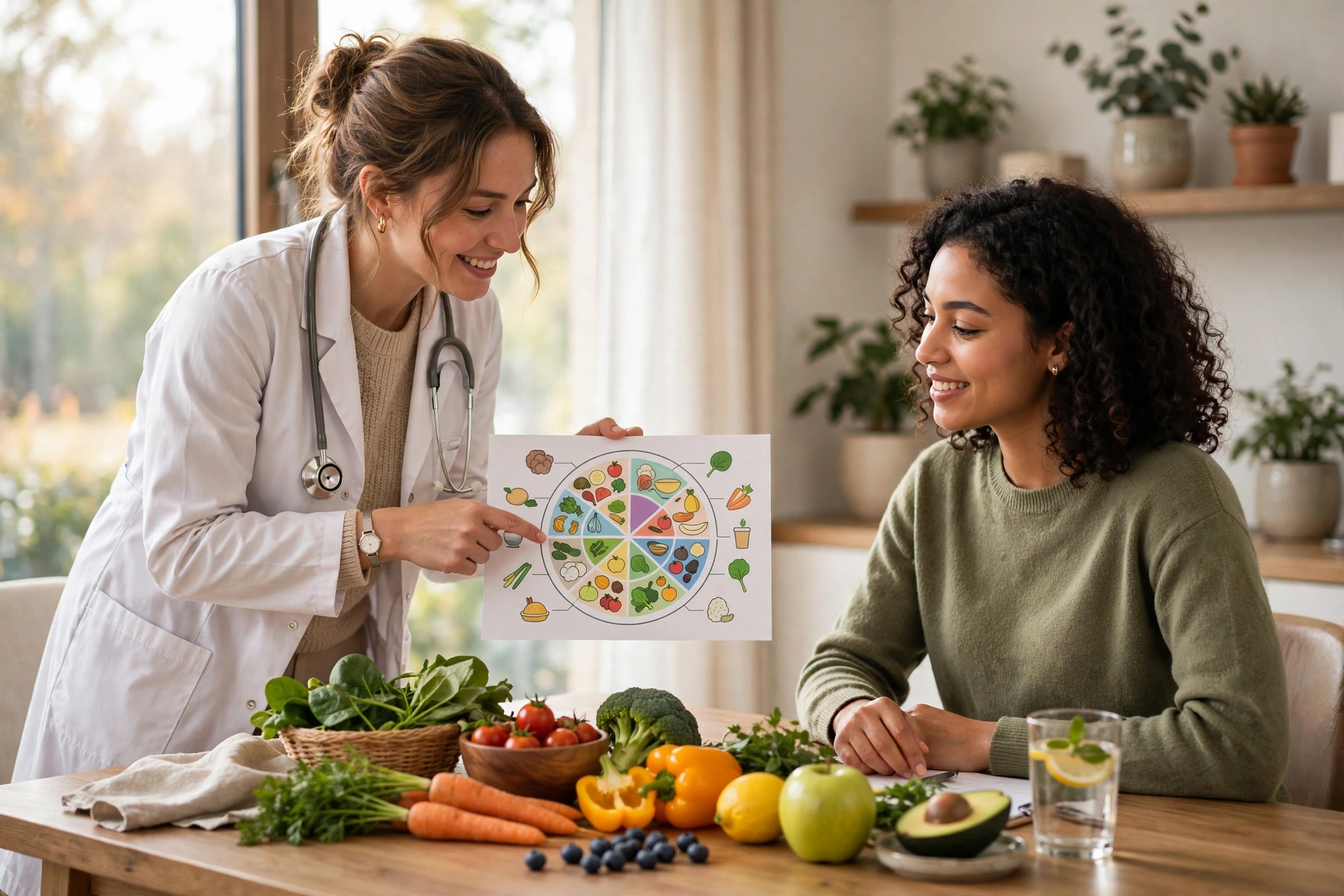
Rather than starting with restrictions, research suggests building your plan around abundance — adding more of the foods most linked with benefit:
- Vegetables (aim for variety across the week): leafy greens like spinach and kale, broccoli, cauliflower, Brussels sprouts, peppers, carrots, and beets. Cruciferous vegetables in particular contain compounds thought to support healthy estrogen metabolism.
- Fruit: berries, citrus fruits, apples, and pears provide antioxidants, vitamin C, and soluble fiber. Frozen fruit is just as nutritious as fresh.
- Whole grains and legumes: oats, brown rice, quinoa, barley, lentils, chickpeas, and beans deliver the fiber that supports estrogen excretion and feeds beneficial gut bacteria.
- Oily fish: salmon, mackerel, sardines, and trout are the richest sources of EPA and DHA omega-3s. Two portions per week is the commonly cited target.
- Nuts, seeds, and olive oil: walnuts, flaxseed, chia seeds, and extra-virgin olive oil supply plant omega-3s and monounsaturated fats linked with lower inflammatory markers.
- Lean proteins: poultry, eggs, tofu, tempeh, and legumes support tissue repair without the saturated fat load of red and processed meats.
- Anti-inflammatory herbs and spices: turmeric, ginger, garlic, and cinnamon are easy everyday additions — fresh ginger tea is a traditional remedy for cramp-related digestive discomfort, and small trials have found ginger comparable to some conventional options for menstrual pain relief.
Building your endometriosis diet plan around these additions first — before thinking about restrictions — makes the whole approach more enjoyable and sustainable.
Key Nutrients Worth Paying Attention To
Competitors usually stop at “eat anti-inflammatory foods.” The research highlights a few specific nutrients that deserve attention in an endometriosis diet plan:
- Iron. Heavy menstrual bleeding is common with endometriosis, and chronic blood loss is a leading cause of iron-deficiency anemia — which itself causes fatigue, brain fog, and hair loss, symptoms many people attribute to endometriosis alone. Pair iron-rich foods (lentils, spinach, lean poultry, pumpkin seeds) with vitamin C sources to improve absorption. If you notice spotting between periods or very heavy flow, talk to your doctor about checking iron levels.
- Vitamin D. Multiple studies have found lower vitamin D levels in women with endometriosis compared with controls. Sensible sun exposure, oily fish, eggs, and fortified foods help; if you suspect deficiency, a blood test — not a guess — should guide any correction.
- Magnesium. Involved in muscle relaxation and found in nuts, seeds, legumes, and whole grains. Some evidence suggests it may help ease menstrual cramps.
- Zinc and B vitamins. Found in whole grains, legumes, eggs, and poultry, these support immune function and energy metabolism — relevant when chronic inflammation leaves you drained.
- Calcium. Here the research offers a reassuring twist: some studies have found that higher dairy intake is associated with a lower risk of endometriosis, possibly via calcium and vitamin D. This is why blanket dairy bans are not supported by the evidence (more on this below).
Covering these nutrients is one reason a well-rounded endometriosis diet plan outperforms a narrow list of food rules.
Foods to Limit Rather Than Ban
Restriction-first thinking tends to backfire, but research does associate certain foods with worse symptoms, so moderating them is sensible:
- Red and processed meat: red meat contains arachidonic acid, which feeds inflammatory prostaglandin production. Several studies link high red-meat intake with greater endometriosis risk and pain. Try swapping it for fish, poultry, or plant proteins most days.
- Added sugar and ultra-processed foods: these spike blood sugar and insulin, which can amplify inflammation and hormonal swings. Sugar hides in sauces, dressings, and flavored yogurts — reading labels helps.
- Alcohol: may raise estrogen levels and interferes with sleep, which is already a common struggle. Many people with endometriosis find symptoms worsen after drinking.
- Caffeine: evidence is mixed, but some people report that high caffeine intake worsens breast tenderness, anxiety, and cramps. Consider your own pattern rather than an arbitrary limit.
The guiding principle from endometriosis specialist dietitians: limit with curiosity, not fear. Notice how your body responds instead of assuming every trigger list applies to you.
That curious, flexible mindset is what turns an endometriosis diet plan from a short-term experiment into a lasting way of eating.
The Gluten and Dairy Question: What Research Suggests
Few topics confuse people more than gluten and dairy. Here is what the evidence actually says:
- Gluten: there is some limited evidence that a gluten-free diet reduces pelvic pain in a subset of people with endometriosis. However, researchers note it is unclear whether the benefit comes from gluten itself or from reduced intake of FODMAPs (fermentable carbohydrates found in wheat) that irritate the gut. Endometriosis has a high overlap with IBS-like gut symptoms, which respond to FODMAP reduction.
- Dairy: there is no strong evidence for routinely cutting dairy. As noted above, some studies even associate higher dairy intake with lower endometriosis risk. Lactose intolerance is a legitimate separate reason to reduce dairy — but even then, many people tolerate lower-lactose options like hard cheeses and yogurt.
If you suspect gluten or dairy affects you, the research-supported approach is a structured 3–4 week trial elimination followed by careful reintroduction — ideally with guidance from a registered dietitian — rather than a permanent, unguided ban that risks nutrient gaps.
If you try an elimination, keep the rest of your endometriosis diet plan consistent so you can judge the change fairly.
Your Endometriosis Diet Plan: A 3-Day Sample
Here is a practical starting template built on the research above. Adjust portions to your appetite and energy needs; the goal is a sustainable pattern, not rigid rules.
Think of this endometriosis diet plan as a template to personalize, not a prescription to follow perfectly.
Day 1
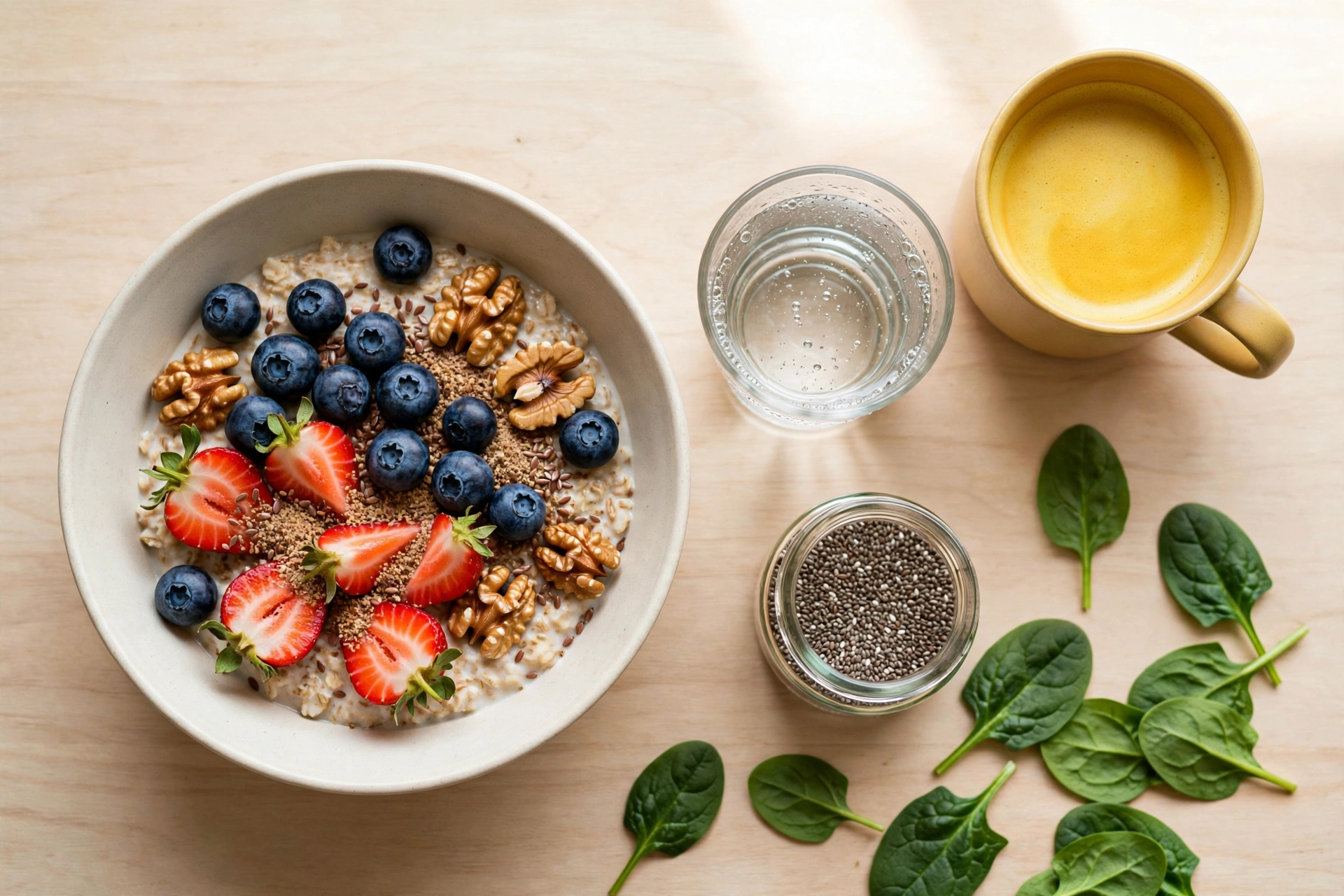
- Breakfast: steel-cut oats cooked with oat milk, topped with blueberries, ground flaxseed, walnuts, and cinnamon.
- Lunch: large rainbow salad — spinach, chickpeas, cucumber, bell peppers, grated carrot — with olive oil, lemon, and tahini dressing.
- Snack: apple slices with almond butter.
- Dinner: baked salmon with lemon and dill, quinoa, and roasted broccoli with garlic.
- Evening: fresh ginger tea.
Day 2
- Breakfast: smoothie with mixed berries, spinach, banana, chia seeds, and almond milk.
- Lunch: lentil and vegetable soup with a slice of whole-grain bread.
- Snack: small handful of mixed nuts and an orange.
- Dinner: stir-fried tofu or chicken with kale, peppers, and brown rice in a ginger-garlic sauce.
- Evening: turmeric latte made with oat milk (a pinch of black pepper aids curcumin absorption).
Day 3
- Breakfast: scrambled eggs with turmeric, spinach, and tomatoes, plus whole-grain toast.
- Lunch: quinoa bowl with roasted sweet potato, black beans, avocado, and lime.
- Snack: celery and cucumber sticks with hummus.
- Dinner: grilled mackerel with steamed asparagus and a mixed green salad dressed with olive oil.
- Evening: chamomile tea.
Notice the pattern across all three days: fiber at every meal, oily fish twice, legumes daily, colorful produce throughout, and anti-inflammatory spices woven in. Repeat, rotate, and adapt — a diet you enjoy beats a perfect plan you abandon.
How to Personalize Your Plan: The Food and Symptom Diary
This is the step most online guides skip, yet dietitians consider it the most powerful one. Because no single plan suits everyone, a two-week food and symptom diary turns general research into personal evidence:
- Each evening, note what you ate (roughly — no calorie counting needed) and rate your pain, bloating, energy, and mood.
- Look for patterns after 10–14 days: does high-sugar eating precede worse cramps? Do heavy, low-fiber meals correlate with more bloating?
- If a suspect food emerges, trial a 3–4 week removal, then reintroduce it and watch for changes. Change one variable at a time.
- Bring your diary to a registered dietitian experienced with endometriosis — it gives them far more to work with than memory alone.
An endometriosis diet plan built on your own tracked data will always beat a generic list copied from the internet.
Eating With Your Cycle
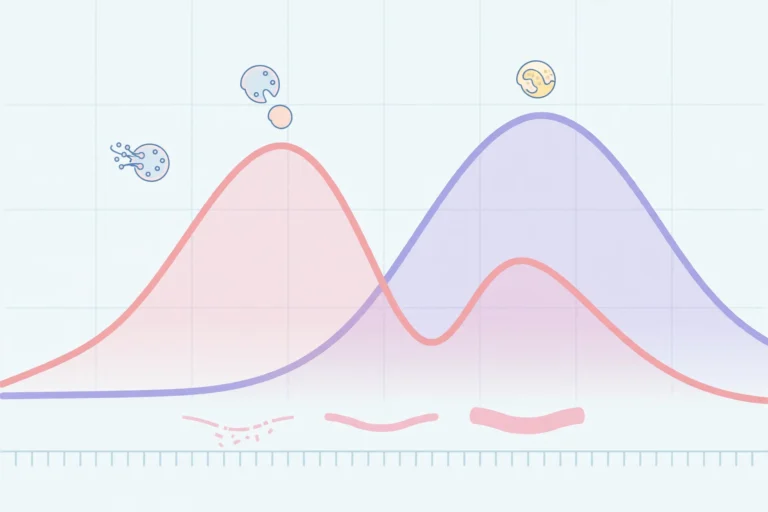
Another angle competitors rarely mention: your nutritional needs shift across the menstrual cycle, and endometriosis symptoms often peak in the luteal (premenstrual) phase. Planning for this can help:
- Pre-period week: cravings intensify and magnesium needs may rise. Stock magnesium-rich snacks (pumpkin seeds, dark chocolate, bananas) and keep balanced meals regular to avoid blood-sugar crashes that worsen mood and pain.
- During menstruation: prioritize iron-rich meals and hydration, since blood loss and dehydration both amplify fatigue and cramps.
- After your period: energy often rebounds — a good window to batch-cook for the harder weeks ahead.
- Eat regularly. Skipping meals and under-eating are consistently linked with worse symptom reports; adequate, steady energy intake is itself a research-backed foundation.
Timing the different parts of your endometriosis diet plan to your cycle is a small tweak that can make the hardest weeks noticeably easier.
What About Supplements?
Ginger capsules and turmeric/curcumin are the most studied supplements in this space, with small trials suggesting ginger may ease menstrual pain. However, supplement research in endometriosis is thin, product quality varies widely, and some supplements interact with medications (including hormonal treatments). Do not self-prescribe based on blog claims — including this one. If you are considering supplements, discuss them with your doctor or pharmacist first, and treat food as the foundation.
No supplement replaces the foundation of a balanced endometriosis diet plan — get the food right first, then discuss extras with your clinician.
Frequently Asked Questions
These are the questions readers ask most often about the endometriosis diet plan.
What is the best diet for endometriosis?
Research most strongly supports a Mediterranean-style eating pattern: abundant vegetables, fruit, whole grains, legumes, nuts, seeds, olive oil, and oily fish, with limited red meat, added sugar, and ultra-processed foods. No single diet has been proven best for everyone, so personalization matters.
Can diet cure endometriosis?
No. There is currently no cure for endometriosis, and no diet has been shown to remove lesions or reverse the condition. Diet can, however, help manage symptoms like pain, bloating, and fatigue, and it works best alongside medical treatment — not instead of it.
Should I go gluten-free or dairy-free for endometriosis?
Not automatically. Evidence for gluten-free helping is limited to a subset of people, and may actually reflect reduced FODMAPs rather than gluten itself. There is no strong evidence for routinely cutting dairy, and some studies link higher dairy intake with lower risk. A guided trial elimination is reasonable if you suspect a trigger.
What foods make endometriosis symptoms worse?
Research most consistently implicates high intakes of red and processed meat, added sugar, and ultra-processed foods, which are linked with greater inflammation and pain. Alcohol and excess caffeine are common personal triggers. Responses vary, so a food and symptom diary is the best way to identify your own.
Is the Mediterranean diet good for endometriosis?
It is the dietary pattern with the strongest research support for endometriosis symptom management. Reviews link it with reduced inflammation, less pelvic pain, improved gut symptoms, and better hormone balance — and it carries very little risk, since it is a balanced, nutrient-rich way of eating.
How long does it take for diet changes to help endometriosis symptoms?
Most structured approaches — such as a 3–4 week elimination trial or a shift to Mediterranean-style eating — are evaluated over weeks to a few months. Give any change at least one full menstrual cycle before judging it, track symptoms consistently, and adjust with professional guidance rather than chasing overnight results.
This article is for educational purposes only and is not medical advice. Endometriosis is a complex medical condition, and dietary changes should complement — not replace — care from your doctor. If you experience severe pelvic pain, very heavy bleeding, or symptoms that interfere with daily life, please seek medical evaluation. Always consult a qualified healthcare professional before making significant dietary changes or starting supplements.