Psoriasis and Intimacy: Dating, Body Image, and Sex Life Tips
If you live with psoriasis, you probably know how much it reaches into parts of life far beyond your skin. One of the areas people talk about least is romance. Navigating psoriasis and sex challenges can feel lonely, especially when plaques flare at the worst moments or self-consciousness keeps you from reaching for your partner.
The reassuring truth, confirmed by research and dermatologists alike, is that a satisfying, affectionate relationship is absolutely possible while managing psoriasis. This guide brings together what leading clinical sources say, fills in the practical gaps most articles skip, and walks you through dating, body image, comfortable intimacy, medications, and honest conversation with a partner and a doctor, so psoriasis and sex stops feeling like an off-limits topic.
What Psoriasis Is — And Why It Hits Intimacy Hard
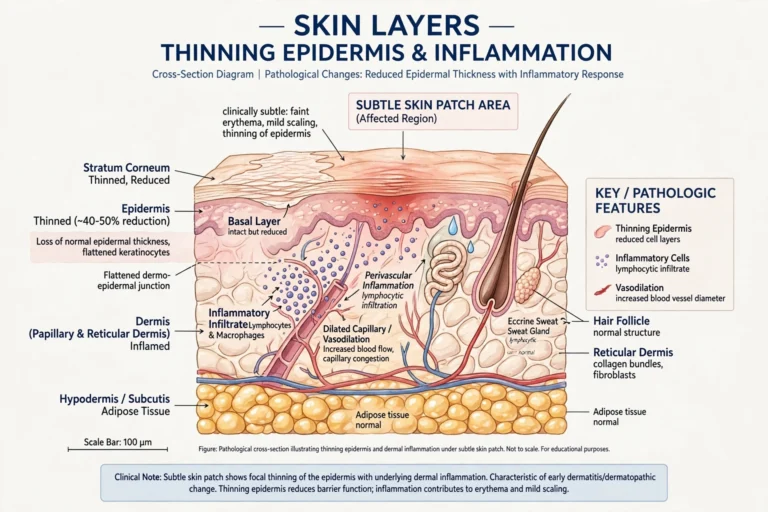
Psoriasis is a chronic autoimmune condition in which the immune system signals skin cells to multiply far too quickly. The typical skin cell cycle of three to four weeks is compressed into just a few days, so immature cells pile up on the surface as raised, red, scaly plaques that can itch, burn, crack, and occasionally bleed.
It most often appears on the elbows, knees, scalp, and trunk, but it can develop anywhere, including the genital area. Because plaques can appear in such personal places, psoriasis and sex become linked in many people’s minds well before any physical difficulty arises. About one in three people with psoriasis say the condition makes intimacy challenging, regardless of where their plaques are located, according to National Psoriasis Foundation survey data.
The impact on intimacy runs along two tracks. The physical track includes itching, pain, bleeding during flare-ups, and friction making lesions worse. The emotional track includes embarrassment, fear of rejection, and the exhausting sense of being stared at.
A cross-sectional study published in the journal Medicina found that more than 90 percent of participants with psoriasis felt at least slightly unattractive because of their skin, that psoriasis affected the sex life of nearly 80 percent at least occasionally, and that over half had avoided sexual contact because of it.
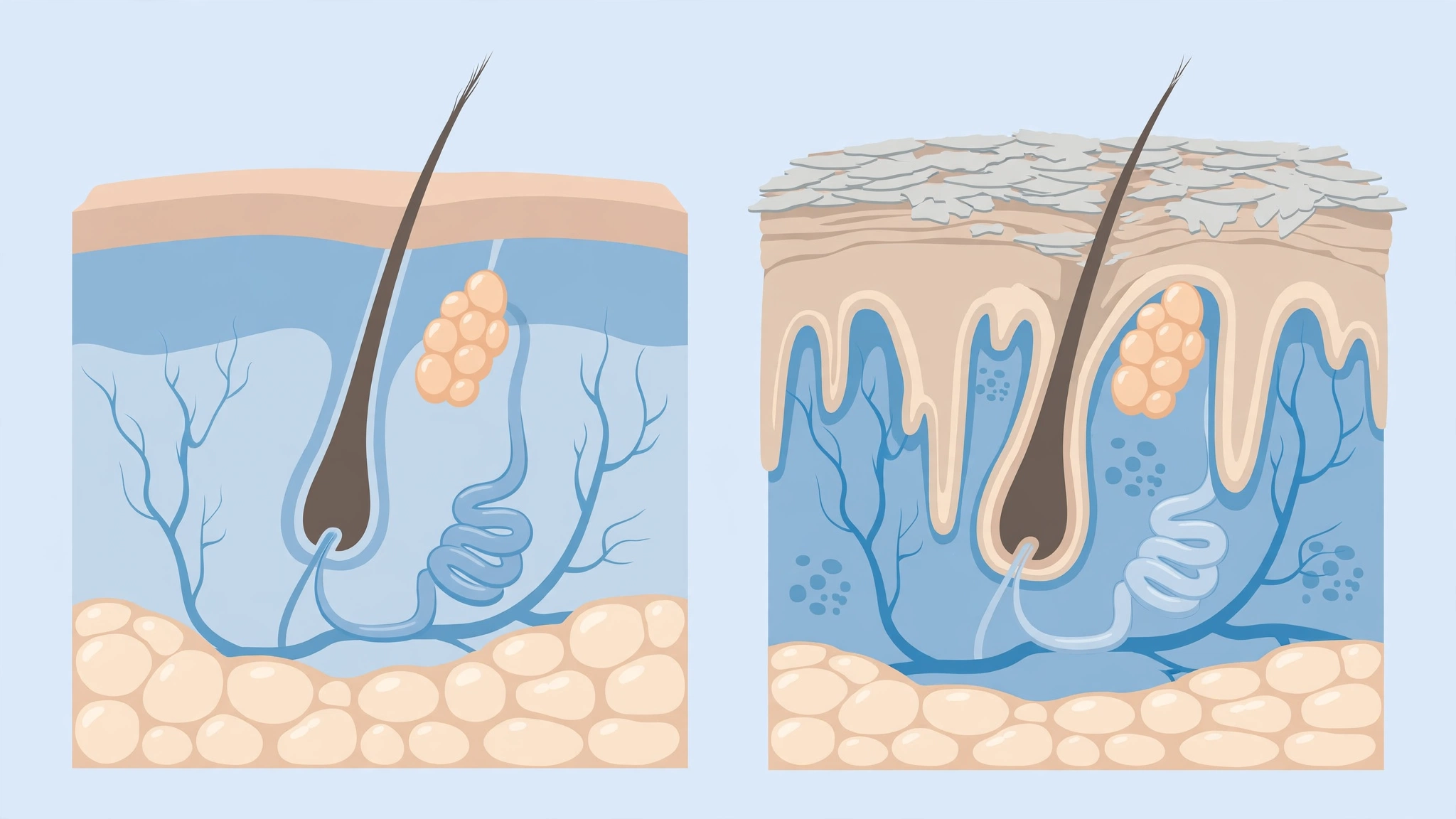
How Psoriasis and Sex Can Be Affected
Understanding the specific ways psoriasis and sex problems arise makes each one easier to address:
- Body self-consciousness. Worrying about how plaques look or feel under a partner’s hands is one of the most common barriers to enjoying psoriasis and sex. This worry can pull your attention out of the moment, which is why many people describe feeling mentally distracted during intimacy.
- Friction and the Koebner phenomenon. Trauma to the skin — including repeated rubbing — can trigger new psoriasis lesions in previously clear skin. Dermatologists call this the Koebner phenomenon, and it explains why sexual activity itself can sometimes provoke a flare. Studies have found that roughly a third of people with genital psoriasis report that intercourse triggered new lesions or worsened existing ones.
- Pain during intimacy. Nearly half of people with genital psoriasis report more pain during sex, and activity during an active flare-up can cause burning or bleeding. Because psoriasis and sex can involve friction on sensitive lesions, planning ahead for comfort makes a real difference. Genital psoriasis often appears as inverse psoriasis — smooth, dry, red lesions in skin folds — which can be especially sensitive.
- Lower desire. Depression and anxiety are more common in people with psoriasis, and both blunt sexual desire. Certain psoriasis medications can also reduce libido, adding a chemical layer to psoriasis and sex difficulties, which we cover in detail below.
- Stigma and fear of being misunderstood. Many people fear a new partner will mistake psoriasis for a contagious infection or an STI. That fear alone leads about 35 percent of people with psoriasis to limit dating or intimate interactions, per National Psoriasis Foundation data.
Crucially, research into psoriasis and sex also shows that genital lesions do not explain all of the sexual dysfunction seen in psoriasis patients. A 2018 analysis found that while genital involvement adds physical discomfort, the overall prevalence of sexual problems far exceeds the proportion of people with genital plaques — meaning emotional factors like shame, depression, and disease-related stress deserve just as much attention as the skin itself.
Dating With Psoriasis: When and How to Tell Someone
Dating advice is a missing piece in most psoriasis and sex coverage, yet dating while managing a visible skin condition is one of the most common real-world struggles.
Time it to trust, not to a rule. There is no perfect date number. A useful guideline: share before physical intimacy becomes likely, so your partner hears it from you rather than discovering plaques unprepared. Many people find dates three to five — once warmth and rapport exist but before things turn physical — to be the sweet spot.
Keep it brief and factual. A calm, simple explanation works best. Something like: “I have psoriasis, an autoimmune skin condition. It causes dry patches on my skin sometimes — it’s not contagious, not an infection, and it doesn’t spread by touching.” Then invite questions. A partner’s reaction to a relaxed, factual explanation — one that treats psoriasis and sex as a normal topic — usually mirrors the tone you set.
Lead with normalcy. Avoid framing it as a confession. Mention, the way you would any managed health condition, that you see a dermatologist and that it flares and calms in cycles. Most people respond with simple curiosity — and a partner who responds with disgust has told you something important about themselves early.
Prepare for the “is it contagious?” question. Answer it plainly: psoriasis cannot be passed to anyone through sex, kissing, or touch of any kind. If it helps, invite a new partner to a dermatology appointment with you — a suggestion echoed in multiple clinical guides.

If You Love Someone With Psoriasis: A Partner’s Playbook
Most articles speak only to the person with psoriasis. If you are the partner, your role matters enormously — and a little knowledge goes a long way. Research on psoriasis and sex consistently shows that perceived support from a partner predicts better sexual satisfaction more strongly than the visible severity of plaques.
- Believe what they tell you about their body. Psoriasis can itch or hurt in ways that are invisible. Do not minimize it (“it doesn’t look that bad”) — acknowledge it, then move on. Dismissiveness is one of the most common complaints from people with psoriasis in long-term relationships.
- Say the words. Tell your partner they are attractive — and do it often, not just in the bedroom. Body self-consciousness does not disappear because someone stopped commenting on it.
- Never let a flare-up become a rejection. If sex is off the table during a painful flare, replace it with something intentionally intimate rather than quietly disappearing: a back rub, a long hug, a shared bath, an unrushed dinner. Absence of affection hurts more than absence of sex.
- Do your own five minutes of reading. Learning that psoriasis is autoimmune and non-contagious — the two facts at the heart of most psoriasis and sex worries — transforms you from a bystander into a teammate.
- Ask, don’t assume. “Is this comfortable?” and “Would you like me to adjust?” are better than avoiding touch altogether out of caution. Over-caution can feel like rejection.
Practical Tips for Comfortable Intimacy
With some planning, intimacy can be comfortable even when psoriasis is active. These psoriasis and sex strategies are drawn from dermatology and sexual health guidance:
- Moisturize before, cleanse after. Well-hydrated skin tolerates friction better. Use fragrance-free moisturizers on affected areas before intimacy, and afterward cleanse gently with a mild, unscented cleanser to remove sweat and irritants, then reapply your treatment as prescribed. Do not expose your partner to prescription creams — remove topical treatments before sex.
- Use the right lubricant. Water-based, fragrance-free lubricants reduce friction that can irritate plaques and trigger the Koebner response. Test a new product on a small patch of skin first to confirm it does not sting or provoke a reaction.
- Protect during flare-ups. If genital skin is raw, cracked, or fissured, dermatologists advise postponing sex until it heals. When skin is intact but sensitive, lubricated condoms reduce friction and are sensible for any partner; remember that oil-based lubricants can weaken latex condoms.
- Choose comfort over performance. Experiment with positions that minimize pressure on the areas where your plaques are worst. Soft, natural fabrics for bedding and underwear reduce irritation, and keeping moisturizer within reach removes friction — logistical and emotional.
- Manage the environment for confidence. Dim lighting, keeping some clothing on, and light-colored bedding that conceals flakes are all legitimate tools, not things to feel silly about. Confidence is the real aphrodisiac, and these small controls build it.
- Have a plan B for closeness. Some days, pain or embarrassment wins, and psoriasis and sex simply isn’t on the table. Couples who thrive keep a repertoire of non-sexual intimacy — extended cuddling, massage, kissing, cooking together — so connection never depends entirely on one kind of touch.
Psoriasis Medications and Your Sex Life: What to Discuss With Your Doctor
Most psoriasis treatments have no sexual side effects, but a few well-known ones can affect psoriasis and sex. This table summarizes what current clinical evidence says — not as advice to start or stop anything, but as a starting point for a conversation with your dermatologist:
| Treatment | Possible sexual effects | What to discuss with your doctor |
|---|---|---|
| Methotrexate (systemic) | Reduced libido, erectile difficulties reported in some men | Whether benefits outweigh effects; alternatives if sexual function is a priority |
| Acitretin (oral retinoid) | Linked to sexual problems in some reports | Timing of treatment course; never use when pregnancy is planned — it is teratogenic |
| Biologics (injectable/infusion) | Generally improve sexual function as skin clears | Often the preferred option when intimacy is a concern |
| Topical treatments | No direct sexual effects; must be removed before intimacy | Ask which products are safe for genital-area skin — some can irritate sensitive areas |
| Phototherapy (narrowband UVB) | No known sexual side effects | One of the few options considered safe when planning pregnancy |
| Antidepressants (often co-prescribed) | Reduced desire and delayed orgasm are common | Ask about options with fewer sexual side effects — see our guide on antidepressants and sex drive |
Two family-planning notes deserve special care. Methotrexate must not be used when pregnancy is possible — for either partner — because of serious birth-defect risk; both men and women need a washout period guided by their doctor. If you are planning a pregnancy, ask your dermatologist about pregnancy-compatible options such as topical corticosteroids, emollients, or narrowband UVB phototherapy, which are generally considered safe.
Rebuilding Body Confidence: More Than “Just Love Yourself”
Well-meaning advice to “just be confident” rarely helps when your skin feels like a spotlight. Body confidence work is a core part of improving psoriasis and sex outcomes, and evidence-informed approaches work better than willpower:
- Cognitive behavioral therapy (CBT). Research supports CBT for reducing the distress psoriasis causes, including appearance-related anxiety. A therapist experienced with chronic skin conditions can help you challenge catastrophic thoughts like “no one will want me like this.”
- Graded exposure. Start with lower-stakes closeness — hand-holding, cuddling in dim light — and progress at your own pace. Each positive experience rewrites the association between visibility and rejection.
- Sensate focus exercises. This classic couples technique removes the pressure of performance and redirects attention to sensation rather than appearance. Guided programs, such as the exercises in our couples intimacy exercises guide, can be adapted easily.
- Support communities. Talking with others who have navigated psoriasis and sex challenges — through the National Psoriasis Foundation community or local support groups — normalizes what feels isolating.
- Address low libido as a medical question. If desire has dropped, rule out depression, hormonal issues, and medication effects with your doctor. Our overview of common causes of low libido is a useful primer before that appointment.
When to Talk to a Doctor About Intimacy and Psoriasis
Bring up psoriasis and sex at your dermatology appointment — many patients wait for the doctor to ask about sexual health, and most doctors do not ask. Raise it if: intimacy is painful or causes bleeding; flare-ups follow sexual activity; desire has dropped and you suspect medication; or you are planning pregnancy while on systemic treatment. For clinical background, the Mayo Clinic’s psoriasis overview and the NHS psoriasis guide are trustworthy starting points.
FAQs
Is psoriasis contagious? Can my partner catch it from sex?
No. Psoriasis is an autoimmune condition, not an infection, and it cannot be transmitted through sex, kissing, or any kind of touch. In psoriasis and sex discussions, this is the number-one question partners ask, since genital plaques can visually resemble an STI.
How do I tell a new partner about my psoriasis?
Keep it brief, calm, and factual before things become physical: name the condition, note that it is not contagious, and invite questions. Framing it as a managed health condition rather than a confession sets the tone — and a respectful partner will respond with curiosity. Once that first psoriasis and sex conversation is behind you, later ones get much easier.
Can I have sex during a psoriasis flare-up?
It depends on severity. If genital skin is raw, cracked, or bleeding, dermatologists recommend waiting until it heals. During milder flares, many couples maintain a satisfying psoriasis and sex using fragrance-free moisturizer, water-based lubricant, and gentler positions. Always cleanse and reapply treatment afterward.
Does psoriasis affect libido or sexual function?
It can, through several routes: chronic pain and itching lower desire, depression and anxiety are more common, and some medications reduce libido. Studies show sexual dysfunction is significantly more common in people with psoriasis than in the general population — so psoriasis and sex concerns are worth raising with your doctor, not suffering in silence.
Can psoriasis medications affect my sex life?
Some can. Methotrexate has been linked to reduced libido and erectile difficulties in some men, and acitretin to sexual problems as well. Biologics, by clearing skin effectively, often improve sexual function. Never stop a prescribed treatment because of sexual side effects — ask your doctor about alternatives instead, so psoriasis and sex doesn’t stay sidelined.
Can sex trigger a psoriasis flare-up?
Yes, occasionally. Friction from sexual activity can provoke new lesions through the Koebner phenomenon, where skin trauma triggers psoriasis in previously clear skin. Using adequate lubrication, choosing gentler positions, moisturizing beforehand, and avoiding intimacy when skin is already broken all protect your psoriasis and sex from unnecessary flares.
Psoriasis does not have to write the story of your love life. With good treatment, honest communication, and a few practical adjustments, couples navigating psoriasis and sex challenges often report that working through them together deepened their relationship. If something here resonated — pain, fear of dating, a medication question — take it to your doctor as your next step.
Medical disclaimer: This article is for educational purposes only and is not medical advice. Psoriasis treatment, especially decisions involving systemic medications, pregnancy planning, and genital-area care, must be individualized by a qualified healthcare professional. If you are experiencing pain, bleeding, or persistent emotional distress related to psoriasis, consult your dermatologist or primary-care doctor promptly.